
Oily skin is a common skin type characterized by excessive production of sebum, a natural oil produced by sebaceous glands. This condition can result from various factors, which often interact in complex ways. Genetic predisposition plays a significant role; individuals with a family history of oily skin management are more likely to experience similar issues. Additionally, hormonal fluctuations, particularly during puberty, menstruation, pregnancy, or due to conditions like polycystic ovary syndrome (PCOS), can lead to increased sebum production. The surge in hormones, particularly androgens, stimulates the sebaceous glands, causing them to produce more oil. Environmental factors also contribute to oily skin; high humidity can exacerbate the skin’s oiliness, as the moisture in the air prevents oils from evaporating as they would in drier conditions. Moreover, lifestyle choices such as diet, stress, and inadequate skin care routines can impact oil production. Poor dietary habits that include excessive consumption of sugary or greasy foods may also influence the skin’s oiliness, triggering inflammation and leading to breakouts.
Excess sebum can lead to various skin issues, the most common being acne. When too much oil clogs pores, it creates an ideal environment for bacteria, leading to inflammation and breakouts. Additionally, individuals with oily skin often experience enlarged pores, as the excess oil can stretch the pore size over time. Understanding the causes of oily skin is crucial for effective management and finding suitable beauty tips that cater specifically to this skin type. By recognizing the underlying factors, individuals can adopt targeted strategies to keep their skin healthy, balanced, and radiant.
Essential Skincare Routine for Oily Skin
Managing oily skin effectively requires a dedicated skincare routine that prioritizes cleanliness and balance. The cornerstone of this regimen is a proper cleansing routine. For oily skin, it is crucial to choose gel-based or foaming cleansers that are oil-free and non-comedogenic, ensuring that they do not clog the pores. Cleanser formulations containing salicylic acid or benzoyl peroxide are particularly beneficial, as they help to remove excess oil while targeting acne-related bacteria.
Exfoliating regularly is another essential step to maintain oily skin. It is advisable to use exfoliants that contain products like alpha hydroxy acids (AHAs) or beta hydroxy acids (BHAs), which effectively remove dead skin cells and prevent the build-up of oil that can lead to breakouts. However, it is critical not to over-exfoliate; doing so can trigger the skin to produce even more oil, resulting in an adverse effect. A routine that includes exfoliation two to three times a week is recommended.
Hydration is often misunderstood in the context of oily skin; many may think it is unnecessary. However, a lightweight, oil-free moisturizer is fundamental in maintaining skin balance. Look for formulations that contain hyaluronic acid or glycerin, which hydrate without adding grease. Non-comedogenic properties in moisturizers ensure that while the skin remains hydrated, it does not become clogged or exacerbate oiliness.
In addition to these products, incorporating a suitable toner into your routine can help further regulate oil production. Look for alcohol-free toners with ingredients like witch hazel or tea tree oil to assist in tightening pores and balancing oil levels. Ultimately, the synergy between cleansing, exfoliating, moisturizing, and toning is vital in effectively managing oily skin, leading to a clearer and healthier complexion.
Makeup Tips for Oily Skin
Individuals with oily skin often face challenges when it comes to makeup application. Choosing the right products and techniques is essential to achieve a long-lasting, matte finish while minimizing shine throughout the day. The following tips and recommendations can significantly enhance your makeup experience.
First and foremost, using a primer specifically formulated for oily skin is crucial. Look for mattifying primers that help to control excess oil production and create a smooth canvas for foundation application. Applying a primer helps your makeup to adhere better, reducing the need for frequent touch-ups.
When selecting a foundation, opt for oil-free and matte formulas. These foundations are designed to absorb excess oil and provide a more polished appearance. Minerals make for a suitable choice as well, as they can soak up oil without clogging pores. It is advisable to choose a foundation that has a buildable coverage, allowing you to customize the look according to your preference, while ensuring the foundation remains lightweight.
Additionally, consider using a setting powder or spray after applying foundation. Translucent setting powders can effectively lock your makeup in place and combat shine. Focus on areas that tend to get oily, such as the forehead, nose, and chin, applying the powder with a fluffy brush for an even finish. Setting sprays formulated for oily skin can further extend the wear of your makeup, offering a formidable defense against unwanted shine.
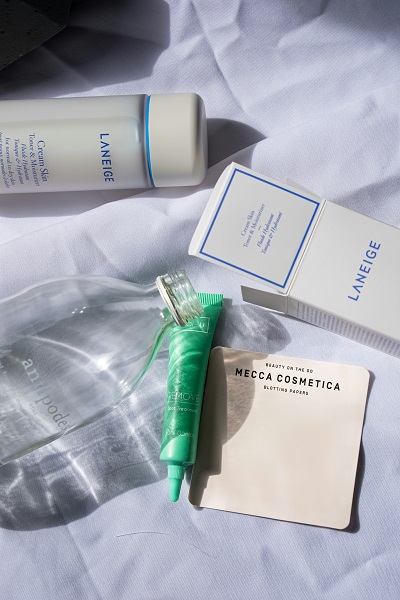
Finally, utilizing blotting papers throughout the day can be a game changer. These portable sheets allow you to absorb excessive oil without disturbing your carefully applied makeup. Simply press a sheet against areas that become shiny, and your complexion will look refreshed without needing a full touch-up.
Diet and Lifestyle Changes to Manage Oily Skin
The relationship between diet, lifestyle, and oily skin is significant. Certain foods can exacerbate oiliness, while others can help manage it. A diet high in refined carbohydrates, sugars, and dairy has been linked to increased oil production in the skin. Foods such as white bread, sugary snacks, and full-fat dairy products can trigger a spike in insulin levels, which may lead to excess sebum production. Instead, incorporating whole grains, fruits, and vegetables can promote better skin health. For instance, foods rich in omega-3 fatty acids, such as salmon and walnuts, may help regulate oil production and reduce inflammation.
Hydration is another critical factor. Drinking adequate amounts of water throughout the day helps to maintain skin elasticity and can reduce oiliness by preventing the skin from overproducing oil in response to dehydration. Aim for at least eight glasses of water daily, and consider herbal teas or infused waters to enhance flavor without excess sugar. Additionally, avoiding excessive consumption of caffeine and alcohol can positively impact skin health.
Regular exercise also plays a vital role in controlling oily skin. Physical activity improves circulation, which aids in the delivery of nutrients to the skin while speeding up the removal of toxins. Moreover, exercise can help to alleviate stress, a crucial factor since stress triggers the release of hormones like cortisol that can increase oil production. Techniques such as yoga, meditation, or even simple breathing exercises can effectively manage stress levels. By implementing these lifestyle changes, individuals may experience a noticeable improvement in their oily skin condition, resulting in a healthier complexion.