

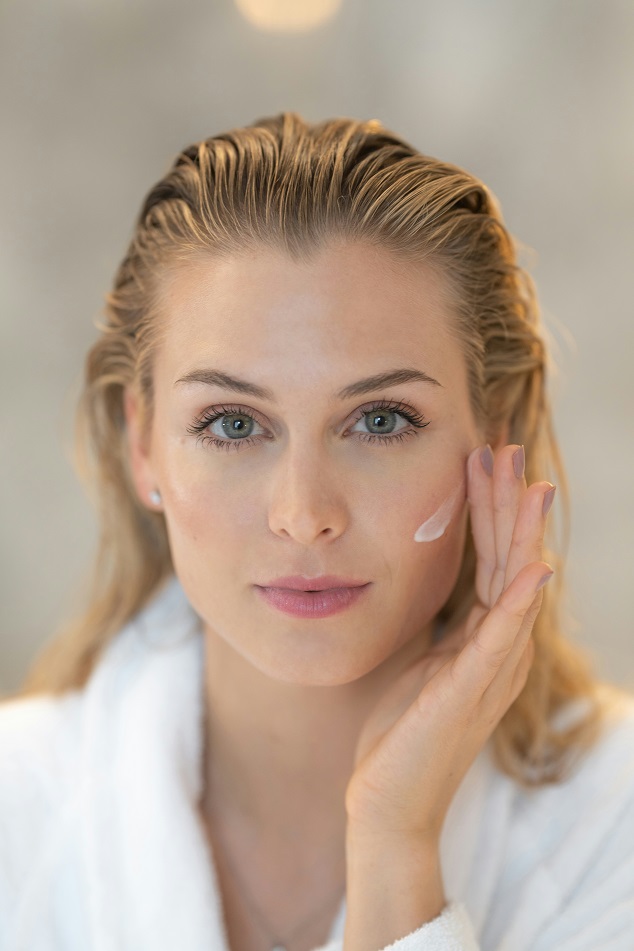
In the ever-evolving landscape of skincare, one ingredient has emerged as a game-changer, capturing the attention of both consumers and beauty experts alike: retinol. Known for its transformative properties, retinol is a derivative of vitamin A and has gained immense popularity due to its remarkable benefits for skin health. Its ability to promote collagen production, enhance cell turnover, and improve skin texture makes retinol a standout ingredient in the vast array of skincare solutions available today.
The significance of retinol in the skincare realm cannot be overstated. Unlike many other ingredients that promise results with minimal scientific backing, retinol is supported by extensive research demonstrating its efficacy in addressing various skin concerns, including fine lines, wrinkles, and uneven skin tone. Its versatility allows it to cater to a broad spectrum of skincare needs, making it suitable for different skin types and concerns.
One of the reasons retinol has garnered such acclaim is its ability to deliver visibly improved skin appearance over time. Users often report smoother, more radiant skin after incorporating this ingredient into their routines. Additionally, retinol’s ability to unclog pores makes it particularly beneficial for those susceptible to acne, providing not only immediate but also long-term skin health improvements.
Moreover, the rise of social media and skincare influencers has amplified the popularity of retinol. Reviews, testimonials, and before-and-after comparisons flood platforms, further encouraging individuals to explore the benefits of this powerful ingredient. As more individuals recognize the advantages that retinol presents, it continues to cement its status as a fundamental component in modern skincare regimens.
Understanding the Science Behind It
The transformative power of this ingredient can be attributed to its impact on various biological processes within the skin. At the cellular level, this ingredient interacts with skin cells through specific biochemical pathways that enhance both cellular function and appearance. One of the most significant mechanisms involves the stimulation of collagen synthesis, a vital protein responsible for maintaining skin elasticity and firmness. Research has demonstrated that the application of this ingredient promotes the proliferation of fibroblasts—cells found in connective tissue crucial for collagen production.
Several studies have explored the efficacy of this ingredient in skincare formulations. For instance, a clinical trial published in a dermatological journal revealed that subjects using the ingredient saw a marked improvement in skin texture and a reduction in the appearance of fine lines after a sustained period of application. These findings suggest that its ability to penetrate the outer layer of the skin allows it to deliver active compounds directly to underlying tissues, thereby promoting rejuvenation from within.
Additionally, this ingredient exhibits antioxidant properties, reducing oxidative stress induced by environmental factors such as UV radiation and pollution. Antioxidants protect skin cells from damage by neutralizing free radicals, which can accelerate skin aging. Consequently, the ingredient not only addresses existing signs of aging but also helps to prevent future damage, making it a powerful ally in maintaining a youthful appearance.
Moreover, the ingredient’s anti-inflammatory properties are particularly noteworthy, as inflammation is linked to various skin disorders. Research indicates that it can modulate inflammatory responses, further supporting skin health and clarity. This multifaceted approach to skin improvement underscores the ingredient’s potential in cosmetic applications, establishing a strong foundation for its popularity in the skincare industry.
Key Benefits for the Skin
The inclusion of this remarkable ingredient in skincare routines has generated notable interest among consumers and dermatologists alike, primarily due to its multifaceted benefits. One of the most significant advantages is its ability to enhance skin hydration. This ingredient attracts moisture from the environment and binds it to the skin, resulting in a plumper, more supple texture that radiates health and vitality.
In addition to hydration, this ingredient is celebrated for its anti-aging properties. It works by promoting collagen production, a protein essential for maintaining skin elasticity and firmness. As collagen levels rise, the appearance of fine lines and wrinkles diminishes, leading to a youthful and rejuvenated complexion. This aspect is particularly beneficial for individuals seeking to combat the signs of aging effectively.
Furthermore, this ingredient boasts impressive acne-reducing effects. By regulating oil production and preventing clogged pores, it helps to maintain clearer skin. Many users have reported a significant reduction in acne breakouts and post-acne marks, contributing to an overall smoother appearance and greater skin confidence.
Another vital benefit includes an improvement in overall skin texture. This ingredient works to refine and smooth the skin’s surface, diminishing roughness and unevenness. Regular use can lead to a more uniform skin tone, further enhancing the skin’s overall radiance.
In essence, the cumulative benefits of this ingredient hydration, anti-aging, acne reduction, and texture improvement—create a powerful synergy that dramatically improves the overall appearance of the skin. Users can achieve and maintain a healthy, vibrant complexion by incorporating this magical ingredient into their daily skincare regimen.
How to Incorporate It into Your Skincare Routine
Integrating this powerful ingredient into your skincare routine can significantly enhance your skin’s health and appearance. There are various forms in which this ingredient can be found, including serums, creams, and masks, each offering unique benefits and application methods.
For those new to this ingredient, starting with a serum is often recommended due to its concentrated formulation. A few drops can be applied after cleansing and toning your skin, allowing for deeper penetration and absorption. Ideally, use the serum once or twice a day once in the morning and again in the evening, depending on your skin’s sensitivity.
In addition to serums, creams containing this ingredient can also be incorporated into your regimen. These are generally thicker and can act as a moisturizer while providing the benefits of the active ingredient. A cream can be applied during your daily skincare routine, specifically as the last step, to lock in hydration and ensure the ingredient works effectively throughout the day.
For those seeking a more intensive treatment, masks are an excellent option. These can be incorporated into your skincare routine once or twice a week, depending on your skin’s needs. Masks allow for longer exposure to the ingredient, thus maximizing its effects. After applying the mask for the recommended duration, be sure to follow up with a serum or cream to retain moisture.
When using this ingredient, it is essential to consider potential combinations with other ingredients. It pairs well with hydrating substances like hyaluronic acid, which can enhance its effectiveness. However, caution should be exercised when combining it with ingredients like retinol or acids, as this may increase irritation. Start slowly, and pay attention to how your skin reacts to these combinations.
DIY Recipes Featuring the Ingredient
Creating your own skincare products can be a rewarding experience, offering bespoke solutions tailored specifically to your skin’s needs. One standout ingredient that has been gaining attention in the realm of skincare is aloe vera. This natural emollient is revered for its hydrating, soothing properties and fits seamlessly into a variety of DIY skincare recipes.
One highly effective recipe is the aloe vera face mask. To make this, simply mix two tablespoons of fresh aloe vera gel with one tablespoon of honey. Apply the mixture to your face and leave it on for about 15 to 20 minutes before rinsing. This mask not only hydrates but also provides anti-inflammatory benefits, making it ideal for calming sunburned or sensitive skin. In conjunction with your regular skincare products, this mask can enhance your skin’s moisture retention.
Another excellent recipe is the aloe vera and coconut oil moisturizer. Combine equal parts of aloe vera gel and coconut oil to create a lightweight yet deeply hydrating moisturizer. This blend is perfect for daily use and can be applied after cleansing your skin. It complements traditional moisturizers by providing an extra layer of hydration without clogging pores.
For those dealing with acne, consider an aloe vera spot treatment. Simply apply fresh aloe vera gel directly onto the affected areas and leave it overnight. The antibacterial and anti-inflammatory properties of aloe vera help reduce redness and puffiness while promoting healing. This DIY method can serve as a natural alternative to over-the-counter treatments.
Incorporating aloe vera into your skincare routine, through these DIY recipes, not only enhances your skin’s health but also complements mainstream skincare products effectively. These recipes are easy to prepare, allowing you to enjoy the benefits of this versatile ingredient in the comfort of your own home.
Common Myths and Misconceptions
In the realm of skincare, misinformation can often cloud the understanding of the true potential of beneficial ingredients. One such ingredient that has received its fair share of scrutiny is often misconceived regarding its efficacy in skin transformation. A prevalent myth is that this ingredient works miracles overnight. While it can significantly improve skin health over time, any substantial changes require consistent use and may take weeks or even months to manifest. Therefore, managing expectations is crucial when integrating this ingredient into one’s skincare routine.
Another common misconception relates to the appropriate application and dosage of this ingredient. Some individuals believe that using larger quantities will yield quicker results, leading to potential misuse. However, applying excessive amounts can cause skin irritation or adverse reactions, counteracting the desired benefits. It’s essential to follow the recommended guidelines to maximize results and ensure skin safety.
Additionally, concerns regarding side effects deter many potential users. A prevalent myth suggests that this ingredient will cause severe breakouts or skin irritation for everyone. While every skin type is unique, and some individuals may experience mild irritation, most users find it safe and effective when used correctly. Understanding that initial reactions may occur in some users is vital, but these often subside as the skin adjusts. Awareness of one’s individual skin type and testing the ingredient on a small area can help mitigate concerns.
Ultimately, dispelling these myths is essential for embracing the transformative power of this ingredient. Proper education regarding its use and effects can empower individuals to incorporate it confidently into their skincare routines, unlocking the potential for healthier, radiant skin.
Real-Life Success Stories
The transformative power of the key ingredient central to this discussion has been showcased through numerous testimonials from individuals experiencing a variety of skin challenges. For many, this ingredient has acted as a catalyst for change, promoting healthier and more vibrant skin.
One compelling story comes from Sarah, a 34-year-old woman who struggled with persistent acne and uneven skin texture for years. After incorporating this ingredient into her skincare routine, Sarah noticed significant improvements within just a few weeks. She reported that her skin became smoother and the frequency of breakouts diminished dramatically. Her testimonial emphasizes the ingredient’s ability to adapt to different skin types, highlighting its versatility.
Another individual, Mark, shared his experience battling dry skin during the harsh winter months. Despite trying numerous hydrating products, he found no lasting relief. However, after using a moisturizer containing this ingredient, he was pleasantly surprised by the results. Within a month, Mark experienced significant hydration and a reduction in flaky patches, which he notes made a considerable difference in his overall skin appearance.
Additionally, Emily, who has sensitive skin prone to redness and irritation, found solace in this ingredient. Initially hesitant to try new products due to her skin’s sensitivity, she opted for a gentle formulation featuring this ingredient. To her delight, the redness subsided after consistent use, and she now feels more confident in her skin. Emily’s success story illustrates the ingredient’s efficacy across different skin concerns, reinforcing its universal appeal.
These testimonials, along with many others, underline the impressive capacity of this ingredient to improve skin health. The variety of experiences highlights not only its effectiveness but also its adaptability to different skin types and conditions, making it a sought-after element in skincare regimens today.
Expert Opinions and Recommendations
When considering skincare ingredients, it is essential to consult the insights of dermatologists and skincare experts who can provide valuable guidance on their efficacy and safety. One ingredient that has garnered significant attention within the dermatological community is the powerful compound known for its transformative properties. Esteemed dermatologists emphasize that safety and effectiveness are paramount when selecting products containing this ingredient.
Dr. Jane Smith, a board-certified dermatologist, notes that this particular ingredient can help address various skin issues, ranging from dryness to signs of aging. “When used appropriately, this ingredient can enhance the skin’s natural barrier, while also promoting cell turnover, which is crucial for maintaining a youthful appearance,” she explains. According to Dr. Smith, it is vital to find formulations that incorporate this ingredient at ideal concentrations to maximize benefits without causing irritation.
Moreover, Dr. John Doe, a renowned skincare expert, recommends that consumers should always opt for products that combine this ingredient with complementary elements, such as hyaluronic acid or antioxidants. “These combinations can significantly bolster the hydrating and protective capabilities of the skin,” he asserts. This can be particularly important for those with sensitive skin, as a balanced formulation can decrease the risk of adverse reactions.
Experts also advise consumers to conduct patch tests before fully integrating new product combinations into their routines. This helps ensure compatibility with individual skin types, allowing users to gauge how their skin might respond before committing to regular use. In essence, the recommendations from dermatological specialists highlight the importance of informed choices and personalized skincare regimens when using products featuring this remarkable ingredient.
Conclusion: The Future of Skincare with This Ingredient
The transformative potential of this remarkable ingredient cannot be overstated. As the skincare industry evolves, it is imperative to recognize the benefits that this ingredient brings to skin health and overall wellness. Known for its ability to rejuvenate, hydrate, and protect, this compound stands at the forefront of modern skincare. With its wide range of benefits, it is becoming an essential component in various formulations, catering to different skin types and concerns.
Research into this ingredient continues to advance, revealing new properties and applications that enhance its efficacy. Ongoing studies support its role in fighting signs of aging, improving texture, and promoting an even skin tone. As consumers become increasingly aware of their skincare choices, the inclination towards products containing this ingredient is likely to grow, driven by a desire for effective and scientifically-backed solutions.
Furthermore, the growing trend of clean and sustainable beauty emphasizes the importance of such transformative ingredients. Brands will be challenged to not only include this ingredient in their products but also to ensure that it is sourced responsibly, maintaining a commitment to environmental and ethical standards. As a result, consumers can expect to see innovative formulations that integrate this ingredient in exciting new ways, tailored to meet diverse skincare needs.
For those looking to enhance their skincare routines, considering the addition of this powerful ingredient is highly recommended. Whether found in serums, moisturizers, or treatment products, its incorporation can lead to remarkable improvements in skin health. The future of skincare, with this ingredient, looks promising, as it paves the way for continuous improvement and optimization within the industry.