
Updating your wardrobe does not have to involve expensive shopping trips, following every fashion trend, or replacing all your existing clothes. Sometimes, a few thoughtful changes can make your outfits feel fresh, comfortable, and more suitable for your everyday lifestyle. Learning how to update your wardrobe helps you organize your clothing, discover new outfit combinations, and make better decisions about what you actually need.
Whether your style preferences have changed, your clothes no longer suit your daily routine, or you simply want to try something different, refreshing your wardrobe can be an enjoyable experience. The key is to start with what you already own and gradually introduce practical improvements. This guide explores easy wardrobe update ideas, clothing organization tips, affordable shopping strategies, and simple ways to develop a versatile personal style.
Why Updating Your Wardrobe Is Worth Considering
Your wardrobe plays an important role in everyday life because clothing should support your activities, comfort, and personal preferences. Over time, your schedule, interests, and style choices may change, making certain items less useful than before. Refreshing your clothing collection allows you to create outfits that better reflect your current lifestyle without unnecessarily replacing everything you own.
A wardrobe update can also make getting dressed easier and more enjoyable. When your clothes are organized and coordinate well, you spend less time searching for suitable combinations. Keeping practical items accessible helps simplify daily decisions, whether you are preparing for school, work, social gatherings, travel, or relaxing activities.
Updating your wardrobe can also encourage more thoughtful shopping habits. Instead of buying clothes simply because they are fashionable, you can focus on pieces that complement your existing collection. This approach supports better organization, reduces unnecessary purchases, and helps you build a clothing selection that remains useful across different occasions and seasons.
Start by Reviewing Your Current Wardrobe
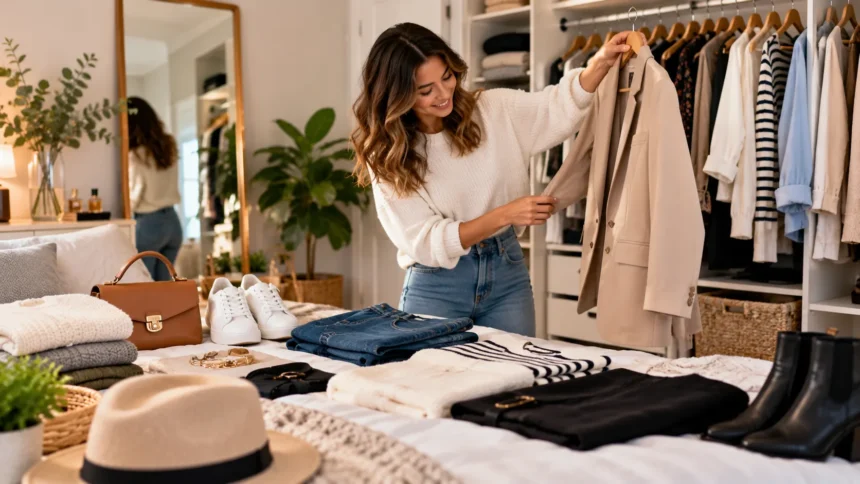
Before purchasing new clothes, take time to explore what you already have in your wardrobe. Look through shirts, trousers, jeans, jackets, dresses, shoes, and accessories to understand your existing collection. You may discover forgotten pieces that still suit your preferences or identify items you regularly choose because they feel comfortable and practical.
Organizing clothes into broad categories can make the review process more manageable. Group everyday essentials, formal clothing, seasonal items, and accessories separately so you can see what is available. Notice whether certain pieces work well together and which clothing categories would benefit from additional variety or improved organization.
The purpose of reviewing your wardrobe is not to criticize your appearance or create pressure to change your style. Instead, focus on comfort, usefulness, personal expression, and the activities you enjoy. Understanding your existing clothing habits helps you make thoughtful decisions about what to keep, repair, reorganize, or eventually replace.
Declutter Your Closet Without Getting Rid of Everything
Decluttering is a practical first step when learning how to update your wardrobe. A crowded closet can make it difficult to find clothes and create outfit combinations. Removing unnecessary clutter improves visibility and helps you appreciate pieces that might otherwise remain hidden behind rarely used clothing or poorly organized storage.
Start by identifying items that are damaged beyond reasonable repair, no longer comfortable, or unsuitable for your current activities. Clothes that remain useful but are rarely worn can be stored for another season or reconsidered later. There is no need to discard clothing simply because it is older or no longer appears in current fashion trends.
Consider donating, exchanging, repairing, or repurposing clothing when appropriate. Keeping a smaller number of useful, comfortable items may simplify organization, but there is no ideal wardrobe size everyone must follow. The goal is to create a collection that works for your needs rather than achieving an arbitrary number of clothes.
Discover Your Personal Clothing Style
Developing your personal style can make wardrobe updates more meaningful and enjoyable. Personal style reflects the clothing colors, designs, materials, and combinations that you genuinely prefer. Instead of copying an entire fashion trend, consider which outfits help you feel comfortable and express your personality during different activities.
You can gather inspiration from fashion magazines, outfit photographs, store displays, and everyday street style. Notice recurring details such as relaxed silhouettes, classic patterns, colorful accessories, or simple clothing combinations. Creating a small inspiration collection can help you recognize preferences without feeling obligated to purchase everything you admire.
Your personal style does not need to fit into one specific category. You may enjoy casual clothing during the week, classic pieces for formal occasions, and colorful outfits for social gatherings. Allowing your preferences to change naturally makes fashion more flexible and helps you build a wardrobe suited to different situations.
Build a Wardrobe Around Versatile Basics
Versatile clothing basics provide a useful foundation for creating multiple outfits from a manageable collection. Simple T-shirts, comfortable jeans, neutral trousers, lightweight sweaters, and practical outerwear can work across different occasions. Choosing pieces that coordinate with several existing items makes everyday outfit planning easier and reduces the need for frequent purchases.
The most useful wardrobe basics depend on your climate, lifestyle, cultural preferences, and daily activities. Someone who spends considerable time outdoors may prioritize durable clothing, while another person may need more formal pieces. Consider which items you wear regularly before deciding what deserves space in your wardrobe.
Quality and comfort are more important than following a universal list of fashion essentials. A basic item is valuable when it suits your personal needs and works with other clothes you own. Building around genuinely useful pieces helps create practical outfit combinations while leaving room for creativity and individual preferences.
Choose Clothing Colors That Work Together
Creating a coordinated color palette can simplify wardrobe updates and help you build more outfits from existing clothes. Neutral shades such as black, white, navy, gray, and beige often combine easily with different colors. However, you can also build a versatile wardrobe around brighter shades or distinctive combinations that reflect your preferences.
Begin by identifying colors you enjoy wearing and already own in several clothing items. Look for combinations that work naturally together, such as navy with cream or olive with beige. Introducing complementary colors through shirts, jackets, shoes, and accessories can create variety without requiring a completely new clothing collection.
There is no need to restrict yourself to a limited palette if you enjoy experimenting with color. Patterns, contrasting shades, and unexpected combinations can make everyday outfits more interesting. The most practical approach is to keep enough coordination between items while allowing freedom to express your individual clothing style.
Update Old Outfits With Different Combinations
One of the easiest ways to refresh your wardrobe is to create new outfits using clothes you already own. A shirt that you usually wear with jeans might look completely different when paired with tailored trousers or a skirt. Experimenting with combinations can reveal possibilities that are easy to overlook during everyday routines.
Try combining casual and formal pieces to create balanced outfits suitable for different occasions. A simple T-shirt can be worn beneath an open button-down shirt, while a familiar dress may work with a cardigan or jacket. Layering and changing accessories can introduce variety without purchasing additional clothing.
Taking photographs of combinations you enjoy can make future outfit planning easier. These images can serve as a personal reference when you are deciding what to wear. Over time, you may discover that your wardrobe already contains many useful outfits and needs only a few carefully selected updates.
Refresh Your Wardrobe With Affordable Accessories
Accessories can change the appearance of an outfit without requiring major clothing purchases. Scarves, belts, bags, watches, hats, and simple jewelry can introduce color, texture, or a different style. These smaller details offer an affordable way to experiment with fashion while continuing to wear familiar clothing.
When selecting accessories, consider how they coordinate with your existing wardrobe. A practical everyday bag, versatile belt, or comfortable scarf may complement several outfits. Choosing accessories based on genuine usefulness helps avoid collecting items that look interesting but rarely become part of your daily routine.
Accessories also allow you to adapt clothing for different settings. A casual outfit may feel more polished with a structured bag, while colorful accessories can make simple clothing combinations more playful. Experimenting with these details helps you express creativity without changing the main pieces in your wardrobe.
Add Layers to Create More Outfit Options
Layering is a practical styling technique that can make existing clothing more versatile throughout the year. Cardigans, overshirts, lightweight jackets, and sweaters can be combined with different basics to create new looks. Layers also provide flexibility when temperatures change between indoor and outdoor environments during the day.
Start with comfortable combinations that suit your local climate and planned activities. A lightweight shirt beneath a cardigan may work for cooler mornings, while an open overshirt can add variety to a casual outfit. Choosing breathable materials and practical combinations helps maintain comfort without unnecessarily complicating your clothing choices.
Different lengths, fabrics, and colors can create interesting combinations when used thoughtfully. For example, a patterned shirt may work beneath a plain jacket, while a neutral sweater can coordinate with several trousers. Layering allows you to explore new styling ideas without relying on expensive seasonal wardrobe replacements.
Update Your Wardrobe on a Small Budget
A wardrobe refresh does not require spending large amounts of money. Setting a realistic shopping budget helps you prioritize useful clothing rather than making impulsive purchases. Start by identifying any genuine gaps in your current collection and deciding which items would offer the greatest practical value.
Secondhand stores, clothing exchanges, seasonal discounts, and carefully selected affordable brands can provide cost-conscious shopping opportunities. Buying fewer items that suit your activities may be more useful than purchasing numerous pieces simply because they are inexpensive. Always consider comfort, fabric quality, and how well a potential purchase coordinates with your existing clothes.
You can also update your wardrobe without shopping by repairing clothes, experimenting with combinations, and improving organization. Small adjustments such as replacing missing buttons or properly caring for favorite items can extend their usefulness. These habits make wardrobe updates more accessible while encouraging thoughtful decisions about future purchases.
Invest in Clothing Quality Rather Than Quantity
Clothing quality influences comfort, maintenance, and how well garments withstand repeated use. Durable stitching, appropriate fabric construction, and reliable fasteners can contribute to longer-lasting items. Paying attention to these details helps you evaluate clothing beyond its appearance or the brand name displayed on the label.
Quality does not always mean purchasing expensive designer clothing. Affordable garments can offer good value when they are well constructed and suitable for their intended use. Examine seams, buttons, fabric texture, and care requirements when comparing options, particularly for items you expect to wear frequently.
The most practical purchases balance price, comfort, durability, and personal preferences. A garment that works with several existing outfits may offer better value than an expensive piece reserved for rare occasions. Thoughtful shopping supports a functional wardrobe without creating unnecessary financial pressure or encouraging excessive consumption.
Choose Comfortable Clothing for Everyday Activities
Comfort should remain an important consideration when updating your wardrobe. Clothing that allows comfortable movement and suits your daily activities is more likely to become part of your regular rotation. Consider fabric texture, temperature, ease of movement, and personal preferences when selecting different styles.
Different environments may require different clothing features. Breathable materials can be useful in warmer climates, while insulating layers help provide comfort during colder weather. For activities involving extended walking or movement, practical footwear and flexible clothing may be especially valuable.
There is no reason to sacrifice comfort simply to follow a fashion trend. Personal style works best when clothing supports your needs and allows you to participate confidently in everyday life. Selecting comfortable pieces helps create a wardrobe that feels enjoyable to wear rather than difficult to maintain.
Update Your Seasonal Wardrobe With Simple Changes
Seasonal wardrobe updates help ensure that your clothing remains suitable for changing weather conditions. Instead of replacing your entire collection, review which items can transition between seasons. Lightweight layers, comfortable trousers, and versatile shirts may remain useful throughout much of the year depending on your local climate.
During warmer months, breathable fabrics and lighter layers can help maintain comfort. Cooler weather may require sweaters, jackets, scarves, and practical footwear that provide additional protection. Reviewing seasonal needs in advance can help you identify missing essentials without rushing into unnecessary purchases.
Store out-of-season clothing in clean, dry conditions to maintain its quality. Fold suitable garments carefully and protect delicate materials according to their care instructions. When the season changes again, you can review stored items and decide which pieces remain useful, reducing the need to shop for replacements every year.
Organize Your Wardrobe for Easy Outfit Planning
An organized wardrobe makes getting dressed more convenient and helps you use the clothing you already own. Grouping items by type, activity, or season can simplify everyday decisions. Keeping frequently worn clothes within easy reach also reduces unnecessary searching and prevents useful pieces from becoming forgotten.
Consider using drawer organizers, storage boxes, hangers, and shelves to separate different clothing categories. Accessories can be stored together, while seasonal items may be placed in less frequently used spaces. Choose an organization system that fits your available storage rather than purchasing unnecessary containers or furniture.
Regularly returning clothes to their designated places helps maintain organization over time. Even a simple system can make a meaningful difference when it reflects your everyday habits. A well-arranged wardrobe also makes it easier to identify gaps, coordinate outfits, and avoid buying duplicates of items you already own.
Repair and Restyle Clothes You Already Own
Repairing existing garments is an effective way to refresh your wardrobe while reducing unnecessary spending. Missing buttons, loose seams, and minor damage can sometimes be fixed without replacing the entire item. Basic clothing maintenance helps extend garment life and allows you to continue wearing pieces that remain comfortable and useful.
Restyling offers another opportunity to make familiar clothing feel different. You might pair an older shirt with new accessories, experiment with layering, or alter how an outfit is coordinated. When professional alterations are appropriate, a skilled tailor can also help adjust garments for comfort and practical use.
Not every piece of clothing needs modification to remain valuable. Sometimes washing, ironing, or storing garments correctly can restore their appearance. Focusing on simple maintenance and creative styling helps you appreciate your existing collection while developing more resourceful wardrobe habits.
Try a Capsule Wardrobe for Simpler Dressing
A capsule wardrobe is a collection of versatile clothing pieces selected to coordinate with one another. The concept focuses on practical combinations rather than owning a specific number of garments. It can appeal to people who prefer straightforward outfit planning and want to reduce unnecessary shopping decisions.
To explore this approach, begin with clothing you wear regularly and enjoy combining. Choose suitable basics, layering pieces, and accessories that work across different activities. There is no requirement to eliminate colorful clothing, formal outfits, or special-occasion items if they remain important to your personal style.
A capsule wardrobe should remain flexible enough to support changes in weather, lifestyle, and preferences. Some people enjoy maintaining a smaller collection, while others prefer more variety. The most useful version is one that makes getting dressed easier without creating pressure to follow strict rules about clothing ownership.
Avoid Common Wardrobe Updating Mistakes
One common wardrobe mistake is purchasing new clothing before reviewing what you already own. This can lead to unnecessary duplicates and items that do not coordinate with your existing collection. Taking time to evaluate your wardrobe first helps you recognize genuine needs and make more intentional shopping decisions.
Another mistake is following every fashion trend without considering personal comfort or daily activities. Trend-focused purchases may become less useful when preferences change or certain styles no longer fit your routine. Choosing clothing you genuinely enjoy wearing allows you to experiment with fashion without relying entirely on temporary trends.
It is also helpful to avoid replacing useful garments simply because they are older. Well-maintained clothing can remain practical and enjoyable for many years. A successful wardrobe update focuses on improving organization, versatility, comfort, and personal expression rather than continuously purchasing new items.
Create a Wardrobe That Reflects Your Lifestyle
Your wardrobe should support the activities and situations that make up your everyday routine. Consider how much time you spend studying, working, traveling, exercising, or attending social gatherings. These activities influence which clothing categories deserve the most attention when you decide to refresh your collection.
Someone with a relaxed daily schedule may prioritize comfortable casual clothing, while another person may need practical professional outfits. Seasonal conditions, cultural preferences, and personal interests also shape clothing choices. Understanding these factors helps you select garments that serve a purpose instead of relying on generic lists of fashion essentials.
A lifestyle-focused wardrobe can still include creative or special-occasion pieces that you simply enjoy wearing. Practicality does not mean every garment must serve multiple functions or follow a neutral color scheme. The goal is to create a balanced collection that supports your routine while leaving room for individual expression.
Make a Simple Wardrobe Update Plan
Creating a basic wardrobe update plan can help you make steady improvements without feeling overwhelmed. Begin by reviewing your clothes, organizing useful items, and identifying what you genuinely need. Focus on a few practical changes rather than attempting to transform your entire collection during one shopping trip.
You might start by reorganizing drawers, repairing favorite garments, and experimenting with new outfit combinations. Once you understand your existing collection, consider whether additional basics or accessories would improve its versatility. Setting a reasonable budget and prioritizing useful purchases can make the process more manageable.
Review your wardrobe occasionally as your activities, preferences, or seasonal needs change. Small adjustments are often enough to maintain a collection that feels comfortable and relevant. A flexible plan encourages thoughtful clothing choices while allowing your personal style to develop naturally over time.
Conclusion
Learning how to update your wardrobe is about making practical improvements that reflect your lifestyle, comfort, and personal preferences. Reviewing existing clothes, improving organization, experimenting with outfit combinations, and choosing versatile pieces can make a noticeable difference. A successful wardrobe refresh does not require expensive purchases or following every changing fashion trend.
Thoughtful clothing decisions can also help reduce unnecessary spending and make everyday dressing more convenient. Repairing garments, using accessories creatively, and selecting quality pieces that coordinate with your wardrobe are useful strategies. The best approach is one that supports your needs while allowing enough flexibility for changing seasons and occasions.
Whether you want a simpler clothing collection or enjoy experimenting with different styles, wardrobe updates can be gradual and enjoyable. Start with what you already own, make changes when they provide genuine value, and choose clothing that feels comfortable and practical. With thoughtful planning, you can create a versatile wardrobe that reflects your personality and works for your everyday life.
Frequently Asked Questions (FAQs)
How can I update my wardrobe without spending much money?
Start by organizing your current clothes, creating new outfit combinations, and repairing useful items. Affordable accessories, clothing exchanges, and carefully selected secondhand purchases can also refresh your wardrobe without major expenses.
What clothes should I buy first when updating my wardrobe?
Prioritize clothing that fills genuine gaps in your existing collection. Versatile shirts, comfortable trousers, suitable outerwear, and practical footwear may be useful depending on your lifestyle, climate, and personal preferences.
How often should I update my wardrobe?
There is no fixed schedule for updating your wardrobe. Review your clothing when seasons, activities, or preferences change, and replace items when they no longer meet your needs or cannot be reasonably repaired.
How do I make old clothes look stylish again?
Experiment with different combinations, layering, coordinated accessories, and suitable footwear. Proper cleaning, simple repairs, and thoughtful organization can also help familiar clothing feel fresh and enjoyable to wear.
What is the easiest way to create a versatile wardrobe?
Choose comfortable clothes that coordinate with several existing pieces and suit your regular activities. A flexible mix of basics, layering items, and personal favorites can simplify outfit planning without limiting individual style.