
Finding your personal style is about discovering what makes you feel comfortable, confident, and authentic. Fashion trends change every season, but your personal style reflects your preferences, lifestyle, and personality. Whether you love casual outfits, minimalist fashion, or creative clothing combinations, understanding your style makes everyday dressing easier and more enjoyable.
Learning how to find your style does not require an expensive wardrobe or professional fashion knowledge. Small steps, such as exploring outfit inspiration, understanding your favorite colors, and experimenting with different clothing combinations, can help you develop a look that feels natural. The goal is to express yourself rather than follow every popular trend.
This guide explains how to discover your personal style through practical tips, easy examples, and thoughtful wardrobe choices. You will learn how to identify your fashion preferences, build versatile outfits, and develop a signature look that reflects who you are.
What Does It Mean to Find Your Personal Style?
Personal style is the unique way you express your personality, interests, and preferences through clothing and accessories. It includes the colors you enjoy, the outfits you choose, and the overall appearance you naturally gravitate toward. Unlike temporary fashion trends, personal style develops through individual experiences, creative choices, and changing interests over time.
Finding your style means understanding which clothing choices feel comfortable and suitable for your everyday activities. Some people prefer relaxed jeans and basic shirts, while others enjoy tailored clothing, colorful patterns, or vintage-inspired outfits. There is no universal formula because personal fashion preferences depend on individual taste rather than strict fashion rules or expectations.
A well-developed personal style also makes getting dressed more convenient because you understand which clothing combinations you enjoy wearing. Instead of purchasing random fashionable items, you can choose pieces that complement your existing wardrobe. This approach encourages thoughtful shopping, reduces unnecessary purchases, and helps create outfits that feel consistent with your personality.
How to Find Your Style by Understanding Your Personality
Your personality can provide useful clues about the fashion choices that naturally appeal to you. Someone who enjoys simplicity may appreciate minimalist outfits featuring neutral colors and uncomplicated designs. Meanwhile, a creative person might enjoy colorful accessories, interesting textures, or unexpected clothing combinations that communicate individuality through everyday fashion.
Start by thinking about how you want your clothing to represent your interests and preferences. Consider whether you enjoy relaxed outfits, sophisticated combinations, sporty clothing, or expressive fashion statements. You do not need to select one category immediately because your style can combine several influences that reflect different aspects of your personality.
For example, someone who enjoys outdoor activities may prefer comfortable sneakers, practical jackets, and breathable fabrics. Another person who appreciates classic fashion might choose structured shirts, simple trousers, and timeless accessories. These preferences can overlap, and experimenting with different combinations allows you to develop a personal wardrobe that reflects your lifestyle.
Explore Different Fashion Styles for Inspiration
Exploring different fashion aesthetics is one of the easiest ways to understand your clothing preferences. Popular styles include minimalist, casual, classic, streetwear, bohemian, vintage, and sporty fashion. Each aesthetic offers different combinations of fabrics, colors, accessories, and outfit structures that can inspire your personal clothing choices without requiring you to follow every detail.
For example, minimalist fashion often features simple clothing, neutral shades, and versatile wardrobe essentials. Streetwear commonly combines relaxed silhouettes, sneakers, graphic clothing, and contemporary accessories. Bohemian fashion frequently includes flowing garments, natural textures, and expressive patterns, while classic fashion focuses on timeless pieces that remain useful across different seasons.
You can discover these styles through fashion magazines, online lookbooks, clothing stores, and everyday street fashion. Pay attention to the details that consistently attract your attention rather than copying complete outfits. Combining elements from several aesthetics can create an original wardrobe that feels more personal than following a single fashion category.
Create a Personal Style Inspiration Board
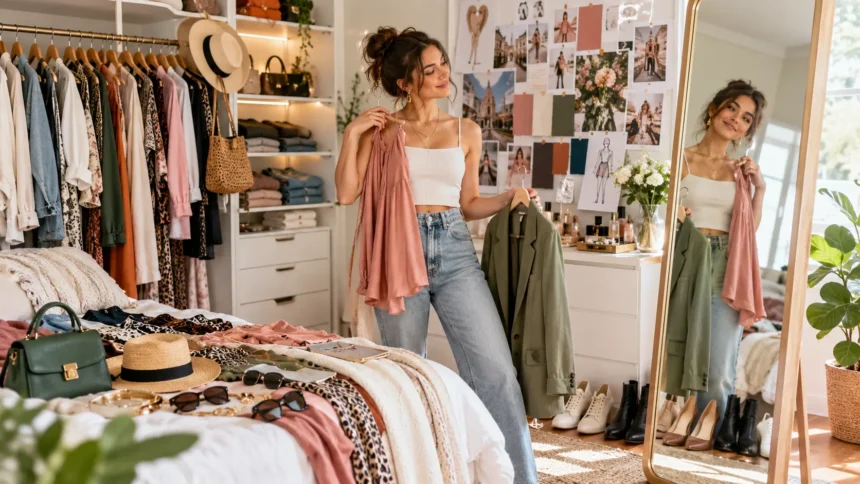
A personal style inspiration board helps you recognize patterns in the clothing and outfits you admire. You can collect pictures from Pinterest, fashion blogs, digital magazines, or clothing catalogs and organize them in one place. Include outfits that interest you because of their colors, textures, layering techniques, or overall atmosphere rather than their popularity.
After collecting several examples, examine the images to identify recurring fashion elements. You might notice repeated combinations of denim, oversized sweaters, neutral trousers, or colorful accessories. These patterns provide valuable clues about your preferred clothing aesthetic and help distinguish styles you genuinely enjoy from temporary trends that simply appear attractive online.
For example, an inspiration board featuring white shirts, straight-leg jeans, comfortable sneakers, and simple accessories may suggest an interest in effortless casual fashion. A collection of patterned skirts, textured jackets, and vintage accessories may indicate more eclectic preferences. Use these observations as creative guidance rather than strict rules for building your wardrobe.
Review Your Current Wardrobe Before Shopping
Your existing wardrobe contains useful information about your personal style because it reflects clothing you have already chosen. Begin by reviewing the items you regularly wear and identifying what makes them enjoyable. Consider their comfort, fabric, color, versatility, and suitability for your daily routine to understand which features matter most to you.
Next, examine clothing that rarely gets worn and think about the reasons behind those choices. Perhaps certain pieces do not match your current interests, are uncomfortable, or are difficult to combine with other garments. Understanding these patterns helps you make future clothing decisions without automatically assuming that every unworn item needs to be replaced.
Try creating several outfits using only clothing you already own before purchasing anything new. A basic shirt might work with jeans, a cardigan, or a casual jacket depending on the occasion. Experimenting with familiar pieces can reveal overlooked combinations while encouraging creativity, reducing unnecessary spending, and making better use of your existing wardrobe.
Choose Colors That Reflect Your Personal Style
Color plays an important role in developing a recognizable personal style because it influences the overall mood of an outfit. Some people enjoy soft neutral shades, while others prefer energetic colors or contrasting combinations. Exploring different palettes helps you identify which colors you enjoy wearing and how they work together in everyday clothing.
Begin with a few versatile colors that can serve as the foundation of your wardrobe. Black, white, beige, navy, brown, and gray are common options because they combine easily with many other shades. However, there is no requirement to choose neutrals, and colorful clothing can be equally practical when you develop combinations that suit your preferences.
For example, a neutral outfit featuring beige trousers and a white shirt can become more expressive with a green jacket or colorful scarf. Alternatively, combining different shades of blue creates a coordinated monochromatic look. Experiment with colors in natural lighting and focus on combinations you personally enjoy rather than following rigid color rules.
Understand Clothing Fit, Comfort, and Silhouettes
Understanding clothing silhouettes can help you create outfits that match your practical needs and fashion preferences. A silhouette describes the overall shape created by an outfit, such as relaxed, structured, flowing, or layered. Different silhouettes can communicate different moods, and exploring them allows you to discover clothing combinations that feel comfortable and authentic.
For example, relaxed jeans paired with a loose sweater create an easygoing casual outfit, while straight-leg trousers and a structured jacket offer a more polished appearance. Neither option is inherently better because clothing choices depend on the occasion and individual preferences. Experimenting with layering, garment lengths, and fabric textures can introduce variety into familiar looks.
Comfort is equally important when developing your personal style because clothing should support your daily activities. Consider how fabrics feel, whether garments allow comfortable movement, and how practical they are for different environments. Clothing that works with your routine is more likely to become a dependable part of your wardrobe over time.
Build a Versatile Wardrobe Around Your Lifestyle
Your lifestyle should influence your wardrobe because practical clothing choices make personal style easier to maintain. Think about the activities you regularly participate in, such as studying, working, traveling, exercising, or attending social events. Understanding these requirements helps you choose clothing that balances personal expression with comfort and everyday functionality.
For example, someone with a busy schedule may appreciate comfortable trousers, casual shirts, lightweight jackets, and dependable footwear. A person who frequently attends formal gatherings might prefer versatile blazers, coordinated separates, and simple accessories. Building a wardrobe around your actual activities prevents unnecessary purchases and ensures that your clothing remains useful throughout the week.
Consider creating a small collection of versatile wardrobe essentials that can be styled in multiple ways. These might include comfortable jeans, plain shirts, practical outerwear, and a few favorite accessories. The exact items will vary according to your preferences, but choosing flexible pieces makes outfit planning more convenient and encourages creative clothing combinations.
Experiment With Accessories to Create a Signature Look
Accessories can help define your personal style without requiring major changes to your wardrobe. Items such as scarves, watches, bags, belts, hats, and jewelry introduce additional textures, colors, and visual details. Even a familiar outfit can feel different when combined with accessories that reflect your individual taste and preferred fashion aesthetic.
Start by experimenting with one or two accessories instead of changing every detail at once. For example, a plain shirt and jeans can become a more expressive outfit with a patterned scarf or colorful bag. A simple watch or understated jewelry can also add a distinctive element while keeping the overall clothing combination uncomplicated.
Over time, certain accessories may become recognizable parts of your signature style. Perhaps you enjoy colorful socks, vintage-inspired bags, or simple necklaces that work with several outfits. There is no need to wear the same accessories every day, but repeating favorite details can create a sense of personal identity and consistency.
Find Your Style Without Spending Too Much Money
Developing your personal style does not require buying expensive designer clothing or constantly updating your wardrobe. Many appealing outfits can be created using affordable basics, existing garments, and thoughtful accessories. The most useful purchases are often pieces that match your preferences, work with other clothing, and remain practical for your daily activities.
Before buying something new, consider whether it complements several items you already own. For example, a versatile jacket that works with different trousers and shirts may offer more opportunities than a trendy item you rarely wear. Planning purchases around actual wardrobe needs helps reduce impulse shopping and encourages more intentional fashion decisions.
You can also explore secondhand clothing, clothing swaps, alterations, and simple outfit restyling techniques. These approaches may introduce interesting textures, unique pieces, and creative combinations without requiring large purchases. Building your wardrobe gradually allows you to understand your preferences more clearly while making choices that suit your available budget.
Develop Your Signature Style Through Everyday Experimentation
Discovering your signature style is a gradual process that becomes easier through regular experimentation. Instead of waiting for a complete wardrobe transformation, try changing small details in your everyday outfits. Experiment with layering, accessories, color combinations, or different footwear to understand which choices feel enjoyable and practical for your routine.
One useful technique is creating several outfit combinations around a favorite clothing item. For example, a denim jacket can be styled with casual trousers, a simple dress, or coordinated separates for different occasions. Trying multiple combinations helps you recognize the versatility of individual garments while encouraging creative thinking about personal fashion.
You can also take outfit photos for personal reference and review them when planning future clothing combinations. Notice which outfits you enjoyed wearing and whether they worked well for your activities. Over time, these observations can reveal recurring preferences that form the foundation of a recognizable personal fashion identity.
Avoid Common Mistakes When Finding Your Style
One common mistake is believing that personal style requires copying popular influencers or following every fashion trend. While inspiration can be useful, someone else’s wardrobe may not match your preferences or daily routine. Focus on the clothing details you genuinely appreciate and adapt them in ways that feel appropriate for your own lifestyle.
Another mistake is purchasing too many new items before understanding what you already enjoy wearing. This can create a wardrobe filled with pieces that are difficult to combine or rarely used. Start with familiar clothing, identify practical gaps, and introduce new items gradually so each purchase serves a clear purpose.
Finally, avoid treating personal style as something that must remain unchanged forever. Your interests, activities, and preferences may evolve as you explore new experiences. Allowing your wardrobe to change naturally keeps fashion enjoyable and prevents unnecessary pressure to maintain a particular aesthetic that no longer reflects your personality.
Conclusion
Learning how to find your style begins with understanding your personality, exploring fashion inspiration, and paying attention to the clothing you genuinely enjoy wearing. By reviewing your wardrobe, experimenting with colors, and discovering comfortable silhouettes, you can gradually develop a personal fashion identity that feels natural and practical.
You do not need a large budget, expensive brands, or a completely new wardrobe to create meaningful outfits. Simple clothing combinations, versatile essentials, and thoughtfully chosen accessories can help you build a recognizable style. Taking small steps also gives you the freedom to experiment without feeling pressured to follow every fashion trend.
Most importantly, remember that personal style is an ongoing journey rather than a fixed destination. Your clothing preferences can evolve alongside your interests, lifestyle, and experiences. Stay curious, try new combinations, and focus on expressing yourself in ways that make everyday dressing comfortable, creative, and enjoyable.
Frequently Asked Questions (FAQs)
How do I find my personal style as a beginner?
Start by exploring fashion inspiration, reviewing your current wardrobe, and identifying clothing you enjoy wearing. Experiment with colors, accessories, and outfit combinations to discover your preferences gradually.
How long does it take to find your personal style?
There is no fixed timeline for discovering personal style. Some people identify their preferences quickly, while others explore different aesthetics over time as their interests and lifestyles naturally evolve.
Can I have more than one fashion style?
Yes, personal style can combine several fashion aesthetics. You might enjoy minimalist outfits for everyday activities, streetwear for casual occasions, and classic clothing for formal events without following one category exclusively.
How can I find my style without buying new clothes?
Begin by combining existing wardrobe pieces in different ways. Experiment with layering, accessories, and color combinations to create fresh outfits while identifying the clothing choices you enjoy most.
What is the difference between fashion and personal style?
Fashion refers to clothing trends, designs, and styles popular during particular periods. Personal style describes how individuals select and combine clothing to express their preferences, personality, and everyday lifestyle.