
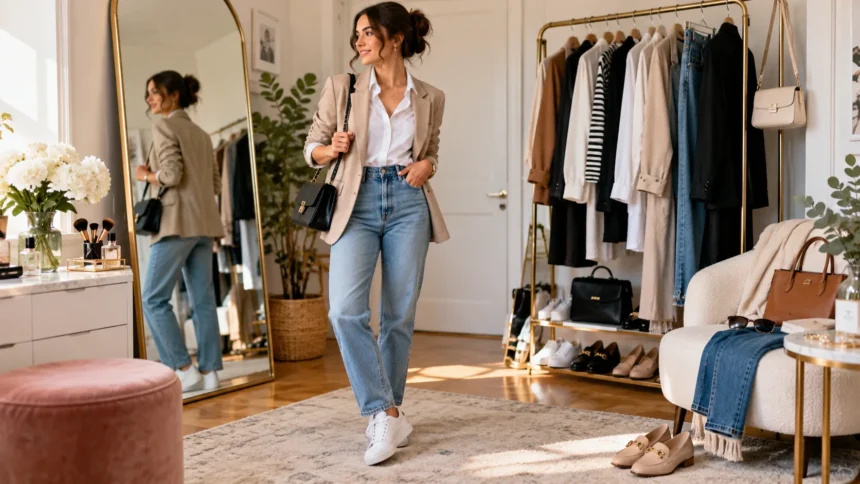
Fashion is a creative way to express your personality, build confidence, and feel comfortable in everyday life. However, learning how to put together outfits can feel confusing when you are just starting to explore personal style. With so many clothing trends, colors, and styling options available, knowing where to begin makes a real difference.
The good news is that dressing well does not require expensive designer clothing or a completely new wardrobe. By understanding basic styling principles, choosing versatile pieces, and experimenting with outfit combinations, anyone can develop a personal fashion sense. These practical fashion tips for beginners will help you create stylish, comfortable outfits for different occasions without making getting dressed complicated.
Start With Basic Fashion Essentials
Every beginner can benefit from building a wardrobe around simple, versatile clothing pieces. Basic essentials such as plain T-shirts, comfortable jeans, casual shirts, and lightweight jackets work well with numerous outfit combinations. These items create a practical foundation for everyday dressing. Choosing clothing you genuinely enjoy wearing makes experimenting with different looks much easier.
Neutral-colored clothing is particularly useful because it can be combined with brighter colors, patterns, and accessories. White shirts, black trousers, navy jeans, and beige sweaters offer flexible styling possibilities throughout the year. You can create several casual outfits by changing just one or two pieces. This approach keeps your wardrobe organized while allowing room for creativity.
Before purchasing additional clothing, review what you already own and identify pieces that work together. Look for gaps in your wardrobe rather than buying items simply because they are trending. A few versatile basics can support many different outfit ideas. Starting with familiar pieces also helps you develop confidence in your personal fashion choices.
Discover Your Personal Fashion Style
Understanding your personal style is one of the most valuable fashion tips for beginners. Instead of copying every new trend, pay attention to clothing that reflects your interests, daily activities, and comfort preferences. You might enjoy relaxed streetwear, classic outfits, sporty combinations, or colorful creative looks. Personal style develops naturally through experimentation and experience.
Explore outfit inspiration from fashion magazines, online collections, or people whose clothing choices interest you. Notice recurring colors, clothing combinations, and accessories that appeal to your taste. Save a few ideas and consider how similar outfits could work with your existing wardrobe. Inspiration becomes more useful when you adapt it rather than reproduce it exactly.
Your fashion preferences may change as you explore new activities, seasons, or creative interests. Allow yourself to try different combinations without feeling pressured to settle on one aesthetic immediately. Some days may call for simple casual clothing, while others inspire more expressive outfits. Dressing according to your preferences makes fashion enjoyable rather than restrictive.
Choose Comfortable Clothing That Fits Your Activities
Comfort plays an important role in creating outfits you actually want to wear. Clothing should allow you to move, sit, walk, and participate in everyday activities without unnecessary inconvenience. When trying something new, consider the fabric, construction, and overall feel rather than focusing only on appearance. Practical clothing choices can make getting dressed easier and more enjoyable.
Different activities may benefit from different clothing designs and materials. Breathable cotton shirts work well for many casual situations, while flexible fabrics are helpful for activities involving movement. Layered outfits can also provide comfort when temperatures change throughout the day. Selecting clothing around your plans helps balance personal expression with everyday practicality and convenience.
Remember that clothing sizes and cuts vary between brands, so labels are not reliable measures of how an outfit will feel. Try different styles and choose options that suit your preferences without needing to change your body. You can enjoy oversized, relaxed, tailored, or structured clothing depending on the occasion. Comfortable dressing should support your lifestyle rather than limit it.
Learn Simple Color Coordination
Color coordination can make everyday styling more interesting without requiring advanced fashion knowledge. Beginners can start by combining two neutral colors with one accent shade. For example, navy jeans, a white T-shirt, and a green jacket create a straightforward casual outfit. Using a small color palette makes it easier to experiment with combinations.
Monochromatic outfits offer another simple approach to dressing. Try combining different shades of blue, brown, gray, or another color you enjoy. Varying the fabrics and textures can add visual interest even when the colors are similar. This styling method works particularly well when you want an outfit that feels coordinated without much planning.
You can also experiment with complementary or contrasting colors as your confidence grows. A colorful scarf, patterned shirt, or bright pair of sneakers can introduce personality to neutral clothing. There are no universal rules requiring everyone to wear particular shades. The most useful color combinations are those that feel expressive, practical, and enjoyable to you.
Try the Classic Jeans and T-Shirt Outfit
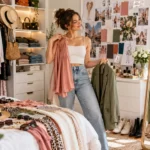
A jeans-and-T-shirt combination remains one of the easiest outfit ideas for beginners. This familiar pairing works for casual outings, relaxed weekends, and many everyday activities. Choose a T-shirt with a color or design you enjoy and combine it with comfortable denim. The simplicity of this outfit provides an excellent foundation for creative styling.
<text preserveWhitespace={false}>Try adding an open button-down shirt, lightweight cardigan, or casual jacket to create another version of the same look. Sneakers, flat shoes, or comfortable boots can change the overall mood. You can also experiment with different denim styles, including straight-leg, relaxed, or wide-leg jeans. Each combination offers a slightly different way to express your preferences.</text>
Accessories provide an easy finishing touch without making the outfit complicated. A canvas tote, simple watch, baseball cap, or colorful socks can make everyday clothing feel more personal. Choose accessories that are useful and comfortable rather than adding several items out of obligation. This basic outfit demonstrates how small changes can create fresh combinations.
Build Smart-Casual Outfits With Simple Layers
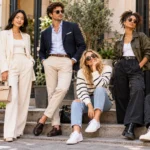
Smart-casual fashion combines everyday comfort with clothing suitable for slightly more polished occasions. A plain shirt, relaxed trousers, and clean casual shoes can work for informal gatherings or certain school and workplace events. Adding a cardigan or unstructured blazer provides another styling option. The goal is to match the setting while maintaining your personal preferences.
Layering can make simple clothing more versatile throughout different seasons. Try a lightweight sweater over a collared shirt, or wear an open overshirt with a basic top. Experiment with colors and textures that complement one another without limiting yourself to one formula. Layers are especially useful when indoor and outdoor temperatures differ during the day.
When preparing for an event, consider any stated dress code before selecting an outfit. A neat combination of familiar clothing often works better than something uncomfortable that you rarely wear. Pay attention to practical details such as clean shoes and appropriate outerwear. Smart-casual dressing becomes easier when you keep a few dependable combinations ready.
Explore Comfortable Streetwear Outfit Ideas
Streetwear offers beginners a creative way to experiment with relaxed clothing, interesting graphics, and practical accessories. Common pieces include hoodies, loose trousers, graphic T-shirts, sneakers, and casual jackets. You can combine these items in countless ways depending on your interests. Streetwear encourages individuality, making it a useful starting point for exploring personal fashion.
One beginner-friendly outfit combines a plain hoodie with relaxed jeans and comfortable sneakers. Another option pairs cargo trousers with a simple T-shirt and an open overshirt. These combinations work well for casual activities and everyday outings. Changing a color, pattern, or accessory allows you to explore different looks without replacing the entire outfit.
Streetwear also provides opportunities to explore creative styling through layers and accessories. A beanie, crossbody bag, or patterned socks can introduce an interesting detail. Choose pieces that match your daily needs rather than treating every trend as essential. The best streetwear outfits should allow comfortable movement while reflecting your individual taste.
Use Accessories to Add Personality
Accessories can transform a familiar outfit by introducing color, texture, or a personal detail. Beginner-friendly choices include scarves, watches, hats, bags, belts, and simple jewelry. You do not need to wear several accessories at once to create an interesting look. Start with one item and explore how it works with different clothing combinations.
A colorful bag can brighten a neutral outfit, while a patterned scarf adds variety during cooler weather. Hats and sunglasses may also provide practical benefits depending on the conditions. Consider how each accessory supports your activities and overall comfort. Selecting functional items can make accessorizing feel natural rather than like an additional styling challenge.
Experiment with materials and designs that reflect your interests. Handmade jewelry, embroidered bags, or playful pins can make your clothing feel more individual. You can also reuse accessories across several outfits to create different combinations. Thoughtful accessorizing is about enjoying small creative choices, not following strict rules about what everyone should wear.
Create Outfits for Different Seasons
Seasonal dressing begins with understanding the weather and choosing appropriate materials. During warmer months, breathable fabrics and lightweight clothing can help you stay comfortable outdoors. Cotton shirts, linen trousers, loose dresses, and airy layers provide useful options. Choosing colors and patterns you enjoy makes practical summer outfits feel personal and expressive.
Cooler weather creates opportunities to experiment with sweaters, jackets, scarves, and layered combinations. Try wearing a knitted sweater over a shirt or adding a warm coat to casual trousers. Different textures can make winter outfits visually interesting while providing useful insulation. Remember to select footwear and outerwear that suit local temperatures and conditions.
Transitional seasons often require more flexible clothing choices because temperatures can change throughout the day. Lightweight jackets, cardigans, and overshirts can be added or removed as needed. Keeping a few versatile layers available makes outfit planning simpler. Seasonal fashion works best when personal style and everyday comfort support one another.
Experiment With Patterns and Textures
Patterns can add variety to basic outfits without requiring complicated styling techniques. Stripes, checks, floral prints, and simple graphics all offer different ways to express personal taste. If you are new to patterned clothing, try pairing one printed item with plain pieces. This allows the pattern to stand out while keeping the combination easy to assemble.
Textures offer another interesting styling opportunity. Denim, cotton, knitwear, corduroy, and linen can create different visual effects when worn together. For example, a knitted cardigan over a cotton shirt provides a comfortable layered outfit. Combining familiar fabrics is an accessible way to make simple clothing combinations feel more creative.
As you become comfortable with basic combinations, try mixing two patterns that share a similar color. A striped shirt and subtly patterned accessory might create a playful everyday look. There is no requirement to master every styling technique immediately. Fashion experimentation should encourage curiosity and help you discover combinations that make you happy.
Organize Your Wardrobe for Easy Outfit Planning
An organized wardrobe can make choosing clothing less time-consuming. Begin by arranging items into practical categories such as tops, trousers, outerwear, and accessories. Keep frequently worn pieces easy to reach and store seasonal clothing where appropriate. Being able to see what you own can help you create outfits without unnecessary searching.
Consider preparing a few outfit combinations for different activities during the week. You might plan comfortable clothing for errands, practical outfits for classes, and slightly dressier options for social occasions. Taking a quick photo of combinations you enjoy can help you remember them. This simple habit makes future outfit planning easier and encourages wardrobe creativity.
Wardrobe organization also helps identify which clothing pieces receive regular use. Instead of buying new items immediately, experiment with unfamiliar combinations from your existing collection. Repairing, adjusting, or reusing clothing can extend its usefulness and reduce unnecessary spending. A practical wardrobe makes everyday dressing convenient while leaving room for changes in personal style.
Shop Thoughtfully Without Overspending
Building a wardrobe does not require purchasing everything at once. Beginners can make thoughtful shopping decisions by considering how a new item works with clothing they already own. Prioritize practical needs, comfortable materials, and pieces you expect to enjoy repeatedly. A planned approach can reduce impulse purchases while supporting your personal fashion goals.
Secondhand shops, clothing swaps, seasonal sales, and affordable retailers can provide useful options. When shopping, examine details such as seams, closures, fabric care instructions, and overall construction. Durable clothing may offer better long-term value when properly maintained. Buying fewer unnecessary items leaves more room in your budget for activities and experiences you enjoy.
Before making a purchase, imagine at least a few ways you could wear the item. Consider whether it suits your daily activities and whether its care requirements are manageable. Avoid feeling pressured by limited-time promotions or rapidly changing fashion trends. Thoughtful shopping helps you build a collection of clothing that supports your lifestyle and individuality.
Develop Confidence Through Fashion Experimentation
Fashion confidence develops when you become comfortable making clothing choices that reflect your preferences. Start by trying small changes, such as a new color combination or unfamiliar accessory. Notice what feels comfortable and enjoyable instead of focusing on other people’s judgments. Personal expression becomes easier when experimentation is treated as a learning experience.
You may occasionally create an outfit that does not work as you expected. That is a normal part of discovering your style, not a failure. Try changing one clothing piece, adjusting your layers, or selecting different accessories. These small experiments help you understand which combinations suit your activities and preferences.
Remember that social media and fashion advertising often present carefully styled images rather than ordinary everyday experiences. You do not need to copy someone else’s appearance to enjoy clothing. Take inspiration where it feels useful and ignore trends that do not interest you. Genuine fashion confidence comes from having freedom to express yourself comfortably.
Build a Sustainable and Versatile Wardrobe
Sustainable fashion encourages thoughtful clothing choices that consider usefulness, durability, and environmental impact. Beginners can participate by caring for existing garments and avoiding unnecessary replacements. Learning basic clothing maintenance, such as following washing instructions and repairing small problems, can help items last longer. These everyday habits support a more practical wardrobe.
Versatile clothing also allows you to create multiple looks from familiar pieces. A plain shirt might work with jeans one day and layered under a sweater another day. A favorite jacket can complement several outfits across different seasons. This approach encourages creativity while reducing the pressure to constantly purchase new clothing.
You can further explore responsible fashion through secondhand shopping, clothing exchanges, or supporting repair services when accessible. Choose options that fit your circumstances rather than expecting every purchase to meet an unrealistic standard. Sustainable dressing is a gradual process of making informed decisions. Small, consistent habits can help balance personal style, convenience, and responsible consumption.
Conclusion
Learning fashion tips for beginners is about exploring clothing in a way that feels enjoyable, practical, and personal. Starting with versatile basics, experimenting with colors, and trying simple outfit ideas can make everyday styling less confusing. You do not need expensive clothing or expert knowledge to get started. Familiar pieces often provide more creative possibilities than you initially expect.
As you build experience, focus on comfort, personal expression, and the activities that shape your daily routine. Experiment with casual outfits, smart-casual combinations, accessories, and seasonal layers at your own pace. Allow your preferences to change without feeling obligated to follow every trend. Fashion becomes more rewarding when it reflects your interests rather than outside expectations.
The most useful beginner fashion advice is to stay curious and enjoy the process of discovering your own style. Organize your wardrobe, shop thoughtfully, and try new combinations using clothing you already have. Every outfit provides another opportunity to learn what you enjoy wearing. With time and creativity, building everyday outfits can become a simple and satisfying routine.
FAQs
What are the best fashion tips for beginners?
Start with comfortable wardrobe basics, experiment with simple color combinations, and choose clothing that suits your activities. Explore accessories gradually and focus on developing personal style rather than copying every fashion trend.
How can beginners create stylish outfits with basic clothes?
Combine familiar pieces such as jeans, plain T-shirts, shirts, and lightweight jackets. Change accessories, experiment with layers, or introduce one colorful item to create different looks from the same wardrobe.
What clothes should every beginner have in their wardrobe?
Useful basics may include comfortable jeans or trousers, plain tops, versatile outerwear, and practical footwear. Choose items according to your climate, activities, and preferences rather than following a fixed shopping checklist.
How can I improve my fashion sense without spending money?
Experiment with clothing combinations you already own, organize your wardrobe, and explore styling inspiration. Try different layers, accessories, and color pairings to discover fresh outfits without purchasing additional items.
How do I find my personal fashion style as a beginner?
Notice which outfits, colors, and fabrics you enjoy wearing. Explore different fashion inspirations, try combinations at your own pace, and allow your style to develop naturally through everyday experience.