
Fashion trends come and go, but classic fashion style remains a reliable choice for anyone who wants a wardrobe that feels stylish and practical. It focuses on timeless clothing, simple designs, and versatile pieces that can be worn in different ways. Instead of following every new trend, classic dressing emphasizes quality, comfort, and personal preference.
Classic fashion style is all about creating outfits that look put together without unnecessary complications. From tailored blazers and crisp shirts to straight-leg trousers and simple accessories, classic pieces can work for casual outings, professional settings, and special occasions. The beauty of this approach is its ability to adapt to different lifestyles.
Whether you are rebuilding your wardrobe or simply looking for practical outfit ideas, understanding classic fashion can help you make more thoughtful clothing choices. This guide explores timeless wardrobe essentials, outfit combinations, colors, accessories, and styling techniques that make classic dressing easy to incorporate into everyday life.
What Is Classic Fashion Style?
Classic fashion style refers to a clothing approach built around timeless designs, balanced proportions, and practical wardrobe staples. It often includes structured jackets, simple shirts, tailored trousers, and versatile dresses. These pieces remain useful across changing fashion seasons because their designs are not strongly connected to short-lived trends or decorative details.
One defining feature of classic dressing is its focus on simplicity. Clothing usually features clean lines, subtle patterns, and details that complement rather than dominate an outfit. Neutral colors are common, but classic fashion can also include richer shades and carefully chosen prints that suit personal preferences.
Classic style does not mean dressing formally every day or following strict fashion rules. It can be relaxed, modern, colorful, or creative depending on how individual pieces are combined. The goal is to build a dependable wardrobe that supports everyday activities while allowing enough flexibility to express your personality.
Why Classic Fashion Never Goes Out of Style
Classic fashion remains popular because it relies on clothing designs that have stayed practical through different decades. Button-down shirts, trench coats, structured blazers, and simple knitwear continue to appear in modern wardrobes. Their lasting appeal comes from versatility rather than the temporary popularity of a particular fashion trend.
Another reason classic clothing remains relevant is its ability to work across various occasions. A well-chosen pair of trousers can be styled with a casual T-shirt during the day or a dressier shirt in the evening. This flexibility makes creating different outfits easier without requiring a completely separate wardrobe for every event.
Classic fashion also encourages more thoughtful shopping habits. Instead of purchasing clothing solely because it is trending, people can consider how often they might wear an item and whether it works with existing pieces. This approach can reduce unnecessary purchases while making everyday outfit planning more convenient and enjoyable.
Essential Clothing Pieces for a Classic Wardrobe
A classic wardrobe begins with versatile basics that can be combined in multiple ways. A crisp white shirt, comfortable trousers, simple T-shirts, and a well-fitting blazer are useful starting points. These items can be dressed up or down depending on the occasion, making them practical for different routines and personal styles.
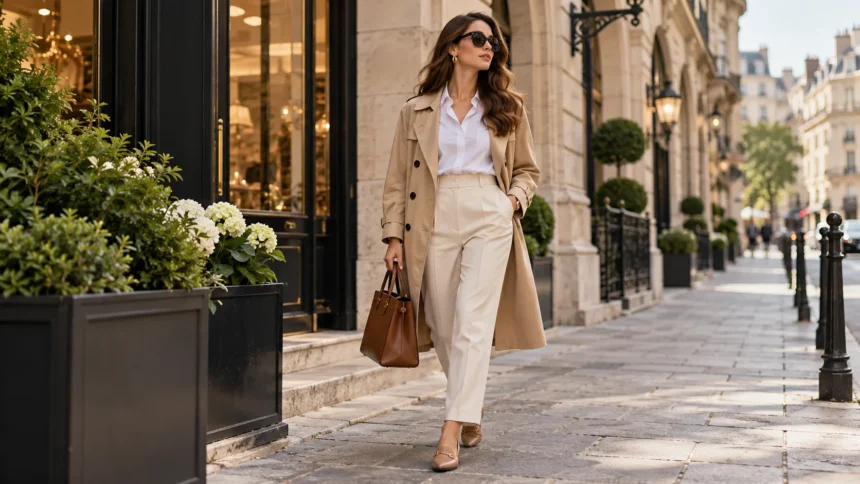
Outerwear is another important part of timeless dressing, especially in changing weather conditions. A trench coat, wool coat, lightweight jacket, or structured cardigan can complete an outfit without overwhelming it. Choosing outerwear based on climate and lifestyle helps ensure that each item serves a useful purpose rather than simply filling wardrobe space.
Denim, knitwear, and simple dresses can also fit naturally into a classic clothing collection. Straight-leg jeans, crewneck sweaters, and uncomplicated dress designs are easy to style with other wardrobe essentials. You do not need to own every traditional fashion staple; selecting pieces you genuinely enjoy wearing creates a more functional wardrobe.
How to Build a Classic Capsule Wardrobe
A classic capsule wardrobe is a smaller collection of clothing designed to create several different outfits. The idea is to choose pieces that work well together while meeting your everyday needs. This approach can simplify getting dressed and make it easier to recognize which clothing items you actually use.
Start by reviewing your existing wardrobe before purchasing anything new. Identify frequently worn pieces, favorite colors, and outfits that feel comfortable for your daily activities. You may discover that many useful basics are already available, allowing you to build around them rather than replacing everything at once.
When adding clothing, think about how each item combines with at least a few pieces you already own. A neutral blazer, for example, might work with jeans, trousers, or a casual dress. There is no required number of items in a capsule wardrobe, so adapt the collection to your lifestyle, weather, and personal preferences.
Best Colors for a Timeless Classic Look
Neutral colors are frequently associated with classic fashion because they are easy to combine. Black, white, navy, beige, gray, and brown can provide a flexible foundation for different outfits. However, there is no requirement to wear only neutrals, and a timeless wardrobe can include a wide range of colors.
A useful styling technique is to choose a few colors that you enjoy wearing together. For example, navy trousers can be paired with a cream sweater, while brown accessories can complement olive or beige clothing. Creating a consistent color palette makes mixing garments easier without limiting opportunities for personal expression.
You can also introduce stronger colors through individual clothing pieces or accessories. Burgundy, forest green, deep blue, and muted red can work well alongside more understated basics. Rather than following rigid color rules, focus on combinations that feel balanced and appropriate for the occasion.
Classic Fashion Style for Everyday Casual Outfits
Casual classic fashion combines comfortable clothing with simple styling details that create a coordinated appearance. Straight-leg jeans, a plain T-shirt, and a lightweight cardigan form an easy everyday outfit. Adding clean sneakers, loafers, or comfortable flats can complete the look without making it feel overly formal.
For warmer weather, consider breathable shirts, relaxed trousers, and simple cotton dresses. These pieces provide flexibility for errands, informal meetings, and casual social activities. Natural fabrics such as cotton and linen can be practical choices, although the best material depends on personal comfort, clothing care, and local weather conditions.
Layering is another effective way to make casual outfits feel more versatile. A button-down shirt can be worn alone, layered over a T-shirt, or placed beneath a sweater. Small adjustments like changing shoes or adding a scarf can help the same clothing combination work in different situations.
How to Wear Classic Fashion Style at Work
Classic clothing works well in many professional environments because it offers practical options for creating coordinated outfits. Tailored trousers, button-down shirts, simple blouses, and structured jackets can form a useful office wardrobe. The appropriate level of formality depends on your workplace dress code, job responsibilities, and personal comfort.
A blazer can be paired with matching trousers for a more formal appearance or worn over a simple top for a relaxed office setting. Neutral shoes and a practical bag can complete the outfit. Choosing clothing that allows comfortable movement is especially important when your work involves commuting, standing, or sitting for extended periods.
Professional classic fashion does not require expensive designer labels or an extensive clothing collection. Well-maintained garments, thoughtful combinations, and appropriate footwear often provide everything needed for everyday office dressing. Focus on clothing that suits your work environment and can be worn repeatedly in different combinations.
How to Style Classic Blazers and Jackets
Blazers are among the most versatile pieces associated with classic fashion style. They can be worn with trousers, jeans, skirts, or dresses depending on the occasion. A single blazer can support several different outfits, making it a useful addition for people who prefer practical clothing combinations.
For a relaxed everyday look, try wearing a blazer over a plain T-shirt with denim and casual footwear. For a dressier outfit, combine it with coordinating trousers and a simple shirt. Experimenting with different blazer lengths, shapes, and materials can help you discover styles that feel comfortable for your activities.
Jackets also offer opportunities to introduce different textures into a classic wardrobe. Tweed, cotton, linen, and wool blends each provide a distinct appearance and level of warmth. Rather than selecting a jacket simply because it is considered timeless, choose one that suits your climate and complements the clothing you regularly wear.
Timeless Dresses and Skirts for Classic Dressing
Simple dresses are useful classic wardrobe pieces because they can be styled for multiple occasions. Shirt dresses, wrap dresses, and straightforward A-line designs offer different options for comfort and movement. Depending on the fabric and accessories, these styles can work for casual outings, office settings, or special events.
Skirts can also create versatile outfit combinations when paired with shirts, knitwear, and jackets. Midi skirts, pleated designs, and simple straight skirts are commonly associated with classic dressing. Their usefulness depends on the individual’s preferences, workplace requirements, and the types of activities they expect to undertake.
Accessories and layers can change the overall appearance of a dress or skirt without requiring a new outfit. A cardigan and comfortable flats may create a casual combination, while a blazer and dressier shoes can suit a formal occasion. Choose pieces that allow comfortable movement and reflect how you prefer to dress.
Classic Fashion Accessories That Complete an Outfit
Accessories can add personal character to classic outfits without making them unnecessarily complicated. Simple watches, scarves, belts, handbags, and understated jewelry can complement everyday clothing. The key is choosing accessories that serve a purpose or reflect personal taste rather than feeling obligated to follow particular styling rules.
A practical handbag is especially useful because it combines style with everyday function. Structured totes, shoulder bags, and compact crossbody bags can suit different activities and carrying needs. Choosing a durable material and a comfortable strap may be more important than selecting a particular shape or designer brand.
Scarves, jewelry, and belts provide opportunities to introduce color, texture, or subtle patterns. A printed scarf can brighten a neutral outfit, while a simple belt can add detail to trousers or a dress. Accessories are most effective when they make an outfit feel personal and comfortable rather than distracting from its overall purpose.
Best Shoes for a Classic Fashion Wardrobe
Footwear is an important part of classic styling because shoes influence both comfort and the overall appearance of an outfit. Loafers, ballet flats, ankle boots, and simple sneakers are commonly used in timeless wardrobes. Their versatility makes them useful options for combining with jeans, trousers, skirts, and dresses.
For professional or dressier occasions, consider footwear that suits the setting while providing adequate support. Leather shoes, low heels, dress flats, and polished boots can all complement classic clothing. There is no need to choose uncomfortable shoes simply to achieve a particular fashion appearance.
When building a shoe collection, consider climate, walking distance, and how frequently each pair will be worn. Neutral footwear can coordinate easily with different colors, but colorful shoes may also work as a personal styling feature. Prioritizing comfort, durability, and practical use helps create a footwear collection that supports daily routines.
How to Mix Modern Trends With Classic Fashion
Classic fashion does not require avoiding every modern trend. Combining timeless wardrobe staples with selected contemporary pieces can make outfits feel fresh and personal. A traditional blazer, for example, can work with relaxed denim, modern sneakers, or a colorful accessory depending on your preferences.
The easiest way to mix styles is to use familiar basics as the foundation of an outfit. You might pair a simple shirt and trousers with a contemporary jacket or an interesting handbag. This approach lets you experiment with new ideas without feeling pressured to change your entire wardrobe each season.
Trends can also provide inspiration for discovering colors, fabrics, and clothing shapes you enjoy. The important consideration is whether a new item fits your lifestyle and works with existing clothing. Incorporating trends selectively makes fashion experimentation more manageable while preserving the practical qualities of classic dressing.
How to Choose Quality Clothes for Classic Style
Choosing quality clothing begins with examining materials, stitching, construction, and care requirements. Look for secure seams, functioning buttons, and fabrics that feel suitable for their intended purpose. A garment does not need an expensive price tag to be useful, comfortable, or capable of lasting through regular wear.
Fabric selection can affect how clothing feels and performs in different conditions. Cotton, linen, wool, and various fabric blends offer different advantages related to breathability, warmth, maintenance, and durability. Reviewing care labels before purchasing can help you understand whether a garment fits your available time and preferred laundry routine.
Another useful habit is considering how frequently you expect to wear an item. Clothing that works for several occasions may offer greater practical value than something purchased for a single trend. Thoughtful shopping encourages you to select pieces that suit your needs rather than judging quality by brand reputation alone.
Common Classic Fashion Mistakes to Avoid
One common misunderstanding is believing that classic fashion requires an entirely neutral wardrobe. While understated colors are often useful, wearing only black, beige, or gray is not necessary. Adding favorite colors, interesting textures, and meaningful accessories can make timeless outfits feel more expressive and enjoyable.
Another mistake is purchasing traditional wardrobe essentials without considering whether they fit your lifestyle. A formal blazer may be useful for one person but rarely worn by someone who prefers casual clothing. Building a wardrobe around actual daily activities prevents unnecessary spending and makes getting dressed more convenient.
Trying to follow every classic styling guideline can also make fashion feel unnecessarily restrictive. There is no single correct way to wear tailored clothing, mix fabrics, or choose accessories. Use classic fashion principles as helpful inspiration while allowing your personal preferences to guide the final outfit.
How to Maintain a Classic Wardrobe for Years
Maintaining clothing properly can help classic wardrobe pieces remain useful for a longer time. Always review garment care labels before washing, drying, ironing, or storing clothing. Following the recommended instructions can help preserve fabric condition and reduce damage caused by unsuitable cleaning methods.
Storage also affects how well garments maintain their condition. Jackets and shirts may benefit from appropriate hangers, while certain knitwear is better stored folded to avoid stretching. Keeping clothing in a clean, dry environment can help protect fabrics from moisture, dust, and unnecessary wear.
Regular wardrobe reviews make it easier to identify damaged pieces, clothing that needs repair, and items you no longer use. Simple repairs, such as replacing buttons or fixing loose stitching, can extend the life of favorite garments. Maintaining your existing wardrobe is often a practical alternative to constantly purchasing replacements.
Conclusion
Classic fashion style offers a practical approach to building outfits that remain useful through changing trends. By focusing on versatile clothing, thoughtful combinations, and personal comfort, you can create a wardrobe suitable for everyday activities. Timeless pieces such as blazers, simple shirts, trousers, and comfortable shoes provide flexible starting points.
The most effective classic wardrobe is one that reflects your lifestyle rather than following a fixed set of fashion rules. Neutral colors, durable materials, and understated accessories can simplify outfit planning, but there is always room for creativity. Mixing contemporary details with traditional staples can also keep your clothing choices interesting.
Whether you are starting from scratch or refreshing your existing collection, begin with pieces you already enjoy wearing. Add new items gradually, experiment with different combinations, and take care of your clothing. Classic style works best when it makes getting dressed easier while giving you the freedom to express yourself.
Frequently Asked Questions
What Defines a Classic Fashion Style?
Classic fashion style emphasizes timeless clothing designs, versatile wardrobe basics, and simple outfit combinations. Common pieces include tailored jackets, button-down shirts, trousers, knitwear, and practical accessories that remain useful across changing trends.
How Can I Dress Classically on a Budget?
Start with clothing you already own and create different combinations using versatile basics. Consider secondhand shopping, seasonal sales, and simple clothing repairs instead of purchasing an entirely new wardrobe.
What Colors Are Best for Classic Fashion?
Black, navy, white, beige, gray, and brown are popular because they are easy to coordinate. However, classic fashion can include brighter colors and patterns when they complement your preferences.
Can Classic Fashion Be Casual?
Yes, classic fashion can be comfortable and casual. Straight-leg jeans, plain T-shirts, relaxed shirts, cardigans, and simple sneakers are examples of everyday clothing that can create timeless outfit combinations.
What Is the Difference Between Classic Fashion and Trendy Fashion?
Classic fashion focuses on clothing designs with lasting versatility, while trendy fashion emphasizes styles currently gaining popularity. Both approaches can work together when you combine timeless wardrobe staples with modern details.