

Personal style is more than following fashion trends or wearing expensive clothing. It is about choosing outfits that reflect your personality, preferences, and everyday lifestyle. Some people enjoy colorful and creative clothing, while others prefer classic, minimalist, or casual outfits. Understanding your preferences can make getting dressed easier, more enjoyable, and more comfortable.
A personal style guide can help you discover the clothing combinations, colors, fabrics, and accessories that work best for your needs. Instead of constantly buying new clothes or copying popular trends, you can focus on developing a wardrobe that reflects your interests. Personal style is not about following strict fashion rules but about making thoughtful clothing choices.
Whether you want to refresh your wardrobe, explore new fashion ideas, or simplify your daily outfits, this guide provides practical steps to get started. You will learn how to identify your fashion preferences, organize your wardrobe, combine clothing pieces, and develop a consistent personal style. These easy styling tips can help you create outfits that feel natural and appropriate for different occasions.
What Is Personal Style?
Personal style refers to the clothing, accessories, colors, and fashion choices that reflect an individual’s preferences and identity. It includes how someone combines different pieces and adapts fashion ideas to everyday life. Unlike temporary trends, personal style often develops gradually through experiences, interests, and changing needs.
For example, someone who enjoys comfortable clothing may prefer jeans, oversized sweaters, and sneakers. Another person may enjoy tailored trousers, structured jackets, and simple accessories. Both approaches represent personal style because they reflect individual choices rather than a universal standard of fashion.
Personal style is not something that must remain the same throughout life. Preferences may change with age, activities, work requirements, climate, or new interests. Developing your style means exploring options and identifying clothing that feels practical, comfortable, and meaningful to you.
Why Developing Personal Style Is Important
Developing personal style can make everyday outfit planning simpler and more enjoyable. When you understand which clothing combinations you prefer, you may spend less time deciding what to wear. A wardrobe built around practical preferences can also reduce unnecessary purchases and improve clothing organization.
Personal style provides another opportunity for creativity and self-expression. Clothing can communicate interests, cultural influences, or preferences without requiring people to follow the same trends. Experimenting with outfits allows individuals to explore different combinations and discover styles that suit their everyday activities.
Having a defined personal style does not mean limiting yourself to one fashion category. You can enjoy casual clothing on some days and more structured outfits on others. The purpose is to understand your preferences while maintaining flexibility and freedom in your clothing choices.
1. Understand Your Lifestyle and Daily Activities
The first step in developing personal style is understanding how you spend your time. Consider your daily responsibilities, workplace or school requirements, hobbies, and social activities. These factors influence which clothing pieces are practical and how frequently you are likely to wear them.
For example, someone who works in a formal office may need professional clothing for most weekdays. A person who spends more time studying or working remotely may prefer comfortable casual outfits. Understanding these differences helps create a wardrobe that supports your actual routine.
Make a simple list of the activities you regularly participate in and the clothing needed for each one. This exercise can reveal which wardrobe categories deserve more attention. Focusing on real needs helps you develop a practical style without purchasing clothes that rarely get used.
2. Identify Your Favorite Fashion Styles
Exploring different fashion categories can help you recognize the styles that interest you most. Popular options include casual, classic, minimalist, streetwear, vintage, bohemian, preppy, and sporty fashion. Each category has distinctive elements that can provide inspiration for your personal wardrobe.
Start by observing which outfits naturally catch your attention. You may prefer simple monochrome combinations, colorful patterns, relaxed denim, or structured jackets. Looking at different fashion styles can help you identify recurring features without requiring you to copy complete outfits.
Remember that personal style can combine several fashion categories. You might enjoy minimalist basics with vintage accessories or sporty clothing with classic outerwear. Mixing different influences often creates more flexible outfits than following one strict fashion aesthetic.
3. Create a Personal Fashion Inspiration Board
An inspiration board is a collection of outfit ideas, colors, fabrics, and accessories that reflect your preferences. It can help you recognize patterns in the clothing styles you enjoy. You can create a digital collection or use photographs and magazine images for a physical board.
Collect examples of outfits you would realistically enjoy wearing rather than choosing images only because they are fashionable. Pay attention to recurring clothing pieces, color combinations, and accessories. You may discover that you repeatedly prefer certain jackets, trousers, or simple layered outfits.
After collecting several ideas, review them and identify common themes. These patterns can help guide future wardrobe decisions and outfit combinations. Your inspiration board should remain flexible because personal preferences naturally change as you discover new fashion ideas.
4. Discover Your Preferred Clothing Colors
Color plays an important role in personal style because it influences how different clothing pieces work together. Some people enjoy bright combinations, while others prefer neutral or muted shades. Discovering your favorite colors makes it easier to create outfits that reflect your personality.
Begin by looking at the colors you already wear frequently. You might notice that your wardrobe contains many blue, black, green, or beige pieces. These preferences can provide a useful starting point for choosing additional clothing without relying on complicated color rules.
Try combining familiar shades with one new color when you want to experiment. For example, neutral trousers can work with a colorful shirt or patterned scarf. There is no requirement to limit yourself to colors recommended by beauty trends or seasonal fashion systems.
5. Understand Different Clothing Fits and Silhouettes
Clothing fit affects comfort, movement, and how garments function during everyday activities. Different designs include relaxed, straight, tailored, oversized, and fitted silhouettes. Understanding these options can help you select clothes that feel practical and match your preferred fashion aesthetic.
A relaxed outfit might combine loose trousers with a comfortable sweater, while a structured outfit could feature tailored clothing and a simple jacket. Neither approach is automatically better because different designs serve different purposes. The most suitable choice depends on personal comfort, activities, and individual style preferences.
When shopping, pay attention to fabric movement, garment construction, and how easily you can perform normal activities. Clothing sizes can vary between brands, so trying different options may be useful. Focus on selecting garments that fit comfortably rather than expecting your body to match a particular clothing label.
6. Review and Organize Your Existing Wardrobe
Before purchasing new clothes, examine the items you already own. You may discover useful pieces that have been overlooked or forgotten. Organizing your wardrobe makes it easier to identify favorite clothing combinations and understand which items are practical for your daily routine.
Separate clothing according to categories such as shirts, trousers, jackets, dresses, and accessories. Consider which pieces you regularly wear and which ones no longer suit your needs. Items in good condition that you no longer use may be donated, exchanged, or stored appropriately.
Wardrobe organization also helps identify unnecessary duplication. If you already own several similar jackets, another purchase may not add much variety. Reviewing existing clothing encourages more thoughtful decisions and makes it easier to build outfits using items you already enjoy.
7. Build a Versatile Wardrobe With Essential Pieces
A versatile wardrobe includes clothing that can be combined in different ways for everyday activities. Common basics include plain shirts, comfortable trousers, jeans, sweaters, and suitable outerwear. The exact pieces depend on personal style, local climate, and the occasions you regularly attend.
For example, a plain shirt can work with jeans for casual activities or with tailored trousers for more formal settings. A cardigan or lightweight jacket can provide additional layering options. Choosing versatile items helps create different outfits without needing a completely separate wardrobe for every occasion.
Wardrobe essentials should reflect your own preferences rather than a universal shopping checklist. Someone who rarely wears formal clothing may not need multiple blazers. Building around realistic needs makes a wardrobe more useful and reduces pressure to purchase items simply because fashion guides recommend them.
8. Learn How to Mix and Match Outfits
Mixing and matching involves creating different outfits using clothing pieces you already own. It is one of the most practical ways to develop personal style because it encourages creativity without unnecessary spending. Small changes in layering or accessories can create noticeable variety.
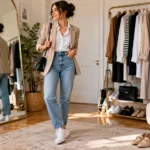
Start with a familiar clothing combination, such as jeans and a plain shirt. Add a cardigan, different shoes, or a patterned overshirt to explore alternative looks. You can also experiment with combining casual pieces and slightly more structured garments for different occasions.
Taking photographs of combinations you enjoy can make future outfit planning easier. Over time, you may develop several reliable outfit formulas that work for common activities. These combinations provide convenience while leaving room for experimentation whenever you want something different.
9. Use Accessories to Express Your Personality
Accessories provide an easy way to add variety and personal character to clothing. Common options include bags, scarves, hats, watches, belts, and jewelry. Different accessories can change the overall impression of an outfit without requiring major wardrobe changes.
For example, a simple shirt and trousers can look different when combined with a colorful scarf or patterned bag. A cap and sneakers may create a relaxed appearance, while a structured bag can suit certain professional settings. The best accessories are those that complement your activities and preferences.
You do not need a large accessory collection to explore personal style. A few versatile pieces may provide enough variety for several outfit combinations. Choose items that feel useful and comfortable rather than purchasing accessories only because they are currently popular.
10. Choose Clothing Fabrics That Match Your Needs
Fabric selection is an important part of creating a comfortable and practical wardrobe. Different materials vary in texture, breathability, durability, and maintenance requirements. Understanding these differences can help you choose clothing that suits your climate and everyday activities.
Cotton is commonly used for casual clothing because it can feel comfortable and breathable. Linen is another popular option in warm weather, while certain wool garments provide insulation during colder seasons. Synthetic fabrics may offer durability, stretch, or moisture-management properties depending on their construction.
When selecting clothing, consider both the fabric and the garment’s overall design. A material that works well for one activity may feel less comfortable in another situation. Checking care labels and choosing fabrics you can maintain easily can help extend the life of your wardrobe.
11. Develop Simple Outfit Formulas
Outfit formulas are repeatable clothing combinations that simplify everyday styling. Instead of choosing every item from the beginning, you can rely on combinations that already work well together. This approach is especially useful during busy mornings or when preparing for familiar activities.
A casual formula might include jeans, a plain shirt, and comfortable sneakers. A professional formula could combine trousers, a button-down shirt, and suitable footwear. You can adjust these combinations by changing colors, fabrics, or outerwear while maintaining the same basic structure.
Creating several outfit formulas helps reduce unnecessary decision-making without limiting creativity. You might develop separate combinations for work, social events, and relaxed weekends. Over time, these patterns can become recognizable parts of your personal style.
12. Experiment With Different Fashion Trends
Fashion trends introduce new clothing ideas, colors, and design combinations. Exploring trends can be enjoyable because they provide inspiration beyond familiar wardrobe habits. However, following every trend is unnecessary, particularly when popular styles do not suit your activities or preferences.
Choose individual trend elements that interest you rather than replacing your entire wardrobe. For example, you might experiment with a new jacket design or a different color combination. Combining these details with familiar basics can help you explore current fashion while maintaining personal consistency.
Some trends become long-lasting wardrobe choices, while others lose popularity quickly. Before buying a new item, consider whether you would still enjoy wearing it after the trend changes. This approach allows you to experiment without making purchases that have little practical value.
13. Dress Appropriately for Different Occasions
Personal style should remain flexible enough to accommodate different settings and expectations. Clothing suitable for a casual gathering may not match the requirements of a formal event or workplace. Understanding the occasion helps you choose outfits that are both comfortable and appropriate.
For informal activities, you might prefer relaxed trousers, T-shirts, or comfortable knitwear. Professional events may call for structured clothing, while celebrations sometimes involve traditional or formal outfits. Dress requirements can also vary depending on culture, location, and organizational guidelines.
Adapting clothing to an occasion does not mean abandoning personal preferences. You can express your style through color choices, accessories, fabrics, and garment combinations. The goal is to respect the setting while choosing clothing that feels practical and suitable for you.
14. Develop a Personal Style on a Budget
Developing personal style does not require expensive clothing or frequent shopping. A thoughtful wardrobe can be created using affordable basics, secondhand purchases, and existing garments. The most important factor is understanding which items suit your preferences and everyday requirements.
Consider shopping secondhand or exchanging clothing with friends and family when appropriate. Simple repairs can also extend the useful life of garments that remain comfortable and functional. These options provide opportunities to explore different clothing styles without automatically purchasing new products.
Planning purchases can help avoid unnecessary spending. Before buying something, think about whether it works with several pieces already in your wardrobe. Prioritizing practical clothing and genuine personal preferences makes it easier to create a versatile collection within your budget.
15. Build Confidence in Your Personal Style Choices
Developing confidence in personal style involves becoming comfortable with your own clothing preferences. Fashion advice can provide inspiration, but it does not need to determine every decision. People have different tastes, lifestyles, and cultural influences, which naturally lead to different wardrobe choices.
You may occasionally experiment with an unfamiliar style and discover that it does not feel right for you. This is a normal part of exploring fashion and learning about personal preferences. Not every clothing combination needs to become part of your regular wardrobe.
Confidence also comes from understanding that appearance does not determine personal value. Clothing can be enjoyable and expressive without becoming a measure of success or self-worth. Choosing comfortable outfits that reflect your interests helps keep personal style grounded in individuality and freedom of choice.
Common Personal Styling Mistakes to Avoid
One common mistake is purchasing clothing simply because it is popular. Trends can provide useful inspiration, but an item may not match your lifestyle or existing wardrobe. Before buying, consider how frequently you would realistically wear it and whether it fits your preferences.
Another mistake is believing that personal style requires following one fashion category exclusively. Mixing casual, classic, vintage, or minimalist elements can create interesting combinations. Limiting yourself to a single aesthetic may prevent you from discovering clothing arrangements that better reflect your personality.
Ignoring comfort and garment care can also make wardrobe planning more difficult. Some fabrics require special maintenance, while certain clothing designs may be unsuitable for everyday movement. Practical considerations help ensure that the outfits you choose remain enjoyable beyond their initial appearance.
How to Keep Your Personal Style Consistent Over Time
A consistent personal style develops when you recognize the clothing elements you repeatedly enjoy. Certain colors, fabrics, accessories, or outfit combinations may become familiar features of your wardrobe. These preferences help create a recognizable style without requiring every outfit to look the same.
You can maintain consistency by reviewing your wardrobe periodically and identifying items that continue to serve your needs. When purchasing new clothing, consider how it connects with your existing combinations. This approach encourages a more organized wardrobe while leaving room for creative changes.
Personal style should also evolve naturally as your lifestyle and interests change. New responsibilities, seasonal needs, and different experiences may influence your clothing preferences. Maintaining consistency means understanding your choices rather than refusing to explore new ideas or fashion trends.
Conclusion
Creating a personal style guide for yourself begins with understanding your preferences, lifestyle, and everyday clothing needs. Exploring fashion categories, identifying favorite colors, and organizing your wardrobe can make outfit planning simpler. Personal style develops through thoughtful choices rather than following every new trend.
Building a versatile wardrobe also involves selecting comfortable fabrics, combining existing pieces, and choosing useful accessories. Small changes can create interesting outfits without requiring major purchases. Learning simple styling techniques helps you develop combinations suitable for different occasions and activities.
Personal style is an ongoing process that changes as your interests and lifestyle evolve. Experiment with clothing ideas, keep the pieces you enjoy, and avoid unnecessary pressure to meet outside expectations. The best personal style is one that supports comfort, creativity, practicality, and individual expression.
Frequently Asked Questions (FAQs)
What is a personal style guide?
A personal style guide is a collection of clothing preferences, outfit ideas, colors, and styling principles that reflect an individual’s lifestyle. It helps organize wardrobe choices and create consistent outfits.
How do I find my personal fashion style?
Start by reviewing your favorite clothes, exploring different fashion aesthetics, and identifying preferred colors and fabrics. Experiment with outfit combinations and focus on clothing that feels comfortable and practical.
What are the basic elements of personal style?
The main elements include clothing preferences, colors, fabrics, silhouettes, accessories, and outfit combinations. Lifestyle, culture, comfort, and personal interests also influence how an individual’s style develops.
Can I develop personal style without spending much money?
Yes, you can develop personal style by organizing existing clothes, mixing different outfits, shopping secondhand, and choosing versatile wardrobe pieces. Creativity and thoughtful combinations matter more than expensive purchases.
How often should I update my personal style?
There is no fixed schedule for updating personal style. Review your wardrobe whenever your lifestyle, preferences, or clothing needs change, and make adjustments gradually rather than replacing everything at once.