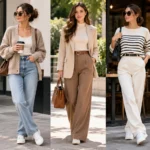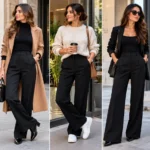

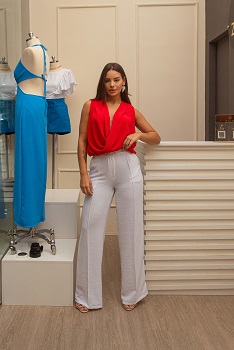
Throughout history, the way we dress has played a crucial role in shaping our self-image and influencing our confidence levels. Fashion is not merely a matter of aesthetics; it is a form of expression that reflects our personality, beliefs, and social status. Numerous psychological studies reinforce the notion that our clothing choices significantly impact our mood and behavior. For instance, a study published in the Journal of Experimental Social Psychology revealed that individuals who wore formal attire exhibited higher levels of abstract thinking, which in turn enhanced their decision-making abilities and overall confidence.
Moreover, the concept of “enclothed cognition” suggests that the clothes we wear can modify our psychological processes. When individuals wear clothing that they perceive as formal or high-status, they tend to exhibit more assertive behaviors and display greater self-assurance. Similarly, dressing in a way that aligns with one’s personal style can foster a sense of authenticity and empowerment. For example, people often report feeling more confident when they wear outfits that reflect their individuality rather than conforming to mainstream trends.
Anecdotal evidence also supports the link between fashion and self-esteem. Consider the case of someone who, after purchasing a tailored suit or a fashionable outfit, experiences an immediate boost in confidence when entering a social setting. This boost is not simply a result of outward appearance but also stems from the internal validation of choosing clothing that resonates with their identity. Such transitions illustrate how our fashion decisions can foster a profound sense of confidence and well-being.
In essence, the connection between fashion and confidence is deeply rooted in psychological factors and personal experiences. Understanding this relationship can empower individuals to make mindful clothing choices that enhance their overall confidence and self-perception.
Identifying Your Personal Style
Understanding and embracing your unique fashion style is a crucial step in building self-confidence. Personal style is not merely about choosing clothes, but rather a reflection of your identity, preferences, and lifestyle. Recognizing what resonates with you will empower you to make informed fashion choices that not only suit your body shape but also harmonize with your personality.
To begin your journey in discovering your personal style, start by assessing your body shape. Each body type has different flattering cuts, which means understanding your dimensions is key. Research styles that accentuate your best features while providing comfort. For instance, if you have an hourglass figure, you might prefer outfits that highlight your waist, while someone with a rectangle body shape could benefit from structured pieces that create dimension.
Next, consider the color palette that complements your skin tone. Colors have the power to evoke emotions and enhance your appearance. Experiment with warm and cool shades to find out what makes you feel the most confident. Don’t hesitate to seek inspiration from fashion magazines, blog influencers, or even color analysis tools available online. This step can significantly influence your wardrobe and overall style.
Your lifestyle is another crucial factor when curating a wardrobe that reflects your true self. Think about your daily activities—whether you spend most of your days at work, engaging in physical activities, or attending social events. Ensure that your clothing choices align with your lifestyle demands. This not only aids in practical dressing but also instills confidence as your outfits will be functional and suitable for your day-to-day life.
Ultimately, embracing your personal style and making intentional choices allows you to curate a wardrobe that proudly showcases who you are. While trends come and go, staying true to your style will always be in vogue. This dedication to authenticity in your fashion choices will serve as a solid foundation for building lasting self-confidence.
Investing in Wardrobe Essentials
Establishing a wardrobe that reflects personal style and enhances confidence begins with key wardrobe essentials. These foundational pieces are crucial as they serve as the backbone of any outfit. Investing in quality items, rather than a plethora of trendy clothes, can significantly simplify the dressing process and elevate one’s overall appearance. The right basics play a vital role in ensuring that an individual can easily combine different elements to create a polished look.
One essential item every person should consider is a well-fitted pair of jeans. Jeans can be styled in various ways, from a casual t-shirt for a weekend outing to a blazer for a more formal look. Another staple is a classic white button-up shirt, which can be paired with almost anything, offering both versatility and sophistication. Additionally, a tailored blazer can instantly elevate any outfit, whether it’s paired with a dress or jeans.
Investing in a quality trench coat or a classic leather jacket can also contribute significantly to a wardrobe. These outerwear pieces not only provide warmth but also add a layer of style, making the wearer feel put together regardless of the occasion. Moreover, a pair of classic black pumps or loafers can serve as a base for various ensembles, making them indispensable for both professional and casual settings.
Accessories should not be overlooked either. A timeless handbag and a few versatile pieces of jewelry can enhance any look, adding personal flair while maintaining an air of elegance. By carefully selecting a few high-quality essentials, individuals can boost their confidence, simplifying everyday outfit choices and creating a feeling of empowerment through well-curated fashion.
Accessorizing for Impact
Accessories are pivotal in transforming an ordinary outfit into a statement ensemble, significantly enhancing both aesthetic appeal and the wearer’s self-confidence. By carefully selecting accessories, individuals can express their unique personal style while also updating their look effortlessly. One of the most impactful accessory categories is statement jewelry, which can range from bold necklaces to oversized earrings. These pieces draw attention and can easily elevate a simple outfit, making it suitable for various occasions.
Moreover, belts serve as both functional and fashionable additions, capable of defining the waist and adding structure to loose-fitting garments. A contrasting belt can break monotony in an outfit, drawing the eye to the waistline and creating a more polished appearance. For a creative touch, consider belts with unique textures or patterns that complement other elements of the outfit.
Bags are another transformative accessory. From structured tote bags to playful clutches, they can serve as a focal point while providing practicality. A well-chosen bag can either add a pop of color or introduce a new texture that harmonizes with the rest of the attire. It is essential to choose a bag that is not only stylish but also functional for one’s lifestyle, ensuring it resonates with personal style.
When selecting accessories, it’s crucial to consider how they will coordinate with the outfit at hand. For instance, if a basic white shirt is worn, adding a delicate gold necklace and a vibrant handbag can create a chic look that boosts confidence. Ultimately, the key to impactful accessorizing lies in selecting items that feel authentic, allowing the individual to feel empowered and self-assured.
The Power of Color in Fashion
The significance of color in fashion extends beyond aesthetics; it embodies a psychological influence that can remarkably alter mood and perceptions. Each hue carries with it an intrinsic meaning that can evoke emotions and inspire confidence. Understanding the power of color can empower individuals to construct a wardrobe that not only enhances their outward appearance but also fortifies their self-assurance.
Different colors can elicit distinct feelings. For instance, red symbolizes passion and energy, often associated with confidence and boldness. Wearing red can invoke a sense of assertiveness, making it an ideal choice for power meetings or significant social gatherings. In contrast, blue is known for its calming effect, fostering trust and tranquility. It is commonly considered a safe option for professional settings, where conveying reliability is essential.
When integrating color into one’s wardrobe, it is crucial to consider personal skin tones. Individuals with warm undertones tend to look radiant in earthy hues such as yellows, oranges, and warm reds. On the other hand, those with cool undertones may find that jewel tones like emerald green, sapphire blue, and shades of purple enhance their complexion. Additionally, neutral colors such as black, white, and gray serve as versatile staples, often paired with more vibrant colors to create balance.
It is advisable to think strategically about the occasion when choosing colors. Bright, bold colors can energize social gatherings, while softer shades may be more appropriate for casual or intimate settings. Ultimately, creating a personalized color palette that reflects both personality and mood can be a significant step toward not just looking good, but feeling empowered and confident in any circumstance.
Dressing for Your Body Type
Understanding your body shape plays a significant role in selecting clothing that flatters your figure and enhances confidence. Each body type exhibits unique characteristics, which can inform wardrobe choices and optimize overall appearance. The four primary body types are hourglass, pear, apple, and rectangle, and recognizing these shapes can help individuals curate their closet effectively.
For those with an hourglass figure, the key is to embrace the curves. Opt for fitted dresses that cinch at the waist, as well as high-waisted pants that accentuate your silhouette. Wrap dresses and belted styles can further enhance this shape, creating a balanced look that celebrates natural femininity.
Pear-shaped individuals often have wider hips compared to their bust. To counterbalance this, it is advisable to draw attention to the upper body. A-line skirts and dark-colored trousers can create a streamlined effect, while tops with patterns or embellishments can help elevate the shoulder line, creating proportionality.
For those with an apple body shape, it is beneficial to focus on elongating the torso. Choose clothing that adds structure without clinging to the midsection, such as empire waists or tailored blazers. Flowy fabrics and vertical lines can also create an illusion of length, enhancing confidence in one’s appearance.
Lastly, individuals with a rectangle body type should aim to create the illusion of curves. Adding layers, such as cardigans or jackets, can provide dimension. Ruffled tops and peplum styles can create the impression of a fuller waist. Additionally, wearing dresses with cinched waists can instill a graceful shape.
Overall, the importance of fit and comfort cannot be overstated. Clothing that fits well and feels good not only enhances appearance but also plays a crucial role in boosting self-confidence. Investing time in understanding your body shape and experimenting with different styles will foster a more positive self-image and ensure that dressing becomes a source of pride, rather than a challenge.
Projecting Confidence Through Clothing Choices
Clothing has the remarkable ability to influence not just how others perceive us, but also how we perceive ourselves. Selecting the right outfits can be instrumental in projecting confidence in various settings, from professional environments to social gatherings. Certain styles are inherently more powerful in conveying self-assurance, allowing individuals to feel empowered and bold.
Bold patterns and vibrant colors can serve as visual indicators of confidence. For instance, wearing a striking geometric print or a brightly colored blazer can make a powerful statement. Experimenting with such bold choices not only garners attention but can also elicit a sense of empowerment in the wearer. When I chose a vibrant red dress for a pivotal job interview, I could feel the energy shift in the room. The color commanded attention, and I felt more assertive while discussing my qualifications. This experience underscored the profound impact that color and pattern can have on self-assurance.
Structured pieces, such as tailored blazers or fitted trousers, add an element of sophistication to any outfit. These styles tend to enhance the body’s natural lines, promoting a polished appearance that fosters confidence. For example, opting for a tailored suit during a presentation conveyed not only professionalism but also a message of authority. The structured fit allowed me to engage confidently with my audience, facilitating a more impactful discussion. The importance of fit cannot be overstated; clothing that fits well and complements your physique can significantly enhance your sense of self-worth.
Lastly, personalized clothing that reflects your unique style is essential in cultivating confidence. Whether it is through vintage finds or contemporary designer pieces, what resonates with you is crucial. The key takeaway is to embrace clothing that makes you feel good about yourself, encouraging exploration and experimentation.
In conclusion, investing time in selecting outfits that project confidence can lead to transformative experiences. From bold patterns to structured pieces, the right clothing can empower individuals, fostering a positive self-image and enhancing interactions in any setting.
Grooming as a Key Component
Grooming plays a pivotal role in boosting overall confidence levels, allowing individuals to present their best selves to the world. Personal hygiene is the foundation of grooming; it encompasses regular bathing, oral care, and nail maintenance. Establishing a daily hygiene routine can significantly enhance one’s sense of well-being and self-esteem. This can involve simple habits such as showering regularly, using deodorant, and ensuring that one’s hair and nails are clean and well-groomed.
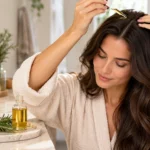
When it comes to haircare, selecting a hairstyle that complements one’s face shape and personal style can make a substantial difference. Regular visits to the hairstylist, or at-home upkeep if you prefer a more hands-on approach, ensures that your hair looks healthy and well-maintained. Additionally, using quality hair care products suitable for your hair type can elevate your look; whether you have oily, dry, or color-treated hair, a tailored routine can help you achieve the desired results.
Skincare is another critical aspect of grooming that not only contributes to aesthetics but also affects overall confidence. Establishing a skincare routine that includes cleansing, exfoliating, moisturizing, and sun protection can yield significant benefits. Individuals should choose products that suit their skin types, whether oily, dry, or sensitive. By caring for your skin, you will not only improve its appearance but also enhance your confidence, making you feel more comfortable in your own skin.
Incorporating grooming into your daily regimen can be an investment in yourself that pays off through improved self-confidence. Simple grooming tips, such as a fresh haircut or a skincare update, can elevate your overall look and empower you to express yourself through your fashion choices with greater assurance.
Building a Supportive Fashion Community
Fashion is not merely about clothing choices; it embodies self-expression and identity, significantly impacting one’s confidence and well-being. Engaging with a supportive fashion community can greatly enhance this experience, offering myriad benefits that foster positive body image and personal growth. Becoming part of a group of like-minded individuals encourages the exchange of ideas, styles, and perspectives, creating an inclusive atmosphere where everyone can feel valued and accepted.
Connecting with others who share similar fashion interests offers opportunities for personal reflection and affirmation. In this environment, members can share their fashion journeys, whether that involves embracing new trends or navigating personal styles. Feedback from peers can provide valuable insights, helping individuals refine their choices and gain confidence in their clothing selections. Moreover, such a community can encourage experimentation and risk-taking in fashion, allowing individuals to step outside of their comfort zones and explore new styles.
Over time, the bonds formed in these supportive spaces can lead to lasting friendships and networks. This sense of camaraderie can be vital for those facing challenges with body image or self-esteem. Engaging in discussions surrounding fashion dilemmas or victories—such as finding that perfect outfit or learning to style a piece confidently—provides emotional support and validation. Celebrating each other’s achievements fosters an environment where everyone feels encouraged to authentically express themselves.
To find a suitable community, consider joining online forums, social media groups, or local meetups focused on fashion and body positivity. Participating in these spaces not only enriches your own experience but contributes to the collective empowerment of all its members. Supporting each other in personal style journeys is essential for building a robust, confident fashion community that thrives on inclusivity and acceptance.