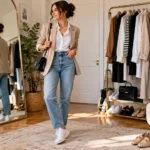

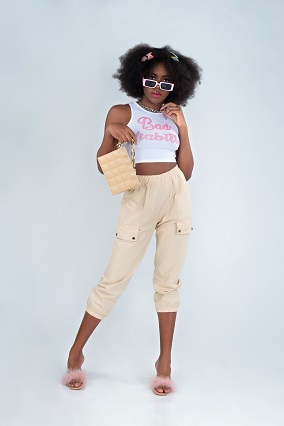
Fashion is a dynamic and ever-evolving realm, characterized by a continuous dialogue between tradition and innovation. Historically, fashion rules have served as guidelines established to reflect social norms, cultural values, and artistic movements of their time. From the rigid bodices of the Victorian era to the rebellious flapper dresses of the 1920s, each period has imposed specific aesthetic standards that dictated what was deemed acceptable attire.
The reasons behind the existence of these fashion rules are as varied as the trends themselves. They often stem from cultural traditions, historical events, and even economic conditions. For instance, the post-war era witnessed the emergence of conservative dress codes, which were influenced by a desire for stability and normalcy. On the contrary, the rise of individualism in the late 20th century gave birth to a more fluid interpretation of style, prompting people to explore and redefine their personal identities through their fashion choices.
In recent years, there has been a notable shift towards breaking conventional fashion norms. This trend can be attributed to the increasing acceptance of diversity and self-expression in contemporary society. Social media platforms have played a pivotal role in democratizing fashion, allowing individuals from various backgrounds to showcase their unique styles and challenge established norms. As a result, the once rigid structures that governed fashion have begun to dissolve, leading to a more inclusive and experimental approach.
Today, individuals are encouraged to embrace their authenticity, often rejecting outdated fashion rules that no longer resonate with modern sensibilities. This evolution illustrates that fashion is not merely about following trends; rather, it is an artistic medium through which people articulate their personalities and societal perspectives. As we explore the various fashion rules that can confidently be broken, it becomes evident that the future of style is not just in adherence to guidelines, but in the courage to redefine them.
Breaking the Color Matching Rule
The conventional wisdom in fashion dictates that matching colors is essential for a polished and cohesive look. Many people believe that coordinating hues is not just desirable but necessary to achieve a sophisticated aesthetic. However, as fashion evolves, so do the rules, and one of the most exciting trends is the embrace of clashing colors. This bold approach not only allows individuals to express their unique style but also adds a level of creativity and vibrancy to one’s wardrobe.
Mixing and matching colors can result in striking combinations that make a statement. For example, pairing bright orange with deep purple or combining various shades of blue can create a visually stimulating outfit. When experimenting with clashing colors, it’s essential to consider the overall mood you want to convey. Bright, bold palettes can evoke a sense of energy and playfulness, while contrasting darker colors can project elegance and sophistication.
To increase confidence when embracing this style, begin with smaller pieces. Accessories such as scarves, handbags, or shoes can serve as perfect opportunities to test the waters. By incorporating clashing colors in accessories, one can maintain a cohesive outfit while still exploring this trend. Additionally, consider the color wheel; colors that are opposite each other, like yellow and purple, create a dynamic look. Similarly, complementary colors can enhance the overall effect, making the outfit more visually appealing.
Ultimately, breaking the rule of matching colors invites creativity. The key is to remain true to one’s style while daring to combine colors that may not traditionally work together. This newfound confidence in clashing can redefine how individuals perceive and enjoy their fashion choices, illustrating that personal style is not bound by rules but rather inspired by individuality.
Rule #2: Only Wear White After Labor Day
The long-standing fashion rule dictating that white clothing should only be worn between Memorial Day and Labor Day has become increasingly outdated in contemporary style discourse. This guideline, historically rooted in socio-economic status and seasonal wardrobe changes, has lost its relevance in today’s diverse fashion landscape. Modern fashion reflects an evolving understanding of personal expression, allowing individuals the freedom to wear white at any time of the year.
Today, white clothing transcends seasonal perceptions, making it a versatile choice for multiple occasions regardless of the month. During the colder months, crisp white pieces can bring freshness to layered outfits. Styling a white sweater with dark jeans or an overcoat can create a sophisticated and enduring look that defies the old restriction. Accessories also play a vital role in making white outfits appropriate for winter; consider pairing a white top with rich, vibrant hues like emerald green or burgundy, enhancing the season’s color palette.
In spring and summer, white clothing naturally aligns with warm weather, promoting a sense of lightness and ease. A white sundress or linen shirt is perfect for outdoor events, embodying the essence of sunny days. As fall arrives, incorporating white into transitional styles becomes seamless; a white turtleneck under a chic fall blazer offers an ideal blend of comfort and elegance. Moreover, experimenting with different textures—such as combining white denim with a chunky knit—allows for creative styling that sets one apart.
Ultimately, breaking the rule of wearing white only until Labor Day not only allows for individual fashion statements but also encourages a broader understanding of clothing as a year-round expression. Fashion’s dynamic nature invites all to embrace white beyond outdated norms, spearheading personal style choices that resonate throughout the seasons.
Rule #3: Accessories Should Be Subtle
For many years, the fashion narrative has endorsed the idea that accessories should be subtle, acting more as complementary elements rather than focal points of an outfit. However, this rule is one that can be confidently challenged. Accessories present a unique opportunity for personal expression and can transform a simple outfit into a statement of individuality.
Bolder accessories, such as statement necklaces, oversized hats, and vibrant bags, serve not only to add flavor to your style but also to inject a dose of authenticity into your appearance. By selecting pieces that resonate with your personality, you can create a look that is not only stylish but also distinctly yours. For instance, a chunky bracelet or an eye-catching pair of earrings can draw attention and enhance your overall ensemble, allowing others to see the confident persona you wish to portray.
Layering accessories is another effective strategy that allows for greater customization of your look. Consider pairing multiple necklaces of varying lengths or mixing and matching rings across both hands. Such combinations can create a vibrant and cohesive visual narrative. Additionally, don’t shy away from contrasting textures and colors; a leather bag with a knitted scarf or metal earrings with wooden bangles can lead to unexpectedly delightful results.
In essence, the concept of subtlety in accessories can limit creativity and personal style. By embracing bold jewelry, distinctive hats, and eye-catching bags, you can redefine your fashion identity. Instead of adhering strictly to the traditional guidelines, it is advisable to flaunt your accessories as empowered expressions of self, creating an impression that is simultaneously stylish and confident.
Rule #4: Dress for Your Body Type
Traditionally, fashion guidelines have suggested that individuals dress in accordance with their body types, categorizing shapes into well-defined classifications such as apple, pear, hourglass, and rectangle. These classifications often dictate which styles are considered flattering, creating a restrictive framework that can limit personal expression. However, it is essential to recognize that clothing should primarily be a form of self-expression rather than a set of rules to abide by.
Breaking away from the conventional wisdom of dressing for body type empowers individuals to embrace a more liberating approach to fashion. Each person’s unique body shape can be adorned in myriad styles that resonate with their personal taste and aesthetic. Whether one prefers tailored looks, flowing silhouettes, or vibrant patterns, the key is to choose garments that evoke confidence and joy.
Moreover, experimenting with various styles can lead to the discovery of unexpected favorites that enhance one’s wardrobe. Fashion is an evolving landscape where creativity plays an integral role. For instance, a person who identifies with a pear shape may find themselves feeling empowered in fitted tops paired with wide-leg trousers, a combination traditionally considered unconventional for their specific body type. This act of defiance against established norms fosters a culture of inclusivity, where everyone feels welcome to explore their style.
Ultimately, the mantra of dressing for your body type should be replaced with the affirmation of dressing for your happiness. The goal should be to cultivate a wardrobe that embraces individuality and promotes self-confidence. Throw away the outdated notion that you must fit into specific categories in fashion; instead, dare to wear what makes you feel fabulous, regardless of body shape. The freedom to express oneself authentically is what truly defines personal style.
Rule #5: High-Heels Are Always Required for Formal Events
The conventional wisdom surrounding formal attire often dictates that high heels are a requisite for women attending formal events. However, this belief can be critically examined from a modern perspective that values both style and comfort. The tradition of high heels being synonymous with elegance is gradually being challenged as fashion enthusiasts increasingly opt for stylish alternatives that do not compromise personal comfort.
Flats, for instance, are a fashionable substitute that can lend an air of sophistication to formal outfits without the discomfort typically associated with high heels. Designers are now crafting chic flats adorned with embellishments, sleek designs, and luxurious materials that make them appropriate for even the most elegant affairs. Furthermore, sneakers have found their way into the realm of high fashion, with many brands releasing sophisticated styles that pair well with formal attire. A well-tailored suit or an evening dress can seamlessly combine with a sleek pair of designer sneakers, creating a statement that defies traditional dress codes while emphasizing individuality.
Embracing comfort does not entail sacrificing elegance. The key to achieving a formal look without the constraints of high heels lies in thoughtful accessory choices and outfit coordination. Refining a look with polished handbags, statement jewelry, and elegant hairstyles can elevate any outfit. Moreover, selecting fabrics that drape well and choosing tailored fits contribute to the overall impression of sophistication. By intentionally curating a wardrobe that prioritizes both comfort and fashion-forwardness, individuals can confidently express their personal style at formal events.
Breaking the Mold of Fashion Trends
The fashion industry often sets a high standard, showcasing trendy items through models who wear them in specific ways to capture attention. This can create a sense of pressure on consumers, compelling them to imitate these looks in their entirety. However, the truth is that one can confidently deviate from the conventional styling rules that dictate how these items should be worn. Individuality in fashion is not only encouraged but is essential for personal expression.
Trendy items can be adapted and personalized to suit one’s unique style and comfort levels. Instead of conforming to the prescribed way of wearing a particular garment or accessory, fashion enthusiasts are encouraged to explore different combinations and variations. This opens up avenues for creativity, allowing individuals to forge a personal identity within the realm of fashion.
For example, a dress featured on a runway might be styled with high heels and bold jewelry, but it can still look stunning when paired with casual sneakers and minimal accessories. Such a shift not only reflects personal comfort but also enhances one’s overall aesthetic. Trends are often cyclical, integrating elements from various eras, so there is also room for historical references and modern reinterpretations in how they are styled.
The key to embracing trendy items lies in self-awareness: knowing what works best for one’s body shape, color preferences, and lifestyle. By taking creative liberties with fashion, individuals can embrace trends while effectively making them their own. This not only promotes a stronger sense of confidence but also a more inclusive fashion landscape where diverse styles and interpretations thrive.
Fashion is for Everyone
One of the most pervasive misconceptions in the world of fashion is that it is a domain reserved primarily for the young. This stereotype has led many individuals, particularly those in older age groups, to believe that their personal style should be stifled or subdued as they age. However, this viewpoint is increasingly being challenged by contemporary fashion advocates and enthusiasts, who argue vehemently that style knows no age limits.
Fashion is a powerful form of self-expression, and individuals of any age can and should embrace it with confidence. The essence of style lies not in adhering to arbitrary age-related guidelines, but rather in showcasing one’s personality and creativity. By breaking free from the notion that youthful appearance equates to fashionability, older individuals can explore diverse styles and trends that resonate with their own tastes and lifestyles.
Additionally, the fashion industry is gradually evolving to become more inclusive, recognizing that consumers span all age groups. With the rise of social media, many influencers and trendsetters are shattering age barriers, showcasing their unique looks and inspiring others to follow suit. There is a wealth of fashion inspiration available for those who no longer fit the traditional mold of youth-centric style. Brands are increasingly designing collections intended for a broader audience, which encourages individuals of all ages to don attire that reflects their identity.
In conclusion, everyone should feel empowered to express their style, regardless of age. Fashion is not merely a privilege for the young; it is an arena where all can engage and celebrate their uniqueness. The key takeaway here is to embrace change, experiment with new trends, and wear what feels right rather than what one believes is acceptable for their age group. By doing so, one can redefine the narrative surrounding fashion and age, contributing to a more inclusive and dynamic aesthetic landscape.
Conclusion: Embracing Your Own Fashion Rules
As we explored throughout this post, fashion is a personal journey that should be defined by your individual tastes and preferences rather than constrained by societal norms or outdated guidelines. The traditional fashion rules, which have governed style decisions for decades, can be reinterpreted and even disregarded, allowing for a unique expression that genuinely reflects who you are. Each point discussed highlights the flexibility within fashion; whether it’s mixing patterns, pairing casual with formal, or daring to wear white after Labor Day, the key message is to prioritize personal style.
Breaking fashion rules can lead to greater creativity and self-confidence. Embracing the unconventional not only helps cultivate a wardrobe that feels authentic but also encourages others to explore their creativity as well. It is about finding joy in the outfits you choose to wear and feeling empowered to express your identity through your attire. Remember, the essence of fashion is not to fit into a mold, but to use it as a canvas for self-expression.
Ultimately, the best fashion advice is to wear what makes you feel good. By adopting a more liberated approach to style, you can discard any rules that do not resonate with you and solidify your personal fashion perspective. Each person’s style is unique, and what may not work for one individual could be the perfect fit for another. So go ahead—wear those bold patterns, mix textures, and step outside the conventional boundaries. Celebrate your individuality, and let your fashion choices reflect your spirit and personality.