
Developing a personal style is essential for expressing individuality and building confidence in daily life. To begin this journey, one must consider a few critical elements, such as body shape, color palettes, and personal lifestyle. Recognizing your body shape is crucial because it informs the types of clothing that will flatter your figure. For example, hourglass figures often benefit from form-fitting clothes that accentuate the waist, while pear-shaped bodies may favor clothing that draws attention to the upper body. By understanding your body shape, you can select pieces that make you feel comfortable and stylish. Equally important is the color palette. Colors can affect mood and can enhance or detract from your natural beauty. Identifying colors that complement your skin tone, hair color, and eye color allows for the creation of a cohesive wardrobe. Individuals can experiment with seasonal color analysis, which categorizes colors into winter, spring, summer, and autumn palettes. This exercise often leads to a clearer understanding of which shades resonate most with you.
Your lifestyle should heavily influence your wardrobe choices. Consider how often you attend formal events, engage in physical activity, or have a casual work environment. A lifestyle that frequently requires business attire might necessitate a collection of professional clothing, while a more laid-back lifestyle allows for casual, comfortable attire. It’s crucial to curate your wardrobe based on practical needs while ensuring it also reflects your personality.
Finally, drawing inspiration from fashion icons or current trends can invigorate your style. However, it is important to filter such inspiration through the lens of your preferences, ensuring authenticity remains at the forefront of your fashion choices. Incorporating elements from admired figures can help evolve your style, as long as it remains aligned with your unique tastes.
Building a Versatile Wardrobe
A well-curated wardrobe is fundamental to achieving a stylish and confident look. To create a versatile wardrobe, one must focus on essential pieces that cater to a variety of occasions and personal styles. These essentials include basic items, statement pieces, and seasonal garments that can seamlessly integrate into different outfits.
Starting with basics, every wardrobe needs foundational items that work as the building blocks for any ensemble. Think of classic white t-shirts, tailored dress shirts, well-fitting jeans, and neutral-colored trousers. These items are timeless and can be easily mixed and matched with more intricate pieces. Prioritizing quality over quantity is crucial when selecting these staples, as high-quality fabrics will withstand the test of time, providing comfort and longevity.
Following the basics, incorporating statement items enhances the versatility of the wardrobe. These are pieces that showcase personal flair, such as bold-patterned blouses, vibrant dresses, or uniquely designed jackets. Statement items should be chosen carefully to ensure they complement the foundational pieces, creating outfits that highlight individual style while remaining cohesive.
Seasonal pieces also play a significant role in maintaining a versatile wardrobe. Investing in items suitable for different climates—such as lightweight dresses for spring, cozy sweaters for fall, and breathable fabrics for summer—ensures that fashion is not compromised regardless of the season. Versatile footwear, such as classic pumps, stylish sneakers, and elegant flats, further enhances the adaptability of the ensemble.
In conclusion, building a versatile wardrobe is about selecting key pieces that are interchangeable and serve multiple purposes. By focusing on quality basics, eye-catching statement items, and appropriate seasonal garments, one can easily achieve a stylish and confident appearance every day.
Accessorizing for Impact
Accessorizing is an essential aspect of fashion that can significantly elevate any outfit, instilling a sense of style and confidence. The right accessories, such as jewelry, handbags, and shoes, serve not only as functional items but also as statement pieces that can define personal style. Understanding how to select and combine these accessories is key to achieving a polished and impactful appearance.
Jewelry is one of the most versatile forms of accessories available. Whether opting for statement necklaces, delicate bracelets, or bold earrings, it is crucial to choose pieces that complement the outfit rather than compete with it. For example, pairing a vibrant patterned dress with understated gold hoop earrings can create a sophisticated balance. Alternatively, a minimalist outfit can be enhanced by selecting a chunky statement necklace that draws attention without overwhelming the entire look.
Handbags also play a pivotal role in accessorizing. The selection of a handbag should reflect both functionality and style. For daily errands, a classic tote may provide ample space while maintaining an elegant silhouette. On the other hand, an evening event may call for a clutch that adds a touch of glamour. It’s advisable to consider the color palette and texture of the handbag to ensure it seamlessly integrates with the rest of the outfit.
Shoes can tie an outfit together or completely change its vibe. A pair of chic ankle boots can add edge to a feminine dress, while classic pumps can enhance a tailored suit’s elegance. When selecting shoes, factors such as comfort and color coordination should be prioritized. For instance, neutral-toned shoes can be a safe yet stylish choice, enhancing versatility across various outfits.
Ultimately, the art of accessorizing revolves around complementing personal style and creating a cohesive look. By thoughtfully selecting the right jewelry, handbags, and shoes, individuals can effectively express their personality while ensuring they always appear stylish and confident.
Grooming and Personal Care Tips
Grooming and personal care play a critical role in cultivating a stylish and confident appearance. The foundation of this begins with a rigorous skincare routine, which should be tailored to individual skin types. Essential steps include cleansing, exfoliating, moisturizing, and applying sunscreen. By following these steps, individuals can ensure that their skin remains vibrant and healthy, providing a radiant canvas for any look.
Following skincare, hair care is another vital aspect of grooming. Regular trims are essential to maintain a polished hairstyle, while appropriate hair care products tailored to one’s hair type can significantly enhance texture and shine. Whether opting for sleek hairstyles or effortless waves, proper maintenance can transform one’s overall appearance, reflecting personal style choices effectively.
Additionally, personal hygiene cannot be overlooked; daily grooming habits, such as showering, dental care, and using deodorant, are essential for feeling fresh and clean. These practices not only affect how others perceive you, but they also contribute to enhanced personal confidence. Furthermore, wearing clean and well-fitting clothing can elevate your aesthetic considerably. Pay attention to how pieces fit and feel against your body, as this will influence the overall vibe you project.
Beyond physical grooming, the significance of posture should also not be dismissed. Standing tall and maintaining good posture not only creates a more streamlined silhouette but also instills a sense of self-assurance. Embracing confident body language can profoundly impact how one feels and is perceived in social and professional settings.
Incorporating these grooming tips into daily routines not only enhances one’s appearance but also boosts self-esteem and fosters a polished overall look. Emphasizing personal care is an investment in oneself, leading to daily expressions of style and confidence.
Dressing for Different Occasions
Understanding the nuances of dressing for different occasions is vital for projecting style and confidence. The attire one chooses sends messages about professionalism, respect, and preference. Navigating dress codes, whether for casual outings, workplace environments, or formal events, requires a clear grasp of expectations associated with each setting.
For casual outings, such as social gatherings or weekend brunches, the focus can be on comfort while still maintaining a stylish appearance. Outfits that include smart-casual attire such as well-fitted denim paired with a stylish top or a casual dress are ideal choices. Accessories can elevate even the simplest looks, while comfortable shoes allow for mobility without sacrificing style. The key is to choose pieces that reflect personal style while accommodating the relaxed nature of the occasion.
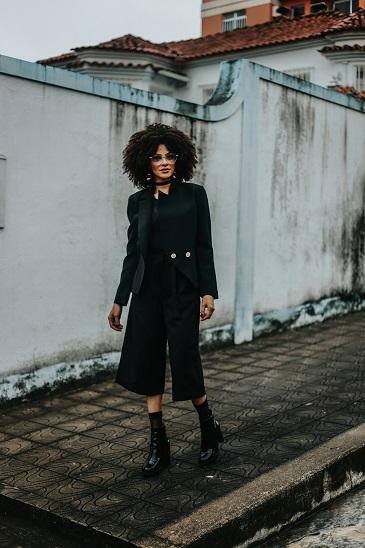
When it comes to workplace attire, understanding the company culture plays a significant role in dressing appropriately. Some workplaces may adopt a business casual dress code, allowing for a mix of professionalism and personal flair. In such environments, chinos and button-up shirts or blouses can be perfect, while skirts or tailored trousers offer a polished look for women. On the other hand, more formal workplaces may necessitate classic suits or dresses. The right mix of color and accessories can ensure the outfit remains stylish yet appropriate.
Finally, formal events such as weddings, galas, or business functions often come with specific dress codes. Invitations typically specify attire such as black tie, cocktail, or formal wear. It is crucial to interpret these terms correctly; for instance, a “black tie” event might call for a tuxedo for men and an elegant evening gown for women. Knowing what to wear not only sets the tone for the occasion but also instills self-confidence in attendees.
The Power of Colors and Patterns
Colors and patterns hold profound significance in the realm of fashion and personal style. The psychology of colors suggests that they can elicit various emotional responses, influencing not only how we feel but also how others perceive us. For instance, warm tones such as reds and yellows often evoke energy and optimism, while cooler hues like blues and greens tend to promote calmness and serenity. Understanding your skin tone is crucial when selecting colors, as certain shades can enhance your complexion, drawing out your natural beauty.
Individuals with warm undertones may find that earth tones, such as peach, olive green, and warm browns complement their natural coloring. Conversely, those with cool undertones often look striking in jewel tones, such as sapphire blue, emerald green, and rich purples. By incorporating colors that align with your inherent tones, you can foster a more confident appearance.
Patterns can also play a pivotal role in creating a stylish look. Stripes, florals, polka dots, and animal prints not only add visual interest to an outfit but also express personal style. However, the key lies in how these patterns are integrated into your wardrobe. For instance, pairing a bold patterned blouse with solid trousers allows the print to stand out without overwhelming the entire look. Additionally, mixing patterns can be effective, but it requires careful consideration; different scales and colors can coexist harmoniously when balanced correctly.
When accessorizing, use colors and patterns to enhance your outfits further. A printed scarf or statement handbag can add dimension and excitement to an ensemble without overshadowing the primary pieces. Ultimately, utilizing colors and patterns thoughtfully can significantly elevate your style, conveying confidence and contributing to an overall polished appearance.
Shopping Smart: Budgeting and Sustainability
In the contemporary fashion landscape, shopping smartly has become imperative, especially for those looking to maintain both style and financial responsibility. Establishing a budget is a fundamental first step; by determining a reasonable monthly clothing expenditure, individuals can prioritize their purchases without overspending. This approach not only allows for thoughtful selection but also curbs impulsive buying, helping shoppers make empowered decisions that reflect personal style.
Another significant aspect of shopping smart is sustainability. As the fashion industry grapples with its environmental footprint, many consumers are now focusing on ethical practices when selecting their attire. Embracing sustainable shopping habits can involve prioritizing brands that utilize eco-friendly materials or engage in fair trade practices. In addition, investing in timeless pieces that transcend seasonal trends proves to be a wise strategy—these classic items not only enhance a wardrobe’s versatility but also reduce the need for frequent replacements and the allure of fast fashion.
Thrifting is emerging as a popular alternative for those seeking both affordability and uniqueness in their clothing. Often regarded as a treasure hunt, thrift shops offer an eclectic mix of garments, providing an opportunity to discover one-of-a-kind items that reflect individual style. Furthermore, purchasing second-hand clothing contributes to sustainability by reducing waste and minimizing the demand for new production. This practice not only saves money but also promotes a more circular fashion economy.
In essence, effective shopping combines budgeting with sustainable practices. By prioritizing quality over quantity, investing in versatile wardrobe staples, and embracing second-hand shopping, individuals can cultivate a stylish and environmentally conscious wardrobe without exceeding their financial boundaries.
Confidence Boosting Techniques
Boosting one’s confidence is a fundamental aspect of cultivating a stylish and personal aesthetic. It is often said that confidence is the best accessory one can wear. To embark on this journey, individuals can utilize various techniques that focus on the mental aspects of style.
One effective method for enhancing self-confidence is through the practice of positive affirmations. Engaging in daily affirmations can reshape negative thoughts and foster a more positive self-image. This practice encourages individuals to voice their strengths and potential, thereby reinforcing their self-worth. For instance, stating, “I embody style and elegance” can help to establish a mindset that aligns with their desired personal style.
Another significant technique is embracing kindividuality. Instead of conforming to societal standards of beauty and style, it is essential for individuals to celebrate their unique qualities. Acknowledging and accepting one’s features, body type, and personal fashion preferences cultivates authenticity. When individuals wear what resonates with them, it naturally enhances their confidence. Fashion is diverse, and comfort should lead the choices one makes in terms of style. Wearing clothing that reflects one’s personality often leads to an aura of confidence.
The connection between style and self-esteem cannot be understated. When individuals feel good in what they wear, their confidence increases, positively influencing their interactions and presence. A well-chosen outfit can act as a powerful tool in expressing one’s identity, allowing individuals to communicate a sense of self-assuredness and poise.
In summary, instilling confidence through positive affirmations and embracing uniqueness can significantly impact an individual’s style. The conscious effort to foster these mental aspects not only enhances personal style but also contributes to overall self-esteem, empowering individuals to express themselves more confidently every day.
Staying Informed on Fashion Trends
Staying informed about fashion trends is crucial for anyone looking to enhance their style and confidence on a daily basis. Fashion is an ever-evolving industry, with new styles, colors, and patterns emerging every season. To keep up with these changes, it is essential to utilize a variety of resources. Social media platforms, specifically Instagram and Pinterest, serve as popular tools to discover the latest trends and influences from fashion influencers and designers. Following reputable fashion accounts can provide real-time updates and inspiration that can be seamlessly integrated into your wardrobe.
Fashion magazines remain a classic method to gain deeper insights into the industry. Publications such as Vogue, Harper’s Bazaar, and Elle offer a curated look at seasonal collections and trend predictions from experts. They often provide styling tips and showcase how to adapt high-fashion looks into everyday wear. Though some may perceive physical magazines as dated, their glossy pages can still ignite creativity and help individuals remain fashionable.
In addition to digital platforms and traditional magazines, fashion blogs can serve as invaluable resources. Many bloggers provide relatable content, sharing their personal style stories and how they incorporate trends into their outfits. These platforms can offer fresh perspectives and practical advice specifically catered to individuals’ tastes. Moreover, engaging with the community in comments or discussions can foster a richer understanding of how these trends resonate with diverse lifestyles.
However, while staying abreast of fashion trends is important, one must strive to interpret and adapt trends in a way that aligns with their unique personal style. By doing so, individuals can avoid simply following trends blindly. Instead, they can create outfits that reflect their personality, ensuring confidence in their choices. Finding a balance between current trends and personal aesthetics is key to looking stylish and feeling self-assured.