

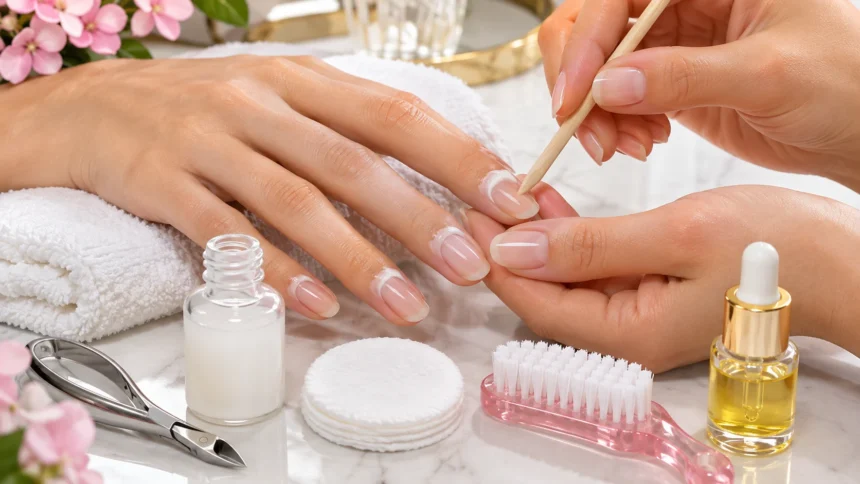
How to Use Cuticle Remover Safely
Learning how to use cuticle remover safely is important for maintaining healthy nails and protecting the skin around them. Using too much product or leaving it on for too long can cause dryness, irritation, and discomfort. Fortunately, a gentle nail care routine can help you manage excess dead skin without damaging the natural protective barrier around your nails.
Cuticle removers come in different forms, including gels, liquids, and creams. These products are designed to soften dead skin, making it easier to manage during a manicure or pedicure. However, some formulas contain strong ingredients that can irritate sensitive skin, so understanding the product instructions is essential before adding one to your regular nail care routine.
Taking a careful approach to cuticle care can help prevent common nail problems and unnecessary discomfort. You do not need to remove your natural cuticles completely to maintain clean and healthy nails. Instead, focus on gentle cleaning, proper moisturizing, and protecting the delicate skin surrounding each nail throughout your regular hand and nail care routine.
What Is a Cuticle Remover and How Does It Work?
A cuticle remover is a nail care product designed to soften excess dead skin found on or near the nail plate. It works by loosening the buildup of dead skin cells that may collect around the base of your nails. This can make routine nail maintenance easier without requiring unnecessary pressure, pulling, or aggressive scraping.
Different cuticle removers contain different ingredients, which means their strength and recommended application methods can vary. Some formulas contain alkaline ingredients that help break down dead skin, while others focus on softening and conditioning the surrounding area. Reading the ingredient information can help you understand whether a particular product is appropriate for your skin and nails.
It is important to understand that the living skin around your nails serves a protective purpose. This natural barrier helps prevent bacteria and other harmful substances from entering the area where your nails grow. Therefore, you should never use a cuticle remover to eliminate healthy, firmly attached skin or damage the protective seal around your nails.
Choose the Right Cuticle Remover for Your Nails
Choosing a suitable cuticle remover is an important part of protecting your nails and surrounding skin. Look for products with clear ingredient information, proper safety warnings, and easy-to-understand application instructions on their packaging. Avoid products that do not provide these important details because you may not know how strong they are or how they should be used.
People with sensitive skin should be especially careful when selecting chemical nail care products. Fragrances, strong ingredients, and certain preservatives may cause unwanted skin reactions in some individuals. If you frequently experience redness or irritation around your nails, a gentle moisturizer or cuticle oil may be a more suitable alternative to a chemical cuticle remover.
The condition of your nails should also influence the products you choose for your manicure routine. If your cuticles are simply dry or rough, you may not need a remover at all. Regular moisturizing can help soften the surrounding skin while protecting its natural function, making it a practical option for maintaining comfortable and healthy nails.
Step 1: Prepare Your Nails Before Application
Preparing your nails properly helps you identify any existing skin problems before using a cuticle care product. Begin by washing your hands with mild soap and lukewarm water to remove everyday dirt, oil, and other impurities. Clean hands also make it easier to examine the condition of your nails and the skin surrounding them.
After washing your hands, gently dry them using a clean and soft towel. Pay attention to the areas around your nails, especially if you have dry skin, small cracks, or sensitive cuticles. Avoid rubbing your hands aggressively because excessive friction can irritate delicate skin and make an existing problem worse before you begin your manicure.
Check your nails carefully for signs of redness, swelling, open cuts, or unusual discomfort before applying any chemical nail care product. If you notice these symptoms, avoid using cuticle remover until the problem has resolved. Applying strong products to damaged skin can increase irritation and may interfere with the skin’s natural healing and protective processes.
Step 2: Read the Cuticle Remover Instructions
One of the most important steps in learning how to use cuticle remover is reading the instructions provided by the manufacturer. Every product has its own ingredients, strength, and recommended contact time, so general advice cannot replace specific product directions. Following these instructions helps reduce unnecessary exposure and protects the delicate skin surrounding your nails.
Pay close attention to the safety warnings printed on the packaging before beginning your nail care routine. Some products may not be suitable for damaged skin, sensitive areas, or certain existing skin conditions. You should also check whether the manufacturer provides special directions about rinsing, application frequency, and what to do if irritation occurs during use.
Never assume that leaving a cuticle remover on for longer will provide better results or make your nails easier to maintain. Longer exposure to certain ingredients may increase the risk of skin damage and chemical burns. If the instructions are unclear or missing, choose a gentler nail care alternative instead of guessing how to use the product.
Step 3: Follow the Recommended Application Directions
If you decide to use a cuticle remover, follow the application directions exactly as they appear on the product packaging. Avoid using more than the recommended amount or allowing the product to spread unnecessarily across your hands. Keeping chemical exposure limited to the product’s intended use can help reduce the chances of unwanted skin reactions.
Be aware of how your skin responds whenever you use a chemical cuticle care product. Burning, stinging, pain, or sudden redness can indicate that the product is irritating your skin. If you experience any of these warning signs, stop using the product immediately and rinse the affected area thoroughly with plenty of running water.
Remember that complete cuticle removal is neither necessary nor recommended for maintaining healthy nails and improving your nail care routine. You should avoid using chemical products on healthy, attached skin simply to change its appearance. A careful approach that respects the natural protective barrier around your nails is more important than achieving a particular manicure result.
Step 4: Protect the Skin Around Your Nails
The skin surrounding your nails plays an essential role in protecting the nail growth area from everyday exposure to germs. Damaging this protective barrier can increase the chances of irritation, inflammation, and nail infections. For this reason, you should avoid cutting, pulling, or aggressively pushing back the natural skin around the base of your nails.
Sharp manicure tools can create small injuries that may not be immediately noticeable during a nail care routine. Even minor damage can allow bacteria to enter the surrounding skin and cause discomfort or infection. Avoid scraping the nail surface or using unnecessary force when managing dry skin or loose material around your fingernails and toenails.
If excess skin remains firmly attached after using a nail care product, leave it alone rather than trying to remove it completely. Healthy cuticles and surrounding skin are normal features of your nails that serve important protective functions. Regular moisturizing and gentle cleaning are usually more appropriate than repeatedly attempting to remove this natural layer of protection.
Step 5: Rinse Away the Remaining Cuticle Remover
Removing any remaining product is an important part of a safe cuticle care routine. Chemical residue left on your skin may continue to cause irritation, especially when the product contains stronger ingredients. Follow the manufacturer’s rinsing instructions carefully to prevent unnecessary contact between the product and the sensitive skin around your nails and fingers.
Avoid using additional chemicals or homemade mixtures to remove or neutralize a cuticle remover unless specifically directed by the product manufacturer. Combining different substances can create unexpected reactions or make existing irritation worse. For unwanted chemical exposure, rinsing thoroughly with running water is an important first response while seeking appropriate medical advice when needed.
Once your hands are clean, gently dry them with a soft towel and check the condition of your surrounding skin. If you notice persistent redness, swelling, pain, or blistering, avoid applying additional manicure products to the affected area. Seek medical attention for significant or ongoing symptoms rather than continuing with your usual nail care routine.
Step 6: Moisturize Your Nails and Cuticles
Moisturizing your hands after a manicure helps maintain the natural moisture balance of your skin and nails. Frequent handwashing, cold weather, and exposure to household cleaning products can contribute to dryness around your fingernails. Applying a gentle hand cream regularly can help reduce this dryness and support the natural protective barrier surrounding each of your nails.
Cuticle oil is another option for keeping the skin around your nails soft and comfortable. Many products contain moisturizing ingredients such as jojoba oil, sunflower oil, or other conditioning oils that help reduce moisture loss. However, choose a product that your skin tolerates well and discontinue its use if you experience irritation or an allergic reaction.
Regular moisturizing can also reduce the need for frequent cuticle remover use by helping prevent excessive dryness and rough skin. You can include a gentle moisturizer in your daily routine, particularly after washing your hands or completing household tasks. Consistent nail care is often more beneficial than occasionally using strong products to address accumulated dryness or discomfort.
Common Mistakes to Avoid When Using Cuticle Remover
Leaving cuticle remover on your skin for longer than recommended is one of the most common nail care mistakes. Some people assume that extended contact will soften more skin and provide better results during a manicure. However, prolonged chemical exposure can increase the risk of irritation, dryness, and damage without offering meaningful benefits for nail health.
Another common mistake is attempting to remove every visible piece of skin around the nails. Aggressive cutting, scraping, and pulling can damage the protective barrier that helps keep bacteria away from the nail growth area. Instead of focusing on complete removal, prioritize gentle cleaning and moisturizing while allowing healthy, attached skin to remain in its natural position.
Using cuticle remover too frequently or applying it to already irritated skin can also create unnecessary problems. Your nails and surrounding skin do not require repeated chemical treatment to remain clean and healthy. Following product directions, maintaining good hand hygiene, and avoiding harsh manicure techniques can help you prevent many common mistakes associated with cuticle care.
How Often Should You Use Cuticle Remover?
There is no universal schedule for using cuticle remover because individual skin conditions and product formulas can vary considerably. Some people may not need chemical cuticle care products at all, particularly if their nails and surrounding skin are healthy. Daily application is generally unnecessary and may increase the chances of dryness, irritation, and damage over time.
The best approach is to consider why you want to use a cuticle remover before making it part of your routine. If your main concern is dry or rough skin, regular moisturizing may provide a gentler solution. Addressing the underlying dryness can help maintain comfortable skin without relying on repeated exposure to stronger chemical ingredients.
Always follow the manufacturer’s recommendations regarding application frequency and discontinue use if you notice any unwanted skin reactions. People who experience repeated irritation should consider speaking with a dermatologist about suitable nail care options. Developing a simple and consistent hand care routine can help support healthy nails without unnecessary treatments or excessive use of cosmetic products.
Conclusion
Understanding how to use cuticle remover safely can help you protect your nails and avoid common problems associated with chemical nail care products. Choosing a suitable product, reading the instructions, and avoiding excessive exposure are important parts of responsible use. These simple precautions can reduce unnecessary irritation while supporting the natural health of your nails and surrounding skin.
A healthy nail care routine should focus on gentle cleaning, regular moisturizing, and protecting the natural barrier around your nails. Avoid cutting healthy cuticles, using sharp tools aggressively, or applying chemical products to damaged skin. If your cuticles are dry or uncomfortable, consider using a gentle moisturizer or cuticle oil before turning to stronger treatment options.
Ultimately, maintaining healthy nails does not require expensive products, complicated routines, or complete cuticle removal. Paying attention to your skin’s needs and following safe nail care practices can make a meaningful difference over time. By prioritizing comfort and protection, you can maintain clean, healthy nails while reducing the risk of irritation, damage, and unnecessary discomfort.
FAQs
How long should you leave cuticle remover on?
Follow the exact contact time mentioned on the product packaging because different formulas have different strengths. Leaving cuticle remover on longer than recommended may cause skin irritation or chemical burns.
Should you wash your hands after using cuticle remover?
Follow the manufacturer’s rinsing instructions to remove any remaining product. Thorough rinsing helps prevent unnecessary chemical exposure and reduces the chances of irritation around your nails and surrounding skin.
Can cuticle remover damage your nails?
Yes, improper or excessive use can damage the surrounding skin and potentially affect nail health. Prolonged exposure, aggressive scraping, and applying remover to damaged skin can increase these risks.
Can you use cuticle remover every day?
Daily use is generally unnecessary and may cause dryness or irritation. A gentle hand cream or moisturizing cuticle oil is usually a more suitable option for regular nail care.
What can I use instead of cuticle remover?
You can use a gentle hand moisturizer, cuticle oil, or petroleum jelly to soften dry skin around your nails. These alternatives help maintain moisture without removing the natural protective barrier.