
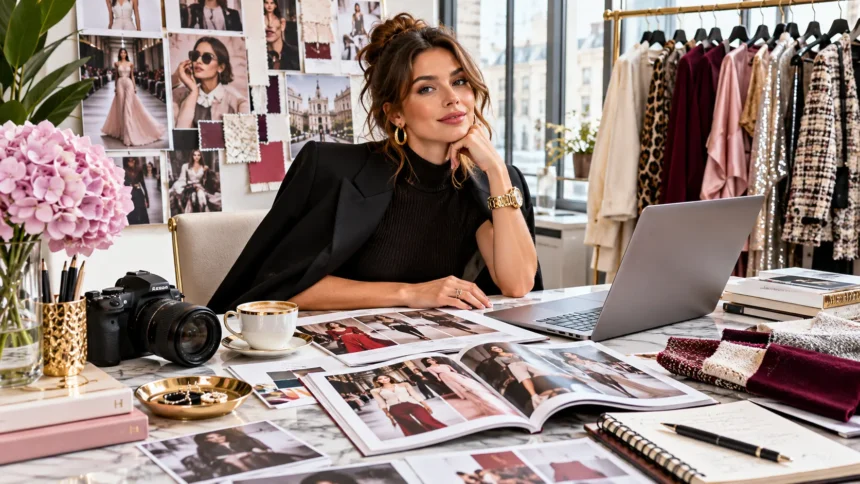
Fashion editing combines creativity, storytelling, and an understanding of changing style trends. A fashion editor helps shape how clothing, accessories, designers, and fashion ideas appear in magazines, websites, and digital publications. The job involves more than choosing beautiful outfits because it also requires research, planning, communication, and strong editorial judgment.
This fashion editor career guide explains the skills, qualifications, responsibilities, and career opportunities involved in the profession. Whether you enjoy fashion journalism, styling, or creative content production, understanding the role can help you choose a suitable career path.
What Is a Fashion Editor?
A fashion editor is a creative professional responsible for planning, selecting, and managing fashion-related content for publications and media platforms. Their work may appear in fashion magazines, online blogs, social media channels, and brand publications. They help ensure that fashion stories match the publication’s identity while providing useful and engaging information for readers.
Fashion editors work closely with photographers, stylists, writers, designers, and creative directors to develop visual and written content. They may review upcoming fashion collections, organize editorial photoshoots, or select seasonal trends worth featuring. Their decisions influence how audiences discover new styles and understand developments within the fashion industry.
Unlike fashion designers, who create clothing, fashion editors focus on presenting and explaining fashion to an audience. They combine visual creativity with editorial planning to develop meaningful stories. Successful editors understand both current fashion trends and the interests of their readers, allowing them to produce content that feels relevant and inspiring.
What Does a Fashion Editor Do?
A fashion editor manages different stages of fashion content production, from choosing topics to reviewing finished articles and images. Their responsibilities often include researching trends, developing story ideas, and coordinating fashion shoots. They also check whether published material follows editorial standards and communicates a consistent message to the intended audience.
Another important responsibility involves working with fashion brands, public relations teams, and industry professionals. Editors may attend fashion shows, review designer collections, and interview creative personalities. These activities help them gather information, identify interesting developments, and build professional relationships that support future editorial projects and fashion coverage.
Daily responsibilities depend on the publication and the editor’s position within the organization. A digital fashion editor might focus on website articles, search visibility, and social media content. Meanwhile, a magazine fashion editor may spend more time planning print layouts, coordinating photography, and selecting clothing for upcoming editorial features.
How to Become a Fashion Editor
Becoming a fashion editor usually begins with developing an interest in fashion, writing, and visual storytelling. Students can explore fashion magazines, follow designer collections, and study how professional publications present different trends. Understanding fashion history, clothing terminology, and editorial storytelling provides a useful foundation for entering this competitive creative industry.
Many aspiring editors study journalism, fashion communication, English, media studies, or related subjects. However, a particular degree is not always required because employers may also value strong writing samples and practical experience. Building a portfolio through blogging, student publications, or independent fashion projects can demonstrate creativity and editorial skills.
Entry-level positions provide opportunities to understand professional publishing workflows and improve communication abilities. Aspiring editors may begin as editorial assistants, fashion writers, content coordinators, or production interns. Over time, completing successful assignments and developing industry connections can create opportunities to move into more specialized editorial positions.
Essential Skills Every Fashion Editor Needs
Strong writing and editing abilities are essential because fashion editors must communicate ideas clearly and accurately. They need to recognize interesting stories, improve article structure, and maintain a consistent editorial voice. Understanding grammar, storytelling techniques, and audience expectations helps them create content that readers find informative, entertaining, and easy to understand.
Visual judgment is equally important because fashion content often depends on photography, styling, and presentation. Editors should understand color combinations, garment silhouettes, fashion aesthetics, and basic image composition. These skills help them select photographs, develop mood boards, and communicate creative concepts to photographers, designers, and styling professionals.
Organization and teamwork also play major roles in editorial success. Fashion editors frequently manage deadlines, coordinate contributors, and review several projects at the same time. Digital skills, including content management systems, basic SEO, and analytics interpretation, can provide additional advantages when working for modern fashion websites and online publications.
Fashion Editor Education and Qualifications
A formal education can help aspiring fashion editors understand journalism principles, visual communication, and the business side of fashion publishing. Relevant programs include fashion journalism, communications, creative writing, and fashion marketing. These subjects develop research, presentation, and editorial planning skills that can support long-term professional development in the industry.
Practical experience is often just as valuable as academic knowledge. Working on a university magazine, contributing to an online fashion publication, or assisting with creative projects can demonstrate initiative. Employers frequently consider portfolios, published articles, and professional experience when evaluating candidates for editorial roles within their organizations.
Additional training can strengthen specific abilities and improve employment opportunities. Courses in fashion styling, photography, digital marketing, and content strategy can help candidates understand different parts of editorial production. Learning how to interpret website performance or manage publishing platforms may also prepare editors for positions involving digital fashion content.
How to Build a Fashion Editorial Portfolio
A fashion editorial portfolio showcases your creativity, writing ability, visual judgment, and understanding of style. It should include carefully selected projects that reflect the kind of work you want to pursue. Beginners can create sample fashion articles, trend reports, product features, or visual mood boards even without previous professional experience.
Quality matters more than the number of projects included in a portfolio. Each piece should demonstrate a clear editorial concept, thoughtful research, and an understanding of its intended audience. For example, a seasonal fashion feature could explain practical outfit combinations while presenting attractive photography and helpful styling observations.
An online portfolio makes it easier to share work with potential employers, clients, and collaborators. A personal website or professional publishing platform can organize articles, images, and completed projects in one place. Regularly updating your portfolio with stronger examples also demonstrates professional growth and an active interest in fashion publishing.
Fashion Editor vs. Fashion Stylist: Key Differences
A fashion editor and a fashion stylist often collaborate, but their responsibilities are different. Fashion editors usually manage the overall editorial direction of stories, images, and publication content. They decide which topics deserve coverage, how stories should be presented, and whether the finished material meets the publication’s creative and editorial expectations.
Fashion stylists primarily focus on selecting clothing, accessories, and outfit combinations for photographs, campaigns, or public appearances. Their responsibilities may include sourcing garments, preparing looks, and coordinating wardrobe details during photoshoots. Stylists use their knowledge of fashion aesthetics to create visual presentations that communicate a specific mood or message.
Both careers require creativity, communication skills, and awareness of fashion trends. However, editorial work generally involves broader storytelling and content management responsibilities, while styling focuses more directly on clothing presentation. Understanding these differences helps aspiring professionals choose the career path that best matches their interests, strengths, and preferred working environment.
Different Types of Fashion Editors
Fashion publications employ different kinds of editors depending on their content, audience, and business model. A magazine fashion editor may oversee seasonal features, designer interviews, and editorial photoshoots. Their work requires balancing creative concepts with production schedules, publication standards, and the visual identity established by the magazine’s editorial leadership.
Digital fashion editors focus on content published through websites, newsletters, and other online platforms. They may research search trends, plan digital articles, optimize headlines, and evaluate audience engagement. Their responsibilities often combine traditional editorial judgment with an understanding of online publishing, search engine optimization, and changing reader behavior.
Specialized editorial roles may focus on fashion news, accessories, shopping, beauty, or luxury clothing. For example, a shopping editor researches products and develops buying guides that help readers make informed decisions. A fashion features editor may concentrate on interviews, cultural stories, and detailed reporting about designers, movements, and industry developments.
Fashion Editor Salary and Career Opportunities
Fashion editor salaries vary according to experience, location, employer, and level of responsibility. Entry-level editorial positions generally offer lower compensation than senior editing or creative leadership roles. Professionals working for established publications or managing major editorial teams may earn more, although opportunities and pay structures differ across organizations and markets.
Career growth often begins with positions such as editorial assistant, junior writer, or fashion content coordinator. After gaining experience, professionals may advance into assistant fashion editor, fashion editor, senior editor, or fashion director roles. Each advancement typically involves greater responsibility for content planning, creative decisions, team coordination, and overall publication quality.
Fashion editors can also explore opportunities outside traditional magazines and newspapers. E-commerce businesses, digital media companies, fashion retailers, and creative agencies regularly produce editorial-style content. Freelance editing, brand storytelling, and independent fashion publishing may offer alternative career paths for professionals interested in flexible projects and diverse creative assignments.
How to Gain Experience in Fashion Editing
Gaining practical experience is one of the most useful steps toward becoming a fashion editor. Beginners can contribute articles to student magazines, local publications, or independent fashion websites. These projects provide opportunities to practice researching topics, meeting deadlines, editing written material, and understanding how editorial teams develop content for specific audiences.
Internships and assistant positions can introduce aspiring editors to professional fashion publishing environments. Participants may help organize samples, research designers, prepare editorial documents, or coordinate photoshoot arrangements. Although responsibilities vary, these experiences can reveal how creative ideas move from initial planning to finished articles and visual features.
Independent projects also provide valuable experience when formal opportunities are limited. Starting a fashion blog, creating a digital magazine, or collaborating with emerging photographers can demonstrate initiative. Documenting completed projects and explaining your creative decisions helps potential employers understand your abilities, working methods, and commitment to developing editorial expertise.
Fashion Editorial Planning: Easy Examples
Editorial planning begins with understanding the publication’s audience and deciding which fashion topics will interest them. For example, a lifestyle website might develop a seasonal article featuring comfortable autumn outfits for everyday activities. The editor would research relevant trends, establish the story’s direction, and organize the material around practical reader needs.
A magazine photoshoot requires a different planning process because visual storytelling takes priority. An editor might create a concept centered on modern minimalist fashion, using neutral clothing, simple accessories, and clean photography. Working with stylists and photographers, the editor helps ensure that each image supports the story’s overall mood and creative purpose.
A digital shopping guide offers another useful example of fashion editorial work. The editor may compare everyday wardrobe essentials, examine product details, and explain how different pieces suit various situations. Accurate descriptions, balanced recommendations, and clear organization help readers make informed choices while maintaining the publication’s editorial credibility.
How Fashion Editors Research Trends
Fashion editors research trends by reviewing designer collections, fashion events, retail developments, and changes in consumer interests. They examine how colors, fabrics, silhouettes, and styling approaches appear across different parts of the industry. This research helps them identify developments that may provide useful or interesting subjects for future editorial content.
Social media, street-style photography, and fashion communities can reveal how people interpret emerging trends in everyday life. However, editors should avoid treating every popular online outfit as a lasting movement. Comparing information from multiple sources helps them distinguish between short-lived attention, seasonal preferences, and broader changes in fashion culture.
Strong trend reporting also considers practicality, accessibility, and audience relevance. A fashion editor writing about oversized tailoring might explain suitable fabrics, layering options, and everyday outfit combinations. Instead of simply declaring a trend popular, effective editorial content helps readers understand its characteristics and decide whether it fits their personal preferences.
How Fashion Editors Work With Creative Teams
Fashion editing involves regular collaboration with professionals who contribute different creative and technical skills. Editors work with writers to improve stories, photographers to develop imagery, and stylists to create suitable clothing combinations. Clear communication helps everyone understand the editorial concept, required deliverables, and expectations for the finished publication.
Before a photoshoot, editors may prepare creative briefs outlining the intended mood, visual references, clothing direction, and publication requirements. These documents help photographers, stylists, makeup artists, and production teams coordinate their contributions. Effective preparation can reduce confusion, improve creative consistency, and keep projects moving according to established deadlines.
Feedback is another important part of successful collaboration. Editors must explain requested changes clearly while respecting the experience and contributions of other professionals. Constructive communication helps teams solve creative challenges, refine visual details, and produce fashion stories that reflect both the original concept and the publication’s standards.
Digital Fashion Editing and SEO Skills
Digital publishing has expanded the responsibilities of modern fashion editors. Alongside writing and visual planning, many editors now consider search visibility, website structure, and reader engagement. Understanding how people search for outfit inspiration, designer information, and shopping advice can help editors develop content that answers relevant questions and attracts interested audiences.
Search engine optimization supports fashion publishing when it improves the organization and usefulness of articles. Editors may research keywords, create descriptive headings, and develop clear meta titles that accurately represent page content. They should prioritize helpful information and natural language rather than repeating keywords excessively or creating articles solely for search rankings.
Performance analysis also helps editors understand which topics resonate with readers. Website analytics can reveal popular articles, traffic sources, and patterns in audience engagement. These findings can guide future editorial planning, although creative judgment, accuracy, and reader trust should remain central to every publishing decision and content development strategy.
Common Challenges in a Fashion Editor Career
Fashion editing can be demanding because publications often operate under strict deadlines and changing production schedules. Editors may need to review several stories, coordinate creative contributors, and respond to unexpected changes. Developing strong organizational habits and realistic project timelines helps professionals manage these responsibilities without sacrificing the quality of their work.
Competition for established editorial positions can also be challenging, particularly for beginners with limited publishing experience. Building a distinctive portfolio, improving technical skills, and developing professional relationships can strengthen career opportunities. Consistent practice and thoughtful feedback help aspiring editors refine their strengths while identifying areas that require additional development.
Another challenge involves balancing creativity with commercial expectations and editorial independence. Fashion publications may collaborate with advertisers, retailers, and clothing brands while producing editorial content. Clear disclosure of sponsored relationships, accurate product information, and responsible publishing decisions help maintain credibility and protect the trust readers place in fashion media.
Practical Tips for Becoming a Successful Fashion Editor
Reading different fashion publications can improve your understanding of storytelling styles, editorial formats, and audience expectations. Study how magazines use photography, how websites explain trends, and how writers structure interviews. Paying attention to these details helps develop stronger editorial judgment and provides inspiration for original projects without copying another publication’s work.
Developing a recognizable editorial perspective can also support long-term career growth. Some editors specialize in sustainable fashion, while others focus on emerging designers, accessible styling, or luxury collections. Choosing subjects that genuinely interest you makes it easier to build knowledge, develop thoughtful ideas, and create a portfolio that demonstrates consistent professional direction.
Professional relationships and continuous learning are equally important for career development. Communicate respectfully with collaborators, meet agreed deadlines, and remain open to constructive feedback. Fashion publishing continues to evolve through technology and changing consumer interests, so editors who adapt their skills and remain curious can pursue new creative opportunities.
Conclusion
A career in fashion editing offers opportunities to combine creativity, communication, and industry knowledge. Fashion editors shape the stories and visual content that help audiences understand clothing, designers, and emerging trends. Their responsibilities require thoughtful research, editorial judgment, teamwork, and the ability to communicate fashion ideas clearly.
This fashion editor career guide highlights the importance of developing practical skills, gaining publishing experience, and building a strong editorial portfolio. Aspiring editors can begin with independent projects, internships, or entry-level content positions. Learning about fashion journalism, digital publishing, and visual storytelling can create a useful foundation for professional growth.
Success in fashion editing usually develops through consistent practice, curiosity, and meaningful creative collaboration. Staying informed about industry changes while focusing on accurate and engaging content can strengthen your career prospects. With dedication and a clear editorial direction, fashion editing can become a rewarding professional path.
Frequently Asked Questions
What qualifications do you need to become a fashion editor?
A degree in journalism, fashion communication, English, or media studies can be helpful but is not always required. Employers also value strong writing skills, editorial experience, industry knowledge, and a professional portfolio.
Can you become a fashion editor without a fashion degree?
Yes, you can become a fashion editor without a fashion degree. Building an impressive portfolio, gaining relevant publishing experience, and developing writing, editing, and fashion research skills can help you qualify for editorial opportunities.
What is the difference between a fashion editor and a fashion designer?
A fashion editor plans and manages fashion-related stories, articles, and visual content. A fashion designer creates clothing and accessories, focusing on garment concepts, materials, construction, and the development of original fashion collections.
Is fashion editing a good career?
Fashion editing can be a rewarding career for people interested in fashion, writing, and creative storytelling. However, the industry can be competitive, and success often requires practical experience, professional relationships, adaptability, and consistent skill development.
How can beginners start a career in fashion editing?
Beginners can start by writing fashion articles, creating editorial projects, and building an online portfolio. Applying for internships, contributing to publications, and learning digital content skills can help them gain experience and explore professional opportunities.