

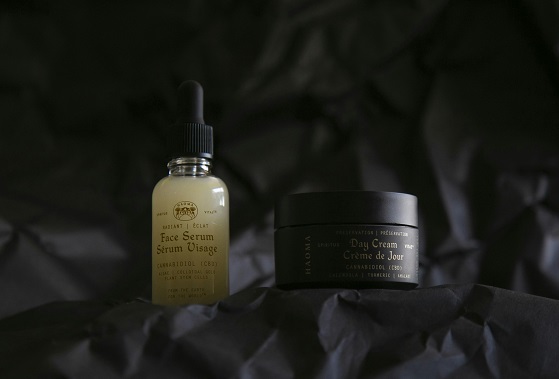
In the realm of skincare, the importance of understanding product labels cannot be overstated. Skincare labels serve as a window into the formulation and efficacy of the product, providing crucial information that can significantly affect one’s skin health. For consumers striving to maintain optimal skin health, taking the time to read these labels is a step that should not be overlooked. Often, the key to achieving desired skincare results lies in deciphering the science behind the ingredients listed on these labels. One of the primary reasons for reading skincare product labels is the ability to make informed choices. In an industry saturated with marketing claims and trendy ingredients, labels offer substantive details that empower consumers. By familiarizing oneself with the terminology used, individuals can distinguish between items that are beneficial for their specific skin types and those that may cause irritation or other adverse reactions. Knowledge of active ingredients, such as retinoids, antioxidants, and peptides, can guide users toward products that align with their skincare goals.
Furthermore, critical examination of skincare labels fosters a deeper understanding of how certain components interact with the skin. Different skin types react uniquely to various ingredients, and what works for one individual might not necessarily suit another. Therefore, gaining insights from labels not only promotes healthier skin but also assists consumers in effectively curating their skincare routines. By being equipped with knowledge about allergens, irritants, and beneficial compounds, individuals can avoid common pitfalls and optimize their skincare regimens.
In summary, engaging with skincare product labels is essential for anyone interested in advancing their skincare knowledge and efficacy. A well-informed consumer is better positioned to achieve their skincare aspirations, turning the journey into a more successful and personalized experience.
Decoding Ingredients Lists
Understanding the ingredients list on skincare product labels is essential for individuals seeking to make informed choices about their skincare routine. Each ingredient is listed in descending order based on its concentration in the product. This means that the first few ingredients are crucial, as they represent the primary components of the formulation. It’s important to pay attention to this hierarchy as it can significantly impact the efficacy of the product.
When examining the ingredients, one should particularly look for active ingredients known for their beneficial properties. For example, hyaluronic acid is renowned for its hydrating qualities, while salicylic acid is favored for its acne-fighting abilities. Other noteworthy components include retinol, which plays an important role in anti-aging skincare, and vitamin C, celebrated for its antioxidant properties and brightening effects. Identifying these active ingredients can guide a consumer towards products that best address their specific skin concerns.
Conversely, it is also vital to recognize potentially harmful ingredients that consumers may wish to avoid. Ingredients such as parabens, sulfates, and synthetic fragrances can cause adverse reactions in sensitive skin and may disrupt skin health in the long term. Additionally, artificial dyes and certain alcohols can also strip the skin of its natural moisture, leading to dryness and irritation. Awareness of these ingredients can enhance one’s ability to select skin care products that align with their values and skin health requirements.
Ultimately, being knowledgeable about the ingredients found on skincare labels empowers consumers to make better choices, ensuring that they select products that are safe and beneficial for their skin. Understanding the significance of both key active ingredients to seek out and harmful components to avoid facilitates a more discerning approach to skincare shopping.
Understanding Different Types of Products
When navigating the skincare aisle, it is essential to recognize the diverse types of skincare products available, as each type serves a unique purpose in enhancing the overall health and appearance of the skin. The primary categories include cleansers, moisturizers, serums, and treatments. Understanding the differences and the components listed on their labels can significantly influence your skincare routine.
Cleansers are the foundation of any skincare regimen, designed to remove impurities, makeup, and excess oil from the skin. The labels of cleansers often indicate whether they are gel-based, cream-based, or oil-based. Ingredients such as salicylic acid or glycolic acid are commonly found in cleansers tailored for oily or acne-prone skin, whereas gentler formulas may contain hydrating components like aloe vera or chamomile for sensitive skin types.
Moisturizers aim to hydrate and maintain the skin’s moisture barrier. Their labels can indicate whether they are lightweight lotions, creams, or gels. Key ingredients to consider include hyaluronic acid, which draws moisture into the skin, and occlusives such as shea butter or petrolatum that create a protective seal. Those looking for anti-aging benefits might seek products containing peptides or retinol, clearly marked on the packaging.
Serums are concentrated formulations designed to deliver potent ingredients deep into the skin. Labels often highlight active ingredients like vitamin C for brightening or niacinamide for improving skin tone. The texture and formulation — whether oil-based or water-based — will also influence the effectiveness and absorption of the serum.
Treatments encompass a wide array of products for specific skin concerns like acne, hyperpigmentation, or rosacea. Ingredients such as benzoyl peroxide, alpha hydroxy acids, or retinoids are commonly found in these labels. Understanding the specific function of these components can guide your choice, ensuring you select a treatment that effectively addresses your unique skin issues.
Active Ingredients: What to Look For
Active ingredients play a crucial role in the effectiveness of skincare products. They are the components that deliver the desired results, addressing various skin concerns such as aging, dryness, or uneven skin tone. Understanding these ingredients can empower consumers to make informed choices regarding their skincare regimen.
One of the most widely recognized active ingredients is retinol. This derivative of vitamin A promotes cell turnover, effectively reducing the appearance of fine lines and wrinkles. Retinol is particularly beneficial for individuals seeking anti-aging solutions, as it can enhance skin texture and tone over time.
Another significant active ingredient is hyaluronic acid. Known for its remarkable ability to retain moisture, this ingredient is ideal for individuals with dry or dehydrated skin. By holding up to 1,000 times its weight in water, hyaluronic acid helps in plumping the skin, providing a youthful appearance while mitigating the effects of environmental stressors.
Vitamin C is also essential when examining skincare product labels. As a potent antioxidant, it helps protect the skin from free radical damage caused by UV exposure and pollution. Moreover, vitamin C is renowned for its ability to brighten the complexion and diminish hyperpigmentation, making it a popular choice for those looking to improve skin clarity and radiance.
When analyzing product ingredients, it’s also beneficial to look for additional compounds like peptides, which stimulate collagen production, or niacinamide, which helps strengthen the skin’s barrier. By familiarizing oneself with these active ingredients, consumers can better target their specific skin concerns and optimize their skincare routines. Therefore, prioritizing the right active ingredients is essential for achieving desired skincare outcomes.
The Role of Fragrance and Preservatives
Fragrances and preservatives are common components found in a wide array of skincare products. Their inclusion serves distinct purposes, both functional and aesthetic. Fragrance, for instance, is used primarily to enhance the sensory experience of using a product. A pleasant scent can contribute to the overall enjoyment of a skincare regimen, making it more appealing to consumers.
However, the use of fragrance can also introduce potential irritants, particularly for individuals with sensitive skin or conditions such as eczema. Synthetic fragrances may trigger allergic reactions or skin sensitivities in some users. When evaluating skincare labels, it is prudent to look for products labeled as “fragrance-free” or those that use natural essential oils. These alternatives tend to be milder and could mitigate the risk of irritation.
Preservatives, on the other hand, are essential in preventing microbial growth and extending the shelf life of skincare products. While they are critical for maintaining product integrity, some preservatives can potentially cause skin reactions. Ingredients like parabens, once ubiquitous in the industry, have come under scrutiny for their possible hormonal effects. Conversely, preservatives like phenoxyethanol and ethylhexylglycerin are often viewed as safer, though users are encouraged to research and assess their personal sensitivities.
Understanding the function and potential impact of fragrances and preservatives can aid consumers in making informed choices. It is crucial to consider individual skin types and conditions when evaluating skincare products. Consulting a dermatologist, particularly for those with known sensitivities, can provide personalized guidance on whether specific ingredients could be beneficial or harmful.
Natural vs. Synthetic Ingredients
The discussion surrounding natural versus synthetic ingredients in skincare product labels is both complex and significant. Many consumers are increasingly conscious of what they apply to their skin and often seek products with ingredients they believe are safer or more effective. Natural ingredients typically originate from plants and minerals, while synthetic ingredients are chemically formulated in laboratories.
One of the primary advantages of natural ingredients is their perceived gentleness on the skin, as they often contain fewer chemicals that could potentially cause irritation or allergic reactions. Common natural ingredients include aloe vera, essential oils, and botanical extracts, which are known for their nourishing properties. However, it is crucial to note that some individuals may still experience sensitivity to natural compounds.
Synthetic ingredients, on the other hand, can provide consistency and stability in formulations. They can enhance product efficacy, enabling better absorption or extended shelf life. For example, ingredients like hyaluronic acid and retinoids, although synthetic, have proven benefits for skin hydration and aging concerns, respectively. Nevertheless, there has been considerable debate regarding the bioavailability and long-term effects of some synthetic compounds.
When analyzing labels, consumers should be attentive to ingredient lists that distinguish between natural and synthetic components. Natural ingredients are often highlighted, while synthetic ones may appear under complex chemical names that could be challenging to interpret. Utilizing resources like ingredient dictionaries, consumers can educate themselves about the potential benefits and drawbacks of each type, helping them to make informed choices that resonate with their personal skincare philosophy.
Certifications and Claims on Labels
Understanding the certifications and claims on skincare product labels is essential for consumers who aim to make informed choices regarding their skincare routine. Certifications such as “cruelty-free,” “vegan,” and “organic” serve as indicators of a product’s ethical standards and ingredient sourcing. For instance, a “cruelty-free” certification signifies that the product has not been tested on animals, appealing to consumers who prioritize animal welfare. Likewise, a “vegan” label ensures that the formulation does not include any animal-derived ingredients, making it suitable for individuals following a vegan lifestyle.
The term “organic” on labels indicates that specific ingredients are derived from organic farming practices, promoting environmental sustainability and reducing chemical exposure. It is crucial to note that different certifying organizations may have varying standards for these labels, so consumers should research the certifying bodies to understand their credibility.
In addition to certifications, product claims like “hypoallergenic” and “non-comedogenic” are often highlighted. A “hypoallergenic” claim suggests that the product is less likely to cause allergic reactions, although it does not guarantee that no one will react to it. Similarly, the “non-comedogenic” label indicates that the product is formulated to not clog pores, which is particularly beneficial for individuals with oily or acne-prone skin.
It is vital for consumers to interpret these claims with caution. While certifications and claims provide valuable information, the efficacy of a product also depends on individual skin types. Therefore, a clear understanding of these terms and their implications will empower consumers to choose products that suit their skin needs better.
Reading Between the Lines: Marketing Language
When delving into the world of skincare, it is essential to understand that product labels are often laden with marketing language designed to attract consumer interest. Words like “miracle,” “anti-aging,” and “natural” can appear appealing; however, these terms frequently lack precise definitions. As consumers, we must cultivate the ability to critically analyze these phrases to discern genuine quality from marketing gimmicks.
One common tactic employed by brands is the use of buzzwords that evoke positive associations without necessarily providing valuable information. For example, the term “hypoallergenic” suggests that a product is less likely to cause allergic reactions, but this label is not regulated and may not guarantee safety for every skin type. Similarly, products labeled as “dermatologist-tested” may simply indicate that they were evaluated by a dermatologist, but this does not ensure that they are effective or suitable for individual needs.
Moreover, terms such as “clinically proven” are often followed by small print detailing the conditions under which the studies were conducted. It’s crucial to question the credibility of these claims and to seek independent reviews or studies supporting the brand’s assertions. Additionally, understanding the common regulatory standards can help consumers identify which terms are more meaningful than others. For instance, labels that comply with recognized certifications generally hold more weight than vague claims.
To develop a discerning eye, potential skincare buyers should familiarize themselves with common marketing tactics and terminology. This knowledge empowers individuals to make informed decisions based on ingredients and empirical evidence rather than being swayed by appealing but misleading marketing language. Critical thinking can transform the shopping experience from a mere transaction into an informed choice, ultimately ensuring that the selected skincare products genuinely meet one’s needs.
Putting It All Together: Making Informed Decisions
Incorporating knowledge gained from understanding skincare product labels is essential for making informed decisions about personal care purchases. When shopping for skincare products, it is crucial to assess individual skin type and needs. Recognizing factors such as skin sensitivity, oiliness, dryness, or conditions like eczema or acne can direct consumers toward products that are more likely to be suited for their unique situations.
When evaluating product labels, always begin by checking the ingredient list, noting the order of ingredients from highest to lowest concentration. Look for active ingredients that have been scientifically proven to support skin health, such as hyaluronic acid for hydration, salicylic acid for acne, or vitamin C for brightening. If a product lists highly fragrant compounds or alcohol-based ingredients at the top, it may indicate potential irritation. Instead, favor products with nourishing oils and gentle botanicals that cater to your skin’s specific needs.
Additionally, consider the product’s formulation and the presence of harmful additives. For instance, be wary of products that contain sulfates, parabens, or artificial colors, which might not align with a commitment to skin health. Always consult trusted sources when unsure about certain ingredients or their functions. Online ingredient databases or resources can provide clarity and further understanding.
To avoid impulse buys, maintain a checklist based on your skin’s requirements to ensure each purchase contributes positively to your skincare regimen. This also minimizes the chances of acquiring products that may not work for your skin type or could cause adverse reactions.
By weighing these factors, consumers can enhance their shopping experience and ultimately select products that promote healthy skin and overall well-being.