
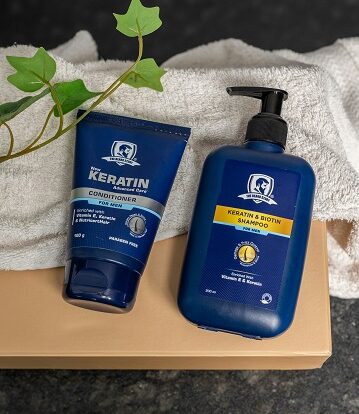
To achieve shiny, healthy hair, it is essential to understand the structure of hair structure and the factors that influence its health. Hair is composed primarily of a protein called keratin and can be divided into three main parts: the cuticle, cortex, and medulla. Each of these components plays a critical role in determining the overall appearance and strength of hair. The cuticle is the outermost layer of hair, consisting of overlapping cells that protect the inner structures. This layer serves as a barrier against external elements such as UV rays, pollution, and moisture. When the cuticle is smooth and intact, it reflects light effectively, resulting in shiny hair. However, damage to the cuticle, whether from heat styling, harsh chemical treatments, or environmental stressors, can lead to a dull and unhealthy appearance. The medulla is the innermost layer, often absent in fine hair types, but its presence can provide volume and insulation. While the medulla’s role in hair health is less pronounced compared to the cuticle and cortex, its condition is still a factor in overall hair strength. In addition to understanding these layers, it is essential to recognize the impact of external factors on hair health. Environmental stressors like pollution, heat styling practices, and chemical treatments can adversely affect the hair structure, leading to damage and loss of shine. Consequently, taking proactive measures to protect hair against these influences is vital for achieving and maintaining healthy, radiant locks.
Essential Hair Care Practices
To achieve shiny and healthy hair, it is crucial to adopt essential hair care practices that cater to the unique needs of your hair type. The foundation of a solid hair care routine begins with regular washing. It is recommended to wash your hair periodically without overdoing it, as excessive washing can strip essential oils, leading to dryness and dullness. Choose a shampoo that suits your hair type—whether it’s oily, dry, or color-treated—to maintain optimal health.
Conditioning is equally important in your hair care regimen. Conditioners help to restore moisture lost during shampooing, detangle knots, and protect the hair from environmental damage. For best results, apply a conditioner that matches your hair’s specific requirements and leave it on for a couple of minutes before rinsing thoroughly. Incorporating deep conditioning treatments weekly can also enhance the vitality of your hair.
Another vital element of hair care is detangling. Using the right techniques and tools is essential to minimize breakage and ensure smooth hair. Instead of yanking at knots when wet, which can stretch and damage the hair shaft, use a wide-toothed comb or your fingers to gently work through tangles from the ends towards the roots.
Furthermore, a balanced diet plays a significant role in hair health. Consuming a variety of nutrients, including vitamins A, C, D, and E, biotin, and omega-3 fatty acids, contributes to stronger and shinier hair. Foods rich in antioxidants, such as berries and leafy greens, can also promote circulation to the scalp, thus enhancing hair growth. Prioritizing a healthy diet not only benefits your overall well-being but also reflects positively on your hair.
By integrating these fundamental practices into your routine, you create a supportive environment for your hair to thrive, leading to the glossy, healthy locks that many aspire to achieve.
Natural Remedies for Shine and Wellness
Achieving shiny and healthy hair can be facilitated through the use of various natural remedies that harness the power of common ingredients found in nature. One of the most beneficial components for hair care is oil. Oils such as coconut, argan, and olive serve as excellent hydrating agents. Coconut oil is particularly renowned for its ability to penetrate the hair shaft, providing deep moisturization and reducing protein loss. Similarly, argan oil is rich in essential fatty acids and vitamin E, promoting not only shine but also overall hair health. Olive oil, with its nourishing properties, can enhance flexibility and manageability, making it an ideal conditioner for dull hair.
In addition to oils, herbal rinses can effectively improve hair vitality and shine. Rinsing hair with chamomile or rosemary infusions provides various advantages, including soothing the scalp and adding luminosity to the hair. Chamomile works well for those with lighter hair, enhancing natural highlights, while rosemary is well-known for its stimulating properties, potentially aiding in hair growth and health.
DIY masks made from kitchen ingredients, such as honey, yogurt, and avocado, can also significantly improve hair texture and shine. For instance, a honey and yogurt mask can help to soften the hair while providing hydration. Avocado, being rich in vitamins and nutrients, nourishes the hair and scalp effectively.
Minimizing exposure to chemical treatments is crucial for maintaining hair shine and its overall wellness. Embracing natural hair-washing techniques, such as co-washing with conditioner instead of shampoo, can also help retain moisture and natural oils, leading to healthier, shinier hair. Careful consideration of hair care methods and utilizing these natural remedies can result in beautiful, lustrous hair.
Professional Treatments and When to Seek Help
Maintaining shiny and healthy hair often involves more than just standard home care routines. There are times when professional treatments can provide significant benefits, particularly when dealing with specific concerns such as dryness, damage, or scalp issues. Understanding when to seek the expertise of a hair care professional is crucial for achieving and maintaining beautiful locks.
One popular option for those looking to revitalize their hair is deep conditioning treatments. These treatments infuse moisture and nutrients deep into the hair shaft, which can alleviate the effects of environmental damage, over-processing, or heat styling. Additionally, keratin smoothing treatments offer a way to reduce frizz and enhance shine, making them a favored choice for those with unruly, coarse hair. This treatment works by infusing the hair with keratin, a protein that naturally occurs in hair, thus promoting smoothness and improving manageability.
Scalp treatments are another crucial area of focus. If you experience issues such as itchiness, flaking, or excessive oiliness, a professional scalp treatment can help restore balance. These treatments often include exfoliation, deep cleansing, and the application of specialized serums that promote healthy scalp conditions.
It is paramount to recognize the signs that may indicate the need for professional advice. Symptoms such as excessive hair loss, breakage, or severe scalp irritation should not be overlooked. Consulting with a hair specialist can provide insights into the underlying causes of these issues and recommend appropriate solutions. Early intervention can prevent further damage and lead to a healthier hair journey. Regular professional assessments can also help identify any changes in hair health, ensuring ongoing maintenance of shiny, healthy hair.