

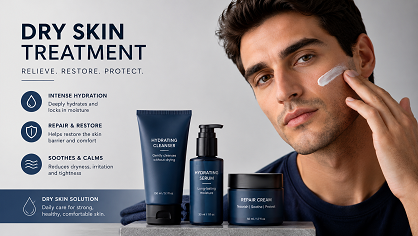
Dry skin treatment, medically known as xerosis, can result from an array of factors that affect the skin’s ability to maintain moisture. One of the primary environmental elements contributing to dry skin is low humidity levels, particularly in winter months. The cold air outside and the dry heat indoors can strip moisture from the skin. Additionally, exposure to harsh detergents or soaps can also deplete natural oils, leading to dryness. Lifestyle choices play a pivotal role in skin health. For instance, prolonged hot showers or baths can wash away oils from the skin. Poor diet, lacking essential fatty acids, vitamins, and minerals, may exacerbate skin conditions. Furthermore, inadequate water intake can lead to dehydration, significantly impacting skin appearance and health.
Underlying health conditions can also be a contributing factor to dry skin. Conditions such as eczema, psoriasis, and diabetes are frequently associated with increased skin dryness. For example, individuals with eczema often experience periods of severe skin irritation alongside dryness, while those with diabetes may face compromised skin due to fluctuating blood sugar levels.
Common symptoms of dry skin include a feeling of tightness, flaking, or scaling of the skin. In some cases, the skin may become red and itchy, leading to discomfort. Severe dryness could potentially result in cracking or bleeding, indicating a need for immediate attention. By understanding these symptoms and their causes, individuals can better address and manage their dry skin effectively.
The Importance of Hydration
Hydration is a fundamental aspect of maintaining healthy skin, influencing its texture, appearance, and overall health. The skin serves as a natural barrier and requires a sufficient amount of water to maintain its integrity and perform its functions effectively. When the body is adequately hydrated, it promotes optimal circulation, ensuring that essential nutrients are delivered to skin cells while toxins are efficiently eliminated.
Drinking an adequate amount of water each day is critical not only for bodily functions but also for the skin’s hydration levels. When the body is deprived of water, the skin can become dry, flaky, and less resilient, resulting in an undesirable appearance. On the other hand, maintaining proper hydration can lead to improved elasticity, a decrease in the appearance of fine lines, and a glowing complexion.
Moreover, hydration affects the skin’s ability to repair itself. Dry skin is often more susceptible to environmental stressors such as pollution, resulting in increased sensitivity and irritation. By ensuring that the skin remains well-hydrated, one can enhance the skin’s defense mechanisms, thereby reducing the likelihood of exacerbated reactions to irritants.
Another aspect worth noting is that hydration extends beyond just drinking water. Consuming foods with high water content, such as fruits and vegetables, also contributes to overall hydration levels. Foods like cucumbers, oranges, and strawberries can effectively supplement liquid intake and provide additional vitamins that support skin health.
In summary, the role of hydration in skin care cannot be overstated. Integrated into a daily routine, adequate water consumption and hydrating foods can significantly enhance skin texture, appearance, and resilience, acting as a natural remedy for dry skin challenges.
Natural Oils for Moisturizing
Natural oils have gained recognition as effective moisturizers for dry skin, providing an array of benefits without the harsh chemicals often found in commercial products. Among the most noted oils are coconut oil, jojoba oil, olive oil, and almond oil. Each of these oils has unique properties that not only hydrate the skin but also enhance its overall health.
Coconut oil is renowned for its deep moisturizing capabilities, as it can penetrate the skin barrier effectively. Rich in fatty acids, coconut oil helps to retain moisture while also exhibiting antibacterial properties, which can aid in preventing infections associated with dry skin. For optimal results, individuals can apply warm coconut oil directly to the skin, allowing it to fully soak in, ideally after showering.
Jojoba oil, another excellent option, closely resembles the skin’s natural sebum, making it an ideal moisturizer. Its non-comedogenic nature means it won’t clog pores, making it suitable for all skin types, including oily skin. Users can incorporate jojoba oil by applying a few drops to their face or body as needed, effectively locking in moisture while providing a protective barrier against environmental factors.
Olive oil is a staple in many households and serves as an impressive moisturizing agent. Rich in antioxidants and Vitamin E, it promotes skin elasticity and protects against oxidative damage. For use, individuals can warm a small amount of olive oil and gently massage it into areas with dry skin, allowing it to nourish and rejuvenate the skin effectively.
Lastly, almond oil is prized for its light texture and high Vitamin E content. It not only moisturizes but also soothes inflammation and irritation. Users can apply almond oil liberally after bathing or during a nightly skincare routine to maximize its hydrating benefits.
In conclusion, incorporating these natural oils into a daily skincare regimen can significantly enhance hydration levels and improve the overall appearance and feel of dry skin. Each oil offers unique properties that cater to various skin needs, making them versatile choices for nurturing moisture and promoting healthy skin.
The Role of Diet in Skin Health
Maintaining firm, supple skin is often influenced by the nutritional choices we make. A balanced diet rich in specific nutrients can significantly impact skin health, especially for those experiencing dryness. Key components associated with improving skin hydration include omega-3 fatty acids, antioxidants, and essential vitamins.
Omega-3 fatty acids, predominantly found in fatty fish such as salmon and sardines, are known for their anti-inflammatory properties. They help maintain the skin’s lipid barrier, which is crucial for retaining moisture. Moreover, nuts and seeds, such as walnuts and flaxseeds, are excellent plant-based sources of omega-3s, making them an essential addition to a skin-friendly diet.
Antioxidants also play a vital role in protecting the skin from damage caused by free radicals, which are unstable molecules that can contribute to dryness and aging. Including a variety of colorful fruits and vegetables in your meals, such as berries, spinach, and sweet potatoes, can enhance your skin’s resilience. Foods rich in vitamins C and E are particularly beneficial, as they work to confer hydration and promote collagen production.
Essential vitamins, such as vitamin A, are equally important for healthy skin. Carrots, sweet potatoes, and dark leafy greens are all excellent sources of vitamin A, which aids in skin cell turnover. Incorporating these foods into your diet can lead to improved skin texture and a reduction in dryness.
To enhance skin hydration through diet, consider meal options like a spinach and salmon salad topped with walnuts or a smoothie made with berries, banana, and almond milk. These choices not only nourish the skin but also contribute to overall wellness. In summary, adopting a diet rich in omega-3s, antioxidants, and essential vitamins can profoundly support skin health and combat dryness effectively.
DIY Natural Remedies for Dry Skin
Many individuals experience dry skin, which can be uncomfortable and even painful if left untreated. Fortunately, several DIY remedies can be concocted at home using natural ingredients readily available in most kitchens. These remedies not only help hydrate dry skin but also promote overall skin health.
One simple recipe for a natural moisturizer involves combining one tablespoon of coconut oil with a teaspoon of honey. Coconut oil is known for its excellent moisturizing properties, while honey acts as a natural humectant, drawing moisture into the skin. Simply mix the two ingredients together until well combined and apply to the affected areas. Leave it on for about 20 minutes before rinsing with warm water.
Another effective remedy is an oatmeal and yogurt mask. To create this, mix equal parts of ground oatmeal and plain yogurt (about two tablespoons each) until a smooth paste forms. Apply this soothing mask to the face or other dry patches and allow it to sit for 15 minutes. Oatmeal is renowned for its anti-inflammatory properties, and yogurt provides lactic acid which can help gently exfoliate dry skin.
For those looking for an exfoliating scrub, a simple sugar scrub can be made using two tablespoons of granulated sugar combined with one tablespoon of olive oil. Sugar naturally helps slough off dead skin cells, allowing fresh skin to emerge, while olive oil deeply moisturizes. Massage the scrub onto the skin in circular motions, then rinse off with warm water.
These natural remedies are not only budget-friendly but also free from harsh chemicals, making them an excellent choice for those seeking to treat dry skin effectively. Incorporating these homemade solutions into your skincare routine may lead to lasting hydration and healthier skin.
Developing a Natural Skincare Routine
Creating a skincare routine tailored specifically for dry skin is essential for maintaining healthy and hydrated skin. The first step in this process is selecting a gentle cleanser that does not strip the skin of its natural oils. Look for products containing natural ingredients such as aloe vera, chamomile, or honey, which effectively cleanse without causing irritation.
After cleansing, exfoliation should be approached with caution. It is important not to over-exfoliate, as this can lead to further dryness and irritation. Instead, opt for a natural exfoliant, such as a sugar or oatmeal scrub, that can be used once a week to remove dead skin cells and promote rejuvenation. This gentle exfoliation not only aids in enhancing skin texture but also allows better absorption of subsequent moisturizing products.
The most crucial aspect of a skincare routine for dry skin is the application of a moisturizer. Look for a rich, natural moisturizer packed with hydrating ingredients like shea butter, coconut oil, or jojoba oil. These ingredients are known for their ability to lock in moisture and create a protective barrier on the skin. It is advisable to apply the moisturizer right after cleansing and exfoliating while the skin is still damp; this helps in sealing in moisture more effectively.
In addition to these primary steps, consider incorporating other natural remedies such as facial oils or serums infused with ingredients like hyaluronic acid or Vitamin E. These can significantly enhance moisture retention and provide additional nourishment. Regularly reassessing and modifying your skincare routine will ensure it meets the evolving needs of your skin. By adhering to these guided steps, you can develop a natural skincare routine that will not only hydrate and nourish dry skin but also promote overall skin health.
Avoiding Common Skin Irritants
Individuals with dry skin must be vigilant about avoiding various irritants that can exacerbate their condition. One of the primary culprits is the use of harsh soaps and cleansers, which often contain sulfates and fragrances that strip the skin of its natural oils. To counteract this, it is advisable to opt for gentle, hydrating cleansers that are free from added fragrances and alcohol. Look for products labeled as hypoallergenic or specifically designed for sensitive skin to minimize the risk of irritation.
Another area that requires attention is the environment. Certain climate conditions can significantly worsen dry skin. For instance, cold weather with low humidity tends to dry out the skin, leading to increased flakiness and discomfort. Conversely, heated indoor environments can also contribute to moisture loss, making it essential to maintain adequate humidity levels at home. Utilizing a humidifier can be beneficial in counteracting dry air, particularly during winter months.
Additionally, certain skincare products may contain irritants that can lead to skin dryness and sensitivity. Ingredients such as alpha hydroxy acids, retinoids, and benzoyl peroxide are commonly found in many skincare formulations but can be too harsh for those with dry skin. It is prudent to read product labels carefully and select items that incorporate nourishing and moisturizing elements, such as hyaluronic acid, glycerin, or ceramides, to enhance hydration.
Lastly, lifestyle habits play a significant role in skin health. For instance, frequent hot showers and baths can remove essential oils from the skin. It is advisable to limit exposure to hot water and instead take shorter, lukewarm baths or showers. After bathing, remember to apply moisturizers while the skin is still damp to lock in hydration effectively. By being mindful of these common irritants and adapting skincare routines accordingly, individuals can alleviate the discomfort associated with dry skin while promoting overall skin health.
When to Seek Professional Help
While many cases of dry skin can be effectively managed with natural remedies and over-the-counter treatments, there are instances when dry skin may signal a more severe condition that requires professional intervention. Identifying these situations is crucial for maintaining skin health and overall well-being.
Firstly, persistent dryness, particularly if it lasts for several weeks despite consistent treatment at home, should prompt a visit to a healthcare provider. Conditions such as eczema, psoriasis, or dermatitis often manifest through symptoms such as redness, swelling, or the presence of flaky patches. If individuals notice these symptoms accompanying their dry skin, it may indicate an underlying condition that necessitates professional diagnosis and treatment.
Additionally, if the dry skin begins to crack or bleed, it is essential to seek medical attention. Cracked skin can lead to infections, especially if bacteria infiltrate the open wounds. Swelling or increasing pain in the affected areas can likewise signal a more severe problem that requires medical scrutiny.
Furthermore, individuals experiencing widespread dryness accompanied by other systemic symptoms—such as fatigue, fever, or significant weight loss—should consult a healthcare professional. These symptoms could suggest a potential systemic issue, like thyroid disorders or autoimmune diseases, which would necessitate a more comprehensive approach to treatment.
Ultimately, while natural treatments for dry skin can be beneficial, it is vital to recognize when professional help is warranted. Listening to one’s body and understanding the signs it presents can significantly impact one’s skin health journey. Seeking advice from a dermatologist or primary care physician can provide tailor-made solutions based on personal needs and health histories.
Conclusion: Embracing Natural Treatment for Healthier Skin
In summary, the pursuit of healthy skin can significantly benefit from natural treatments aimed at alleviating dry skin. Understanding that dry skin is often a multifaceted condition allows individuals to approach their skincare routines with a tailored strategy. Natural remedies, such as utilizing essential oils, applying hydrating masks, and opting for natural moisturizers, present effective options for enhancing skin hydration and overall health.
Moreover, integrating dietary adjustments, such as increased intake of omega-rich foods, can further nourish the skin from within. Staying hydrated by drinking ample water plays an equally critical role in maintaining skin moisture levels. These natural methods not only address the symptoms of dry skin but also promote long-term skin vitality by restoring balance and hydration.
It is essential for readers to remain proactive about their skincare journey by continuously seeking updates on new research and advancements in natural skincare solutions. The beauty and wellness industry is ever-evolving, with new findings regularly emerging that could enhance the effectiveness of our skincare routines.
By adopting these natural treatment options, individuals can cultivate a healthier skin environment that prevents dryness and encourages a vibrant appearance. In this pursuit, understanding personal skin types and addressing specific needs is vital for optimal results. Therefore, embracing natural treatments, supported by informed practices, leads to healthier, more radiant skin.