

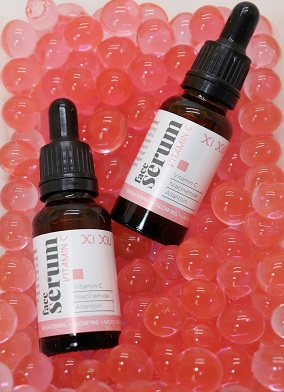
Face serums have emerged as a staple in modern skincare routines, celebrated for their ability to deliver concentrated treatments targeting specific skin concerns. Unlike traditional moisturizers, serums have a lightweight texture that allows for deeper penetration into the skin, providing a more effective dose of active ingredients. These formulations are designed to complement daily skincare by addressing issues such as dryness, acne, hyperpigmentation, and signs of aging. The key to understanding serums lies in their ingredients and formulation. Typically, serums contain higher concentrations of active compounds compared to creams and lotions. This makes them suitable for treating particular concerns, offering tailored solutions for various skin types. For instance, Vitamin C serums are renowned for their brightening properties, while hyaluronic acid serums are favored for their hydrating capabilities. Additionally, retinol serums are effective in promoting skin renewal and reducing fine lines.
Incorporating a serum into one’s skincare routine can undoubtedly enhance the overall efficacy of the regimen. The application of a serum is typically done after cleansing and toning but before moisturizing, ensuring that the active ingredients can work directly on the skin without interference from heavier products. By enhancing moisture levels and delivering essential nutrients, serums help to improve skin texture and appearance significantly.
Understanding the variety of serums available is crucial for selecting the right one to address individual skincare needs. With countless options on the market, ranging from hydrating to anti-aging formulations, it is important for consumers to identify their skin concerns and choose products accordingly. As we delve deeper into the topic, we will explore the various types of face serums and their specific benefits, assisting readers in making informed decisions about their skincare choices.
Understanding the Ingredients in Serums
When selecting a face serum, understanding the active ingredients is crucial to meet specific skin needs and addressing various concerns. One of the most popular ingredients in serums is hyaluronic acid, known for its remarkable ability to retain moisture. This naturally occurring substance can hold up to 1000 times its weight in water, making it an excellent choice for those with dry or dehydrated skin. By attracting and binding water to the skin, hyaluronic acid can help maintain skin elasticity and plumpness.
Another commonly found ingredient is vitamin C, recognized for its antioxidant properties. It aids in brightening the complexion, reducing the appearance of dark spots, and providing protection against free radicals caused by UV exposure. Similarly, vitamin E complements vitamin C by enhancing skin hydration and promoting a healthier skin barrier.
Retinol, a derivative of vitamin A, is often included in serums targeting signs of aging. It promotes cell turnover, which can minimize the appearance of fine lines and wrinkles while improving skin texture. However, retinol may not be suitable for all skin types, particularly sensitive skin, due to its potency.
Peptides are another noteworthy ingredient, recognized for their role in stimulating collagen production. These chains of amino acids can help improve skin firmness and reduce the appearance of sagging, making peptide-infused serums ideal for mature skin seeking rejuvenation.
Lastly, niacinamide is a versatile ingredient that benefits various skin types. Known for its anti-inflammatory properties, niacinamide can help regulate oil production, minimize enlarged pores, and improve skin texture. This makes it a fantastic option for those with acne-prone or oily skin.
Understanding these ingredients and their functions can empower consumers to choose a serum tailored to their specific skin type and concerns, ensuring optimal benefits from their skincare routine.
Types of Face Serums
Face serums are specialized skincare products formulated to deliver potent ingredients directly into the skin. They come in various types, each designed to target specific skin concerns and enhance skin health. Understanding these categories can assist individuals in selecting the serum that aligns most closely with their skincare needs.
Hydrating Serums are formulated to provide moisture and improve the skin’s hydration levels. These serums often contain ingredients such as hyaluronic acid and glycerin, which attract and retain moisture in the skin. Ideal for those with dry or dehydrated skin, hydrating serums can create a plump and youthful appearance.
Anti-Aging Serums target signs of aging, including fine lines, wrinkles, and loss of elasticity. Ingredients like retinol, peptides, and antioxidants are commonly found in these formulations. Suitable for mature skin, anti-aging serums help to promote cell turnover, stimulate collagen production, and improve the overall texture of the skin.
Brightening Serums aim to enhance the skin’s radiance and reduce hyperpigmentation. Often containing vitamin C, niacinamide, or licorice extract, these serums work to even out skin tone and diminish dark spots. Brightening serums are effective for individuals dealing with dullness or discoloration.
Soothing Serums are designed to calm and alleviate irritated or sensitive skin. Ingredients like aloe vera, chamomile, and calendula are often included to reduce redness and inflammation. These serums are particularly beneficial for those with sensitive or reactive skin types, providing relief and restoration.
Identifying the right type of serum involves considering individual skin concerns and goals. By choosing a serum that targets specific issues, users can enhance their skincare routine and achieve desired results more effectively.
Evaluating Your Skin Type
Choosing the right face serum begins with a thorough understanding of your skin type. Skin types generally fall into four categories: oily, dry, combination, and sensitive. Each type has unique characteristics that can impact which products will be most effective. For instance, oily skin often produces excess sebum, leading to a shiny appearance and potential breakouts, while dry skin may feel tight or flaky. Combination skin presents a mix of oily and dry areas, typically around the T-zone and cheeks. Sensitive skin can react adversely to certain products, causing irritation or redness.
Identifying Your Skincare Concerns
Once you have established your skin type, it’s essential to identify any specific skincare concerns you may have. Common issues include acne, signs of aging such as fine lines and wrinkles, and pigmentation irregularities like dark spots or uneven skin tone. Understanding these concerns is crucial for selecting a serum that targets your unique needs. For example, if you struggle with acne, look for serums containing salicylic acid or niacinamide, which can help reduce breakouts and control oil production. If aging is your primary concern, consider serums with antioxidants or peptides, which promote collagen production and skin elasticity.
Choosing the Right Ingredients
Lastly, when selecting a serum, pay attention to the ingredients list. Ingredients such as hyaluronic acid are suitable for hydration across all skin types, while vitamin C is particularly beneficial for brightening and even skin tone. It is also wise to avoid harsh chemicals or irritants, especially if you have sensitive skin. When incorporating a new serum into your routine, it may be helpful to perform a patch test to ensure compatibility with your skin. By carefully evaluating your skin type and specific concerns, you can choose a serum that will enhance your skincare regimen effectively.
When and How to Apply Serums
Understanding the appropriate timing and method for applying face serums is essential for maximizing their effectiveness in your skincare routine. Typically, serums should be applied after cleansing your face and before moisturizing. This order is crucial because cleansed skin allows serums to penetrate more effectively, delivering their active ingredients directly into the skin without barriers.
To begin with, after cleansing, it is advisable to use a toner if you incorporate one into your routine. A toner can help balance the skin’s pH and prep it for better absorption of the serum. Following the application of toner, you should wait a minute to allow it to fully absorb before proceeding to the serum.
When it comes to application, a little goes a long way. Using a dropper or pump, dispense a small amount of serum (typically 2-4 drops) into your palms. Next, gently press the serum into your skin, starting from the center of your face and moving outward. This tapping motion enhances absorption as it stimulates blood circulation in the area. It is important to avoid rubbing; instead, allow the serum to naturally settle into the skin.
For optimal results, wait a few minutes after applying the serum before following up with your moisturizer. This pause enables your skin to absorb the active ingredients effectively. If your chosen serum contains potent compounds, such as antioxidants or hydrating agents, adhering to this routine can significantly enhance your skin’s overall health.
In essence, the correct application of serums is vital for achieving the desired outcomes. Ensuring that they fit seamlessly into your existing skincare regimen will optimize their benefits, leading to healthier and more radiant skin.
Combining Different Serums
Layering multiple face serums has become an increasingly popular approach in skincare regimens, as it allows individuals to address specific skin concerns more effectively. However, it is crucial to understand how to combine different serums to enhance results while avoiding potential adverse interactions between active ingredients.
When selecting serums to layer, it is advisable to start with a lightweight formula, such as those containing hydrating ingredients like hyaluronic acid. After applying a hydrating serum, one can layer a treatment serum that targets concerns like dullness, acne, or aging. For instance, vitamin C serums are excellent for brightening the skin and providing antioxidant protection. When combined with a hyaluronic acid serum, the results can lead to a plumper, brighter complexion.
Moreover, it is essential to consider the compatibility of the active ingredients within the serums. For example, while combining a retinol serum with a vitamin C serum can be beneficial for combatting aging, applying them together may lead to irritation for some skin types. A better approach would be to apply them at different times, such as using vitamin C in the morning and retinol at night.
In contrast, pairing serums containing niacinamide and hyaluronic acid is generally well-tolerated and can enhance the skin’s hydration and barrier protection without irritation. It is also wise to patch test before fully integrating new serums into your routine, allowing time to observe any reactions.
In conclusion, the practice of combining different serums can elevate facial care routines, ensuring tailored results for an array of skin concerns. Careful consideration of ingredient interactions is necessary to maximize benefits and safeguard skin health.
Potential Side Effects and Considerations
When incorporating face serums into your skincare regimen, it is essential to be aware of potential side effects that may arise, particularly when using formulas containing potent ingredients. Many face serums are designed to deliver concentrated active ingredients that target specific skin concerns. Consequently, these products may occasionally cause skin irritation, redness, or even breakouts, especially for individuals with sensitive skin or pre-existing skin conditions.
One of the common culprits behind skin reactions is the presence of strong exfoliants such as alpha hydroxy acids (AHAs) or beta hydroxy acids (BHAs). These ingredients work effectively to remove dead skin cells but can also lead to excessive dryness or irritation if used incorrectly. In addition, retinol and similar Vitamin A derivatives, while known for their anti-aging properties, may initially cause skin flakiness and discomfort, especially when first implemented into a skincare routine.
To mitigate the risk of side effects when trying new serums, it is crucial to conduct a patch test. This involves applying a small amount of the serum on a discreet area of your skin, such as the inside of your elbow or behind your ear, and monitoring it for any adverse reactions over 24-48 hours. If any irritation or unusual reactions occur, it is advisable to refrain from using the product altogether.
Additionally, understanding your skin type and specific needs can help in choosing the right serum. For instance, individuals with oily or acne-prone skin might benefit from serums with oil-controlling ingredients, while those with dry skin should opt for hydrating formulations. By carefully selecting products based on this knowledge and initiating their use cautiously, you can enhance the benefits of face serums while minimizing potential adverse effects.
Serum Myths and Misconceptions
Face serums are often surrounded by various myths and misconceptions that can mislead individuals about their necessity and effectiveness. One common belief is that serums are only suitable for specific skin types. While it is true that certain formulations may target particular concerns, such as dryness or acne, there is a serum designed to complement nearly every skin type. For example, oil-based serums can provide hydration for dry skin types, while water-based options are typically recommended for oily or combination skin. Engaging in a thorough assessment of one’s skin needs can help individuals select a serum that enhances their skincare routine.
Another prevalent misconception is that using a serum is unnecessary if one already applies a moisturizer. However, it is essential to recognize that these products serve different purposes. Serums are typically more concentrated in active ingredients tailored to address specific skin issues, while moisturizers primarily aim to hydrate and lock in moisture. Together, they can present a comprehensive approach to skincare, with serums delivering targeted treatments and moisturizers ensuring that the skin maintains its moisture levels.
Furthermore, the notion that serums should only be used by those facing severe skin issues is misleading. Even individuals with healthy skin can benefit from a serum as part of their daily regimen. As the skin ages or is exposed to environmental stressors, a well-chosen serum can play a crucial role in maintaining its vitality and appearance. By debunking these misconceptions, individuals can make informed choices about integrating serums into their skincare routines, ultimately achieving healthier and more radiant skin.
Conclusion and Final Recommendations
In the realm of skincare, face serums play a pivotal role, offering targeted solutions for various skin concerns. Throughout this discussion, we have explored the diverse categories of serums, including hydrating, anti-aging, brightening, and acne-fighting options. Each type of serum is formulated with specific active ingredients that address unique skin issues, making them essential tools in achieving healthy, radiant skin.
When considering which face serum to incorporate into your skincare routine, it is crucial to evaluate your skin type and specific concerns. For instance, individuals with dry skin may benefit more from hydrating serums enriched with hyaluronic acid, while those looking to reduce signs of aging could opt for retinol-based options. Additionally, serums containing vitamin C are ideal for those seeking to enhance their skin’s luminosity and fight pigmentation.
It is also important to remember that while serums can provide significant benefits, they are only one component of a comprehensive skincare regimen. To maximize their effectiveness, serums should be applied after cleansing and toning, ensuring that the skin is primed to absorb the active ingredients efficiently. Follow-up with a suitable moisturizer to lock in the benefits of the serum and create a barrier against environmental aggressors.
Ultimately, selecting the right face serum is a personal journey that merits thoughtful consideration. As you navigate through the various options available, reflect on your individual skincare goals and how they can align with the unique properties of each serum. By choosing wisely, you can empower your skin on its journey to optimal health and beauty.