

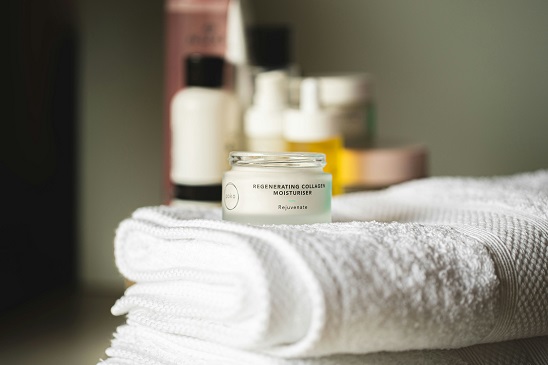
Collagen benefits is a fibrous protein that is essential to the structure and integrity of various tissues within the human body, constituting about 30% of the total protein composition. It is primarily produced by specialized cells known as fibroblasts and serves as a crucial building block for skin, tendons, ligaments, and cartilage. Given its abundance, collagen significantly contributes to the skin’s elasticity, hydration, and overall youthful appearance. Within the skin, collagen provides strength and firmness, creating a supportive matrix that helps maintain the skin’s structural integrity. As we age, the natural production of collagen declines, resulting in diminished skin elasticity, increased wrinkles, and dryness. This age-related decline is often cited as a critical factor in the development of visible signs of aging, leading many to seek skincare products enriched with collagen or its stimulants.
There are at least 28 different types of collagen, but the majority of collagen in the human body consists of types I, II, and III. Type I collagen is the most prevalent and is primarily found in the dermis of the skin, providing tensile strength. Type II collagen is mainly found in cartilage and is crucial for joint health. Type III collagen usually accompanies type I and can be found in softer tissues, providing support and structure. The varying types of collagen fulfill distinct roles, with type I being particularly important for maintaining skin vitality and resilience.
Understanding collagen’s role and type variation is vital for comprehending its significance in skincare. Products claiming to enhance collagen production or provide collagen externally often focus on these critical types, aiming to restore skin health and youthful appearance lost over time. A well-informed perspective on collagen can empower individuals to make better skincare choices.
How Does the Body Produce Collagen?
Collagen is a crucial protein that provides structure and elasticity to the skin, as well as strength to the bones, muscles, and tendons. The body produces collagen through a complex process that involves several steps and various nutrients. Collagen synthesis begins in the fibroblasts, which are specialized cells found in connective tissue. These cells produce collagen fibers and secrete them into the extracellular matrix, where they subsequently assemble into a three-dimensional structure.
As we age, the natural production of collagen in the body decreases significantly. This decline typically begins in our mid-20s, and it is estimated that by the time we reach our 40s, collagen levels may have dropped by as much as 30 percent. Various factors influence collagen production, with age being the most prominent. However, other aspects such as diet, lifestyle choices, and environmental factors also play a critical role in collagen synthesis.
A diet rich in nutrients that support collagen formation is essential for maintaining healthy skin and connective tissue. Vitamin C, for example, is vital for the stabilization of collagen molecules and enhancing their production. Similarly, proteins such as amino acids, particularly proline and glycine, are essential building blocks for collagen synthesis. Foods rich in antioxidants, such as berries and leafy greens, can also help combat oxidative stress that may lead to collagen degradation.
Beyond dietary influences, lifestyle choices such as smoking and excessive sun exposure can significantly impact collagen production. Smoking decreases blood flow and nutrients to the skin, while UV radiation can lead to the breakdown of collagen fibers. Therefore, maintaining a balanced diet and a healthy lifestyle is crucial for preserving collagen levels and promoting overall skin health throughout the aging process.
The Benefits of Collagen in Skincare
Collagen, a structural protein found in the skin, plays a crucial role in maintaining skin elasticity and overall appearance. As we age, natural collagen production declines, leading to noticeable signs of aging such as wrinkles and fine lines. The incorporation of collagen in skincare products has, therefore, become a focal point for many seeking to counteract these effects.
One of the primary benefits of collagen in skincare is its ability to improve skin elasticity. A study published in the Journal of Cosmetic Dermatology found that topical application of collagen significantly improved skin elasticity and hydration in participants. This outcome is attributed to collagen’s ability to bind moisture in the skin, thus promoting a plumper and more youthful appearance.
Moreover, collagen-rich products can help reduce the visibility of wrinkles and fine lines. Research indicates that a consistent use of collagen-infused products can stimulate the skin’s natural production of this protein. The enhanced collagen levels assist in filling out and smoothing the skin, which results in a less wrinkled appearance. In several clinical trials, results showed that participants reported noticeable decreases in wrinkle depth and a more radiant complexion following the use of collagen-based formulations.
Another significant advantage of collagen in skincare is its capacity to promote hydration. Collagen molecules can effectively retain moisture, supporting a hydrated skin barrier. A well-hydrated skin surface can not only enhance texture but also contribute to an overall more vibrant look. The link between adequate hydration levels and skin health is well-documented, making collagen a vital addition to moisture-based regimens.
However, it is essential to assess the extent to which topical collagen can deliver tangible benefits. While various studies support the advantages mentioned, experts suggest that the efficacy of collagen in topical applications may be limited, as collagen molecules are often too large to penetrate the skin effectively. Thus, the benefits might be more pronounced when combined with other active ingredients or through dietary sources. A comprehensive approach to skincare that includes both topical and nutritional support may yield the best results.
Different Sources of Collagen for Skincare Products
Collagen is a vital protein that provides structure and elasticity to the skin, and it comes from various sources used in skincare products. Understanding these different types is crucial for consumers looking to optimize their skincare routines.
One of the most common sources of collagen in skincare is marine collagen. Derived from fish skin and scales, marine collagen is highly regarded for its bioavailability, which allows for better absorption by the skin. It is rich in type I collagen, making it particularly beneficial for enhancing skin elasticity and hydration. However, individuals with fish allergies should exercise caution when using products containing marine collagen, as it could trigger allergic reactions.
Bovine collagen is another prevalent option found in numerous skincare formulations. Sourced from cow hides, bovine collagen is primarily made up of type I and type III collagens. This type supports not only skin health but also joint and bone strength. While bovine collagen can be effective, concerns regarding disease transmission, such as Bovine Spongiform Encephalopathy (BSE), have prompted some consumers to shy away from this source. Nevertheless, stringent regulations in collagen production have lessened these fears, yet vigilance remains necessary.
Plant-based collagen sources have recently gained traction in the skincare industry, primarily due to the rise in veganism and the desire for cruelty-free alternatives. These products often contain amino acids and nutrients that help the body produce its own collagen. However, it is important to note that while these plant-derived formulas can aid skin health, they do not contain collagen in the traditional sense. Instead, they provide the necessary building blocks that may promote collagen synthesis.
Each collagen source offers distinct benefits and potential allergens that consumers should consider before incorporating them into their skincare regime. Understanding these properties can lead to more informed decisions and optimal skin care results.
Collagen Supplements: Do They Work?
Collagen supplements have surged in popularity as a potential solution for improving skin health and appearance. Available in various forms, including pills, powders, and drinks, they often claim to support skin elasticity, hydration, and overall radiance. However, the effectiveness of these supplements remains a topic of scientific investigation.
The absorption rates of collagen differ depending on the form taken. Collagen peptides, often used in powders and drinks, are typically more easily absorbed by the body compared to collagen in pill form. This is largely due to the hydrolyzation process that breaks down collagen into smaller peptides that can be readily utilized. Some studies suggest that oral ingestion of collagen may lead to increased levels of collagen in the skin, promoting a visibly improved appearance.
Current research provides mixed findings regarding the efficacy of collagen supplementation. Some clinical trials indicate that participants who consumed collagen supplements observed enhancements in skin elasticity, hydration, and a reduction in wrinkles after several weeks of consistent use. Conversely, other studies have not demonstrated significant benefits, advocating for a more cautious approach to relying solely on these products for skin improvement.
It is essential to consider both the pros and cons of collagen supplementation. On the positive side, many individuals find collagen supplements convenient and easy to incorporate into their daily routines. They are generally well-tolerated, with minimal side effects. However, the downsides include the potential for high costs and the lack of regulation in the supplement industry, which raises concerns about product purity and efficacy.
Ultimately, while collagen supplements may offer some benefits for skin health, it is crucial for consumers to understand that results can vary. Integrating a balanced diet rich in nutrients that support collagen production, like vitamin C and antioxidants, along with a diligent skincare routine, may yield better long-term results than relying on supplements alone.
Topical Collagen Products: Are They Effective?
Collagen is a fundamental protein that provides structure, strength, and elasticity to the skin. In recent years, the popularity of topical collagen products—such as creams, serums, and masks—has surged, with many consumers seeking products that promise skin rejuvenation and improved aesthetics. However, the question arises: are these topical collagen formulations truly effective at delivering results?
One primary concern regarding topical collagen applications is the ability of collagen molecules to penetrate the skin barrier. The molecules in most collagen products are typically too large to effectively penetrate the outer layer of the skin, which raises doubts about their efficacy. Instead of incorporating collagen directly, these products often serve as a delivery system for other beneficial ingredients, such as peptides and hyaluronic acid. While peptides can stimulate the body’s natural collagen production, hyaluronic acid can enhance skin hydration.
Research supports the notion that topical collagen may not yield significant benefits because of its molecular size. Evidence suggests that while some products can create a temporary hydration and plumping effect, they do not produce lasting changes to the skin’s structure. As such, alternative ingredients that focus on stimulating collagen production internally are often recommended. Ingredients like vitamin C, retinoids, and growth factors may provide a more effective strategy for boosting collagen levels and helping improve the overall condition of the skin.
In conclusion, while topical collagen products may provide some surface-level hydration, the effectiveness of these products in delivering collagen to deeper skin layers is limited. For more significant and long-lasting skin improvements, it is recommended to consider alternatives that encourage the skin’s own ability to generate collagen. This approach is likely to yield better results for those aiming to enhance their skincare routine.
Collagen and Other Skincare Ingredients
Collagen is a key protein that plays a vital role in skin structure and elasticity. However, its effectiveness in topical skincare products can be significantly enhanced when combined with other active ingredients. Notably, collagen works symbiotically with hyaluronic acid, peptides, and various vitamins, creating a robust approach to improving skin health.
Hyaluronic acid is a powerful humectant that attracts and retains moisture in the skin. When used alongside collagen, hyaluronic acid can improve hydration levels, making skin appear plumper and more youthful. This combination is especially beneficial as collagen production naturally declines with age, leading to dryness and loss of volume. Thus, incorporating products that contain both collagen and hyaluronic acid can provide a dual action of replenishing moisture and boosting skin structure.
Peptides are another important group of ingredients when discussing collagen’s role in skincare. These small chains of amino acids can signal the skin to produce more collagen. Therefore, by combining peptides with topical collagen products, users may experience an enhanced effect, where the peptides promote natural collagen synthesis while the collagen present in the product supports the immediate structure and firmness of the skin.
Additionally, vitamins such as Vitamin C play a crucial role in collagen synthesis and skin repair. Vitamin C is an antioxidant that can protect skin cells from environmental stressors while also aiding in the production of collagen. When included in a skincare routine that features collagen and other moisturizing ingredients, Vitamin C can help brighten the complexion and further improve skin texture, leading to a comprehensive skincare regimen.
Using collagen in conjunction with these complementary skincare ingredients can greatly enhance their effectiveness, promoting better overall skin health and appearance. Such combinations help counteract signs of aging, hydrate the skin, and improve skin resilience, forming a well-rounded approach to skincare.
Common Misconceptions About Collagen in Skincare
Collagen has become a popular ingredient in the skincare industry, but several misconceptions persist, leading consumers to form misguided beliefs about its effectiveness. One common myth is that all collagen products function identically. In reality, the efficacy of collagen in skincare can vary significantly based on factors such as the type of collagen used, the formulation of the product, and additional ingredients included in the formula. Not all collagen sources are equally useful for topical application, and hydrolyzed collagen often offers better absorption than the intact form.
Another prevalent misunderstanding is the assumption that using collagen-infused products will directly increase the collagen levels in the skin. The truth is, while collagen molecules can provide moisturizing benefits, they are generally too large to penetrate the skin barrier effectively. Consequently, these products may offer temporary hydration and plumping effects rather than a true increase in collagen synthesis. Instead, stimulating the body’s natural collagen production is often a more effective method for improving skin elasticity and firmness. Ingredients such as peptides, retinoids, and antioxidants support this process.
Moreover, the notion that collagen skincare products provide guaranteed results is misleading. The effectiveness of topical collagen can vary among individuals, influenced by skin type, age, and lifestyle factors. Results may take time to become noticeable, and realistic expectations should be set when incorporating collagen into a skincare routine. Misleading marketing claims can exacerbate these misconceptions, resulting in consumer disappointment when products do not deliver immediate or dramatic improvements.
Understanding these common misconceptions allows consumers to make informed decisions regarding collagen products and develop more realistic expectations regarding their skincare regimen.
Conclusion: The Real Role of Collagen in Skincare
In recent years, the popularity of collagen in skincare has surged, driven by the increasing awareness of its potential benefits for skin health and aging. Collagen, a crucial protein in the skin, provides structure and elasticity. As the body ages, collagen production decreases, leading to visible signs of aging such as wrinkles and sagging skin. While topical applications and supplements of collagen are widely marketed, the efficacy of these products can be variable.
Studies have indicated that while collagen molecules are too large to effectively penetrate the skin barrier when applied topically, they may still offer benefits by improving the skin’s hydration and texture. However, the real impact may come not solely from collagen itself, but from a comprehensive skincare routine that integrates various elements essential to maintaining skin health. This includes the use of moisturizers, serums, and sun protection to safeguard the skin’s architecture and encourage its natural collagen production.
Moreover, incorporating ingredients rich in vitamins and antioxidants can further enhance skin appearance and integrity. Thus, instead of relying solely on collagen-rich products, a holistic approach is advisable. This entails balanced hydration, a nutritious diet, protective measures against environmental stressors, and targeted treatments. Ultimately, while collagen plays a significant role in skin health, it is essential to acknowledge that the overall effectiveness in skincare results from the interplay of multiple practices and products.
In conclusion, achieving youthful and healthy skin requires more than just addressing collagen levels. A multifaceted skincare regimen that promotes overall skin vitality alongside collagen supplementation may provide the best outcomes. Embracing a well-rounded approach ensures that individuals can effectively support their skin’s natural processes and maintain its appearance as they age.