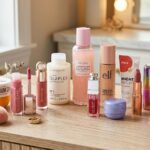

The beauty industry is undergoing a significant transformation as consumers become increasingly aware of environmental issues and the impact of their purchasing decisions. In 2026, the rise of sustainable beauty beauty has emerged as a dominant trend, highlighting the demand for eco-friendly products that prioritize both health and the planet. This shift is not only seen in the choice of ingredients but also extends to packaging and sourcing practices.
Brands focusing on sustainable beauty are now at the forefront of this movement. They emphasize the use of natural, biodegradable, and organic ingredients, steering clear of harmful chemicals that can adversely affect the environment. Recent research indicates that consumers are gravitating towards products that are free from parabens, sulfates, and synthetic fragrances. These brands are adopting transparency by openly sharing their ingredient lists and production processes with shoppers, thus enhancing trust and credibility.
Moreover, sustainable packaging is gaining traction as brands pivot to recyclable or refillable options to minimize waste. High-quality glass containers, biodegradable tubes, and compostable materials are being utilized, reflecting the commitment of many companies to reduce their carbon footprint. This aligns with the shift in consumer behavior; surveys reveal that a significant percentage of beauty consumers are willing to pay a premium for products that utilize sustainable packaging.
Ethical sourcing is another cornerstone of sustainable beauty. Brands are increasingly partnering with suppliers who adhere to fair trade principles and prioritize the welfare of communities involved in the production of raw materials. This commitment goes a long way in promoting social responsibility, further enhancing brand loyalty among conscious consumers.
As we move further into 2026, the trend of sustainable beauty is likely to expand, driven by educated consumers who prioritize eco-friendly options that reflect their values. The beauty industry is poised to embrace this consciousness, ensuring that future innovations align with sustainability goals.
Technological Innovations in Beauty
The beauty industry is undergoing a significant transformation, driven by technological advancements that enhance consumer experiences and personalize beauty routines. One of the standout innovations is the integration of artificial intelligence (AI) into skincare analysis. Brands increasingly utilize AI algorithms to assess individual skin types and conditions, providing tailored recommendations for products and treatments. AI-driven applications can analyze factors such as hydration levels, pores, and pigmentation, allowing consumers to make informed decisions about their skincare regimens.
Another exciting development is the use of augmented reality (AR) in beauty. AR technology has revolutionized the way consumers experiment with makeup, enabling them to virtually try on products before purchasing. This not only enhances the shopping experience but also reduces the likelihood of dissatisfaction with color matching or product choice. With AR apps, consumers can visualize how different shades of lipstick, eyeshadow, or foundation will look on their skin, ultimately leading to more confident purchasing decisions.
Smart beauty devices are another category that is gaining traction. These devices, equipped with advanced sensors and connectivity features, allow users to track their skincare progress, suggest routines, and offer real-time feedback based on individual skin metrics. For example, smart facial cleansing brushes can analyze skin sensitivity and suggest the best cleansing methods, ensuring optimal results. By integrating technology with personal care, smart devices cater to the growing demand for customized solutions in beauty.
As technological innovations continue to progress, the beauty landscape evolves to be more user-centric. Consumers benefit from increased efficiency, effectiveness, and personalization in their beauty routines, highlighting the symbiotic relationship between technology and beauty. These advancements not only streamline the purchasing process but also emphasize the importance of a tailored approach to personal care, redefining standards within the industry.
The Shift Towards Minimalism
As we progress through 2026, one of the most significant beauty trends is the shift towards minimalism. This movement aims to streamline beauty routines, encouraging users to adopt a ‘less is more’ philosophy. Consumers are increasingly recognizing the benefits of simpler, more effective beauty regimens, which prioritize quality over quantity. This change is evident in the growing popularity of multipurpose products that cater to various needs with a single application.
Historically, beauty routines often included a multitude of products, each serving a specific purpose; however, the modern consumer is growing weary of this approach. Instead of a sprawling collection of cosmetics and skincare items, individuals prefer well-curated, essential products that fulfill multiple roles. For instance, moisturizers infused with SPF, tinted moisturizers that provide hydration and coverage, and balms that function as both lip care and cheek tint are prime examples that embody this trend.
This preference for simplicity also extends to packaging and branding, with consumers apt to choose eco-friendly options that reflect their values. Clean, minimalist aesthetics are becoming more desirable, aligning with the ethos of sustainability and conscious consumerism. Brands are now focusing on transparency regarding their ingredients and production methods, further attracting consumers who prioritize ethical beauty practices.
As beauty enthusiasts gravitate towards minimalism, there is a palpable shift in market dynamics. Companies that adapt to these new consumer preferences by offering multifunctional products and straightforward routines are likely to thrive. This transition signifies a broader cultural movement, where efficiency, effectiveness, and sustainability are paramount. Ultimately, the minimalistic approach to beauty reflects a profound transformation in how individuals view self-care and personal expression.
Gender Fluidity in Beauty Products
In recent years, the beauty industry has witnessed a significant shift towards inclusivity, with an increasing number of brands embracing gender fluidity in their product lines and marketing strategies. The rise of unisex beauty products symbolizes a broader social movement aimed at challenging traditional gender norms and redefining the concept of beauty.
Historically, beauty products have been categorized within a binary framework, often targeting specific genders through tailored marketing and distinct packaging. However, as society’s understanding of gender evolves, beauty brands are responding by offering products that cater to a diverse audience. This has resulted in the emergence of a plethora of gender-neutral products, ranging from skincare and makeup to fragrances.
One prominent example of this trend is the development of foundation shades designed to suit a wide spectrum of skin tones, which have been marketed to all genders. Additionally, brands have expanded their appeal by utilizing unisex packaging and inclusive language in their advertising. This strategic pivot not only reflects a commitment to gender inclusivity but also acknowledges the growing demand among consumers for products that resonate with their individuality, rather than their gender identity.
Social media platforms have further amplified this trend, with influencers and beauty advocates promoting fluidity and self-expression without being confined by traditional norms. Campaigns that celebrate diverse gender identities and challenge stereotypes are becoming commonplace, allowing consumers to feel represented in an industry that has long been defined by narrow standards.
As beauty brands continue to break down barriers, it is essential to note that the embrace of gender fluidity is more than just a passing trend; it signifies a transformative moment in the industry. By prioritizing inclusivity and diversity, the beauty sector is paving the way for a more equitable future in which every individual can explore their beauty journey free from societal constraints.
Holistic Beauty Practices
The concept of holistic beauty practices has gained substantial traction in recent years, particularly in 2026. This approach emphasizes the interconnectedness of physical appearance, mental wellbeing, and emotional health, integrating natural ingredients and mindfulness techniques to enhance beauty from within.
Aromatherapy, for instance, plays a significant role in holistic beauty. By using essential oils derived from plants, individuals can harness the therapeutic properties of these natural substances to promote relaxation, invigorate the senses, and even improve skin health. The scent of lavender, for example, is known for its calming properties, while tea tree oil has been celebrated for its anti-inflammatory benefits. Incorporating such elements into daily routines not only contributes to external beauty but also nurtures inner balance.
Meditation is another cornerstone of holistic beauty. Practicing mindfulness through meditation can significantly reduce stress, leading to more radiant skin and a clearer mind. By focusing on breath and cultivating self-awareness, individuals can better manage the effects of anxiety and tension, both of which can manifest skin issues or premature aging. Regular meditation can foster a sense of peace and confidence, allowing one to embrace their natural beauty.
Moreover, holistic beauty practices emphasize the importance of nurturing mental and emotional health as part of beauty routines. Engaging in activities that promote joy, such as journaling or spending time in nature, can enhance overall well-being, thus influencing physical appearance. The symbiotic relationship between mental state and skin health is increasingly acknowledged, leading to a more comprehensive understanding of what beauty entails.
As this trend continues to evolve, it becomes evident that true beauty transcends physical attributes; it is a reflection of one’s overall health and well-being. By focusing on holistic practices, individuals are empowered to achieve a beauty that resonates deeply, rooted in meaning and self-care.
The Impact of Social Media Trends
Social media platforms such as TikTok and Instagram have established themselves as pivotal players in shaping beauty trends throughout 2026. These channels serve not only as spaces for content sharing but also as catalysts for viral movements that dictate consumer behavior and preferences in the beauty industry.
The rise of beauty influencers on these platforms has been particularly influential. Their ability to showcase products, techniques, and transformations in real time has engaged millions of followers, prompting a surge in interest surrounding specific beauty hacks and the latest trends. Viral challenges often dominate this space, compelling users to engage with makeup and skincare routines, thus rapidly spreading trends across diverse demographics.
For example, TikTok has introduced several popular beauty trends, including the ‘glass skin’ challenge and innovative makeup techniques that emphasize creativity and individuality. These challenges not only entertain but also encourage users to experiment with their beauty routines in ways that were previously unexplored. The ease of sharing content allows for quick dissemination and adaptation, making each trend accessible and inspiring for a global audience.
Moreover, the authenticity often presented by influencers lends a sense of credibility to the products they promote. When a trend manifests through relatable content—such as a “get ready with me” video—it diminishes the barrier between influencer and audience, creating a community that actively participates in these movements. As consumers engage with these trends, they showcase their individual interpretations, leading to further evolution in the beauty landscape.
In essence, it is the blend of creativity, authenticity, and community engagement on platforms like TikTok and Instagram that not only shapes current beauty trends but also sets the stage for future innovations. This dynamic interplay continues to drive consumer interest and influence purchasing decisions effectively.
Customization and Personalization in Skincare
As we progress into 2026, the trend of customization and personalization in skincare is becoming increasingly prominent. Consumers are now more aware of their unique skin types and preferences, prompting beauty brands to adapt by offering tailor-made formulations that cater specifically to individual needs. This shift is largely driven by advancements in technology and the growing demand for effective, personalized skincare solutions.
Brands employ sophisticated algorithms and artificial intelligence to analyze customers’ skin concerns, lifestyle choices, and environmental factors to formulate personalized skincare regimens. These customized products take into account various aspects, such as skin texture, hydration levels, and pigmentation issues, guaranteeing that each individual receives a solution that addresses their specific situation. The result is a skincare experience that feels uniquely tailored to the consumer, fostering a deeper connection between the user and the brand.
Moreover, beauty subscription services have further enhanced the customization trend by allowing consumers to receive curated skincare products based on their profiles. Subscribers can provide feedback and update their preferences, enabling brands to continuously refine their offerings. This adaptability not only improves customer satisfaction but also invites users to engage more actively with their skincare routines.
Additionally, the customization trend reflects a broader societal shift towards personal health and wellness. By promoting the idea that skincare should not be one-size-fits-all, brands encourage consumers to embrace their individuality. Consequently, this trend is not just about providing products; it is about fostering a sense of empowerment in skincare choices.
Revival of Vintage Beauty Styles
The beauty industry, known for its cyclical nature, is currently experiencing a significant revival of vintage beauty styles that hark back to past decades. This trend not only reflects a nostalgic yearning but also serves as a testament to the versatility and enduring appeal of retro aesthetics. As we delve into the landscape of 2026, it becomes evident that styles from the 1920s through the 1990s are making a pronounced comeback, influencing makeup, hairstyles, and fashion choices.
Vintage looks are characterized by their distinctive features: the bold red lips of the 1950s, the winged eyeliner from the 1960s, or the grunge-inspired palettes from the 1990s. This revival is largely driven by cultural influences, including social media platforms where influencers and beauty aficionados showcase their interpretations of iconic styles. Platforms like Instagram and TikTok have transformed the way beauty trends are disseminated, allowing for rapid sharing and adaptation of these vintage looks to modern audiences.
Moreover, the resurgence can also be attributed to a desire for authenticity and individuality in a rapidly changing world. Many consumers are gravitating towards vintage beauty as it promotes self-expression through unique styles that stand out from contemporary beauty norms. Beauty brands have responded by introducing collections that pay homage to these past trends, offering products that allow consumers to recreate classic looks with modern formulations.
In this context, the revival of vintage beauty styles is more than just a fleeting trend; it signifies a broader cultural movement that embraces historical aesthetics while also encouraging personal expression. As we advance further into 2026, it is anticipated that these retro influences will continue to shape the beauty landscape, prompting a deeper appreciation for the artistry and history behind these timeless styles.
Inclusivity and Diversity in Beauty Representation
In recent years, the beauty industry has seen a significant shift towards inclusivity and diversity, recognizing the importance of representing a wide array of backgrounds, cultures, and skin tones. Brands are increasingly aware that for consumers to engage meaningfully with products, they must reflect the reality of their audience’s diversity. This awareness has led to an expansion in the range of shades offered across cosmetic lines, ensuring that individuals of all skin tones can find products that suit their unique complexions.
The push for inclusivity goes beyond mere shade availability; it encompasses the formulation of products as well. Many brands are reformulating their foundations, concealers, and skincare to cater to varying skin types and concerns, which includes addressing different undertones prevalent in darker skin tones. This drives home the necessity for beauty companies to develop formulas that not only enhance beauty but also promote health and well-being.
Moreover, the marketing strategies employed by beauty brands are evolving to embrace a more authentic representation. Traditionally, marketing in the beauty sector leaned heavily towards idealized images, often failing to include a rich tapestry of representation. However, in 2026, there is a notable trend towards featuring real people from diverse backgrounds in advertising campaigns. Social media plays a crucial role in this, as beauty influencers and advocates champion the cause of inclusivity by sharing their experiences and promoting brands that align with these values.
This shift in representation is not merely an ethical obligation but a strategic decision that enhances brand loyalty. Consumers are increasingly drawn to companies that prioritize diversity, recognizing that these brands resonate with their values and identities. The beauty industry is thus making strides toward a more inclusive landscape, one that authentically uplifts every individual, fostering a sense of belonging for all.