

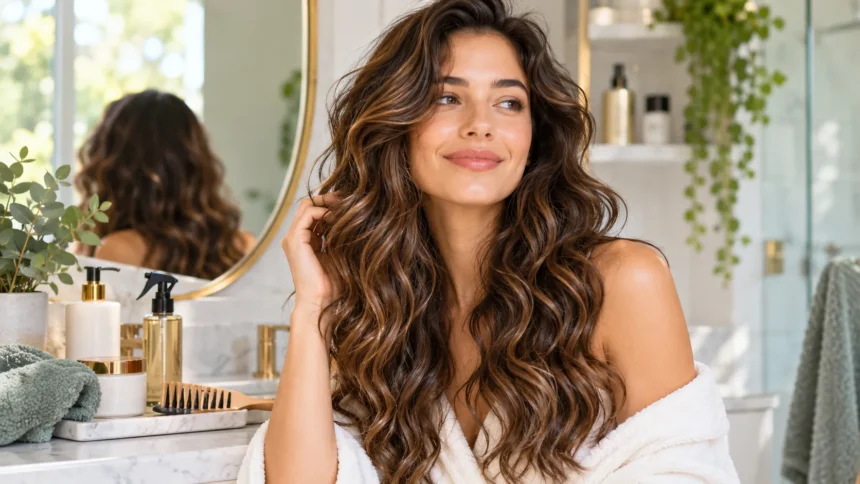
Understanding Wavy Hair and Why It Gets Frizzy
Wavy hair has a natural pattern that falls between straight and curly textures, usually forming gentle S-shaped bends. These waves can range from loose and barely noticeable to more defined patterns with considerable volume. Although wavy hair is versatile, it can become frizzy when moisture levels, styling techniques, or environmental conditions change. Understanding its natural characteristics is the first step toward developing an effective hair care routine.
Frizz happens when individual hair strands separate from their surrounding wave groups, producing a fuzzy or uneven appearance. Humidity, dryness, friction, and damage to the hair cuticle can all contribute to this process. Wavy hair may be particularly sensitive to styling habits that disturb its natural pattern. Gentle handling and suitable products can help maintain smoother, more consistent waves.
Learning how to care for wavy hair without frizz involves more than choosing a shampoo or conditioner. Washing frequency, water temperature, drying techniques, and nighttime protection can all influence how waves behave. A consistent routine helps maintain moisture balance while reducing unnecessary friction. With the right approach, wavy hair can feel comfortable, manageable, and naturally defined.
Know Your Wavy Hair Type Before Choosing Products
Wavy hair is commonly grouped into three categories: 2A, 2B, and 2C, based on the appearance of its natural pattern. Type 2A typically has loose, gentle waves, while type 2B displays more noticeable S-shaped bends. Type 2C often has stronger waves that may resemble loose curls. These categories are descriptive guides rather than strict scientific classifications.
Hair density, strand thickness, and porosity can also influence how wavy hair responds to products. Fine strands may become weighed down by heavy creams, while coarse strands may benefit from richer conditioning formulas. Hair porosity describes how readily hair absorbs and retains water. Understanding these characteristics can help you select products that suit your particular texture.
You do not need an exact hair classification to develop a suitable routine. Observe how your hair behaves after washing, conditioning, and drying without excessive manipulation. Notice whether it becomes flat, tangled, dry, or difficult to manage. These practical observations often reveal more useful information than relying entirely on a wave-type label.
Choose a Gentle Shampoo for Wavy Hair
Selecting the right shampoo is important because cleansing affects the scalp, hair cuticle, and overall moisture balance. A gentle shampoo can remove dirt, sweat, and excess oil without leaving the hair feeling unnecessarily stripped. Many people with wavy hair prefer formulas designed for regular use or moisture balance. The best option depends on scalp condition, product buildup, and individual comfort.
Apply shampoo mainly to the scalp, where natural oils and residue tend to accumulate. Massage gently with your fingertips rather than scratching aggressively or rubbing the lengths together. As you rinse, the shampoo can travel through the rest of your hair and remove light buildup. This method reduces unnecessary friction on delicate wave patterns.
Avoid assuming that every wavy hair routine requires a sulfate-free shampoo. Some people benefit from mild sulfate-containing cleansers, especially when styling products accumulate over time. Others find gentler surfactant formulas more comfortable for frequent washing. Pay attention to how your scalp and hair respond, and adjust your cleansing products accordingly.
Find the Right Washing Frequency for Your Hair
Washing frequency plays an important role in maintaining comfortable, manageable wavy hair. Washing too frequently with an unsuitable cleanser may leave some hair feeling dry, while infrequent washing can allow oil and product buildup to accumulate. There is no universal schedule that works for everyone. Your scalp’s oil production, lifestyle, and styling habits should guide your routine.
Some people wash their wavy hair every other day, while others prefer two or three washes each week. Those who exercise regularly or experience an oily scalp may need more frequent cleansing. People with drier hair sometimes find that longer intervals work well. The goal is to maintain scalp cleanliness without creating unnecessary dryness or discomfort.
Observe your scalp rather than following a rigid washing schedule recommended by social media trends. Itching, unpleasant buildup, and excessive oiliness may indicate that cleansing is needed. If your lengths feel dry after washing, consider adjusting your shampoo or conditioning technique. Small changes can help develop a routine that suits your hair’s actual needs.
Use Conditioner to Keep Wavy Hair Manageable
Conditioner helps reduce friction between hair strands and makes detangling easier after shampooing. Conditioning ingredients coat and smooth portions of the hair surface, improving softness and manageability. This can reduce the appearance of frizz caused by rough handling and tangled strands. Regular conditioning is especially helpful for wavy hair that becomes dry or difficult to style.
Apply conditioner mainly to the mid-lengths and ends, which are often more prone to dryness. Work the product through your hair gently using your fingers or a suitable wide-tooth comb. Leave it on according to the product instructions before rinsing thoroughly. People with fine waves may prefer lightweight formulas that do not leave excessive residue.
A good conditioner should make your hair easier to separate and style without leaving it unusually heavy. If your waves feel coated or lose definition, try using less product or switching formulas. If they remain tangled and rough, a richer conditioner may be useful. Finding the right balance is more important than choosing the thickest product available.
Detangle Wavy Hair Without Causing Frizz
Detangling requires care because unnecessary pulling and friction can contribute to breakage and frizz. Wavy hair often forms small knots where strands bend and overlap. Trying to force a brush through tangled sections may damage the cuticle. A gentle detangling technique helps preserve the hair’s natural pattern while making daily care easier.
Begin by separating your hair into manageable sections and working from the ends upward. Use your fingers or a wide-tooth comb to loosen tangles gradually. Applying conditioner or a detangling product can improve slip and reduce resistance. Avoid pulling forcefully when you encounter a stubborn knot, as this may cause unnecessary damage.
Many people find that detangling during conditioning works well for their wavy hair. However, wet hair can also be more vulnerable to stretching and breakage, so gentle handling remains essential. Avoid repeated aggressive brushing after your waves have formed and dried. Instead, use light finger adjustments when needed to maintain the existing pattern.
Why Water Temperature Matters for Wavy Hair
Water temperature can influence how comfortable your scalp feels and how easily your hair is handled during washing. Very hot water may increase scalp dryness or discomfort for some people. It can also make an already drying cleansing routine feel harsher. Lukewarm water is generally a practical choice for washing and conditioning wavy hair.
Use comfortably warm water to wet your hair thoroughly before applying shampoo. This helps distribute cleanser evenly and makes it easier to remove dirt and styling residue. During conditioning, focus on gentle product distribution rather than changing temperatures repeatedly. A thorough rinse is important for preventing unwanted residue and maintaining natural movement.
Some people enjoy finishing with a cool rinse, although cold water is not necessary for preventing frizz. There is limited evidence that a cold rinse alone can permanently seal the hair cuticle. Product selection, conditioning, and drying methods usually matter more. Choose a water temperature that feels comfortable and supports a consistent washing routine.
Apply Leave-In Conditioner for Extra Moisture
Leave-in conditioner can help improve manageability and reduce friction after washing. Unlike regular conditioner, it is designed to remain in the hair between washes. Many formulas contain conditioning agents that make strands feel smoother and easier to style. A lightweight leave-in can be particularly helpful when wavy hair becomes tangled or dry.
Apply a small amount to damp hair, concentrating on the mid-lengths and ends. Distribute it gently with your hands or a wide-tooth comb before forming your waves. Begin with less product than you think you need, especially if your hair is fine. You can adjust the amount based on how your hair feels after drying.
Choosing the right texture is important because some leave-in products contain rich oils and heavy conditioning ingredients. These formulas may work well for certain hair types but flatten finer waves. Lightweight sprays, milks, or lotions can be useful alternatives. Look for a product that improves softness without leaving your hair sticky or overly coated.
Use Styling Products to Define Waves and Control Frizz
Styling products can help hold natural wave patterns together as hair dries. Mousses, gels, and lightweight creams are commonly used for wavy hair styling. These products vary in hold strength, texture, and conditioning properties. Choosing the right formula depends on whether your priority is flexible movement, stronger definition, or a softer finish.
A lightweight mousse may work well for waves that become flat when heavier products are applied. Gel can help hold groups of strands together during drying, reducing the appearance of scattered frizz. Creams may be more useful when additional conditioning is needed. Experimenting with one product at a time makes it easier to understand the results.
Apply styling products while your hair is damp and distribute them without excessive rubbing. Gently squeeze sections upward toward the scalp to encourage their natural wave pattern. This movement is commonly called scrunching and can help waves form more consistently. Avoid repeatedly touching your hair afterward, as manipulation during drying may disrupt the developing style.
How to Scrunch Wavy Hair Correctly
Scrunching is a styling technique that encourages wavy hair to form its natural bends and curves. It involves gathering small sections of hair in your hands and gently pushing them upward. This technique can help bring separated strands together into more noticeable wave groups. It is often used after applying conditioner or styling products.
Start with damp hair that has already been gently detangled. Tilt your head slightly and cup the ends of a small section in your palm. Lift the hair toward the scalp, squeeze lightly, and release without pulling. Repeat this motion across different sections until the wave pattern looks evenly distributed.
Avoid squeezing aggressively or scrunching the same section repeatedly for an extended period. Too much handling may disturb the hair surface and contribute to additional frizz. Once the pattern forms, allow your hair to dry with minimal interference. You can adjust the amount of scrunching based on your natural wave pattern and styling preferences.
Dry Wavy Hair Without Excessive Friction
Drying technique can make a noticeable difference in how wavy hair looks and feels. Rubbing wet hair aggressively with a traditional towel increases friction between strands. This can disturb wave groups and contribute to tangling or breakage. A softer, more controlled drying method helps maintain the pattern formed during styling.
Instead of rubbing, gently squeeze excess water from your hair using a soft microfiber towel or cotton T-shirt. Press sections carefully to absorb moisture without pulling strands apart. Some people prefer wrapping their hair loosely for a short period, a technique often called plopping. The method should feel comfortable and should not place tension on the scalp.
After removing excess water, let your hair dry naturally or use a diffuser at a comfortable temperature. Avoid unnecessary brushing or repeated touching while the waves are setting. If you use heated tools, apply appropriate heat protection beforehand. Gentle drying habits can reduce mechanical damage and help preserve smoother-looking waves over time.
How to Use a Diffuser on Wavy Hair
A diffuser is a hair dryer attachment that spreads airflow over a wider area. It can help dry wavy hair while reducing the direct air movement that disrupts wave patterns. Diffusing is useful when air drying takes too long or when additional styling control is desired. Proper technique helps limit unnecessary heat exposure.
Attach the diffuser to your dryer and select a low or moderate heat setting. Gently place sections of hair inside the diffuser bowl without forcing them into position. Move the attachment carefully, allowing each section to dry gradually. Keeping airflow relatively low can help prevent loose strands from becoming scattered.
Avoid holding high heat against one area for an extended period because excessive heat can damage hair. You can alternate between diffusing and air drying if that feels more comfortable. Stop when your hair reaches the desired level of dryness and allow it to cool. Regular use of suitable heat protection can also support healthier styling habits.
Protect Wavy Hair From Humidity
Humidity can affect wavy hair because strands absorb and release moisture from the surrounding air. These changes influence hydrogen bonding within the hair and may alter its shape. Hair that has been straightened or carefully styled may become less consistent in humid conditions. Frizz can appear as individual strands respond differently to environmental moisture.
A conditioning routine and suitable styling products can help reduce the visible effects of humidity. Certain gels, serums, and conditioning polymers form lightweight coatings that improve control. Products marketed for humidity resistance may help maintain the shape of styled waves. Their effectiveness depends on formulation, hair condition, and the level of humidity.
Completely eliminating frizz in humid weather is not always realistic, and natural texture changes are normal. Focus on gentle handling and products that suit your hair instead of repeatedly restyling it. Carrying a small amount of leave-in conditioner or a suitable smoothing product can help with occasional adjustments. Consistent care usually matters more than frequent product changes.
How to Sleep Without Making Wavy Hair Frizzy
Nighttime friction can influence the appearance of wavy hair the following morning. Movement against pillowcases may separate strands, flatten sections, or contribute to tangling. People who style their waves before bedtime may notice changes in definition after sleeping. A simple nighttime routine can help reduce some of these effects.
Using a smooth satin or silk pillowcase may reduce friction compared with rougher fabrics. Some people also prefer loose protective hairstyles that keep hair away from the face. A soft scrunchie can hold hair loosely without creating excessive tension. Avoid tying hair tightly, especially when the scalp feels uncomfortable.
Another option is a comfortable satin bonnet or loosely fitted hair covering that allows the hair to move naturally. Make sure it does not pull on the hairline or become uncomfortable during sleep. In the morning, gently separate flattened sections with your fingers if necessary. These small adjustments may help preserve waves between wash days.
Refresh Wavy Hair Between Wash Days
Wavy hair can lose some definition between washes as strands move, absorb moisture, or come into contact with clothing. Refreshing helps restore the appearance of waves without repeating an entire washing routine. The best method depends on how much product remains in your hair. A light approach is often enough for minor styling changes.
Begin by examining which sections need attention instead of wetting your entire head automatically. Lightly dampen those areas with water using clean hands or a spray bottle. Gently scrunch the sections to encourage their existing wave pattern. If needed, add a small amount of lightweight styling product for additional hold.
Avoid layering large amounts of cream, gel, or oil onto hair that already contains significant product residue. Too much buildup can make waves feel sticky, heavy, or difficult to manage. If refreshing no longer improves the result, your hair may benefit from a regular wash. A flexible routine helps maintain comfortable, manageable hair between cleansing days.
Avoid Common Mistakes That Cause Frizz
One common mistake in wavy hair care is brushing vigorously after the hair has dried and formed its natural pattern. This can separate wave groups and increase the appearance of frizz. Excessive heat styling may also damage the cuticle, making strands harder to manage. Gentle techniques are generally more useful than repeated forceful styling.
Using too many products at once is another habit that can complicate wavy hair care. Heavy creams, oils, and gels may accumulate and reduce natural movement, particularly on fine strands. Introducing several new products simultaneously also makes it difficult to identify which one is helpful. A smaller, consistent selection often makes the routine easier.
Ignoring scalp care can also affect the overall washing and styling experience. Product residue, excessive oil, or irritation may require changes in cleansing frequency or product selection. Avoid applying heavy styling products directly to the scalp unless instructed by the manufacturer. Maintaining a clean, comfortable scalp supports a sustainable hair care routine.
How to Maintain Healthy Wavy Hair Long Term
Long-term wavy hair care involves consistent washing, conditioning, gentle detangling, and suitable styling habits. Healthy-looking waves do not require a complicated routine or an extensive collection of expensive products. Instead, focus on techniques that reduce friction and unnecessary damage. Small improvements in daily handling can make hair easier to manage over time.
Regular trims can help remove split ends and damaged sections that make hair feel rough or tangled. Trimming does not change how quickly hair grows from the scalp, but it can improve the appearance of the ends. The ideal trimming schedule depends on hair length, condition, and styling habits. Avoid following strict timelines when your hair does not need them.
Pay attention to how your hair responds to seasonal weather, different products, and styling changes. Some routines work well during dry months but require adjustments when humidity increases. Hair color treatments and frequent heat styling may also change conditioning needs. Being flexible allows you to maintain a practical routine that supports your natural waves.
Conclusion
Learning how to care for wavy hair without frizz starts with understanding your natural texture and choosing suitable products. Gentle cleansing, regular conditioning, careful detangling, and low-friction drying can improve manageability. Lightweight styling products may also help maintain more consistent wave patterns. The most effective routine is one that suits your individual hair characteristics.
Frizz can develop because of humidity, dryness, friction, and everyday styling habits. Reducing unnecessary brushing, limiting excessive heat, and handling damp hair carefully can help manage these factors. Nighttime protection and simple refresh techniques may also improve how waves look between washes. Small, consistent habits often make a noticeable difference.
Wavy hair naturally changes with weather, moisture, and daily activities, so some frizz is completely normal. Rather than trying to control every strand, focus on comfortable care and maintaining healthy hair condition. Experiment with products gradually and adjust your routine when needed. With patience and gentle techniques, natural waves can remain soft, manageable, and beautifully defined.
Frequently Asked Questions (FAQs)
What Is the Best Hair Care Routine for Wavy Hair Without Frizz?
A good routine includes gentle shampoo, suitable conditioner, careful detangling, lightweight styling products, and low-friction drying. Adjust washing frequency and product amounts according to your scalp, hair texture, and individual needs.
Should I Brush Wavy Hair When It Is Dry?
Dry brushing can separate natural wave groups and increase the appearance of frizz. Many people prefer gentle detangling with conditioner and a wide-tooth comb, followed by minimal brushing after styling.
Is Air Drying or Diffusing Better for Wavy Hair?
Both methods can work well for wavy hair. Air drying avoids dryer heat, while diffusing can shorten drying time and support wave definition when used with gentle airflow and moderate temperatures.
How Can I Reduce Frizz in Wavy Hair During Humid Weather?
Use suitable conditioner and lightweight styling products designed to resist humidity. Minimize excessive touching and brushing, and refresh individual sections gently when needed to help maintain your natural wave pattern.
How Often Should I Wash Wavy Hair to Prevent Frizz?
Washing frequency depends on scalp oiliness, lifestyle, and product buildup. Some people wash every other day, while others wash less frequently. Choose a schedule that keeps your scalp comfortable and hair manageable.