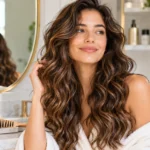


Beauty is an important part of personal care, self-expression, and everyday confidence. From skincare and makeup to haircare and fragrances, the beauty industry offers countless products designed to help people maintain their appearance and develop personal routines. However, with so many products and treatments available, understanding the different categories of beauty can make choosing the right options much easier.
If you have ever wondered what the 7 categories of beauty are, a practical classification includes skincare, haircare, makeup, nail care, fragrance, body care, and personal grooming. These categories cover many of the products, treatments, and habits associated with modern beauty routines. This guide explains each beauty category, its importance, common products, and how to create a balanced personal care routine.
What Are the 7 Categories of Beauty?
The beauty industry includes several major product categories that address different aspects of appearance, hygiene, and personal care. Seven useful categories are skincare, haircare, makeup and cosmetics, nail care, fragrances, body care, and personal grooming. Although there is no single universally accepted classification containing exactly seven categories, this grouping offers a practical way to understand the beauty industry.
Each category serves a different purpose and includes products designed for particular needs. Skincare focuses on maintaining facial skin, while haircare involves cleansing, conditioning, and styling hair. Makeup enhances or changes appearance, nail care maintains nails, fragrances provide personal scent, body care supports skin below the face, and grooming covers additional appearance-related habits.
Understanding these seven beauty categories helps consumers choose suitable products without becoming overwhelmed by marketing claims. It also explains how beauty routines can combine several personal care activities without requiring an expensive collection of products. The goal is to select options that support your preferences, comfort, and individual needs rather than following every new beauty trend.
1. Skincare: The Foundation of a Beauty Routine
Skincare is one of the most recognized categories of beauty because it focuses on maintaining the skin’s cleanliness, comfort, and appearance. Products in this category include facial cleansers, moisturizers, sunscreens, serums, toners, and exfoliating treatments. A suitable skincare routine can help manage dryness, excess oil, and certain cosmetic concerns while supporting the skin’s protective barrier.
Different skin types require different approaches to daily skincare. People with dry skin may benefit from richer moisturizers, while oily skin often responds well to lightweight, non-comedogenic formulas. Sensitive skin may require fragrance-free products and a simpler routine that avoids unnecessary irritation from strong or incompatible ingredients.
A basic skincare routine generally includes gentle cleansing, moisturizing, and daily sun protection. Additional treatments can be introduced when they address a specific concern, such as uneven skin tone or acne-prone skin. Consistency matters more than using numerous products, and persistent skin conditions may require advice from a qualified dermatologist.
2. Haircare: Maintaining Healthy-Looking Hair
Haircare is another essential beauty category that includes products and practices designed to cleanse, condition, style, and maintain hair. Common products include shampoos, conditioners, hair masks, leave-in treatments, serums, and styling creams. The best haircare routine depends on hair texture, scalp condition, chemical treatments, and everyday styling preferences.
People with oily scalps may need more frequent shampooing, while curly or naturally dry hair often benefits from longer intervals between washes. Conditioning products help reduce friction and improve detangling, particularly for textured or damaged strands. Choosing appropriate formulas can make hair easier to manage without leaving it excessively greasy or dry.
Haircare also includes practices such as trimming damaged ends, reducing excessive heat exposure, and avoiding hairstyles that create constant tension. Salon services, coloring, and chemical treatments may also fall within this category. Healthy-looking hair usually results from consistent care and gentle handling rather than relying exclusively on expensive products or complicated treatments.
3. Makeup and Cosmetics: Enhancing Personal Appearance
Makeup is one of the most creative beauty categories because it allows people to experiment with colors, textures, and different appearances. Popular makeup products include foundation, concealer, blush, bronzer, highlighter, eyeshadow, eyeliner, mascara, and lipstick. These cosmetics can enhance facial features, create artistic looks, or support a preferred everyday style.
Different makeup techniques can produce natural, professional, glamorous, or dramatic results depending on the occasion. A simple everyday routine might include concealer, mascara, and lip color, while formal makeup may involve additional complexion and eye products. Choosing suitable shades and formulas helps achieve a comfortable finish that complements individual preferences.
Good makeup practices also involve maintaining clean brushes, following product storage instructions, and removing cosmetics gently when appropriate. Sharing eye makeup or using expired products can increase hygiene concerns. Makeup should remain a form of personal choice and creative expression rather than an obligation to meet particular beauty expectations.
4. Nail Care: Keeping Nails Clean and Well Maintained
Nail care focuses on maintaining the appearance and condition of fingernails, toenails, and surrounding skin. Common products include nail polish, cuticle oils, hand creams, nail files, base coats, and polish removers. Professional manicures and pedicures also belong to this category, offering services such as nail shaping, polishing, and decorative treatments.
Healthy nail maintenance begins with basic hygiene and gentle handling. Keeping nails clean, trimming them appropriately, and moisturizing surrounding skin can help reduce dryness and discomfort. Avoid cutting or aggressively pushing back cuticles, because these tissues help protect the area where nails grow from irritation and infection.
Decorative nail treatments such as gel polish, acrylic extensions, and nail art provide additional opportunities for self-expression. However, repeated aggressive removal or unsuitable application techniques may weaken nails or irritate nearby skin. Selecting hygienic salons and allowing damaged nails appropriate care can help maintain their appearance and condition over time.
5. Fragrance: Perfumes and Personal Scent Products
Fragrance is an important beauty category focused on products that provide pleasant or distinctive personal scents. Common options include perfumes, eau de parfum, eau de toilette, body mists, and scented personal care products. Fragrances are often used as part of personal styling because scent can reflect mood, preferences, and individual identity.
Popular fragrance families include floral, citrus, woody, fresh, oriental-inspired amber, and gourmand scents. Floral perfumes may feature rose or jasmine notes, while woody fragrances often include sandalwood or cedar-inspired compositions. The same perfume can smell somewhat different between individuals because of application conditions, skin characteristics, and how the fragrance develops over time.
Choosing a suitable fragrance involves considering scent strength, personal comfort, occasion, and potential sensitivity. Applying modest amounts may be more comfortable in shared environments, particularly around people who are sensitive to strong scents. Fragrance is optional, and unscented personal care products remain an excellent choice for those who prefer avoiding perfumes.
6. Body Care: Looking After Skin Beyond the Face
Body care is a broad beauty category covering products used to cleanse, moisturize, and maintain skin across the body. Popular products include body washes, lotions, creams, body oils, exfoliating products, and hand or foot treatments. These items help address everyday concerns such as dryness, roughness, and the effects of environmental exposure.
Different areas of the body can have different skincare needs depending on friction, weather, and individual skin characteristics. Elbows, knees, hands, and feet may become particularly dry and benefit from appropriate moisturizing products. Gentle cleansing and consistent hydration can improve skin comfort without requiring harsh scrubs or numerous specialized treatments.
Body care routines may also include sun protection for exposed skin, especially during outdoor activities. Applying a broad-spectrum sunscreen and wearing suitable protective clothing can reduce UV-related skin damage. Choosing fragrance-free or sensitive-skin formulas may be beneficial when ordinary products repeatedly cause irritation or discomfort.
7. Personal Grooming: Everyday Hygiene and Appearance
Personal grooming includes everyday habits and treatments that help people maintain cleanliness and their preferred appearance. This category can involve shaving, hair removal, eyebrow grooming, facial hair maintenance, and selected personal hygiene routines. Although grooming overlaps with skincare and haircare, it focuses more broadly on practical maintenance and individual presentation choices.
Common grooming tools include razors, electric trimmers, tweezers, grooming scissors, and suitable hair removal products. Some people also choose professional services such as waxing or eyebrow shaping. These treatments should be performed carefully because improper techniques can cause irritation, ingrown hairs, minor injuries, or other unwanted skin reactions.
Personal grooming does not require removing body hair or following a particular appearance standard. Different cultures, lifestyles, and individuals have different grooming preferences, and all can be valid. A useful grooming routine should prioritize hygiene, safety, comfort, and personal choice rather than creating unnecessary pressure to meet changing beauty ideals.
How the Seven Beauty Categories Work Together
Although the seven categories of beauty have different purposes, they often overlap within an everyday personal care routine. A person might use skincare products in the morning, condition their hair after washing, and apply makeup before attending an event. Fragrance, nail care, and grooming can complement these activities according to personal preferences.
Understanding how categories connect can help prevent purchasing several products that perform similar functions. For example, a moisturizing body lotion may already provide enough softness without an additional body oil. Likewise, someone using a suitable rinse-out conditioner may not need multiple leave-in treatments unless their hair benefits from extra conditioning.
A balanced routine should address practical needs instead of trying to include every beauty product category daily. Some activities, such as cleansing and sun protection, may be part of regular care, while manicures or special makeup looks may happen occasionally. Choosing an appropriate combination helps maintain convenience, reduce unnecessary spending, and simplify personal care.
How to Choose Beauty Products for Your Individual Needs
Choosing the right beauty products begins with understanding your skin, hair, lifestyle, and personal preferences. Products designed for one person may not produce the same results for someone with different characteristics. A moisturizer suitable for dry skin, for example, may feel excessively heavy on someone who prefers lightweight skincare formulas.
Before purchasing a product, consider its intended purpose, ingredient list, application method, and expected benefits. Avoid assuming expensive products are automatically more effective than affordable alternatives. User reviews can provide useful experiences, but individual responses vary, and marketing claims should be evaluated realistically rather than accepted without consideration.
Introduce unfamiliar products gradually when practical so you can observe how your skin or hair responds. If a product repeatedly causes redness, itching, burning, or other discomfort, discontinue use and assess whether professional guidance is needed. Selecting fewer products that work well often creates a more manageable routine than constantly experimenting with new releases.
Understanding Beauty Ingredients and Product Safety
Beauty products contain different ingredients depending on whether they are intended for cleansing, moisturizing, coloring, styling, or fragrance. Humectants such as glycerin can help attract moisture, while conditioning agents may improve the feel of hair. Cleansing products use surfactants to remove oil and residue, and cosmetics contain pigments that create different shades.
Understanding basic ingredient functions can make shopping less confusing, but judging product safety requires more than recognizing a few familiar names. Natural ingredients are not automatically safer, and synthetic ingredients are not inherently harmful. Product concentration, formulation, intended use, and individual sensitivity all influence how a beauty product performs.
Read product directions carefully, especially when using chemical exfoliants, hair dyes, or treatments that require specific application times. Patch testing can be useful for certain products when recommended, although it cannot rule out every possible reaction. Proper storage, hygiene, and attention to expiration guidance also contribute to safer beauty practices.
Beauty Trends, Self-Expression, and Sustainable Choices
Modern beauty trends increasingly emphasize personalization, simpler routines, and products that address specific needs. Some people prefer minimal makeup and gentle skincare, while others enjoy dramatic cosmetics and elaborate hairstyling. Neither approach is inherently better because beauty routines can reflect personal creativity, cultural identity, practical circumstances, and individual comfort.
Interest in sustainable beauty has also encouraged consumers to consider packaging, product longevity, and unnecessary purchases. Refillable containers, recyclable materials, and multipurpose products may help reduce certain forms of waste when their overall use is appropriate. However, environmental claims should be considered carefully because attractive packaging or vague green labels do not guarantee sustainability.
Beauty is also becoming more inclusive as people recognize diverse skin tones, hair textures, ages, and personal styles. Products should support individual needs rather than impose one narrow definition of attractiveness. Understanding the different categories of beauty can help people make informed choices while developing routines that feel authentic and practical.
Conclusion
The seven categories of beauty provide a useful way to understand the wide range of products and personal care activities available today. Skincare, haircare, makeup, nail care, fragrance, body care, and personal grooming each address different needs. Together, these categories cover many aspects of maintaining appearance, practicing everyday hygiene, and expressing individual style.
Creating an effective beauty routine does not mean purchasing products from every category or following complicated daily steps. The best approach is to identify your specific needs, choose suitable products, and use them consistently when appropriate. Paying attention to comfort, ingredients, product safety, and personal preferences can help make beauty care easier and more enjoyable.
Ultimately, beauty is personal and cannot be limited to a single appearance, routine, or product collection. Understanding these categories provides helpful guidance while leaving room for individual expression and cultural differences. Whether you prefer a simple routine or enjoy experimenting with cosmetics, thoughtful choices can support confidence, self-care, and a healthy relationship with beauty.
Frequently Asked Questions (FAQs)
1. What Are the 7 Main Categories of Beauty?
Seven practical beauty categories are skincare, haircare, makeup, nail care, fragrance, body care, and personal grooming. These cover common beauty products and treatments, although there is no universally fixed seven-category classification.
2. Which Beauty Category Is Most Important?
The most useful category depends on individual needs and preferences. Basic skincare, hair hygiene, and personal grooming often support everyday comfort, while makeup, fragrances, and decorative nail treatments are optional forms of self-expression.
3. What Is the Difference Between Skincare and Body Care?
Skincare often refers to facial products such as cleansers, serums, and moisturizers. Body care focuses on skin elsewhere, including hands, arms, legs, and feet, although the two categories overlap.
4. Are Makeup and Cosmetics the Same Beauty Category?
Makeup is generally considered part of cosmetics and includes foundation, lipstick, eyeshadow, and other appearance-enhancing products. However, the broader term cosmetics can also include certain skincare, haircare, and personal care formulations.
5. How Can Beginners Create a Simple Beauty Routine?
Beginners can start with gentle cleansing, suitable moisturizing, daily sun protection, and basic hair hygiene. Additional products, including makeup, fragrance, and specialized treatments, can be introduced according to personal preferences and needs.