
Before embarking on a wardrobe organization journey, it is crucial to evaluate your existing clothing collection. This assessment not only helps in wardrobe decluttering but also aids in recognizing your personal style preferences. Start by conducting a thorough inventory of your wardrobe. Remove all clothing items from your closet and drawers, laying them out in a well-lit area.
Once everything is visible, begin categorizing clothes into groups such as formal wear, casual outfits, outerwear, and accessories. This method allows for easier identification of what you have and facilitates a clearer understanding of your style. Pay special attention to what items you wear frequently versus those that remain untouched. A practical approach is to create three distinct piles: keep, donate, and recycle. The ‘keep’ pile should consist of versatile, well-fitting clothes that align with your current lifestyle and personal branding.
During this process, it is essential to be honest with yourself about pieces that pose a significant emotional attachment but are seldom worn. Identifying factors contributing to the neglect of certain items is critical. For instance, clothes may not fit the current season, may not match your everyday style, or could simply be outdated. Aiming to understand your preferences better will streamline the decision-making process. Consider creating a lookbook by photographing outfits that reflect your favored styles, giving you visual reminders of what represents your aesthetic.
This foundational step is instrumental for those desiring a curated wardrobe. By evaluating your clothing sensibly, you pave the way for a more organized and stylish collection, ultimately leading to an improved sense of confidence in your wardrobe choices.
Decluttering and Letting Go
Wardrobe decluttering your wardrobe is an essential process for achieving not only a more organized space but also a wardrobe that better reflects your style. One of the key techniques to consider when undertaking this task is the ‘one-year rule.’ This guideline suggests that if you have not worn an item in the past year, it may be time to part ways with it. This helps identify pieces that no longer serve a purpose in your daily attire and makes room for new additions that align with your current fashion sensibility.
However, deciding what to keep, donate, or discard can be a daunting task, especially when sentimental attachments come into play. It is important to evaluate whether these items truly add value to your life or simply take up space. Consider asking yourself questions like, “Do I love this item?” and “Does it fit me?” If the answer is no, it is time to let it go. For pieces that evoke fond memories, such as a prom dress or a vintage piece from a family member, consider whether showcasing these items decoratively in your home might preserve the sentimentality while freeing up space in your wardrobe.
The benefits of adopting a minimalist approach to your closet are numerous. A streamlined wardrobe decluttering not only makes getting dressed more straightforward, but it also enhances your overall style, making each outfit combination more purposeful. With fewer options, you can focus on quality over quantity, selecting high-quality garments that reflect your personal taste and lifestyle. This mindset encourages mindful shopping habits, fostering a closet filled with pieces you genuinely love and wear.
In conclusion, approaching your wardrobe with a decluttered perspective can significantly impact your style and daily routine. Adopting strategies like the ‘one-year rule’ and considering the emotional value of each item will aid in making conscious choices that transform your wardrobe into an organized haven of style.
Organizing Your Wardrobe by Style and Function
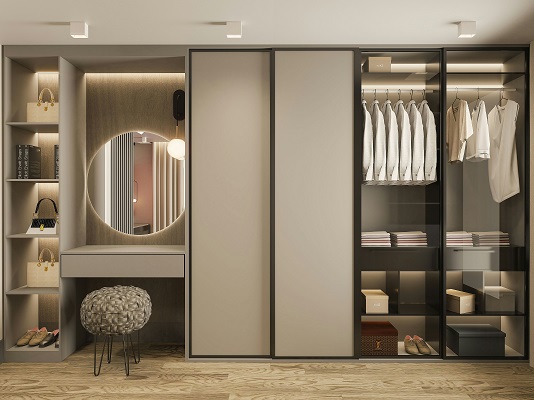
Organizing your wardrobe decluttering is a crucial step towards enhancing your personal style and streamlining your daily dressing routine. A well-structured closet not only saves time but also allows you to mix and match pieces more effectively. To achieve this, consider organizing your clothing based on style and functionality, which will make it easier to assemble outfits that fit various occasions and moods.
A practical method for organizing your wardrobe is color-coding your garments. By arranging items by color, you create a visually appealing and coherent display that makes finding the right piece simple. For example, hanging your tops from light to dark shades can assist you in visualizing outfits quickly. Furthermore, integrating seasonal colors into your wardrobe can make your selections more relevant.
Another effective approach is to categorize your clothing by occasion. This method involves dividing your wardrobe into distinct sections such as workwear, casual, and formal attire. This classification allows for easy access to appropriate outfits depending on your day’s activities, ensuring that you are always prepared, whether you are heading to a business meeting, a casual gathering, or a formal event.
Additionally, consider segmenting your wardrobe by item type, such as tops, bottoms, and dresses. By grouping similar types together, you streamline the process of finding what you need in a hurry. Each section can further include subcategories, such as sleeveless versus long-sleeved tops or jeans versus skirts, to provide additional organization.
Incorporating these methods into your wardrobe decluttering organization can significantly enhance your dressing efficiency and overall style. By providing clear access to your clothing based on both style and function, you can navigate your wardrobe with ease and confidence, ultimately leading to a more enjoyable dressing experience.
Maintaining Your Organized Wardrobe
Once you’ve successfully organized your wardrobe, the next step is ensuring its longevity. Maintaining an organized wardrobe is critical for achieving better style consistently. To do this effectively, you may want to employ several strategies that work well in tandem.
One of the key strategies is to adopt a regular clothing assessment routine. Set aside time every season to evaluate each piece of clothing in your wardrobe. This will not only help you identify items that no longer fit or suit your style but also provide an opportunity to donate or discard unwanted pieces. For instance, using a straightforward method like the one-in-one-out rule can help preserve space while curbing unnecessary purchases. If you buy a new item, consider letting go of an old one, thereby maintaining an organized wardrobe.
When it comes to new clothing purchases, mindfulness goes a long way. Before making a purchase, contemplate how the new item will integrate with existing pieces. Will it complement your current style? Does it fill a gap in your wardrobe? By being deliberate about your purchases, you can prevent overaccumulation and ensure each item serves a purpose.
Seasonal rotations are another effective tactic for maintaining organization. For instance, as the seasons change, swap out summer clothes for winter apparel. By physically removing out-of-season items, you can keep the most relevant clothing easily accessible and lessen clutter. Consider using storage bins or vacuum-sealed bags to safeguard off-season garments.
Ultimately, maintaining your organized wardrobe requires a commitment to ongoing assessment, mindful purchasing, and seasonal adjustments. By implementing these practices, you can ensure that your wardrobe continues to reflect your personal style, making your daily dressing experience not only efficient but also enjoyable.