

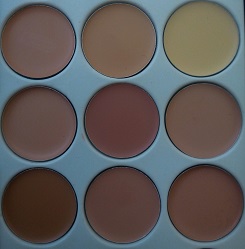
The concept of skin tone is crucial when it comes to choosing colors that complement one’s natural appearance. Skin tones are typically categorized into three main types: warm, cool, and neutral. Understanding these categories allows individuals to select colors for clothing, makeup, and accessories that enhance their natural beauty.
To identify your skin tone, one common method is the vein test. This test involves looking at the veins on your wrist under natural light. If your veins appear greenish, you likely have a warm skin tone. Conversely, if they appear bluish, you are likely to have a cool skin tone. Those with veins that appear a mix or are difficult to categorize may have a neutral tone.
Another effective method for determining skin tone is color draping. This technique involves holding different colored fabrics up to your face to assess which shades enhance your complexion. For those with warm undertones, earthy shades like orange, yellow, and warm reds may look flattering. Cool undertones, on the other hand, tend to shine in jewel tones like emerald green, blue, and purple. Neutral tones can typically wear a combination of both categories, having the flexibility to explore a wider range of colors.
It is also important to note that skin tones can change due to various factors, such as seasonal variations or tanning. For instance, summer sun exposure may warm the skin tone, while winter months might cause the skin to appear cooler. Therefore, individuals should regularly reassess their skin tone, especially during transitions between seasons, to ensure they are choosing colors that remain flattering throughout the year.
The Color Wheel and Skin Tones
The color wheel is a fundamental tool in understanding how colors interact with each other and how they relate to skin tones. Divided into primary, secondary, and tertiary colors, the color wheel can serve as a guide to selecting shades that will enhance one’s natural beauty and undertone. The principles of color theory, particularly when considering complementary and analogous colors, become pivotal in this process.
Complementary colors are those that sit opposite each other on the color wheel. For instance, if someone has warm undertones, such as peach or yellow, blue or cool shades may serve as complementary colors. These contrasts can create a striking effect that highlights features and balances the overall look. Conversely, analogous colors, which sit next to each other on the wheel, such as blue, blue-green, and green, tend to provide a more harmonious appearance. They can elevate the natural glow of a skin tone without competing against it.
When considering skin tones, it is essential to identify whether one has warm, cool, or neutral undertones. Warm skin tones generally benefit from earthy hues like reds, yellows, and warm greens, while cool skin tones typically shine with blues, purples, and some shades of pink. Neutral undertones enjoy a broader spectrum, often blending colors from both warm and cool palettes. By utilizing the color wheel, one can discover how different hues interact with their skin tone and help to enhance their features.
In conclusion, understanding the relationship between the color wheel and skin tones allows individuals to make informed choices about their wardrobe and makeup. By applying principles of color theory, it becomes possible to choose shades that not only flatter but also elevate the individual’s natural beauty.
Colors for Different Skin Undertones
Choosing the right colors for your skin tone is essential to enhancing your overall appearance. Skin tones generally fall into three categories: warm, cool, and neutral undertones. Understanding these undertones can guide you in selecting the most flattering shades for your clothing, makeup, and accessories.
Individuals with warm undertones usually have a golden, peachy, or yellow hue to their skin. Colors that complement warm undertones include earthy shades such as orange, yellow, olive green, and warm reds. These hues can be incorporated into a wardrobe through clothing items, accessories, and even makeup choices, like coral or peach blush. Think about how insightful visuals can demonstrate how these colors enliven warm undertones, creating a radiant effect.
On the other hand, cool undertones are characterized by hints of blue, pink, or purple in the skin. Colors that resonate well with cool undertones include jewel tones like blue, emerald green, and rich purples, as well as crisp shades like black and white. Selecting clothing and accessories in these tones can enhance the vibrancy of cool undertones. For makeup, soft pinks and berries typically work beautifully, providing a fresh and polished look.
Then we have neutral undertones, which exhibit a balance of both warm and cool shades. Those with neutral undertones can experiment with a variety of colors without overwhelming their complexion. Colors like soft lavender, blush pink, and even shades of gray can look stunning. This adaptability allows individuals with neutral undertones to play around with a broader palette while still maintaining harmony in their appearance.
By understanding the distinction between warm, cool, and neutral undertones, individuals can make informed fashion and beauty choices that enhance their natural beauty. Whether you lean towards warm tones or prefer the cool spectrum, selecting the right colors based on your undertone can significantly affect your overall look.
Choosing Colors for Different Occasions
Choosing the right colors for various occasions is essential, as each event may call for a different approach to color selection. Understanding your skin tone is the first step in this process, as it helps you select shades that not only complement your complexion but also suit the nature of the occasion. For casual outings, opt for lighter hues, such as pastels or vibrant tones, that can create a relaxed and approachable look. Colors like soft pinks, light blues, and sunny yellows can enhance your natural brightness, contributing to a laid-back vibe.
For professional settings, a more polished color palette is typically advisable. Earthy tones, navy blues, and subtle grays are establishing not only a sense of confidence but also maintaining professionalism. Incorporating deeper colors that align with your individual skin tone can project authority and competence. For instance, a warm undertone may look great in rich browns or deep reds, while cool undertones can shine in navy or charcoal shades.
At formal events, the stakes are even higher regarding color choices. Here, jewel tones such as emerald green, royal blue, or deep purple can make a powerful statement while remaining elegant. These shades work particularly well with formal fabrics, enhancing the overall aesthetic. Additionally, when accessorizing for formal occasions, consider metallic tones that complement your primary color choice. Gold may act harmoniously with warmer undertones, while silver tends to suit cool undertones.
By being mindful of these suggestions for various occasions, you can create a versatile wardrobe that reflects your personal style, ensures comfort, and enhances your confidence in any setting. The careful blend of appropriate shades tailored to your skin tone can elevate your appearance, leaving a lasting impression on those around you.