

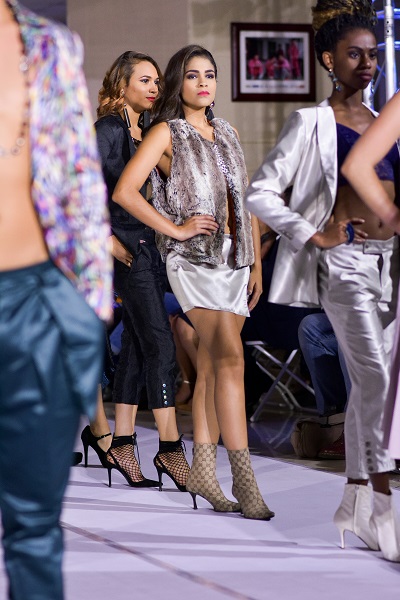
Runway shows are a pivotal element within the fashion industry, serving as both a platform for designers and a lens through which fashion enthusiasts can observe emerging trends. These highly anticipated events showcase the latest collections from various designers, highlighting their creativity and technical expertise. Each show acts as an indicator of what will be in vogue in the upcoming seasons, influencing not just the fashion industry but also consumer choices and retail strategies.
The significance of runway shows lies in their role as trendsetters. They establish a framework for what is to be considered fashionable, reflecting cultural shifts, technological innovations, and artistic influences. Designers meticulously curate their collections, often inspired by societal themes or personal narratives, which resonates with audiences and critics alike. By presenting these collections in a theatrical format, designers can captivate their audience while strategically positioning their brand.
Moreover, the cyclical nature of fashion is prominently displayed at runway shows. Trends often resurface over time, reinvented to reflect contemporary tastes and aesthetics. This constant evolution allows consumers to witness the transition from one trend to the next, while retailers must adapt their stock to align with these changes. Consequently, the impact of runway shows extends beyond the confines of the runway, influencing mass-market fashion and ultimately shaping the style choices of everyday individuals.
In summary, runway shows are not merely fashion displays; they are a foreshadowing of the industry’s direction. By breaking new ground and reviving past trends, designers play a critical role in the dynamic interplay between innovation and tradition within the fashion world. Through this intricate system, runway shows indisputably shape the landscape of fashion, guiding both consumers and retailers alike toward the next wave of sartorial expression.
Key Trends from Recent Runway Shows
The recent runway shows from major fashion weeks across the globe, including New York, Paris, Milan, and London, have set the stage for emerging fashion trends that are set to dominate the coming seasons. Designers have showcased a fascinating blend of styles, colors, patterns, and materials that reflect contemporary societal themes and personal expression.
One of the predominant trends observed is the resurgence of bold colors. Designers are not shying away from vibrant hues, with shades such as electric blue, vivid orange, and bright yellow making significant appearances. These colors bring a sense of energy and optimism to collections, resonating with a desire for positivity in everyday fashion choices.
Additionally, layering has made a comeback in various forms, characterized by a mixture of textures and silhouettes. Models were seen wearing lightweight fabrics over heavier materials, creating a visually intriguing ensemble while maintaining comfort. This trend highlights versatility, allowing individuals to personalize their outfits based on occasion and climate.
Patterns, particularly checks and florals, have also taken center stage, showcasing a combination of classic styles with modern twists. Designers have experimented with different scales and placements, leading to unique visual narratives within each piece. Such patterns not only provide a refreshing look but also allow for easy integration into existing wardrobes.
Furthermore, sustainability continues to influence material choices, with many designers opting for eco-friendly fabrics and production methods. This shift towards ethical fashion reflects an increased consumer demand for responsible practices, signaling a potential long-term change in the fashion industry.
In summary, the latest runway shows reveal a dynamic intersection of color, pattern, and sustainability that is likely to shape fashion choices in the near future. These trends offer valuable insights into how modern aesthetics can align with personal style and environmental consciousness.
The Impact of Influencers and Celebrities on Fashion Trends
In the contemporary fashion landscape, influencers and celebrities play a pivotal role in bridging the gap between high fashion showcased on the runway and accessible styles for the general public. Their ability to translate intricate runway designs into wearable trends significantly shapes public perception of fashion. These individuals often serve as the face of various collections, presenting designer pieces in a relatable context that resonates with their diverse audiences.
Social media platforms, particularly Instagram and TikTok, have emerged as critical arenas for the dissemination of fashion trends. Influencers leverage their substantial followings to promote runway-inspired outfits, providing styling tips and showcasing how to incorporate high fashion elements into everyday attire. This democratization of fashion enables individuals to access what were once exclusive designs, promoting inclusivity in style and offering a fresh perspective on seasonal trends.
Moreover, collaborations between influencers and fashion designers further enhance this trend translation process. These partnerships often yield limited collections that reflect runway styles but are manufactured with a consumer-friendly approach. Such collaborations not only elevate the designer’s brand visibility but also create buzz within the influencer’s community, fostering excitement and anticipation among fans eager to emulate their favorite stars.
The phenomenon of street style derives much of its inspiration from runway shows, demonstrating how celebrity endorsement can drive public adoption of certain aesthetics. Influencers frequently showcase ensembles that combine high-fashion pieces with accessible brands, illustrating how runway trends can seamlessly integrate into everyday wardrobes. Through their authenticity and relatability, they empower audiences to embrace innovative styles while keeping couture influences alive in the mainstream narrative.
In conclusion, the interplay between runway shows and the influential power of celebrities is vital in shaping contemporary fashion trends. By presenting high fashion through a relatable lens, influencers not only promote runway styles but also encourage creative interpretation and adoption among their followers.
Sustainable Fashion Trends
As the fashion industry grapples with the urgent need for ecological mindfulness, the shift towards sustainable fashion has garnered significant attention. With increasing awareness of environmental issues, designers are revolutionizing the runway by incorporating sustainable materials into their collections. Organic cotton, recycled polyester, and innovative fabrics such as Tencel and hemp are being utilized, offering eco-friendly alternatives to traditional textiles. This shift is not merely a passing trend; it reflects a deeper commitment to reducing the fashion industry’s impact on the planet.
In addition to sustainable materials, ethical production processes are becoming a hallmark of modern fashion. Ethical fashion emphasizes transparency in the supply chain, ensuring that garments are produced under fair labor conditions and with minimal environmental harm. Notably, several prominent designers have spearheaded initiatives aimed at promoting ethical practices, advocating for lower carbon footprints, and contributing positively to local communities. By prioritizing quality over quantity, these designers encourage consumers to invest in long-lasting pieces, thereby combating the fast fashion phenomenon that has been a significant contributor to environmental degradation.
Consumer attitudes towards sustainability in fashion are also evolving. Today’s shoppers are increasingly gravitating towards brands that align with their values regarding environmental responsibility. Many consumers are now willing to pay a premium for sustainable goods, recognizing the importance of supporting businesses that prioritize eco-friendly practices. This shift in consumer behavior is prompting more fashion brands to adopt sustainable initiatives, creating a virtuous cycle that benefits both the environment and the economy. As awareness grows and the demand for sustainable fashion increases, it is evident that this trend is set to define the future of the fashion industry.
Color Palettes from the Runway
The world of fashion consistently showcases vibrant color palettes that capture the essence of each season, as observed in recent runway shows. Designers often utilize specific color schemes to evoke emotions, encapsulate themes, and convey the mood of their collections. This analysis highlights the dominant colors that have emerged in the industry, reflecting the broader social and artistic context.
In the latest collections, shades of blue have frequently been celebrated for their calming influences, while rich, warm tones such as terracotta and deep reds signify comfort and connection, resonating with current societal sentiments. Additionally, pastel hues have made a significant return, promoting a sense of optimism and tranquility—a response likely to the challenges faced globally. The interplay of vibrant and muted colors suggests a desire for balance, encouraging both extravagant self-expression and a grounding sense of stability.
Moreover, the influence of these color palettes extends far beyond the catwalk. Retailers are quick to align their product offerings with runway trends, ensuring that consumers have access to styles that reflect the latest in color theory. As seen in high-street stores and boutique designs, shades highlighted on the runway frequently dictate the colors available in everyday wear, making trends accessible to a broader audience. This convergence of runway and retail underscores how fashion is a cyclical and collaborative process, where the vibrancy of runway palettes translates into everyday styling choices.
Incorporating these trending colors into personal wardrobes can be an effective way to stay fashionable while also expressing individuality. Observing these runway influences allows fashion enthusiasts to make informed choices about which colors not only complement their personal aesthetics but also resonate with the prevailing trends in the fashion landscape.
Patterns and Textures Taking Center Stage
In recent runway shows, designers have not shied away from experimenting with an array of patterns and textures, which have emerged as focal points of contemporary fashion. From bold geometric prints to intricate floral motifs, the juxtaposition of colors and shapes speaks volumes about the narrative each collection aims to convey. The artistic vision behind these patterns often goes beyond mere aesthetics; they illustrate cultural influences, historical references, and the designers’ personal inspirations.
Textures play an equally significant role in defining modern styles. Fabrics such as velvet, knitwear, and sheer materials add depth to outfits and offer a sensory experience. Layering techniques have also gained traction, enabling fashion enthusiasts to juxtapose various textures, create visual interest, and embody personal flair. This unique mixing of textures can transform a simple ensemble into a statement piece, encouraging consumers to explore their creativity in styling.
Moreover, the trend of combining contrasting patterns has been widely embraced, prompting individuals to experiment with unusual pairings. The audacious clash of stripes with florals or polka dots with animal prints exemplifies the limitless possibilities it offers for self-expression. As consumers navigate through their wardrobes, they are encouraged to view their fashion choices as a canvas, where the only limit is their imagination.
Indeed, patterns and textures serve as vital elements in today’s fashion narrative, enriching the overall shopping experience. Through inspiration from runway presentations, individuals are invited to embrace the beauty of diversity in their clothing choices. By merging different patterns and materials, fashion enthusiasts can curate unique looks that reflect their personal style and confidence.
Accessories: The Finishing Touch
In the realm of fashion, accessories serve a vital role in enhancing, complementing, and completing a runway look. Often regarded as the finishing touch, these embellishments can elevate a simple outfit into a statement ensemble, offering individuality and personalization to the wearer. Various accessories, including bags, shoes, jewelry, and hats, play an influential role not only on the runway but also in shaping consumer preferences and trends.
Notably, bags often emerge as standout pieces during fashion shows, serving dual purposes of functionality and style. Designers showcase a plethora of styles, from oversized totes to elegant clutches, each carrying its unique flair. For instance, structured bags have seen a resurgence, evoking a sense of sophistication, while playful colors and inventive shapes cater to a more casual aesthetic. Such trends often resonate with fashion enthusiasts who aspire to mirror the runway looks, resulting in a ripple effect in retail markets.
Footwear equally plays a significant part in accessory trends, with designers presenting innovative designs ranging from bold platform shoes to sleek stilettos. Each season, the runway serves as a glimpse into emerging trends, thus shaping consumer decisions. Jewelry, with its ability to convey luxury and detail, often finds itself at the forefront of accessory trends as well. Statement pieces, like oversized earrings and layered necklaces, make their presence felt, encouraging consumers to experiment with layering and mixing jewelry styles.
Hats, another key accessory, have also made a significant comeback, encompassing a spectrum of styles from wide-brimmed to beanies. The diversity found in runway hat designs encourages individuals to explore their personal style while reflecting current trends. As a result, accessories have become an integral part of the fashion narrative, allowing consumers to express their individuality during— and beyond—the seasonal fashion cycles. Overall, each accessory provides an opportunity for innovative styling, influencing both personal choices and broader fashion trends.
Incorporating Runway Trends into Everyday Wear
Embracing runway fashion doesn’t necessarily mean overhauling your entire wardrobe or spending extravagantly. Instead, the key lies in integrating elements of high fashion into your everyday attire in a way that feels both practical and authentic to your personal style.
One effective approach is to start with a statement piece inspired by current fashion trends showcased at runway shows. This could be a vibrant patterned blazer, a trendy pair of ankle boots, or an eye-catching accessory such as an oversized belt or bold jewelry. By introducing these standout items, you can elevate basic ensembles, infusing a high-fashion sensibility into your casual looks without overwhelming your aesthetic.
Another strategy is to adopt the color palettes or fabric textures seen on the runway. For instance, if the latest trends include rich, earthy tones or silky finishes, look for affordable alternatives in your local stores. Incorporating these shades or materials into your everyday outfits can refresh your look and keep it trendy while remaining comfortable and budget-friendly.
Layering is also an essential tactic to modernize your style. High-fashion ensembles often showcase unique layering techniques. To mimic this look, consider combining varied lengths and shapes—such as wearing a longline cardigan over a fitted top paired with wide-legged trousers. This not only adds depth to your outfits but also allows you to express your fashion sensibility creatively.
Lastly, staying attuned to the overall fashion narrative can help you to refine your style. Pay attention to the runway themes and aesthetics, as these can inform your day-to-day choices. Adapting elements like minimalistic silhouettes or statement textures allows you to embody the spirit of runway style while catering to your lifestyle needs. By implementing these practical strategies, you can effortlessly translate high fashion into wearability while maintaining your unique flair.
Conclusion and Looking Ahead
In reviewing the evolution of fashion trends inspired by runway shows, it becomes clear that these trends are not just fleeting whims but are deeply interwoven with cultural and social narratives. The influence of current events, technological advancements, and shifting societal values are continuously reshaping the landscape of fashion. The discussions highlighted how designers are now merging functionality with aesthetic appeal, ultimately making fashion more inclusive and accessible to diverse audiences.
Moreover, the interplay between sustainability and modern fashion trends cannot be overlooked. Designers increasingly emphasize eco-conscious practices, ensuring that future runway inspirations align with growing consumer demand for environmentally responsible fashion. This trend towards sustainability reinforces a collective responsibility among brands and consumers alike, promoting a more ethical fashion industry.
As we consider the future of fashion trends, it is crucial to remain adaptive and observant. The ongoing interplay of technology, culture, and artistic expression will continue to challenge traditional boundaries within fashion. Virtual reality and augmented reality, for instance, are set to revolutionize how fashion is showcased and experienced, offering a more immersive environment for consumers. This progression could further influence consumer engagement and aspiration within the industry.
In light of these shifts, staying engaged with current fashion trends becomes essential. Individuals are encouraged not just to follow trends passively, but to explore and cultivate their unique styles. By doing so, they can play a vital role in defining the future of fashion, making it a more dynamic and personalized expression of identity.