

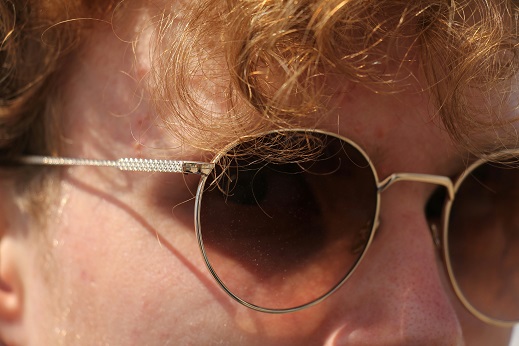
Choosing the right sunglasses styles begins with an understanding of face shapes, as each shape showcases distinctive features that can influence the styles of sunglasses that are most flattering. The primary face shapes include oval, round, square, heart, and oblong. By recognizing the unique characteristics of your face shape, you can select sunglasses that not only enhance your facial features but also provide a balanced look.
Oval faces are characterized by balanced proportions and a slightly narrower forehead and chin. This versatile shape generally accommodates a variety of sunglasses styles, including aviators, cat-eye, and oversized frames, as they highlight the natural symmetry. Alternatively, round faces exhibit soft, curved lines, with equal width and length. To add definition to a round face, angular frames or rectangular sunglasses are ideal, as they create a contrast that elongates the appearance of the face.
Square faces are marked by a strong jawline and a wide forehead, often creating a strong, structured look. Round or oval sunglasses are recommended for square faces, as they soften angular features and complement the overall balance. In contrast, heart-shaped faces tend to have a wider forehead and narrow chin, making it essential to select sunglasses that provide sufficient coverage at the bottom, such as aviators or butterfly frames. These styles help to emphasize the cheekbones and provide a more harmonious look.
Lastly, oblong faces, defined by their length, benefit from sunglasses that provide width. Bold frames, wide sunglasses, or decorative accents on the temples can create a more balanced appearance. By acknowledging these various face shapes and the appropriate sunglasses styles that align with them, individuals can make more informed choices, ultimately leading to a selection that enhances their unique facial features.
Identifying Your Face Shape
Identifying your face shape is a crucial step in selecting the right sunglasses that enhance your features and complement your overall appearance. The process begins with simple measurements and keen observation. To accurately assess your face shape, you should measure the width of your forehead, cheekbones, jawline, and the length of your face.
Start by measuring your forehead width. Use a flexible measuring tape to determine the distance from one eyebrow arch to the other at the widest point of your forehead. Next, proceed to measure your cheekbones by looking for the most prominent part of your face, typically halfway between your ears and your eyes. This measurement will give you insight into how broad the upper section of your face is.
Afterward, assess your jawline. For this, measure the distance between the tip of your chin and the point where your jaw meets your ear on one side. Lastly, determine the length of your face by measuring from the top of your forehead, where your hair starts, down to the bottom of your chin.
Once you have recorded these measurements, you can analyze their proportions to categorize your face shape. Generally, there are six primary face shapes: oval, round, square, rectangular, heart, and diamond. For instance, an oval face typically has a forehead slightly wider than the jawline, while a square face features equal width across the forehead, cheekbones, and jaw. Recognizing the distinctive features of your face will dramatically influence your choice of sunglasses, ensuring they not only fit properly but also complement your unique facial structure.
Sunglasses Styles for Each Face Shape
Choosing the right sunglasses is not only about personal taste but also about complementing your unique face shape. Different face shapes have distinct features that can be accentuated or balanced with the right sunglasses styles. Below are recommendations based on common face shapes.
Round Face: For individuals with a round face, cat-eye sunglasses are a fantastic choice. The upward slant of the cat-eye lifts the appearance of the eyes and elongates the face, counteracting the softness of round facial features. Additionally, angular frames can provide contrast to the natural roundness, offering a flattering look.
Square Face: People with a square face often possess strong jawlines and a broad forehead. Aviator sunglasses, with their teardrop shape, work well to soften these features. The curved lines of the aviators help to balance the rigidity of the jawline, making the face appear more oval and proportionate. Round or oval frames are also effective in adding gentleness to defined angles.
Heart-Shaped Face: For heart-shaped faces, which include a wider forehead and a narrower chin, oversized sunglasses are ideal. These frames can help create balance by drawing attention away from the forehead and down towards the chin. Styles that feature a low bridge can also assist in achieving a harmonious look, as they enhance the overall facial symmetry.
Oval Face: Those with oval faces are fortunate, as they can wear almost any sunglasses style. Nonetheless, rectangular frames tend to add a pleasing contrast to the gentle curves of an oval face. Choosing wider frames can enhance the facial symmetry while providing a fashionable edge. Additionally, oversized sunglasses can complement an oval face beautifully, adding drama without compromising balance.
It’s important to remember that personal style plays a significant role in choosing the right sunglasses, but these recommendations are designed to enhance specific facial features and ensure a complimentary look.
Choosing the Right Frame Size
When selecting sunglasses, one of the fundamental aspects to consider is the frame size. Properly sized sunglasses not only enhance your appearance but also contribute to overall comfort and functionality. The width and height of the frame should correspond to your facial dimensions to create a balanced and flattering look.
Initially, you should measure your face to determine the ideal frame size. Begin by measuring the width of your face at its widest point, typically across the temples. This measurement will guide you in choosing a frame that complements your face layout. Additionally, the height of the frame is essential. Ideally, the height should not exceed the distance from the bridge of your nose to your eyebrows, as an overly tall frame can overwhelm smaller or delicate facial features.
Frames are often categorized by sizes, such as small, medium, and large, and these sizes refer to both the width and height of the sunglasses. Generally, to find the appropriate width, look for frames that do not extend beyond your facial width. A properly sized frame should sit comfortably on your nose without pinching, and the temples should rest gently on your ears without causing any discomfort.
It is also advisable to consider the proportions of your face. For example, if you have a round face, rectangular sunglasses might provide a flattering contrast, while oval faces can accommodate a variety of styles. Ultimately, the ideal frame size will vary among individuals, but measuring your face dimensions will ensure that you select sunglasses that not only look good but also feel good.
Lens Types and Their Impact
Choosing the right lens type for your sunglasses is crucial, as it affects both your comfort and the functionality of the eyewear. Among the most popular lens options are polarized, mirrored, and photochromic lenses. Each type offers unique benefits tailored to specific activities and lifestyle preferences.
Polarized lenses are particularly advantageous for those who spend significant time outdoors. They reduce glare from reflective surfaces, making them ideal for activities such as driving, fishing, or skiing. This glare reduction enhances visual clarity and reduces eye strain, allowing for prolonged comfort during bright conditions. Consequently, polarized sunglasses can be considered a must-have for anyone seeking both style and functionality.
On the other hand, mirrored lenses provide a distinctive aesthetic appeal while also offering enhanced protection from sunlight. The reflective coating on the outside reduces the amount of light entering the eyes, thereby decreasing eye strain in bright environments. Mirrored sunglasses are not only fashionable but also help in reducing glare, making them suitable for beach outings or other sun-rich activities.
Photochromic lenses offer another versatile option, adapting to changing light conditions. These lenses darken in bright sunlight and clear up indoors, making them an excellent choice for individuals who frequently transition between indoor and outdoor environments. Whether you are a cyclist, a runner, or simply enjoy outdoor leisure activities, photochromic sunglasses can provide optimal vision without the need to switch eyewear.
Ultimately, the choice of lens type should align with your specific lifestyle needs. By selecting lenses that accommodate your daily activities, you can ensure both effectiveness in visual clarity and style in your overall appearance. Consider your environment, hobbies, and preferences carefully as you make your decision.
Choosing Frame Colors and Patterns
When selecting sunglasses, the frame color and pattern play a crucial role in complementing your overall appearance. Understanding your skin tone and hair color can significantly aid in making an informed decision. The primary classification of colors is into two categories: warm and cool. Warm colors typically include shades like red, orange, yellow, and gold, while cool colors encompass blue, green, purple, and silver.
For individuals with warm skin tones, sunglasses with warm hues tend to enhance their natural glow. Shades such as honey, tortoiseshell, or bronze can beautifully highlight the warmth in their complexion. On the other hand, those with cool skin tones often find that colors like black, silver, or blue-based frames complement their features effectively.
The compatibility of frame patterns with your personal style should also be considered. Bold patterns, such as animal prints or geometric designs, can make a striking statement and serve as a focal point of an outfit. However, they may not suit every occasion or personal aesthetic. If you prefer a more understated look, solid colors or subtle textures provide timeless elegance without overwhelming the overall appearance.
Ultimately, your choice should reflect both your personal style and the colors that harmonize with your natural characteristics. Trial and error can be beneficial, allowing you to explore various options. Observing how different colors and patterns influence your look will guide you towards selecting the perfect pair of sunglasses that not only enhance your features but also express your unique identity.
Understanding Lens Treatments and Add-Ons
The choice of sunglasses styles extends beyond mere aesthetics; it encompasses the selection of quality lens treatments that enhance both durability and performance. Understanding the various lens treatments and add-ons is essential for making an informed decision. Three critical lens treatments to consider are anti-scratch coatings, anti-reflective coatings, and UV protection.
Anti-scratch coatings serve as a protective barrier on the lens surface, minimizing the risk of unsightly scratches that can impair vision and detract from the overall appearance of your sunglasses. This feature is particularly important for individuals who frequently engage in outdoor activities or handle their eyewear often. By investing in sunglasses with anti-scratch treated lenses, you ensure a longer lifespan and sustained clarity in your vision.
Anti-reflective coatings enhance the functionality of sunglasses by reducing glare caused by sunlight reflecting off the lenses. This treatment is particularly beneficial for people who drive or spend extended periods in bright environments. Reducing glare not only improves comfort but also enhances visual acuity, making it easier to see clearly in various lighting conditions.
Moreover, UV protection is perhaps the most essential feature when selecting sunglasses. Lenses treated with UV protection block harmful ultraviolet rays emitted by the sun, which can lead to serious eye conditions over time, such as cataracts and macular degeneration. High-quality sunglasses should offer 100% UV protection, ensuring optimal safety for your eyes while enjoying outdoor activities.
It is advisable to consider these treatments when selecting sunglasses to not only elevate the durability of your eyewear but also enhance your overall visual health. The combination of these lens treatments provides a comprehensive solution to meet your eye care needs while enjoying the benefits of stylish sunglasses.
Budgeting for Sunglasses
When it comes to purchasing sunglasses styles, understanding the budget is essential. Sunglasses are available across a wide price spectrum, from inexpensive options that can be found at local retailers to high-end designer brands. Setting a clear budget allows consumers to narrow down their options effectively and ensure that they can find a suitable pair without overspending.
It is important to consider that investing in quality eyewear can offer multiple benefits. Higher-priced sunglasses often include superior materials, better UV protection, and enhanced durability, which can lead to cost savings in the long run due to a lower frequency of replacements. Furthermore, quality sunglasses can provide better comfort and clarity, enhancing the overall wearing experience.
For individuals looking to strike a balance between price and quality, there are numerous options available. Specialty eyewear retailers frequently offer sales, particularly during seasonal transitions, presenting an excellent opportunity to find discounted yet stylish sunglasses. Online platforms can also serve as a valuable resource, allowing consumers to compare prices and styles across various brands easily.
Additionally, exploring local thrift stores or consignment shops can reveal hidden gems at attractive price points. These outlets frequently carry a selection of gently used or even new sunglasses that adhere to current fashion trends without the premium price tag. By shopping smart and being open to different purchasing avenues, you can discover a pair of sunglasses that meets both aesthetic and functional needs while staying within budget.
Final Tips for Choosing Sunglasses
Choosing the right sunglasses is not merely about aesthetics; the right pair can enhance your facial features while providing essential protection from harmful UV rays. To ensure a successful selection, consider several actionable tips when shopping for sunglasses that suit your needs and preference.
First and foremost, when trying on sunglasses, consider the frame shape in relation to your face shape. For example, round frames often complement square faces, while rectangular frames can soften round features. To achieve the best fit, ensure the sunglasses rest comfortably on the nose without pinching and feel secure on the temples, yet not too tight that they cause discomfort.
Another crucial aspect is to evaluate the lens quality. Opt for polarized lenses whenever possible; they minimize glare and enhance visual clarity, particularly in bright conditions. Additionally, reviewing the UV protection level is vital—look for sunglasses that block 100% of UVA and UVB rays to safeguard your eyes adequately.
Don’t forget to consider your lifestyle when selecting sunglasses. If you lead an active lifestyle, choose durable frames that can withstand movement and impact. Different activities, such as hiking, cycling, or beach outings, may require specific features, such as anti-slip materials or wraparound styles to ensure they stay in place during high activity.
Finally, remember that investing in quality sunglasses can lead to long-term benefits. While it might be tempting to opt for cheaper options, quality eyewear often offers superior lens technology and longevity. Therefore, allocating a reasonable budget for your sunglasses could ensure satisfaction and protection.
In conclusion, a thoughtful approach to selecting sunglasses tailored to your face shape, activity level, and lens quality can vastly enhance your experience and eye health. Make it a priority to try on various styles, and remember the significant role sunglasses play in both fashion and function.