

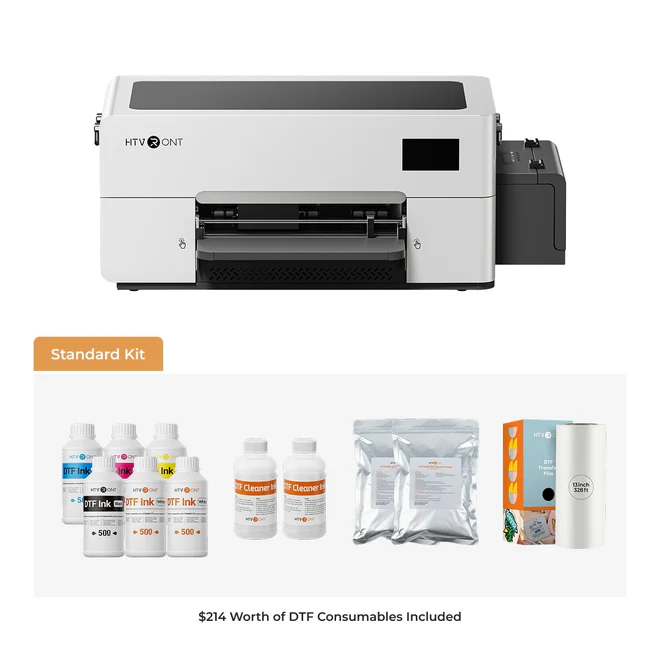
Another innovative system of making functional particulars particular is customizing everyday fabrics. Home fabrics similar as pillow covers and table runners, aprons, and oil tote bags can be fluently turned into swish and individualized products. You may be designing to use it tête-à-tête, to give as a gift, or to design a small business. The tools and tricks will help you make the process easy and effective. Particularly when you have a DTF transfer printer, a good heat press, and other defensive accoutrements , you can produce high- quality customized products.
The initial process of personalizing textiles:
The initial process of personalizing textiles is selecting the appropriate material. Cotton or cotton blends are usually used to make aprons and canvas totes and are ideal to use in heat transfer printing. Digital transfer printing produces successful results on home textiles which include cushion covers and kitchen towels and table linens. The process requires fabric to be wiped clean of wrinkles before printing begins. The fabric should be pre-pressed (takes just a few seconds) to dry it and also provides a smooth surface to apply.
Another crucial step is design preparation. Consider the use of the object and the design usage. Indicatively, names, logos, or decorative designs can be used on aprons. Very graphic or minimal graphics Canvas totes can always be very nice. Seasonal designs, monograms, or artistic illustrations can be part of home textiles. The design can be printed out once the design has been finalized, using a DTF transfer printer, which creates vibrant and detailed transfers on special film.
The DTF transfer printer transfers the design to a PET film:
DTF printer transfers the design to a PET film in color and layers of white ink. The wet ink is then printed, followed by the application of adhesive powder, and allowed to dry. This generates a ready-to-wear transfer, which can be applied to other types of fabrics. One of the best things about DTF printing is that it can be used for a lot of different things. It is effective on light and dark color fabrics and flexible when pressured, thus suitable for items that are washed or used regularly.
Once the transfer has been prepared, one of the steps will be to apply the design through a heat press. Put the apron, tote, or textile in the press and pre-press it a couple of seconds to eliminate wrinkles. You should handle the transfer operation with extreme care to ensure proper centralization and alignment of the process. The heat press operates over a temperature range between 312 and 322 degrees Fahrenheit using medium pressure for a time period of 10 to 15 seconds but the operator will have to adjust their settings according to how thick or thin their fabric is or what kind of transfer film they are using.
When the pressing time has finished, let the transfer cool and peel it. Cold peel is needed in some movies, whereas the peeling of some movies can be done warm. The timing of the removal of the film makes sure that the design is appropriately adhered to without lift-off. A second press is advisable after peeling to increase durability and soften the design.
It is at this point that Teflon sheets come in particularly handy. The second heat press is done with a Teflon sheet on the design to guard the fabric and avoid direct contact with heat. Teflon sheets are also used to spread the heat evenly and also de-shine the printed area. They can be reused and washed and are very important as an accessory to any person who regularly customizes textiles.
In designing aprons, you can have designs on the chest or at the pocket. This placement ensures visibility while maintaining functionality. In the case of canvas totes, place center patterns or corner placements to have a modern appearance. Even greater creativity can be applied to home textiles. You can put patterns on pillow coverings, seasonal themes on table runners, or on name pillow covers with names of individuals.
Another method of visual appeal is by layering designs. You may combine typography and graphics or provide ornamental boundaries. Combining several elements produces depth and makes your personalized items stand out. All you have to remember is to press the layers well and place Teflon sheets between presses to cover the earlier layers.
Individuals and companies can use custom textiles:
Individuals and companies can use custom textiles not only for their personal use but also in business. Individualized aprons are in demand among bakeries and cafes and home cooks. Canvas totes are very popular in branding and promotional giveaways. Home fabrics give considerate gifts and seasonal decorations. A DTF transfer printer and heat press system can enable you to create these products in a cost-effective and uniform manner.
Conclusion:
To sum up, it is possible to make personal styles of usual items by customizing aprons, canvas totes, and home textiles, which is a simple but effective method. With a DTF transfer printer (vibrant designs), a heat press (to apply), and a Teflon film (to shield), you can create professional results. The method for creating permanent prints requires designers to determine both their design locations and their heat settings and their fabric needs. By using your imagination and the appropriate materials, you can make your taste in the details and make common textiles unique and eye-catching.