

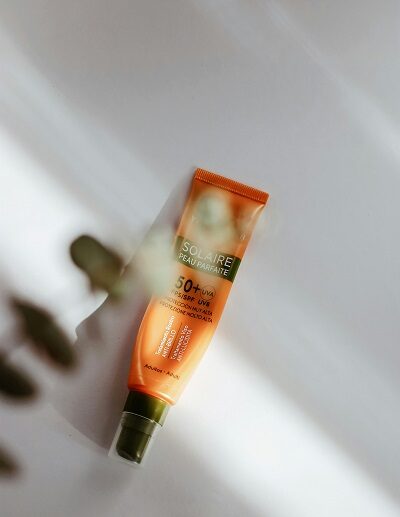
Sun damage refers to the harm inflicted on the skin due to prolonged exposure to ultraviolet (UV) rays emitted by the sun. There are two primary types of UV rays that can damage the skin: UVA and UVB rays. UVA rays penetrate deeply into the skin and are primarily responsible for photoaging, which manifests as wrinkles, fine lines, and loss of skin elasticity. These rays remain constant throughout the year and can penetrate through clouds and glass, meaning individuals may be exposed even on cloudy days. On the other hand, UVB rays are responsible for causing sunburns and play a significant role in the development of skin cancers. Unlike UVA rays, UVB rays vary in intensity based on the season and geographical location, with their strength peaking in summer months, particularly between 10 AM and 4 PM. Both types of UV rays contribute significantly to the risk of developing skin cancer, including melanoma, basal cell carcinoma, and squamous cell carcinoma. The immediate effects of UV exposure often appear as sunburn, characterized by reddening and inflammation of the skin. While sunburn can heal, repeated incidents can lead to long-term consequences, including accelerated skin aging and an increased risk of skin cancer. The cumulative damage caused by UV exposure accumulates over time, underscoring the importance of seeking protective measures, such as wearing sunscreen and protective clothing.
Understanding the nature of sun damage and the varying effects of UVA and UVB rays is crucial for individuals who wish to prevent skin-related ailments. By recognizing the risks associated with sun exposure, people can implement effective strategies to safeguard their skin and promote long-term skin health.
The Importance of Sunscreen
Sunscreen plays a critical role in protecting the skin from harmful ultraviolet (UV) radiation emitted by the sun. UV rays can cause skin damage, premature aging, and increase the risk of skin cancer. Therefore, incorporating sunscreen into your daily skincare regimen is essential for maintaining skin health and preventing potential long-term effects.
There are two primary types of sunscreens: chemical and physical. Chemical sunscreens absorb UV radiation and transform it into heat, which is then released from the skin. In contrast, physical sunscreens, which often contain zinc oxide or titanium dioxide, sit on the skin’s surface and provide a barrier that reflects UV rays. Understanding the difference between these two types can help individuals choose a product that best suits their skin type and activities.
When selecting sunscreen, it is vital to consider the Sun Protection Factor (SPF). A higher SPF indicates greater protection from UVB rays, which are primarily responsible for sunburn. Experts recommend using a broad-spectrum sunscreen with an SPF of at least 30 for adequate protection against both UVA and UVB rays. Broad-spectrum formulations ensure comprehensive coverage, as UVA rays penetrate the skin more deeply and are linked to skin aging and some types of skin cancer.
For maximum effectiveness, proper application of sunscreen is crucial. Apply a generous amount—about an ounce for full-body coverage—30 minutes before sun exposure. Reapply every two hours or immediately after swimming or sweating. Additionally, consider using sunscreen on cloudy days, as UV rays can still cause harm even when the sun is obscured. By consistently using sunscreen and choosing the appropriate formulation, individuals can safeguard their skin and significantly reduce the risk of sun damage over time.
Creating an Effective Sun Protection Routine
Establishing a robust sun protection routine is essential for maintaining skin health and preventing damage caused by UV radiation. One of the fundamental components of this routine is the application of broad-spectrum sunscreen with a minimum SPF of 30. It is crucial to apply sunscreen generously to all exposed skin, ensuring that every exposed area is covered, particularly the face, ears, and neck. For optimal protection, reapplication every two hours is necessary, especially if engaging in outdoor activities, swimming, or sweating.
In addition to sunscreen, wearing protective clothing is an invaluable strategy to mitigate sun exposure. Fabrics that are tightly woven, dark in color, and made from materials such as denim and canvas offer enhanced protection. Wider-brimmed hats can shield the face and neck effectively, while sunglasses with UV protection are essential for safeguarding the eyes from harmful rays.
Seeking shade during peak sun hours—from 10 a.m. to 4 p.m.—is highly advisable. If exposure is unavoidable during these times, it is even more critical to ensure that sunscreen is applied and reapplied as needed. When combining sun exposure with outdoor activities, consider planning events for the early morning or late afternoon when the sun’s rays are less intense.
Creating an effective sun protection routine should also be coupled with promoting awareness among family and friends about the importance of sun safety. Encouraging others to adopt similar protective measures not only enhances their individual health but also fosters a supportive community environment prioritizing skin health. By consistently implementing and maintaining these strategic practices, individuals can significantly reduce their risk of sun damage and enhance their overall skin protection efforts.
Protective Clothing and Accessories
To mitigate the harmful effects of UV radiation from sunlight, the choice of clothing and accessories plays a crucial role. Wearing protective clothing is essential, particularly during peak sun exposure hours. Long-sleeved shirts, for instance, provide an effective barrier against the sun’s rays, significantly reducing the risk of skin damage. When selecting a shirt, look for materials that are tightly woven; fabrics such as polyester or nylon are generally more effective in blocking UV rays compared to cotton. Additionally, many clothing brands now offer garments with a UV Protection Factor (UPF), which indicates the level of UV protection provided by the fabric. For optimal protection, consider garments with a UPF rating of 50 or higher.
Accessories also significantly contribute to skin protection. Wide-brimmed hats are particularly effective as they shield not only the face but also the ears and neck from direct sunlight. A brim that extends at least three inches can substantially reduce UV exposure. When selecting a hat, opt for those made of UV-blocking materials or those rated for sun protection to enhance efficacy.
Another essential accessory for sun protection includes UV-blocking sunglasses. These sunglasses should offer 100% UV protection to safeguard the eyes and surrounding skin from potential damage. Look for labels indicating that the sunglasses block both UVA and UVB rays. Wraparound styles are also recommended as they provide additional side coverage, further limiting UV exposure. With the varied options available, it is easier than ever to integrate protective clothing and accessories into one’s wardrobe, reinforcing a proactive approach to skin health in sunny conditions.
Diet and Sun Protection
The relationship between diet and skin health is an essential aspect of sun protection that often goes overlooked. A well-balanced diet rich in specific nutrients can greatly enhance the skin’s natural defenses against ultraviolet (UV) damage. Antioxidants play a key role in this protective mechanism. Foods high in vitamins C and E, such as citrus fruits, nuts, and spinach, can help neutralize free radicals that are generated by sun exposure. Incorporating these foods into your daily diet not only provides the skin with protection but also aids in repair processes following sun damage.
Additionally, the importance of hydration in maintaining skin health cannot be emphasized enough. Water-rich foods, such as cucumbers, watermelon, and oranges, contribute not only to overall hydration but also assist in keeping the skin supple and less prone to damage. Proper hydration improves skin elasticity and resilience, factors that are critical in combating the adverse effects of UV radiation.
Moreover, omega-3 fatty acids, found in fatty fish like salmon and in flaxseeds, help to strengthen the skin’s natural barrier. This barrier provides an extra layer of protection against environmental stressors, including harmful sun rays. In the context of sun protection, foods that contain these fatty acids can be regarded as beneficial allies in the fight against skin susceptibility.
In summary, paying attention to dietary choices and incorporating a variety of antioxidant-rich, hydrating, and omega-3-rich foods can significantly contribute to enhancing the skin’s defenses against sun damage. By making informed dietary decisions, one can not only nourish their body but also empower their skin to withstand the damaging effects of sun exposure.
Recognizing Signs of Sun Damage
Understanding the early signs of sun damage is crucial for maintaining healthy skin. Overexposure to ultraviolet (UV) radiation can lead to both immediate and long-term changes in the skin. One of the most common indicators of sun damage is the appearance of new moles or changes in existing moles. It is vital to keep track of any alterations, including irregular shapes, asymmetrical borders, or variations in color, as these could indicate potential skin issues.
Another sign of sun damage is discoloration, which may manifest as dark spots or patches, often referred to as hyperpigmentation. These spots can emerge as a result of intensified sun exposure and might become more pronounced over time. Additionally, the texture of the skin may change; many people experience rough, dry, or scaly patches upon prolonged exposure to sunlight. These changes in texture not only affect aesthetics but can also signify underlying damage to the skin’s structure.
It is advisable for individuals to perform regular skin examinations, attentively observing any notable changes. Early detection is vital, as timely intervention can significantly reduce the risk of developing more severe skin conditions, including skin cancer. Should any concerns arise from self-examinations, consulting a dermatologist is essential. A professional can offer guidance on effective preventive measures and potential treatments for existing skin damage.
By being proactive and observing these early signs, individuals can take important steps to protect their skin from sun damage and maintain overall skin health. Vigilance regarding skin changes is key to safeguarding against long-term consequences associated with sun exposure.
Sun Safety for Different Age Groups
Sun safety is crucial for individuals of all ages, but the specific protection strategies must adapt to the distinct needs of children, teenagers, adults, and the elderly. Understanding how skin vulnerabilities evolve with age can facilitate the implementation of effective sun protection practices.
Children, whose skin is thinner and more sensitive, require special consideration when it comes to sun exposure. It is essential to apply a broad-spectrum sunscreen with an SPF of 30 or higher to all exposed skin, even on cloudy days. Protective clothing, hats, and sunglasses should be encouraged, and outdoor play should be limited during peak sun hours, typically between 10 a.m. and 4 p.m. Educating both children and their caregivers about the importance of sun safety helps foster lifelong habits.
As teenagers become more independent, their risk of sun damage can increase due to prolonged sun exposure without proper protection. Teenagers often spend more time outdoors, making it imperative to stress the importance of reapplying sunscreen every two hours, especially after swimming or sweating. Additionally, using water-resistant formulations may offer better protection during activities such as swimming or participating in sports.
For adults, sun safety practices must be observed to prevent premature aging and skin cancer. Regular use of a broad-spectrum sunscreen and routine skin checks for any unusual moles or lesions are vital. Adults should also be aware of the effects of certain medications that may increase sensitivity to sunlight, necessitating heightened care.
The elderly tend to have thinner skin, which can be more susceptible to sun damage. Therefore, sun safety becomes increasingly important. Emphasis should be placed on using high-SPF sunscreen, seeking shade, and wearing protective clothing. Regular dermatological check-ups can help in the early detection of skin changes that may indicate damage.
In conclusion, sun safety is a multifaceted issue that addresses the unique requirements of each age group. By understanding and responding to these distinct needs, one can effectively minimize the risk of sun damage at all stages of life.
Myths and Misconceptions about Sun Exposure
Understanding sun exposure is critical for effective skin protection. Several common myths perpetuate misunderstandings about the sun’s impact on skin health, and clarifying these misconceptions is crucial. Firstly, one prevalent belief is that sunscreen is unnecessary on cloudy days. Contrary to this notion, up to 80% of UV rays can penetrate cloud cover, making it possible to sustain skin damage even when the sun is obscured. Regular application of sunscreen, regardless of weather conditions, is essential for safeguarding skin.
Another widespread myth is that individuals with darker skin tones are immune to sunburn and related skin damage. While melanin in darker skin does offer some level of protection against UV radiation, it does not provide complete immunity. All skin types can suffer from sunburn and long-term damage, including increased risks of skin cancer. Thus, comprehensive sun protection is crucial for individuals of all skin tones.
The belief that a base tan protects against future sun damage is yet another misconception. In reality, a tan indicates skin damage rather than protection. The process of tanning is the skin’s response to UV exposure, marked by increased melanin production as a defense mechanism. It is vital to recognize that while a tan may appear to provide some level of protection, it is inadequate against the harmful effects of UV radiation.
In summary, understanding the truths about sun exposure and skin protection is vital in promoting better skin health. Misconceptions such as needing less protection on cloudy days, believing darker skin is immune to sun damage, and thinking a base tan offers protection can lead to inadequate sun safety practices. Educating ourselves about these myths helps foster healthier habits that can significantly reduce the risks associated with sun exposure.
Conclusion and Maintaining Healthy Skin
In summary, protecting your skin from sun damage is essential for maintaining its health and appearance over time. The dangers posed by ultraviolet (UV) rays necessitate a proactive approach to sun safety. First and foremost, incorporating a broad-spectrum sunscreen with an appropriate SPF into your daily skincare routine is vital. Regular application and reapplication of sunscreen, especially during outdoor activities, can significantly reduce the risk of sunburn and long-term damage.
Additionally, wearing protective clothing, such as wide-brimmed hats and UV-blocking sunglasses, can further shield the skin from harmful exposure. Seeking shade during peak sunlight hours, typically between 10 a.m. and 4 p.m., can also be an effective strategy. Understanding the cumulative effects of sun exposure reinforces the importance of these measures as part of daily life.
Moreover, it is crucial to regularly monitor your skin for any changes, as early detection of issues such as suspicious moles can lead to prompt treatment and better outcomes. Keeping skin hydrated and nourished through a balanced diet rich in antioxidants can also bolster your skin’s defense against sun damage. As research in dermatology evolves, staying informed about new findings and adjusting your protective measures is beneficial.
Ultimately, adopting a comprehensive sun protection strategy not only protects the skin from immediate harm but also supports long-term health and vitality. By making these practices a habitual part of your life, you lay the foundation for resilient skin despite environmental stressors.