

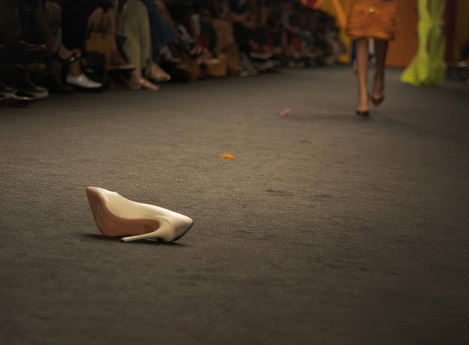
In recent seasons, the landscape of footwear has undergone a remarkable transformation, marking a new era in current shoe trends, As fashion continually evolves, the latest styles encapsulate a blend of comfort, sustainability, and audacious designs. From classic silhouettes experiencing modern reinterpretations to innovative designs that challenge conventional aesthetics, the current shoe trends encapsulate the dynamic nature of contemporary fashion. This year’s shoe trends showcase an enriching blend of various influences, reflecting the changing priorities and preferences of consumers. With the rise of athleisure, sports-inspired designs have surged, merging aesthetics with functionality. Sneakers have not simply remained casual; they elevate outfits and transition seamlessly from day to night. Likewise, the increase in demand for sustainable fashion has prompted brands to focus on eco-friendly materials, leading to the emergence of stylish options that support environmental consciousness.
Moreover, there has been a notable resurgence in nostalgic styles, where vintage influences are making a comeback in contemporary iterations. Chunky loafers, platform shoes, and retro trainers illustrate how past trends can be revitalized to appeal to modern tastes. Footwear designed with bold colors, unique textures, and eye-catching embellishments also captures the current fashion ethos, representing a perfect blend of self-expression and style.
As we delve deeper into the specifics of these shoe trends that are taking over fashion, it becomes evident that each pair reflects not just a style preference but also a larger cultural narrative. Whether through innovation or homage to past styles, the evolving shoe landscape continues to intrigue fashion enthusiasts, prompting discussions and inspiration across various platforms.
Sneakers – The All-Season Staple
Sneakers have evolved remarkably over the years, transitioning from mere athletic footwear to a vital component of contemporary fashion. Today, they are not only embraced for their comfort but also celebrated for their capacity to enhance both casual and high-fashion ensembles. This transformation signifies the sneaker’s establishment as a true all-season staple, evidenced on runways and in everyday fashion alike.
The versatility of sneaker design plays a crucial role in their widespread appeal. From minimalist styles that lend an air of sophistication to bold, colorful designs that make a statement, there exists a sneaker to complement every outfit. Renowned brands such as Nike, Adidas, and New Balance have continually innovated their offerings, allowing consumers to select sneakers tailored to their personal style. Furthermore, luxury fashion houses like Balenciaga and Gucci have entered the sneaker realm, highlighting the trend’s impact across varying price points and demographics.
On the runway, sneakers have found a prominent spot alongside traditional high-fashion footwear, signaling a shift in fashion norms. Designers are incorporating sneakers into their collections, illustrating how they can be paired with tailored suits, flowing dresses, and even formal attire. This integration exemplifies how sneakers are reshaping the fashion landscape, encouraging individual expression without compromising comfort.
In everyday life, the sneaker trend has permeated casual settings, allowing individuals to incorporate stylish yet practical footwear into their wardrobes. Stylish collaborations, limited editions, and eco-friendly options further broaden the appeal and accessibility of sneakers. As a result, these versatile shoes continue to dominate fashion conversations, leading the charge for casual wear in diverse settings.
Chunky Soles and Platform Shoes
The resurgence of chunky soles and platform shoes marks a notable return to vintage aesthetics while simultaneously embracing modern fashion dynamics. Initially popular in the 1990s and early 2000s, these styles have re-entered the fashion scene with renewed vigor. Chunky soles not only serve a stylistic purpose but also provide unparalleled comfort and support, appealing to a broad spectrum of consumers seeking both functionality and flair.
One of the main attractions of chunky soles is their ability to add height without compromising comfort. Unlike traditional high heels that often lead to discomfort, chunky platform shoes distribute weight more evenly across the foot, allowing for an extended wear time. This balance between comfort and elevation has made them a favorite among fashion enthusiasts and professionals alike. As a result, many brands are investing in innovative designs that feature exaggerated soles complemented by sleek upper materials.
The market today offers a plethora of options ranging from elegant boots to casual sandals, each showcasing a unique take on the chunky sole trend. Boots with substantial soles are particularly favored during colder months, providing warmth and a sturdy foundation for various outfits. On the other hand, platform sandals are ideal for warmer seasons, effortlessly merging casual and chic styles.
Furthermore, the adaptability of chunky soles allows them to be paired with diverse clothing items. Whether it be denim jeans, flowing dresses, or tailored trousers, platform shoes can elevate any ensemble, making them a staple in many wardrobes. The inclusivity of designs ensures that everyone can find the perfect pair to match their personal style.
In conclusion, the trend of chunky soles and platform shoes is reshaping the landscape of contemporary footwear, blending nostalgia with modernity while prioritizing comfort and style. Their growing popularity signals a shift in consumer preference towards practical yet fashionable choices in footwear.
Sustainable Footwear – Eco-Friendly Choices
In recent years, the footwear industry has witnessed a significant shift towards sustainability, with brands increasingly prioritizing eco-friendly materials and ethical production methods. This growing concern for environmental impact is driven by both consumer demand and a greater awareness of the ecological footprint of fashion. As a result, sustainable footwear is becoming a crucial trend in modern fashion.
Many footwear brands have begun to adopt innovative sustainable practices, utilizing materials such as recycled plastics, organic cotton, and natural rubber. These eco-friendly choices not only reduce waste but also minimize environmental harm associated with traditional production processes. For example, some companies are converting ocean plastics into stylish sneakers, effectively contributing to marine conservation while providing consumers with fashionable options. This commitment to sustainable materials reflects a broader shift in consumer attitudes, as more individuals are seeking out brands that align with their values.
Additionally, the ethical production of footwear is gaining traction, with a focus on fair labor practices and responsible sourcing. Brands that disclose their supply chain practices are more likely to appeal to environmentally-conscious consumers who prioritize transparency. The demand for sustainable footwear is not merely a trend but is gradually establishing a new standard in the industry. Designers are more frequently incorporating eco-friendly options into their collections, leading to a diverse range of stylish and responsibly produced shoes.
Incorporating sustainability in shoe design also allows for creativity. Brands are exploring unique silhouettes and innovative styles that are not only environmentally conscious but also visually appealing. As sustainable footwear becomes mainstream, it is clear that the intersection of style and environmental responsibility is paving the way for future trends in the footwear industry.
Bold Colors and Patterns
In recent seasons, a distinct shift towards bold colors and vivacious patterns has emerged within the footwear industry. Designers have increasingly redefined traditional concepts of footwear by merging an array of eye-catching hues and intricate prints to create statement pieces that command attention. This trend signifies not just a departure from mundane aesthetics but also embraces a broader culture of personal expression.
Footwear adorned with bright colors showcases a vivid palette that reflects the wearer’s individuality, often transcending seasonal trends. High-fashion brands and streetwear labels alike have taken to using saturated colors, from electric blues to vibrant oranges, ensuring that shoes not only complement an outfit but serve as the central focus. Consequently, such bold choices in footwear have inspired wearers to experiment beyond conventional fashion boundaries, encouraging creativity and personal flair.
Patterns, too, play a significant role in the contemporary revival of footwear styles. Print designs range from classic floral patterns to contemporary geometric shapes, adding depth and dynamism to shoes. This diverse tapestry of colors and prints enhances the versatility of footwear, making them suitable for both casual and formal occasions. The amalgamation of bold colors with innovative patterns has enabled wearers to express themselves in ways previously considered unattainable, thereby transforming footwear from simple accessories into forms of art.
The impact on fashion statements is palpable, as flamboyant footwear signifies a shift towards a more expressive and individualized fashion narrative. This trend encourages consumers not to shy away from making bold choices and embracing uniqueness, which is a refreshing departure from more subdued styles of past years. As the realm of footwear continues to evolve, the exploration of color and pattern is sure to remain a vibrant and influential component of contemporary fashion.
Retro Revival – Vintage-Inspired Styles
The resurgence of vintage-inspired shoes is a remarkable trend that reflects an evolving appreciation for classic designs in contemporary fashion. Over the past few seasons, we’ve witnessed a striking revival of styles reminiscent of past decades, showcasing the timeless appeal of footwear that once dominated the fashion landscape. Iconic silhouettes such as Mary Janes, platform shoes, and chunky sneakers have made significant comebacks, capturing the attention of both fashion enthusiasts and casual consumers alike.
One notable aspect of this retro revival is how these classic styles are being modernized to fit today’s aesthetics and lifestyles. Contemporary brands have reimagined vintage designs, integrating innovative materials and complementary colors that align with current trends. For instance, traditional loafers and oxfords are often adorned with modern embellishments or crafted from eco-friendly materials, ensuring they appeal to the environmentally-conscious consumer while retaining their classic charm.
The influence of the retro footwear trend extends beyond mere aesthetics; it plays a significant role in broader fashion dialogues. Styling these vintage-inspired shoes has also evolved, as designers and consumers embrace a more eclectic approach. For example, pairing classic block-heeled ankle boots with tailored trousers or wearing chunky sneakers with feminine dresses creates a unique blend of retro and modern looks. This cross-pollination of styles exemplifies the versatility of vintage-inspired shoes, allowing individuals to express their personal style in innovative ways.
Furthermore, the retro revival is not solely limited to women’s fashion; men’s footwear is experiencing a similar transformation, with classic dress shoes and retro athletic styles reigniting interest among male consumers. The growing acceptance of unisex fashion trends has encouraged the continuation of vintage aesthetics across all genders.
Slides and Slip-Ons – Comfort Meets Style
In recent seasons, slides and slip-on shoes have gained tremendous traction in the fashion world, marking a significant transition towards comfort without sacrificing style. These footwear options cater to the needs of a lifestyle that increasingly values convenience, making them an ideal choice for a variety of casual looks.
Slides, characterized by their open design and easy-to-wear nature, can be found in numerous styles, from casual rubber flips to more luxe options adorned with embellishments or crafted from premium materials. This versatility allows them to seamlessly transition from beach outings to city strolls. The slip-on shoe, equally flexible, offers a snug fit with no laces or buckles, positioning it as a practical alternative for busy individuals seeking a fashionable yet effortlessly chic aesthetic.
The emergence of these shoes reflects a broader cultural shift within the fashion industry, where comfort is celebrated and prioritized. As lifestyle demands grow, the once stark divide between formal and casual wear continues to blur, leading to the ascent of styles that incorporate comfort as a central design element. Consumers are now gravitating towards footwear that not only enhances their outfits but also supports their dynamic lifestyles.
Both slides and slip-ons come in an impressive range of colors, textures, and patterns, allowing for individual expression across different style preferences. Whether one opts for earthy tones for a more understated look or vibrant hues to make a statement, there is no shortage of choices available. Thus, this category of footwear embodies a harmonious blend of practicality and style, cementing its place in contemporary fashion.
High Heels with a Twist
The evolution of high heels has witnessed a significant transformation in recent years, moving beyond the confines of traditional silhouettes and embracing innovative designs that prioritize not only style but also comfort and individuality. As fashion continues to evolve, so too does the perception of what constitutes a high heel. Today’s trends showcase a variety of heel heights and shapes that cater to the modern consumer, making high heels a viable option for a wider audience.
One notable trend is the rise of block heels and kitten heels, which provide increased stability and comfort without sacrificing elegance. These styles deviate from the conventional stiletto, which, while still popular, tends to prioritize aesthetic over practicality. Block heels often feature a wider base, enabling wearers to navigate various terrains with greater ease. Similarly, kitten heels, typically characterized by their lower height, appeal to those seeking a chic yet comfortable option suitable for everyday wear.
In addition to changes in height and structure, the shapes of heels have also diversified. Angular and sculptural designs have gained traction, allowing for unique expressions of personal style. Brands are experimenting with asymmetric lines and unexpected combinations of materials, resulting in footwear that makes a bold statement. These innovations not only challenge the conventional aesthetic of high heels but also make them more accessible to individuals who may have shied away from traditional styles due to comfort concerns.
Furthermore, sustainability plays a crucial role in shaping these new high heel trends. As consumers become more environmentally conscious, brands are responding by utilizing eco-friendly materials and production methods. This shift aligns with the broader societal movement towards responsible fashion, ensuring that high heels can be both stylish and ethical. The incorporation of sustainable practices within the footwear industry signals a promising future for high heels, blending fashion with a commitment to environmental stewardship.
Conclusion – The Future of Footwear Trends
As we look towards the future of footwear trends, it becomes increasingly clear that consumer preferences and technological advancements will play pivotal roles in shaping the direction of shoe design and functionality. The trends discussed earlier—ranging from sustainable materials to innovative designs—reflect a significant shift towards a more conscious and intentional approach to fashion.
Sustainability, in particular, is likely to remain a driving force within the shoe industry. As more consumers become aware of the environmental impact of their purchases, brands will need to prioritize eco-friendly materials and ethical manufacturing processes. This will likely lead to a rise in vegan footwear options and the use of recycled materials, aligning with a broader societal push toward sustainability in all sectors.
Moreover, technological advancements such as 3D printing and smart footwear are expected to enhance not only the aesthetics of shoes but also their performance. With innovations that allow for customized fits and improved user experience, consumers will undoubtedly seek footwear that seamlessly combines style with functionality. We can envision a future where shoes not only serve their traditional purpose but also adapt to the wearer’s specific needs.
Additionally, the impact of social media and influencers will continue to shape trends, promoting rapid shifts in consumer behavior and preferences. As new styles gain traction on platforms like Instagram and TikTok, brands will need to remain agile, adapting their collections to meet the ever-changing demand. Thus, future footwear trends will likely be characterized by a blend of classic styles and futuristic designs, all while prioritizing comfort and sustainability.
In conclusion, the landscape of footwear trends is set to evolve dynamically, driven by an intersection of consumer desire for sustainability, technological innovation, and the influences of modern marketing. The shoes of tomorrow will be not only a reflection of personal style but also a commitment to responsible consumption and intelligent design.