

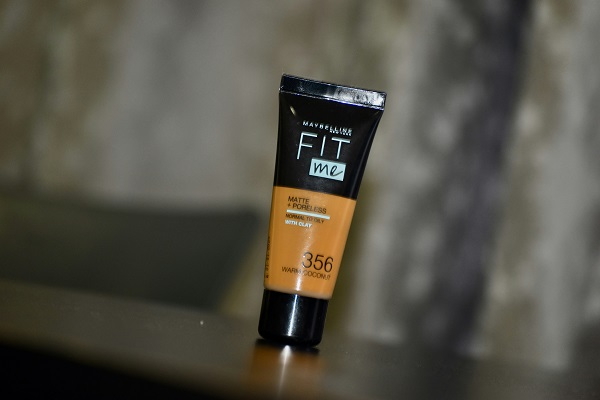
When it comes to selecting the perfect foundation shade, understanding your skin type and undertones is paramount. Skin types generally fall into four categories: oily, dry, combination, and sensitive. Each category exhibits unique characteristics, which greatly influence how different foundation formulas will perform on your complexion. For instance, individuals with oily skin may benefit from matte foundations that help control shine, while those with dry skin might prefer hydrating formulas that provide a dewy finish. In addition to skin type, recognizing your undertone is crucial. Undertones are categorized as warm, cool, or neutral. Warm undertones often have hints of yellow or peach, cool undertones display pink or blue hues, and neutral undertones combine aspects of both. Identifying your undertone can significantly enhance the selection process for your ideal foundation color, lending a natural harmony to your overall look.
To discern your undertone, a straightforward test can be employed. First, inspect the veins on your wrist under natural light. If your veins appear blue, you likely possess a cool undertone; greenish veins suggest a warm undertone; whilst a mix indicates a neutral undertone. Another method is the jewelry test: if gold jewelry enhances your skin’s appearance, you may have warm undertones, whereas silver typically works better for cool undertones.
It is essential to remember that these undertones will interact differently with foundation shades. For example, a warm undertone may clash with a foundation that exhibits a cool base, resulting in an unnatural finish. By understanding these pivotal aspects, individuals can confidently choose a foundation shade that not only complements their skin type but also enhances their natural undertones.
Testing Foundation Shades: The Best Practices
Selecting the right foundation shade is paramount to achieving a flawless makeup look. Testing foundation shades effectively ensures that you find the perfect match for your skin tone. Here are some best practices to consider when trying out foundation products, whether in-store or at home.
When testing foundation shades in-store, begin by cleaning your face or at least the area where you will be applying the testers. A popular method is to apply swatches to your jawline. This area best reflects how the foundation will blend with your natural skin tone. Alternatively, you may choose to swatch the foundation on your wrist, but ensure that you are aware of potential color variances across different areas of your skin.
It is also essential to take note of the lighting conditions when testing shades. Natural light is ideal for evaluating how the foundation looks on your skin. Many stores may have artificial lighting that can distort the foundation’s true color. Therefore, if possible, step outside to see how the shades appear in daylight. This context will help you make a more informed decision.
Another consideration is the wear test; foundation can oxidize, meaning its color may change after a few hours. After applying your selected shades, allow them to sit on the skin for at least a couple of hours. Observe if the color shifts or if it settles into your skin. Take note of how the foundation interacts with your skin type—oil levels may cause some foundations to darken, whereas dry skin can result in lighter appearances. Checking in with your swatches later in the day will give you the clearest indication of the perfect match.
Choosing the Right Foundation Formula for Your Needs
When considering the perfect foundation, it is crucial to evaluate the various formulas available in the market to ensure they meet your specific skin type and makeup preferences. The four primary foundation formulas include liquid, cream, powder, and stick foundations, each of which has its own unique advantages and uses.
Liquid foundations are popular due to their versatility and wide range of coverage options. They are suitable for most skin types and can provide a natural or dewy finish, depending on the formulation. For those with oily skin, matte liquid foundations can help control shine and provide longer wear, while hydrating liquid formulas can be beneficial for individuals with dry skin.
Cream foundations offer a thicker consistency, making them ideal for those desiring full coverage. They often provide a more moisturizing effect, which can be advantageous for dry or mature skin types. However, those with oily skin may want to avoid cream foundations as they can exacerbate shine and may not provide the long-lasting results sought after.
Powder foundations are favored for their lightweight feel and the matte finish they impart, making them a great option for oily skin. They can be easily built up for more coverage and are often used for touch-ups throughout the day. On the other hand, stick foundations are highly portable and provide substantial coverage and quick application for busy individuals, although they might not blend as seamlessly as liquid or cream options.
Ultimately, your skin care routine plays a significant role in how your foundation wears throughout the day. It is essential to use the right serum, moisturizer, and primer to complement the foundation chosen. A blendable formula that harmonizes with your skin care products will result in a flawless appearance.
Maintenance and Adjustments: Staying Flawless
Choosing the right foundation shade is an essential first step, but maintaining that flawless appearance throughout its use is equally important. As factors such as seasons, hormonal fluctuations, and the natural aging process influence skin tone and texture, it is vital to periodically re-evaluate the shade of foundation you are using. Over the course of a year, skin can react differently to environmental changes, leading to variations in undertones and brightness. Therefore, staying attuned to these changes can help ensure that your foundation looks natural and seamless.
To keep your make-up in check throughout the day, consider utilizing touch-up products. A compact foundation or powder can be convenient for refreshing your look in areas that may become oily or wear off. Opt for a shade that closely matches your primary foundation, or consider carrying a lighter shade for highlighting and a deeper shade for contouring. Setting sprays can also play a crucial role in locking in your foundation and ensuring its longevity; select a spray suited to your skin type, whether it be matte for oily skin or hydrating for dry skin.
Moreover, mixing shades can be an effective solution when experiencing variations in skin tone due to seasonal changes. Investing in a couple of complementary shades allows for easy alterations when the need arises, ensuring a flawless finish regardless of circumstances. In cases where you are unsure about your ideal match or have complex skin concerns, consulting a professional for custom formulation services can lead to a perfect foundation that harmonizes with your skin’s unique characteristics. Embracing a proactive approach to foundation maintenance will enhance your overall appearance and ensure confidence in your make-up throughout the day.