

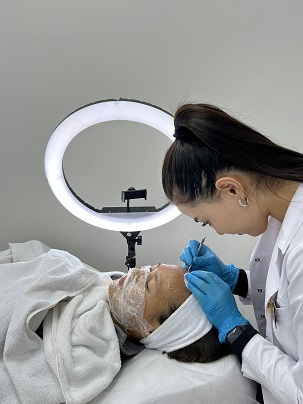
A growing number of skincare enthusiasts are turning to a concept known as the “glow trick,” which promises a luminous complexion with minimal effort. This simple technique has captured the attention of many, who seek to enhance their skin’s radiance without resorting to complicated skincare routines or expensive products. The allure of achieving a healthy glow easily has led to its widespread popularity, particularly on social media platforms.
The glow trick typically involves using everyday items or simple practices that can be integrated into one’s existing skincare regimen. Despite its appeal, opinions on this method are divided. Many dermatologists express skepticism regarding the efficacy and safety of such tricks, raising concerns about the potential for adverse reactions or long-term damage to the skin. Their disapproval stems from a commitment to evidence-based practices that emphasize the importance of clinically proven methods over quick-fix solutions.
This has sparked intrigue among those curious about the glow trick, creating a buzz around its benefits and drawbacks. As more individuals share their personal experiences and testimonials, the demand for insights into this technique continues to grow. Skin enthusiasts find themselves captivated by the promise of achieving a radiant complexion with such simplicity, while medical professionals caution about the integrity of their skin health.
In the following sections, we will explore the different aspects of the glow trick, examine its components, and discuss the contrasting views held by both skincare aficionados and dermatologists. This investigation will provide a balanced perspective on the trick and help readers make informed decisions about incorporating it into their skincare routine.
Understanding Skin Glow: What Does It Mean?
The term “skin glow” commonly refers to the radiant appearance of healthy skin. This glow is often characterized by a combination of hydration, elasticity, and an even skin tone, leading to an overall luminous complexion. Glowing skin is typically indicative of good health, as it reflects proper care, balanced nutrition, and effective skincare practices.
One of the primary factors contributing to skin glow is hydration. Well-hydrated skin tends to have a plump and supple appearance, allowing light to reflect off the skin surface effectively. Experts emphasize that maintaining optimal moisture levels is crucial for enhancing skin luminosity. Dehydrated skin, on the other hand, may appear dull and uneven, lacking the natural vitality associated with a healthy glow.
Elasticity is another essential characteristic of glowing skin. As skin ages, it naturally loses collagen and elastin, leading to sagging and a less vibrant appearance. Dermatologists often recommend incorporating ingredients such as retinoids and peptides into one’s skincare regimen to promote skin elasticity and support a youthful glow.
Color also plays a significant role in the assessment of skin health. A glowing complexion usually features a balanced and harmonious skin tone, free from excessive redness or uneven pigmentation. This uniformity suggests healthy blood circulation and cellular renewal. According to skin health professionals, a product-rich diet and hydration can significantly influence skin color, making it crucial to adopt a holistic approach to achieve that coveted glow.
In light of these factors, glowing skin serves as a visible indicator of overall skin health, resulting from proper hydration, elasticity, and even pigmentation. To attain such luminous skin, individuals are encouraged to embrace a consistent skincare routine and maintain a balanced lifestyle.
The Ingredients Behind the Glow Trick
The quest for a luminous complexion often leads individuals to explore various skincare ingredients that promise to enhance their skin’s radiance. Some of the most commonly used ingredients in achieving that coveted glow include Vitamin C, hyaluronic acid, glycolic acid, and niacinamide. Each of these components plays a unique role in promoting healthy skin.
Vitamin C, a powerful antioxidant, is known for its ability to brighten the skin and reduce hyperpigmentation. It helps to neutralize free radicals while boosting collagen production, which leads to firmer and more youthful skin. Regular use of Vitamin C can result in a visibly brighter complexion, making it a staple in skincare routines focused on achieving a glow.
Hyaluronic acid is another favorite; its humectant properties allow it to attract moisture and retain it in the skin. This hydrating powerhouse not only plumps the skin, reducing the appearance of fine lines, but also imparts a dewy glow. With consistent application, hyaluronic acid can significantly improve skin texture, making it smoother and more radiant.
Glycolic acid, an alpha-hydroxy acid (AHA), exfoliates the skin’s surface by removing dead skin cells, revealing the fresh, healthy layers beneath. This process encourages cell turnover and enhances skin clarity, contributing to a luminous appearance. However, some may find this ingredient irritating, especially those with sensitive skin.
Lastly, niacinamide, a form of Vitamin B3, offers multiple benefits for skin health. It helps regulate oil production, soothes inflammation, and improves skin barrier function. By enhancing overall skin tone and texture, niacinamide supports a balanced and glowing complexion.
Despite the benefits of these ingredients, some dermatologists express concerns regarding potential skin reactions, particularly with AHA use, which can lead to photosensitivity. Understanding how these ingredients interact with individual skin types is crucial for achieving the desired results without adverse effects.
The Science of Skin Care: How Glow Tricks Work
The mechanisms behind glow tricks involve a comprehensive understanding of skin biology and the efficacy of topical treatments. To appreciate how these techniques enhance skin appearance, we must first explore the fundamental aspects of skin cells and their turnover rates. The human skin comprises multiple layers, primarily the epidermis and dermis, each playing a vital role in maintaining skin health and luminosity.
The epidermis, the outermost layer of skin, undergoes a natural renewal process where dead skin cells are shed and replaced by new ones. This turnover typically occurs every 28 days in younger individuals, although it may slow down with age, leading to a dull appearance. Glow tricks aim to expedite this natural process, utilizing various topical treatments that promote exfoliation and cellular regeneration. Ingredients such as alpha-hydroxy acids (AHAs) and beta-hydroxy acids (BHAs) are often employed to enhance cell turnover, thereby allowing fresh, healthy skin cells to surface.
Moreover, these treatments can stimulate collagen production in the dermis, improving skin texture and elasticity. Research indicates that consistent application of these products can lead to visibly improved skin tone, texture, and overall glow. For instance, a study published in the Journal of Cosmetic Dermatology outlined that patients using AHAs experienced significant improvements in skin hydration and renewed radiance after two months of treatment.
Furthermore, certain antioxidant-rich compounds, like vitamin C, can also play an essential role in promoting a glowing complexion. They counteract free radicals damage and contribute to the skin’s brightness by inhibiting melanin production, which can lead to hyperpigmentation. When used together in a comprehensive skincare regimen, these elements can effectively enhance the skin’s natural glow.
Common Myths and Misconceptions
When it comes to skin care and achieving a radiant glow, numerous myths and misconceptions circulate among consumers. One prevalent belief is that using a plethora of products guarantees better results. In reality, excessive layering of products can lead to irritation, clogged pores, or allergic reactions. Dermatologists often emphasize the importance of a minimalistic approach, focusing on quality rather than quantity. A well-chosen serum or moisturizer can be more effective than a cabinet full of lotions.
Another common myth is that expensive products are automatically superior. While certain high-end brands incorporate advanced formulations, many affordable options contain potent ingredients that can deliver similar results. Dermatologists recommend scrutinizing ingredients rather than relying solely on brand reputation or price point when selecting skin care products. Thus, consumers often overlook effective treatments in favor of luxury labels.
Moreover, the idea that sun exposure is harmless or that certain skin types do not require sunscreen is misleading. Regardless of skin type, ultraviolet rays can lead to premature aging and increase the risk of skin cancer. Dermatologists universally advocate for daily sunscreen usage to protect the skin and maintain its health. Additionally, some consumers believe that natural or organic products are inherently safe, failing to recognize that these can also cause adverse reactions.
Furthermore, the illusion of quick fixes is another detrimental belief. Many individuals are attracted to trendy products promising instant results, such as glow-inducing masks or miraculous serums. However, dermatologists warn that healthy skin requires patience and consistent care. Establishing a well-rounded skin care routine tailored to one’s specific needs and skin type is the key to achieving a radiant complexion in the long run.
The Risks Involved: When Glow Tricks Go Wrong
While the allure of obtaining a radiant complexion through simple glow tricks is widespread, it is essential to recognize the potential risks involved, particularly for individuals who may attempt these methods without professional guidance. The use of various products and techniques touted as quick fixes for achieving glowing skin can sometimes lead to undesired skin reactions or exacerbate existing skin conditions.
One significant risk is that different skin types react differently to products. For instance, individuals with sensitive skin may experience irritation or allergic reactions. Ingredients such as fragrances, acids, or certain oils, which are common in glow-enhancing products, can provoke unwanted redness or inflammation. Moreover, those with oily or acne-prone skin might find that certain glow tricks clog pores or exacerbate their conditions. Therefore, understanding one’s skin type is crucial before incorporating new products into one’s skincare regimen.
Another critical safety measure is the practice of patch testing new products. This involves applying a small amount of the product to a discreet area of skin to observe for reactions before applying it more broadly. Neglecting this step can lead to severe breakouts or allergic responses, underscoring the importance of caution and thorough research when experimenting with new skincare treatments.
In addition, some glow tricks involve at-home chemical peels or exfoliation techniques that, if not performed correctly, can cause more harm than good. Misuse of these methods can result in chemical burns or damage to the skin barrier, necessitating professional intervention for repair. Therefore, for individuals uncertain about their skin’s needs or the appropriate products to use, seeking advice from a qualified dermatologist is advisable.
Alternatives to the Glow Trick: Professional Advice
Achieving a radiant complexion is a common goal among many individuals seeking to enhance their skin’s appearance. While some may rely on quick tricks for a glow, dermatologists recommend a range of effective and safe alternatives for maintaining healthy skin. These methods are grounded in both professional advice and evidence-based practices.
One recommended approach is the integration of a robust skincare routine featuring a combination of cleansing, exfoliating, and moisturizing. Gentle exfoliation, using products containing alpha hydroxy acids (AHAs) or beta hydroxy acids (BHAs), can help remove dead skin cells and promote cell turnover, leading to a more luminous appearance. It’s essential to choose formulations that suit your skin type, as this ensures both effectiveness and minimizes irritation.
In addition to exfoliation, incorporating a vitamin C serum into your daily regimen is highly advocated by dermatologists. Vitamin C is known for its antioxidant properties and plays a crucial role in brightening the skin. Daily application can mitigate dullness, enhance overall tone, and contribute to a vibrant glow. Furthermore, proper hydration is vital; using a moisturizer rich in hyaluronic acid can help retain moisture and support skin elasticity.
Another professional suggestion involves utilizing sunscreens that contain physical blockers, such as zinc oxide and titanium dioxide. Protection from UV rays is instrumental in preventing skin damage, promoting a healthy complexion over time. Lastly, advanced treatments such as chemical peels, microdermabrasion, or laser therapy can provide significant improvements in skin quality for those seeking professional interventions.
These dermatologist-recommended methods emphasize the importance of holistic skin health, steering individuals away from temporary fixes while fostering sustainable, long-term radiance.
Real-Life Results: Testimonials and Experiences
The glow trick has garnered a variety of responses from individuals who have experimented with it. Many users report significant improvements in their skin’s radiance and texture. For instance, one user described her experience with the method as transformative. After just a few weeks of consistent application, she noted a noticeable enhancement in her skin’s luminosity, stating, “I felt like I had a permanent glow, even without makeup!” This glow trick enabled her to feel more confident, showcasing the potential benefits that accompany its use.
However, not all testimonials paint a universally positive picture. Some individuals with sensitive skin reported adverse reactions varying from mild irritation to more severe breakouts. One user shared, “I was excited to try this, but my skin didn’t react well. It became red and inflamed after a few days of using the trick.” This highlights the importance of acknowledging individual skin types when evaluating the effectiveness of the glow trick. While many see positive results, others must exercise caution, specifically those susceptible to sensitivities.
Additionally, a number of people noted that their results varied based on their skin types and initial conditions. For example, those with oily skin claimed that the glow trick provided a fresh sheen without adding unwanted grease, while individuals with dry skin suggested that additional moisturization was necessary to avoid flakiness or dullness. The disparity in experiences underscores the necessity of tailoring skincare practices to personal skin characteristics.
Ultimately, while testimonials reveal that this glow trick has the potential to enhance one’s skin appearance significantly, responses can differ greatly among individuals. Success stories and cautionary tales both illustrate the need for a personalized approach, considering the diversity in skin types and conditions.
Conclusion: Should You Try the Glow Trick?
As we have explored throughout this post, the glow trick presents an appealing option for individuals seeking to achieve radiant skin without the heavy reliance on chemical products or extensive skincare routines. This simple technique is grounded in natural methods that many people find accessible and enjoyable. The benefits of enhancing your skin’s glow include a more radiant appearance, increased confidence, and the potential to improve your overall skin health in a gentle manner.
However, it is crucial to weigh these benefits against potential risks. While the glow trick may work wonders for some, it might not be suitable for everyone. Skin type, existing conditions, and personal reactions to certain ingredients or methods must all be considered. Furthermore, as with any new skincare approach, there is a possibility of irritation or adverse reactions, particularly if one has sensitive skin or allergies.
Considering these factors, it is highly advisable for readers to consult with a dermatologist before embarking on this or any new skincare journey. A qualified skincare professional can provide personalized recommendations, help assess your skin type, and ensure that the products or techniques align with your unique needs. Thus, while the allure of trying the glow trick is strong, informed decisions guided by expert opinions will often lead to the safest and most effective outcomes. Incorporating healthy practices alongside professional advice can pave the way for truly glowing skin.