

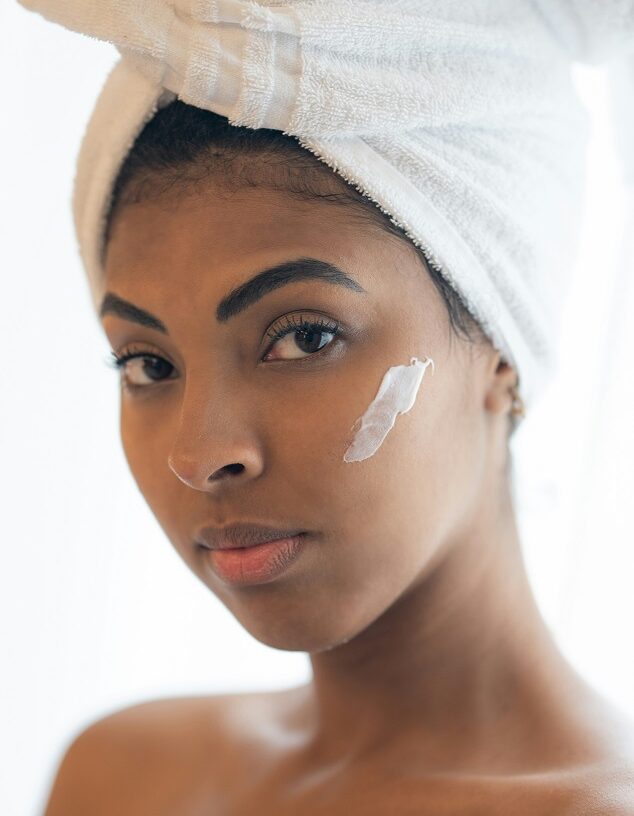
Oily skin care is characterized by an overproduction of sebum, the natural oil produced by the sebaceous glands in the skin. This type of skin typically appears shiny, particularly in the T-zone (forehead, nose, and chin), and is prone to acne, enlarged pores, and blackheads due to the excess oil that can trap dirt and bacteria. The primary reason for the excess sebum is often linked to the activity of these sebaceous glands, which can be influenced by a variety of factors. One of the main contributors to oily skin is genetics. If one or both parents have oily skin, it is likely that their offspring will inherit similar skin characteristics. Hormonal changes also play a critical role; for instance, fluctuations in hormones during puberty, the menstrual cycle, or due to stress can lead to an increase in sebum production. In some individuals, androgens, which are male hormones present in both men and women, can stimulate sebaceous glands, causing the skin to become oily.
Diet may also impact the level of oiliness in the skin. High intake of refined carbohydrates and sugar has been linked to upsurges in oil production. Furthermore, environmental factors such as humidity and temperature can exacerbate oily skin conditions, leading to a more pronounced shine and difficulty in maintaining a matte appearance.
It is essential to differentiate oily skin from other skin types, such as dry or combination skin. While oily skin may seem troublesome, it also has its advantages; it tends to age slower due to the continuous hydration provided by sebum. Understanding the causes and characteristics of oily skin is the first step in implementing effective skin care routines aimed at achieving a balanced, shine-free complexion.
The Importance of Proper Cleansing
For individuals with oily skin, establishing an effective cleansing routine is crucial to maintaining overall skin health and achieving a shine-free appearance. Oily skin is characterized by excess sebum production, which can lead to clogged pores and an increased risk of developing acne. As such, the importance of cleansing in a skincare regimen cannot be overstated. Proper cleansing helps to remove impurities, excess oil, and makeup, ensuring that the skin remains fresh and pores do not become congested.
When choosing a cleanser suitable for oily skin, gel-based or foaming cleansers are often recommended. These types of cleansers are designed to effectively dissolve excess oil without stripping the skin of its natural moisture. Ingredients such as salicylic acid or tea tree oil are beneficial, as they have natural antibacterial properties that can combat breakouts. It is essential to look for products labeled as “oil-free” to avoid exacerbating the condition.
To achieve optimal results, cleansing should be performed twice a day – once in the morning and once before bed. This routine helps to prevent the build-up of oil and dirt that can occur overnight or throughout the day. Additionally, it is important to use gentle, circular motions when applying the cleanser to avoid irritation or over-exfoliation of the skin.
Common mistakes to avoid during the cleansing process include using hot water, which can lead to increased oil production, and relying on harsh scrubs that may damage the skin barrier. Instead, opt for lukewarm water and allow the cleanser to work its magic. By prioritizing a proper cleansing routine with suitable products, individuals with oily skin can significantly improve their skin’s appearance and health.
Exfoliation: The Key to Smooth Skin
Exfoliation plays a crucial role in the skincare routine for individuals with oily skin. It helps in removing dead skin cells that can clog pores and lead to breakouts, which makes it essential for achieving a shine-free look. Typically, it is recommended to exfoliate oily skin about two to three times a week. This frequency strikes a balance between maintaining skin health and avoiding unnecessary irritation.
When considering exfoliants, it is important to choose between chemical and physical options. Chemical exfoliants, such as those containing salicylic acid or glycolic acid, penetrate deeper into the skin and effectively dissolve the bonds that hold dead skin cells together. This can be particularly beneficial for oily skin, as salicylic acid, a beta hydroxy acid (BHA), helps to clear out clogged pores while regulating oil production.
On the other hand, physical exfoliants rely on particles to slough off dead skin layers. These can be effective but should be used with caution, especially for those with oily skin, as aggressive scrubbing can lead to inflammation or exacerbate oiliness. It is crucial to select gentle formulations where the exfoliating particles are finely milled, or consider integrating an enzyme-based exfoliant for a more subtle approach.
When exfoliating, proper techniques can prevent irritation. Begin with clean skin, applying a small amount of the exfoliant either in a circular motion or following the instructions provided on the product. Be mindful not to apply excessive pressure, and always follow up with a suitable moisturizer to hydrate the skin post-exfoliation. Observing these practices while incorporating regular exfoliation can greatly improve the texture and appearance of oily skin, fostering a smoother and healthier complexion.
Moisturizing Oily Skin: Myths and Facts
There exists a common misconception that individuals with oily skin do not need to use moisturizers. Many believe that adding a moisturizer will only exacerbate oiliness and lead to breakouts. However, this notion is misleading. In reality, moisturizing oily skin is a crucial aspect of a healthy skin care routine. Oily skin types can still suffer from dehydration, which can lead to an overproduction of oil as a compensatory mechanism.
Using the right type of moisturizer is essential for maintaining a balance. Lightweight, non-comedogenic moisturizers are specifically designed not to clog pores. These products can hydrate the skin without adding excess oil. Gel-based moisturizers and oil-free formulations are ideal for individuals with oily skin, as they provide moisture while delivering a refreshing feel. Look for ingredients like hyaluronic acid and glycerin, which effectively hydrate the skin without feeling heavy.
Incorporating moisturizing into an oily skin care routine should be done carefully. Start by applying a small amount of lightweight moisturizer after cleansing. Ensure it is evenly distributed across the face. This practice will help to lock in moisture while maintaining a shine-free appearance. Additionally, it is beneficial to use products that contain mattifying agents, such as salicylic acid or clay, as they can assist in controlling excess oil production.
Ultimately, hydrated skin is healthier skin. Neglecting moisturizer can lead to increased oiliness, a compromised skin barrier, and potential irritations. By understanding the importance of moisturizer and choosing the right products, individuals with oily skin can achieve a balanced, shine-free complexion without compromising their skin’s health.
The Role of Toners and Astringents
Toners and astringents play a significant role in the skincare regimen for those with oily skin. These products are designed to help balance oil production, an essential factor in achieving a shine-free complexion. By incorporating them into your daily routine, you can effectively minimize the appearance of pores and prepare your skin for the application of further skincare products.
One of the key benefits of using toners is their ability to remove residual impurities that may linger after cleansing. This step is crucial for individuals with oily skin, as leftover dirt and oil can exacerbate breakouts and lead to a shiny appearance. Moreover, toners help restore your skin’s natural pH balance, which can be disrupted during the cleansing process. A well-balanced pH supports healthy skin function and reduces excess oil production.
When selecting a toner or astringent, it is advisable to look for ingredients known for their oil-controlling properties. Witch hazel is a popular choice, renowned for its natural astringent qualities that tighten the skin and reduce the size of pores. Additionally, tea tree oil is highly regarded for its antibacterial properties, making it an effective option against acne-causing bacteria. Other beneficial ingredients may include salicylic acid, which helps to exfoliate the skin, and glycolic acid, known for its ability to promote a clearer complexion.
For optimal effectiveness, use toners after cleansing, applying them with a cotton pad to remove any remaining impurities. Once your skin is prepped, follow up with serums or moisturizers tailored for oily skin. Establishing a consistent routine that includes toners and astringents can lead to significant improvements in skin texture and oil production control over time.
Using Sunscreen with Oily Skin
Daily sunscreen use is essential for maintaining healthy skin, particularly for individuals with oily skin. The risk of sun damage remains the same regardless of skin type, and for those with oily skin, the right sunscreen can help create a barrier without exacerbating greasiness. Many people may hesitate to apply sunscreen due to concerns about shine and clogged pores, but advancements in formulations have led to options that cater to oily skin effectively.
When selecting a sunscreen, it is crucial to consider lightweight options such as gel-based or spray formulations. These types are designed to absorb quickly and leave a matte finish, which helps combat the oily appearance often associated with creams. Gel sunscreens typically contain water and glycerin, providing hydration without the added oil, while spray sunscreens offer a quick application method that can leave a less greasy residue.
Moreover, looking for products labeled as “non-comedogenic” is advisable when choosing sunscreens for oily skin. These formulations are specifically created to avoid clogging pores, thus reducing the likelihood of breakouts caused by heavy products. Additionally, mineral sunscreens containing zinc oxide or titanium dioxide can be beneficial, as they provide broad-spectrum protection while being gentle on the skin.
To minimize shine throughout the day, pairing sunscreen with oil-absorbent products can be advantageous. Using a mattifying primer or setting powder after applying sunscreen can help maintain a shine-free look, particularly in humid conditions. Ultimately, incorporating sunscreen into a daily skin care routine is a crucial step in protecting oily skin from harmful UV rays without compromising its natural balance. In conclusion, the strategic choice of sunscreen can enhance skin health while preventing excessive oiliness.
Makeup Tips for Managing Oily Skin
Individuals with oily skin often face the challenge of maintaining a shine-free appearance throughout the day. Selecting the right makeup products and employing effective application techniques is crucial for managing excess oil. Firstly, when choosing a foundation, opt for oil-free, matte-finish formulas specifically designed for oily skin types. These foundations typically contain ingredients that help absorb excess oil and provide a long-lasting, smooth finish.
It is advisable to use a primer before applying foundation, as this creates a barrier between the skin and makeup. Look for mattifying primers that can help control oil production and extend the wear of your makeup. Silicone-based primers are particularly effective, as they fill in pores and create a smooth canvas.
When it comes to powders, translucent setting powders are essential for individuals with oily skin. These powders can be used to set the foundation and control shine. Apply them with a fluffy brush, focusing on areas prone to oiliness, such as the T-zone. A light dusting is usually sufficient to maintain a matte finish without looking cakey.
For those who may need touch-ups throughout the day, consider using oil-absorbing blotting papers to gently remove excess shine without disrupting the makeup. Additionally, setting sprays designed for oily skin can help lock in makeup while providing a matte effect. Spraying a setting spray of this kind after the complete makeup application can significantly enhance longevity.
Finally, applying makeup in thin layers can prevent a heavy appearance and allow for better oil control. Utilizing these techniques and products tailored to oily skin will effectively manage shine, ensuring a comfortable and flawless look throughout the day.
Lifestyle Changes for Better Oily Skin Management
Managing oily skin effectively often requires a multifaceted approach that encompasses various lifestyle habits. One fundamental area to consider is diet. Consuming a balanced diet rich in fruits, vegetables, whole grains, and lean proteins can play a significant role in regulating oil production. Foods high in antioxidants, such as berries and leafy greens, can help improve skin health by combating oxidative stress. Conversely, it is advisable to limit the intake of refined sugars and unhealthy fats, as these can exacerbate oiliness and contribute to breakouts.
Hydration is another critical aspect of maintaining skin balance. While it may seem counterintuitive, proper hydration can help reduce the skin’s oil production. When the body is adequately hydrated, skin cells can function more efficiently, potentially reducing excess oil. Aim to drink at least eight glasses of water each day, and consider incorporating hydrating foods like cucumbers and oranges into your meals.
In addition to diet and hydration, stress management should not be overlooked. Stress is known to trigger the production of hormones, such as cortisol, which can lead to increased oil secretion. Engaging in relaxation techniques such as meditation, yoga, or deep-breathing exercises can significantly mitigate stress levels. Furthermore, ensuring that one gets sufficient sleep is vital for hormonal balance and overall skin health. Aim for seven to nine hours of quality sleep each night to help your body repair and regenerate.
Incorporating these lifestyle changes into daily routines may seem challenging, but small adjustments can lead to significant results. Preparing meals in advance, setting periodic reminders to drink water, and establishing a consistent sleep schedule can make adopting these habits more manageable. By addressing these lifestyle factors, one can achieve better oily skin management and promote a healthier, shine-free complexion.
When to Seek Professional Help
Individuals with oily skin care often find themselves managing excess sebum and shine on a daily basis. While various over-the-counter products can be effective in controlling oily skin and minimizing its appearance, there are instances when it becomes necessary to seek professional help from a dermatologist. Recognizing the signs that indicate professional intervention is crucial for maintaining skin health.
If you experience persistent or severe acne breakouts that do not improve with standard oily skin care routines, it’s advisable to consult a dermatologist. Acne that leads to scarring or significant discomfort can often require specialized treatments. Dermatologists may recommend prescription medications such as topical retinoids, antibiotics, or even hormonal treatments that target the underlying causes of acne, providing a more tailored approach than OTC products.
Another condition related to oily skin that may prompt a visit to a dermatologist is seborrheic dermatitis, characterized by red, flaky patches on the scalp or face. If such symptoms arise, seeking a professional evaluation can help determine the appropriate treatment regimen, which might include medicated shampoos or topical antifungal creams.
Additionally, if you notice other worrying symptoms, such as unusual changes in skin texture or persistent irritation, it’s essential to reach out to a skin care professional. A dermatologist can perform a thorough examination and may conduct dermatological tests to identify any specific skin conditions. They are equipped to recommend advanced skin care treatments, including chemical peels or laser therapy, which may be necessary for more serious conditions related to oily skin.
Ultimately, understanding when to seek professional help is key in managing oily skin effectively and preventing related complications. Being proactive in your skin care can lead to improved health and appearance, allowing you to feel more confident in your skin.