

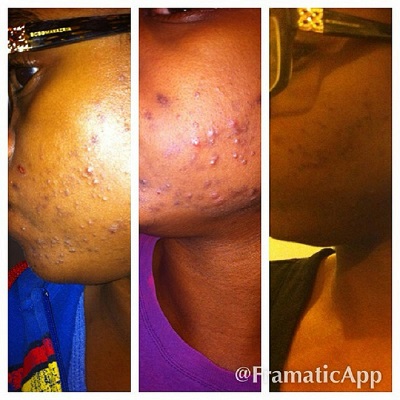
To effectively improve skincare routine health, it is essential to understand the fundamental needs that contribute to its vitality. The primary aspects focusing on hydration, nutrition, and protection significantly influence skin quality. Hydration is paramount, as it helps maintain the skin’s moisture barrier, preventing dryness and irritation. Adequate water intake, along with topical moisturizers, promotes elasticity and plumpness, which are vital for youthful, glowing skin.
Nutrition also plays a critical role in achieving healthy skin. An adequate diet, rich in vitamins, minerals, and antioxidants, supports skin regeneration and repair. Nutrients such as Vitamin C, E, and Omega-3 fatty acids contribute to overall skin health by fighting free radicals and preventing oxidative stress. Including a variety of fruits, vegetables, and healthy fats in your diet can significantly enhance your skin’s appearance.
Moreover, protecting the skin from environmental factors is crucial. UV rays, pollution, and harsh weather conditions can lead to premature aging and exacerbate skin conditions. Utilizing protective measures such as sunscreen, antioxidant serums, and barrier creams can mitigate damage and ensure the skin remains healthy. Understanding your individual skin type whether it is oily, dry, sensitive, or combination also plays a significant role in tailoring your skincare routine. Each type has unique needs and responses to products, hence adjusting your routine can lead to better results.
Furthermore, recognizing skin conditions such as acne, eczema, or rosacea will aid in selecting appropriate treatments and products. Regularly assessing your skin’s needs and conditions will help create a personalized skincare regimen that addresses specific concerns while enhancing overall skin health.
The Role of Hormones in Skin Health
Hormones play a significant role in the overall health of our skin, affecting various conditions and contributing to changes in its texture and appearance. Various hormonal fluctuations, especially during puberty, menstrual cycles, and menopause, can lead to alterations in skin condition, particularly acne and dryness. For instance, during puberty, the body increases the production of androgens, male hormones that also exist in females. These hormones stimulate the sebaceous glands causing them to produce more sebum, which can lead to clogged pores and the formation of acne.
Furthermore, hormonal changes can trigger an inflammatory response in the skin, exacerbating conditions like acne and eczema. Similarly, hormonal imbalances, such as those noted during the menstrual cycle, can lead to cyclical breakouts that are often correlated with the luteal phase when progesterone levels peak. Women may notice their skin becomes greasier and more prone to blemishes in the days leading up to their period, largely due to this hormonal fluctuation.
On the other hand, hormonal dips, particularly estrogen, can lead to dryer skin and increased sensitivity. This decrease often occurs during menopause and can manifest as fine lines and a loss of elasticity, resulting in an overall dull complexion. To manage these hormonal impacts on skin health, several strategies may be employed. Firstly, maintaining a consistent skincare routine that includes hydration and gentle exfoliation can help combat dryness. In contrast, targeted treatments for acne-prone skin, including non-comedogenic products and antimicrobial agents, can help mitigate blemishes triggered by hormonal fluctuations.
Additionally, consulting healthcare professionals for hormone-related skin troubles is advisable. They may recommend lifestyle changes, dietary adjustments, or medical treatments to help restore balance and improve skin quality. Recognizing the pivotal role hormones play in skin health is essential for implementing effective interventions for various skin conditions.
Importance of a Consistent Skincare Routine
A consistent skincare routine is fundamental to achieving and maintaining healthy skin. Skincare is not merely about the products one applies but the method and regularity of application. Establishing a daily regimen tailored to your skin type can significantly enhance your complexion, as it addresses specific concerns such as acne, dryness, or aging. A well-rounded routine typically includes cleansing, exfoliating, toning, moisturizing, and applying sunscreen or treatment products, though the specific steps may vary based on individual needs.
One of the common mistakes many people make is the inconsistency in following their skincare routine. Skipping steps or using products haphazardly can lead to unpredictable results, and the skin may not respond positively. For instance, using a potent exfoliant sporadically rather than on a regular schedule may not yield the desired improvement in skin texture. Alternatively, an overly aggressive routine that changes too frequently can disrupt the skin’s natural barrier, leading to irritation and breakouts.
Consistency not only involves following the same regimen daily, but it also means giving products sufficient time to work often a few weeks to a few months, depending on the formulation and skin issue. Regular application allows active ingredients to accumulate effectively, ensuring better outcomes over time. Equally, maintaining hydration and protection through moisturizers and sunscreen is crucial in safeguarding the skin and enhancing its appearance.
Therefore, the key takeaway is the significance of a disciplined approach to skincare. By committing to a consistent regimen and being mindful of product use, individuals can substantially improve their skin condition, leading to a more radiant complexion in the long run.
Misunderstanding Skin Problems
One prevalent misconception regarding skin issues is the expectation of instant results from certain skincare products. Whether it be a moisturizer, serum, or treatment suited for conditions like acne or eczema, many individuals assume that visible improvements should emerge rapidly following application. This notion can lead to disappointment, as the reality is that skin often requires a more extended period for noticeable changes to occur. Each person’s skin is unique, influenced by a myriad of factors including genetics, lifestyle, and overall health. Thus, the timeline for observing enhancement may differ considerably from one individual to another.
Moreover, the complexity of skin issues cannot be discounted. Conditions such as acne, rosacea, or hyperpigmentation often arise from deeper-rooted causes, necessitating a comprehensive approach to treatment. It is crucial to recognize that while certain products can certainly aid in managing these issues, they cannot act as miraculous solutions. Effective skincare typically involves a consistent regimen, where the cumulative effects over time contribute to skin improvement.
Patience plays a pivotal role in skincare, particularly for those dealing with chronic issues. Rushed decisions—like switching products frequently based on initial dissatisfaction—can disrupt the skin’s natural healing process. Experts recommend adopting a new product for at least four to six weeks to truly assess its effectiveness, allowing the skin time to adjust and respond. During this period, maintaining a holistic skincare routine, which may include a balanced diet and adequate hydration, can facilitate these improvements. In understanding the timeframes and nature of skincare, individuals can better navigate their journey towards healthier, more resilient skin.
Diet and its Impact on Skin Health
The relationship between diet and skin health is significant and often underestimated. Nutrients from the foods we consume play a crucial role in maintaining not only our overall health but also the health and appearance of our skin. A balanced diet rich in vitamins, minerals, and antioxidants can promote skin healing and reduce the incidence of various skin conditions.
Foods high in omega-3 fatty acids, such as fatty fish, walnuts, and flaxseeds, are known for their anti-inflammatory properties. These foods can help to reduce redness and swelling associated with certain skin conditions, such as acne and eczema. Additionally, fruits and vegetables that are rich in vitamins C and E, such as oranges, berries, and spinach, support the skin’s healing process and protect it from free radicals that can cause premature aging.
Conversely, certain dietary choices can negatively impact skin health. Processed foods, high in sugar and unhealthy fats, have been linked to an increased risk of acne and other skin issues. Dairy products, while a good source of calcium, can exacerbate breakouts in some individuals, possibly due to hormones and growth factors present in milk. Furthermore, excessive consumption of alcohol and caffeine can lead to dehydration, which makes skin appear dull and accentuates the appearance of fine lines.
Proper hydration is also essential for skin health. Drinking adequate amounts of water helps to maintain skin moisture and elasticity. A well-hydrated body allows toxins to be flushed out efficiently, leading to clearer and healthier skin.
Incorporating a variety of nutrient-dense foods into one’s diet and ensuring sufficient hydration can positively influence skin condition. A conscious approach to diet not only enhances overall health but can significantly improve the clarity and texture of the skin over time.
Identifying Underlying Health Issues
Skin health is often viewed in isolation, yet it can serve as a reflection of our overall bodily health. Various underlying health issues manifest on the skin, prompting the need for individuals to consider both internal and external factors contributing to their skin conditions. Allergies are one significant culprit; they may result from environmental triggers or specific food items and can lead to rashes, eczema, or hives. Identifying these allergies may require comprehensive testing and thoughtful elimination of potential allergens from one’s diet or surroundings.
Another critical area to examine is gut health, which plays a pivotal role in developing skin issues. The gut-skin axis is a well-studied concept suggesting a direct connection between gut microbiota and skin conditions such as acne, rosacea, and psoriasis. A disturbance in gut flora, often caused by poor diet, stress, or antibiotic use, can lead to increased inflammation and compromised skin barrier function. Individuals struggling with persistent skin problems might benefit from assessing their dietary habits and considering probiotics or other dietary changes to promote gut health.
Moreover, various medical conditions, such as hormonal imbalances, autoimmune disorders, and metabolic diseases, can also directly impact skin appearance and health. Conditions like polycystic ovary syndrome (PCOS) may result in increased oil production, leading to acne flare-ups, while autoimmune diseases like lupus or psoriasis often present with distinct skin symptoms. Therefore, it is crucial to recognize that serious skin issues might not solely be cosmetic but rather indicative of deeper health problems. Consulting with a healthcare professional can clarify whether your skin issues are connected to underlying health conditions, guiding an effective treatment plan that addresses both symptoms and root causes.
The Dangers of Over-Treatment
In the pursuit of healthy and radiant skin, many individuals often fall into the trap of over-treatment. This arises from the belief that more products or aggressive treatments will yield quicker results. However, contrary to this notion, excessive use of skincare products can adversely affect the skin’s natural function and overall appearance.
Using a myriad of products simultaneously can overwhelm the skin. Each product contains active ingredients that can lead to irritation, inflammation, or even allergic reactions. For instance, combining exfoliants with retinoids can lead to redness and increased sensitivity. Moreover, aggressive treatments, such as chemical peels or laser therapy, when performed too frequently, may damage the skin barrier, which is essential for protecting against environmental aggressors and retaining moisture.
It is critical to understand that the skin requires a balance between care and protection. When the skin is constantly bombarded with products, it does not have the opportunity to breathe and recover. This can lead to a cycle of dependence on products, where the skin becomes compromised and less responsive to treatments over time. Instead, focusing on a minimalistic approach to skincare can be more beneficial. Selecting high-quality products tailored to individual skin types and concerns can yield better results than an overly complicated regimen.
Allowing the skin time to recover and repair is equally essential. Integrating periods of rest from treatments can encourage the skin to regain its natural balance. Listening to the skin’s needs and recognizing signs of distress is vital in promoting overall health. By prioritizing a balanced skincare approach, individuals can enhance their skin’s condition without the detrimental effects of over-treatment.
Stress and Its Effects on Skin
Stress is often an overlooked factor that can significantly impact skin health. When the body experiences stress, it reacts by releasing hormones such as cortisol, which can lead to various skin conditions including acne, eczema, and psoriasis. These stress-induced reactions can result in increased oil production, inflammation, and an overall decline in skin quality, causing breakouts and other skin issues.
The relationship between stress and skin health can be particularly noticeable in individuals who already suffer from chronic skin conditions. For instance, stress can exacerbate eczema flare-ups by compromising the skin barrier and increasing sensitivity. Similarly, acne can be aggravated by hormonal changes triggered by stress, leading to more pronounced blemishes and irritation.
To mitigate the adverse effects of stress on the skin, adopting effective stress management techniques is essential. Techniques such as mindfulness meditation, deep breathing exercises, and yoga can help to lower stress levels, leading to improved skin conditions. Engaging in regular physical activity not only benefits mental health but also increases circulation and helps to detoxify the skin through perspiration.
Moreover, maintaining a balanced diet rich in antioxidants and omega-3 fatty acids can support skin health and overall well-being. Foods like nuts, fatty fish, fruits, and leafy greens can provide essential nutrients that combat inflammation and promote healing.
Incorporating these practices into daily life can help create a soothing routine that not only alleviates stress but also serves to enhance skin health. As such, acknowledging and addressing the impact of stress on skin conditions is vital in any holistic skincare approach, making stress management an important component of achieving healthier skin.
Consulting with Skincare Professionals
When persistent skin issues arise, consulting with skincare professionals can be a critical step toward effective resolution. These experts possess the knowledge and tools to identify the underlying causes of skin problems that may not be evident to the average individual. There are several types of skincare professionals available, each with distinct qualifications and specialties that can be of service to those experiencing ongoing skin concerns.
Dermatologists are medical professionals trained specifically in skin, hair, and nail disorders. They can provide diagnosis and treatment for various skin issues, including acne, eczema, rosacea, and other complex conditions. A dermatologist may perform a thorough examination and suggest a tailored treatment plan, which could include prescription medications, topical therapies, or advanced procedures.
Another avenue to consider is consulting a licensed esthetician. These skincare specialists focus on cosmetic skin care and can provide treatments such as facials, chemical peels, or microdermabrasion. While estheticians cannot diagnose skin conditions, they can offer valuable advice on at-home skincare routines, product selection, and techniques to enhance skin health.
Additionally, other healthcare professionals, such as allergists or endocrinologists, can be integral when skin problems are suspected to be linked to allergies or hormonal imbalances. These specialists may conduct tests and evaluations to uncover factors that contribute to skin challenges.
During consultation visits, patients can expect a comprehensive assessment of their skin type, history, and existing routines. It is advisable to prepare questions and share concerns openly to maximize the benefits of these expert consultations. Equipped with professional insight, individuals can develop a more informed approach to their skin care, ultimately leading to improved skin conditions.