

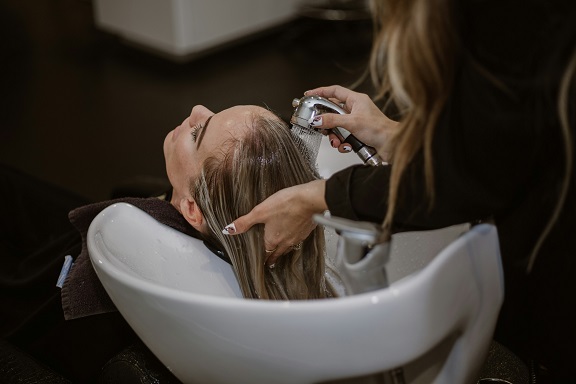
The scalp produces a natural hair oils known as sebum, which plays a crucial role in maintaining the health and appearance of hair. Sebum is secreted by sebaceous glands located at the base of hair follicles. This oily substance serves to lubricate hair strands, reducing moisture loss and providing a protective barrier against external aggressors.
Several factors influence the amount of oil produced by the scalp. Genetics is a primary determinant, as individuals inherit varying traits that affect sebum production. For instance, some people may have excessively oily scalps due to their genetic makeup, while others may experience a drier scalp, leading to different needs for hair care. Diet also plays an integral role; a well-balanced diet rich in vitamins, minerals, and healthy fats can support optimal sebum production, whereas poor dietary habits may contribute to unhealthy hair conditions.
Environmental influences cannot be overlooked when discussing oil production. Factors such as climate, humidity levels, and pollution can affect how much oil your scalp produces. For example, in humid conditions, the scalp might produce excess oil to combat moisture loss, leading individuals to wash their hair more frequently. Conversely, dry climates can lead to decreased oil production, leaving hair feeling dry and brittle.
It’s essential to strike a balance between cleanliness and oil retention. While frequent washing can help remove dirt and excess oils, over-washing can strip the hair of its natural moisture, leading to an unbalanced scalp environment. Understanding your hair’s unique oil production can guide you in establishing a suitable hair care routine, ensuring you maintain healthy, vibrant hair without compromising its natural protective elements.
The Transition Period: What to Expect When You Stop Daily Washing
Reducing the frequency of washing your hair can be a significant change for both your hair and scalp. As your head adapts to this new routine, several transformations occur that are worth understanding. Initially, you may notice an increase in oiliness as your scalp adjusts to producing less oil in response to less frequent washing. This can create a greasy appearance, particularly in the first few weeks.
During the transition period, it is common for hair to feel different as the balance of natural oils shifts. Initially, hair may feel heavier or appear shinier due to the buildup of these oils. However, many individuals report that their hair becomes softer and more manageable as they continue through this adjustment phase. The first 2-3 weeks can be particularly challenging, where you may experience increased oiliness and potential scalp itchiness or irritation.
To manage this transition effectively, consider incorporating dry shampoo into your routine. This can help absorb excess oil and provide a fresher look during the adjustment phase. Additionally, frequent brushing can distribute the natural oils from your scalp down the length of your hair, helping to balance oil levels and improve texture. When washing becomes less frequent, gentle products that do not strip the hair of its natural oils will be vital.
Furthermore, staying mindful of your scalp’s health is crucial during this period. If irritation occurs, explore the use of soothing scalp treatments that can offer relief. Throughout this transition, patience is key as your scalp and hair gradually acclimate to the new washing frequency. Understanding these expected changes can help make the process smoother and less daunting.
Benefits of Reducing Hair Washing Frequency
Washing hair daily can strip it of its natural oils, leading to dryness and scalp irritation. One significant benefit of reducing the frequency of hair washing is improved hair hydration. When hair is washed less often, it retains more of its natural moisture, resulting in healthier and shinier strands. Natural oils produced by the scalp are crucial for maintaining hydration and can effectively protect the hair fibers from damage.
Another advantage is the reduction in irritation experienced by the scalp. Frequent washing can disrupt the scalp’s natural balance, leading to issues such as itching or increased oiliness. By allowing the scalp to regulate its oil production, individuals may experience a more comfortable scalp environment, promoting overall scalp health.
Additionally, less frequent washing translates to decreased damage caused by heat styling tools and washing itself. Each time hair is washed, particularly with hot water, the cuticles of the hair can become rough. By minimizing these processes, hair retains its structural integrity, ultimately leading to fewer split ends and breakage.
From an environmental perspective, reducing the frequency of hair washing conserves water resources significantly. This practice limits water consumption, especially in regions facing drought or water scarcity. Furthermore, fewer wash days mean reduced reliance on hair products like shampoos and conditioners, which often contain chemicals that can be harmful to aquatic ecosystems when washed down drains.
In summary, embracing less frequent hair washing can yield multiple benefits, including enhanced hydration, reduced scalp irritation, minimized damage from styling, and positive impacts on the environment. This shift not only promotes healthier hair but also aligns with sustainable practices that benefit our planet.
When to Seek Professional Advice
While opting to minimize hair washing may benefit some individuals, it is crucial to monitor any changes in your hair and scalp health. There are specific signs that warrant consulting with a professional, such as a dermatologist or hair care specialist. Recognizing these signs early can prevent further complications and help maintain optimal scalp and hair health.
One of the most common indicators that professional advice may be necessary is excessive dryness. If your scalp feels parched and your hair appears brittle or frizzy despite adding moisturizing products, it might be a signal of an underlying issue. Hair prone to excessive dryness may become more susceptible to breakage and damage, which can be alarming if left unaddressed.
Another sign to consider is the presence of dandruff. While some flaking is normal, if you notice an increase in visible flakes or if your scalp becomes itchy and inflamed, it may indicate a condition such as seborrheic dermatitis or an allergic reaction. These conditions typically require a tailored approach and, in some cases, medicated treatments available through a healthcare provider.
Hair loss is another critical symptom that should prompt immediate professional consultation. Whether you are experiencing subtle thinning or noticeable patches of hair loss, early intervention can often yield better outcomes. A trichologist or dermatologist can help identify the cause, whether it is due to stress, nutritional deficiencies, or other medical conditions.
In conclusion, it is essential to remain vigilant regarding your hair and scalp health. Should you observe excessive dryness, dandruff, or hair loss, seeking professional assistance is a prudent step toward restoring balance and health to your hair.