
Prior to embarking on the journey to achieve salon-like hair at home, it is essential to identify your hair type. How to care for hair can be broadly categorized into four main types: straight, wavy, curly, and coily. Each hair type possesses unique characteristics that dictate how it should be cared for and styled.
Straight hair typically lies flat from the roots to the ends and tends to be shiny, reflecting light easily. This type may require lighter products to prevent grease and flatness. On the other hand, wavy hair has a natural S-shaped pattern, and it benefits from volumizing products that enhance texture without making it overly polished. Recognizing your hair’s wave pattern will significantly influence your styling choices.
Curly hair is characterized by its spiral formations and often requires more moisture than straight or wavy hair. Using products specifically designed for curly hair, such as curl creams and hydrating leave-ins, helps in defining curls while minimizing frizz. Coily hair, which features tight, often zig-zag patterns, typically needs the highest level of hydration. Coily hair benefits from heavy creams and oils to maintain moisture and prevent breakage.
In addition to the basic categorization, it is also important to assess hair texture—fine, medium, or thick—and porosity—the hair’s ability to absorb and retain moisture. Fine hair may require lighter styling products while thick hair can handle heavier formulations. Understanding these parameters is vital. By recognizing your unique combination of hair types, textures, and porosity, you can make educated decisions about the best products and techniques suited to your hair. This foundational knowledge will play a crucial role in helping you achieve that coveted salon-like finish at home.
Essential Hair Care Products
Achieving salon-like hair at home largely depends on the quality of the hair care products you use. To create a regimen that caters to your individual needs, consider the following essential products: shampoos, conditioners, leave-in treatments, serums, and styling products, each tailored to your specific hair type and condition.
Starting with shampoos, it is essential to choose a formula that aligns with your hair’s unique needs. For those with dry or damaged hair, a moisturizing shampoo infused with natural oils can provide the necessary hydration. Conversely, if you have oily hair, opting for a clarifying shampoo may help eliminate buildup without stripping away essential oils. Additionally, color-treated hair requires a sulfate-free shampoo to preserve vibrancy and prevent fading.
Conditioners are equally important in maintaining hair health. Look for a conditioner that complements your shampoo choice to maximize results. For coarse or curly hair, a rich and creamy conditioner can enhance moisture retention. In contrast, lightweight conditioners work well for fine hair, offering hydration without weighing it down. Deep conditioning treatments should also be utilized weekly to further nourish hair.
Leave-in treatments and serums are invaluable for added protection and shine. These products help to simplify styling by detangling and frizz control. Choose a leave-in treatment suitable for your hair type, whether it’s a light spray for fine hair or a thicker cream for thick, unruly locks. Serums can help seal in moisture and create a protective barrier against heat damage.
Lastly, styling products such as mousses, gels, and sprays are critical for achieving the desired style. Select styling products based on hold strength and finish, whether you prefer a soft, natural look or a more structured style. Overall, an effective combination of high-quality hair care products tailored to your specific hair characteristics will enable you to achieve and maintain salon-like results in your hair care routine.
Wash Day Routine
Achieving salon-like hair at home begins with a well-structured wash day routine. The first step is establishing how often to wash your hair, which primarily depends on your hair type and lifestyle. For individuals with oily hair, washing every other day might be necessary, while those with dry or curly hair may benefit from washing just once a week to retain moisture.
Next, consider the water temperature during the washing process. It is advisable to start with warm water to help open the hair cuticles, allowing for better shampoo penetration. However, it is crucial to rinse with cool water at the end, as this helps to seal the cuticles, resulting in smoother, shinier hair.
When applying shampoo, focus on the scalp rather than the lengths of your hair. Use your fingertips to gently massage the scalp, promoting blood circulation and helping remove buildup without excessively irritating the skin. It’s important to use a sulfate-free shampoo to avoid stripping natural oils, contributing to healthier hair. After rinsing thoroughly, move on to conditioner. Apply it evenly from mid-lengths to the ends, as these areas are more prone to dryness.
Leave the conditioner in for about three to five minutes to allow it to work its magic, particularly if you’re using a deep conditioning treatment that is rich in moisture. When rinsing, use cool water to ensure that your hair retains hydration. Avoid product buildup by ensuring all conditioner is removed, as leftover products can weigh the hair down and detract from your desired results.
By adhering to these steps in your wash day routine, you can significantly elevate the quality of your hair, nudging it closer to that coveted salon finish.
Deep Conditioning and Hair Masks
Deep conditioning is an essential step in achieving salon-like hair at home. It involves the application of a rich conditioner that penetrates the hair shaft to provide intense hydration and nourishment. Incorporating deep conditioning into your hair care routine can significantly enhance the overall health and appearance of your locks. Ideally, you should deep condition your hair once a week; however, those with particularly dry or damaged hair may want to do it every four to five days.
When selecting a deep conditioner or hair mask, consider your specific hair concerns. Hydration masks are best suited for individuals with dry, brittle hair, as they help restore moisture and improve elasticity. Repair masks contain protein-rich ingredients, making them suitable for those whose hair is damaged from heat styling or chemical treatments. Lastly, volumizing masks can help add body and fullness to fine or limp hair, providing a lift at the roots.
For those interested in DIY alternatives, creating your own hair masks at home is both easy and economical. One simple recipe involves mixing mashed banana with honey and a bit of olive oil, which yields a nourishing mask that hydrates and adds shine. Another effective option includes combining yogurt and coconut oil to promote repair and strengthen the hair. Regular use of these hair masks can elevate your hair’s texture, making it smoother and shinier.
Remember, the key to effective deep conditioning lies in consistency and understanding your hair’s unique needs. By integrating hair masks into your regimen tailored to your concerns, you can achieve the luxurious, healthy hair typically seen in salons, all from the comfort of your home.
Drying Techniques for Best Results
Achieving salon-like hair at home requires an understanding of effective drying techniques. The method you choose can significantly impact the final look of your hair. One of the simplest yet most effective techniques is air drying. This method not only minimizes heat damage but also helps in maintaining the hair’s natural moisture. To air dry effectively, it is recommended to start with a gentle squeeze of excess water, avoiding aggressive towel rubbing that can lead to frizz. It is advisable to avoid touching your hair while it dries to prevent disruptions in the natural pattern of your curls or waves.
Towel drying is another common technique, though it requires careful handling. Using a microfiber towel or a soft cotton t-shirt can reduce friction and thus minimize hair damage and frizz. After applying your preferred styling products, gently twist sections of the hair in the towel to absorb moisture. This approach not only helps to speed up the drying process but also prepares the hair for a polished finish.
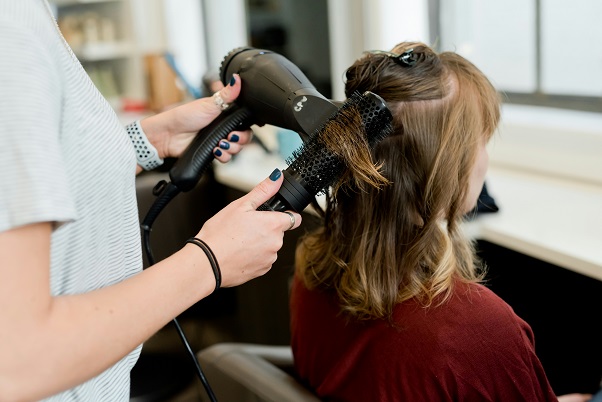
The use of a hairdryer can also yield excellent outcomes if used correctly. To minimize heat damage, it is essential to use a heat protectant spray before blow-drying. Setting your hairdryer to a lower heat setting and keeping it at least 6 inches away from the hair can significantly reduce the risk of drying out your strands. Additionally, using a diffuser attachment can help in enhancing curls and preventing frizz. For maximum shine, consider finishing your hair with a cool shot from the dryer, which seals the hair cuticle and locks in moisture.
Styling Tools and Techniques
To achieve salon-like hair at home, utilizing the right styling tools is essential. The proper brushes, combs, and heat styling devices can make a significant difference in the final look. Selecting brushes with natural bristles is beneficial for distributing oils and maintaining hair health. For detangling, a wide-tooth comb is a recommended choice, especially for wet hair, to minimize breakage and preserve texture. Additionally, paddle brushes are excellent for smoothing hair in preparation for styling.
When it comes to heat styling tools, a quality flat iron is indispensable for straightening hair. Look for options with temperature control and ceramic plates to evenly distribute heat and reduce damage. For curling, a curling wand with varying barrel sizes allows for creating different curl types, ranging from tight ringlets to loose waves. Furthermore, investing in a reliable hair dryer with a diffuser and various heat settings can enhance styling versatility and efficiency.
In addition to choosing the right tools, mastering specific techniques can elevate your at-home styling regimen. For curling, wrapping sections of hair around a wand, holding for several seconds, and gently releasing creates beautiful, long-lasting curls. When straightening, it is crucial to section the hair to ensure even treatment and avoid overexposing any section to heat. For volume creation, techniques such as blow-drying hair upside down or using velcro rollers can add significant lift and body.
It is essential to employ heat protectants before styling to safeguard hair from thermal damage. The combination of the right tools and techniques can lead to professional-looking results without the need for a salon visit. Emphasizing care and consideration in the styling process will ensure stunning hair daily.
Finishing Touches: Serums and Sprays
To achieve salon-like hair at home, incorporating the right finishing products such as serums, volumizing sprays, and hair oils can significantly enhance the texture and appearance of your hair. These products are designed to provide the final touch that transforms your hair from ordinary to extraordinary.
Hair serums are an excellent option for adding shine and reducing frizz, which are common issues when trying to achieve a polished look. Typically containing silicones, serums work by laying a protective layer over the hair, sealing in moisture and smoothing the cuticle. To use, simply apply a small amount to the palms, rub them together, and distribute through damp or dry hair, focusing on the ends where damage is often more pronounced.
Volumizing sprays can also play a crucial role in achieving that professional finish. These sprays are formulated to provide lift and body, making hair appear fuller and more vibrant. To utilize volumizing sprays effectively, apply to the roots before blow-drying. This technique helps to create lift and enhance the natural texture of your hair, giving it the fullness associated with salon-styled tresses.
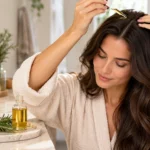
Moreover, hair oils are increasingly popular for their nourishing properties. Infused with natural ingredients, these oils can hydrate, add shine, and improve the overall manageability of hair. For optimal results, apply a small amount of hair oil to the mid-lengths and ends, avoiding the scalp to prevent greasiness.
Incorporating these serums, sprays, and oils into your hair care routine not only enhances the overall look but also aids in maintaining the health of your hair. With the right application, these products can contribute significantly to achieving and maintaining salon-finished hair at home.
Common Mistakes to Avoid
Achieving salon-like hair at home can often be disrupted by common mistakes that many individuals make during their hair care routines. One of the most prevalent issues is over-washing. Washing hair too frequently strips it of its natural oils, leading to dryness and dullness. Instead of daily washing, consider implementing a schedule that allows your hair to maintain its natural moisture balance, typically two to three times a week, depending on your hair type.
Another significant error is the use of incorrect products. Selecting hair care products that are not suited for your specific hair type can lead to ineffective results. For instance, using products designed for oily hair on dry hair can exacerbate the problem. It’s essential to identify your hair type—be it oily, dry, curly, or straight—and choose shampoos, conditioners, and styling products that cater to those needs. Reading reviews and seeking advice from a professional can help in making informed decisions.
Additionally, neglecting regular trims can hinder hair progress. Split ends and breakage can prevent your hair from looking its best, as they can make it appear frizzy and unhealthy. Establishing a routine of trims every six to eight weeks can foster healthier regrowth and contribute to the overall appearance of your hair.
Finally, applying too much heat during styling can dramatically affect your hair’s health. Heat styling tools can cause damage if not used correctly. To mitigate this, try to limit high-heat styling sessions and always use a heat protectant. This not only protects the hair from damage but also enhances the effectiveness of heat application.
Maintaining Healthy Hair Between Salon Visits
To achieve and maintain salon-like hair at home, it is essential to prioritize the health of your locks between visits. One of the fundamental aspects of maintaining healthy hair is to schedule regular trims. This practice helps to eliminate split ends and keeps your hair looking fresh and vibrant. Experts recommend trimming every 6 to 8 weeks, but the frequency may vary based on individual hair types and growth rates.
In addition to trims, incorporating protective styles into your routine can significantly enhance your hair’s health. Protective hairstyles, such as braids, buns, or updos, minimize the amount of manipulation and exposure to environmental stressors, reducing breakage. This approach also allows your hair to retain moisture, ensuring it remains hydrated and strong. When opting for protective styles, ensure that they are not too tight, as this may lead to tension and hair loss.
Furthermore, seasonal hair care plays a crucial role in maintaining healthy hair. Different seasons can affect the moisture levels and overall health of your hair. For instance, during the winter months, you may need to adjust your hair care routine to combat dryness caused by cold air and indoor heating. Consider using richer hydrating products, such as oils and leave-in conditioners, to lock in moisture.
Summer months may necessitate additional precautions against sun exposure and chlorine from swimming pools. In these cases, using UV protectants and regular deep-conditioning treatments can help safeguard your hair. By understanding and adapting your hair care routine to the seasons, you can ensure that your hair retains its health, vibrancy, and shine, keeping it in excellent condition between salon visits.