

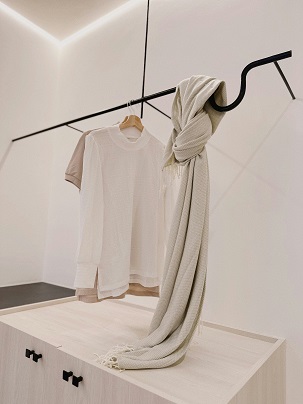
Minimalist wardrobe fashion is often defined by its principles of simplicity, versatility, and intentionality in clothing choices. At its core, this style emphasizes quality over quantity, urging individuals to curate their wardrobe by selecting timeless pieces that can be effortlessly mixed and matched. The primary objective of minimalist fashion is to eliminate excess and promote a streamlined approach to dressing, allowing individuals to express their personal style without overwhelming complexity. The roots of minimalist fashion can be traced back to the mid-20th century when artists and designers began championing simplicity in various forms. The aesthetic gained traction during the late 1960s and 1970s, influenced by movements in art, architecture, and music that celebrated minimalism as a reaction against the opulence of preceding eras. Minimalist fashion’s evolution was also significantly impacted by designers such as Yohji Yamamoto and Jil Sander, who introduced clean lines and monochromatic palettes that remain staples in contemporary fashion.
Culturally, minimalist fashion has become increasingly relevant in recent years as consumers seek greater meaning and functionality in their clothing choices. Embracing a minimalist wardrobe offers numerous benefits, including reducing decision fatigue—a common experience when faced with an overstuffed closet. By simplifying the selection process, individuals can focus on what truly resonates with them and their lifestyle, enabling more thoughtful consumption. Furthermore, the minimalist approach aligns with sustainable practices by encouraging a shift towards lasting garments rather than fast fashion, contributing to environmental preservation. This commitment to sustainability has added cultural significance to minimalist fashion, making it a compelling choice for today’s conscientious consumers.
Key Pieces for a Minimalist Wardrobe
A minimalist wardrobe fundamentally revolves around a carefully curated selection of essential clothing items that embody simplicity and versatility. Central to this concept is the classic white shirt, which serves as a foundational piece. Its adaptability allows it to be paired effortlessly with tailored trousers for a professional setting, or with denim for a more casual look. The timelessness of a white shirt ensures it remains fashionable across various contexts, making it a staple in any minimalist closet.
Another critical item is tailored trousers. These provide a polished appearance while offering comfort and ease of movement. Available in neutral tones, they can be easily coordinated with a variety of tops, further emphasizing the minimalist principle of mix-and-match flexibility. When selecting tailored trousers, attention should be paid to the fit and fabric quality, as these attributes will determine how well the pieces withstand the test of time.
No minimalist wardrobe is complete without a little black dress (LBD). This iconic piece is celebrated for its ability to transition from day to night with relative ease. By simply changing accessories or layering with a blazer, the little black dress can adapt to different occasions, rendering it a valuable investment for those pursuing a minimalist lifestyle.
Versatile outerwear, such as a classic trench coat or a tailored blazer, is essential for providing warmth without compromising style. When selecting outerwear, look for designs that can be dressed up or down, enhancing the possibilities within your wardrobe. Lastly, quality footwear should not be overlooked; a pair of well-crafted shoes can elevate any outfit while providing comfort and durability. By focusing on these key pieces and investing in high-quality fabrics and timeless styles, individuals can establish a minimalist wardrobe that is both functional and stylish.
How to Style Minimalist Outfits
The essence of minimalist fashion lies in its simplicity, yet crafting stylish outfits from minimalist pieces requires a thoughtful approach to styling. To effectively curate a minimalist outfit, it is essential to pay attention to the fit and proportion of each garment. Well-fitted clothing not only enhances the silhouette but also promotes a polished appearance. Tailoring clothes to suit your body type can transform ordinary pieces into statement outfits, ensuring that simplicity does not compromise style.
Layering is another vital technique in minimalist wardrobe styling. By combining key pieces, such as a tailored blazer over a basic tee or a classic turtleneck under an oversized coat, one can add depth to their look without overwhelming it. Soft textures and neutrals can be layered to create an effortlessly chic ensemble, allowing the minimalist aesthetic to shine through. Consider incorporating varying lengths and structures to achieve visual appeal, such as pairing slim-fit trousers with an elongated tunic.
Accessorizing plays a significant role in elevating minimalist outfits. A simple yet elegant watch or a pair of understated earrings can add sophistication without detracting from the overall simplicity. When it comes to bags and shoes, opting for versatile designs in neutral colors enhances the cohesive look. The right accessories can provide a personal touch to your outfit while maintaining the essence of minimalism.
Color coordination is equally crucial in creating harmonious outfits. Sticking to a color palette of three to four shades helps maintain a unified appearance while allowing room for creativity. Soft pastels or monochromatic tones can evoke a serene vibe, perfect for minimalist styling. For visual inspiration, mood boards featuring various combinations and styles can be incredibly useful, showcasing successful minimalist outfits that embody the principles of fit, layering, and accessorizing.
Embracing Minimalism Beyond Clothing
Minimalism is often associated with a streamlined wardrobe, yet its ethos extends far beyond clothing. Adopting a minimalist fashion approach can significantly influence lifestyle choices and personal philosophy. At its core, minimalism advocates for simplicity, encouraging individuals to prioritize quality over quantity. This mindset is not limited to apparel; it can also be applied to accessories, beauty products, and overall personal branding.
When it comes to accessories, consider investing in a few high-quality pieces that complement your wardrobe rather than clutter it. Opt for timeless designs that exude sophistication and versatility, allowing you to mix and match effortlessly. By selecting a minimal number of accessories, such as a classic watch or a pair of elegant earrings, you can maintain a polished look that enhances your style without overwhelming it.
Similarly, a minimalist wardrobe approach to beauty products can yield substantial benefits. Streamlining your makeup kit to include only essential items promotes a clearer vanity and a more efficient beauty routine. Focus on versatile products that can serve multiple purposes, such as a tinted moisturizer that provides hydration while offering light coverage. This not only simplifies your daily regimen but also encourages mindful consumption.
Moreover, the principles of minimalism can profoundly impact personal branding. In a world saturated with information, having a clear and consistent personal brand is invaluable. Emphasizing simplicity in your professional presence—whether through a clean and cohesive aesthetic on social media or an uncluttered online portfolio—can resonate with audiences more effectively than trying to communicate a complex image.
Incorporating minimalism into various facets of life fosters a sense of clarity and purpose. By focusing on what truly matters, individuals can cultivate a lifestyle that reflects their values. This holistic adoption of minimalism is an invitation to reevaluate all areas of life, fostering intentional choices that lead to a fulfilling existence.