

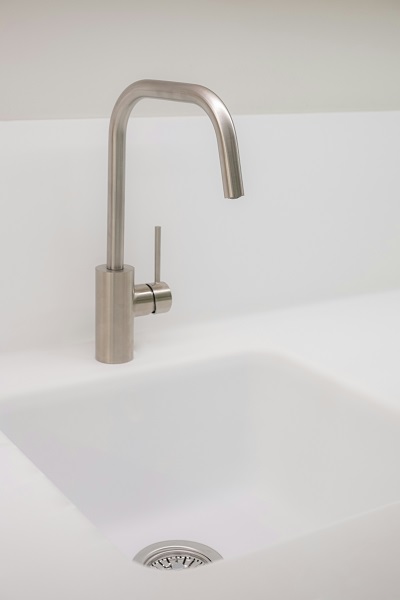
Choosing the right kitchen sink styles is a significant decision in the design and functionality of any kitchen space. A kitchen sink serves multiple purposes, acting as the central hub for various tasks such as food preparation, cooking, and cleaning. Selecting an appropriate sink not only streamlines these daily activities but also contributes to the overall aesthetic appeal of your kitchen, ultimately impacting your experience in this crucial space. Kitchens are often known as the heart of the home, and the sink plays an essential role in this environment. A well-chosen kitchen sink can enhance your kitchen’s layout and significantly influence your workflow. Whether you are washing vegetables, cleaning dishes, or filling pots, the right sink can improve efficiency and comfort. Furthermore, the material, style, and size of the sink should harmonize with your kitchen’s design theme, thereby elevating the visual aspect of your cooking area.
Different types of kitchen sinks are available in the market, ranging from traditional drop-in sinks to more contemporary undermount variants. Each style comes with its own advantages and drawbacks, making it crucial to consider your individual needs and kitchen design. Additionally, considerations such as depth, bowl configuration, and faucet compatibility should not be overlooked, as they greatly affect the sink’s functionality. When selecting a sink, it is vital to think about how it will interact with other elements in your kitchen, including countertops and appliances.
Overall, investing time into selecting the perfect kitchen sink is essential for homeowners and design enthusiasts alike. This decision should fuse both practical needs and style to create an efficient and visually appealing kitchen that aligns with your lifestyle and preferences.
Types of Kitchen Sinks
Kitchen sinks are essential components in every home, playing a crucial role in daily tasks such as cooking and cleaning. Understanding the different types of kitchen sinks available on the market is fundamental for selecting one that best fits your needs and preferences. Below, we explore several common types of kitchen sinks, along with their distinct characteristics, advantages, and disadvantages.
Undermount Sinks: Undermount sinks are installed beneath the countertop, offering a seamless appearance. One key advantage is the ease of cleaning, as debris can be easily wiped into the sink without obstruction. However, they often require a solid surface countertop, which can limit material choices.
Topmount Sinks: Also known as drop-in sinks, these are installed from above, with the rim resting on the countertop. They are generally easier to install and can fit various countertop materials. Nevertheless, the lip can collect grime and may require more maintenance to keep clean.
Farmhouse Sinks: Popular for their rustic charm, farmhouse sinks have a deep basin and a visible front. This type provides ample space for washing large pots and pans. While they offer a unique aesthetic, installation can be more complicated, often requiring custom cabinetry.
Composite Sinks: Made from a blend of materials such as acrylic and quartz, composite sinks offer durability and a variety of colors and styles. They are resistant to scratching and staining but can be heavier than traditional options, necessitating sturdy support.
Integrated Sinks: These are built directly into the countertop, creating a cohesive look. They are easy to clean and can be made from various materials, making them highly customizable. However, repairs can be difficult if damage occurs.
When choosing a kitchen sink, consider the layout, countertop material, and your personal style. Each type offers unique benefits that cater to different needs and aesthetics, ensuring there is an appropriate option for every homeowner.
Materials Used in Kitchen Sinks
Selecting the right materials for kitchen sinks is crucial for both functionality and aesthetic appeal. Among the most popular materials is stainless steel, known for its durability and resistance to rust, stains, and heat. It is also relatively easy to clean, making it a favored choice for busy kitchens. However, stainless steel can be prone to scratching and may dent under significant impact. Additionally, the noise level during use can be higher unless sound-dampening pads are employed.
Another traditional option is cast iron, which is highly durable and retains heat exceptionally well. Cast iron sinks are often coated with enamel, providing a beautiful finish available in various colors. This material withstands significant wear and tear, making it suitable for frequent use. On the downside, cast iron sinks can be quite heavy, demanding strong cabinetry support. Moreover, the enamel surface may chip or crack over time if not cared for properly.
Composite sinks offer a modern alternative, blending materials like acrylic resins with quartz or granite. They exhibit remarkable resilience against scratches and staining, alongside an appealing appearance that resembles stone. These sinks are lightweight and available in an array of designs and colors. However, composite materials may not endure high temperatures as well as other metals or materials.
Finally, porcelain sinks are another classic choice, delivering timeless elegance and a slick finish. They are resistant to acids and offer a smooth surface that is easy to clean. Nonetheless, porcelain can be susceptible to chipping and staining when subjected to heavy use. Each material presents distinct advantages and disadvantages, emphasizing the necessity to weigh options carefully based on personal needs and kitchen styles.
Sizing Considerations for Kitchen Sinks
Choosing the right size for a kitchen sink is a crucial step in the remodeling or designing process. A well-selected sink not only enhances the aesthetic appeal but also ensures functionality and efficiency in kitchen tasks. To commence, measuring your available space accurately is paramount. This involves not only assessing the size of the countertop but also considering any cabinets or appliances nearby that may influence the sink’s dimensions.
Standard kitchen sinks come in various sizes, with single-bowl and double-bowl configurations being the most common. A typical single-bowl sink can range from 22 to 30 inches in width, while double-bowl sinks often vary from 33 to 36 inches. However, it is advisable to consider the depth of the sink, which usually spans between 8 to 10 inches. A deeper sink may be more functional for washing larger pots and pans, yet it must fit comfortably within the cabinetry.
When evaluating cabinet dimensions, ensure your new sink fits seamlessly into the designated space. Most kitchen cabinets are 24 inches deep, and the sink base cabinet should be at least as wide as the sink itself. Additionally, the plumbing configuration should be taken into account, as certain setups may restrict the size of the sink you can feasibly install. Finally, while functionality is essential, aesthetics should not be neglected. A sink that strikes a balance between size, design, and practical use can greatly enhance the overall kitchen layout.
In summary, careful consideration of both standard sink sizes and the surrounding cabinetry will lead to a well-fitted kitchen sink that meets all design and functional needs. Make sure to take precise measurements and factor in personal preferences while selecting the ideal sink size.
Style and Design Choices
Choosing the perfect kitchen sink involves careful consideration of its style and design, ensuring it aligns harmoniously with the overall aesthetic of the kitchen. Whether the kitchen is modern, traditional, or rustic, the sink serves as both a functional piece and a central visual element.
For modern kitchens, a sleek, minimalist sink often works best. Stainless steel and granite composite materials are popular options, preferred for their clean lines and understated elegance. The colors typically lean towards neutral tones, complementing minimalist cabinetry and countertops. A single-basin sink can enhance a contemporary kitchen’s streamlined appearance, focusing on efficiency and simplicity.
On the other hand, traditional kitchens may benefit from sinks that evoke a sense of nostalgia and warmth. A farmhouse or apron-front sink, particularly made from porcelain or enamel-coated cast iron, can be an excellent choice. These sinks often feature decorative details and may come in a variety of colors to align with classic or vintage decor. Additionally, finishes like brushed nickel or oil-rubbed bronze can enhance the traditional charm of the kitchen fixtures.
For rustic styles, sinks made from natural materials like copper or stone can introduce an authentic, earthy feel. These sinks often showcase unique textures and colors that stand out against wooden cabinetry and rough-hewn surfaces. Custom designs, incorporating elements such as reclaimed wood accents or handcrafted features, can elevate the rustic appeal, ensuring the sink is a focal point in the kitchen.
Ultimately, the combination of sink style, finish, and color should be selected carefully, keeping in mind the overall theme of the kitchen. A well-chosen sink not only meets practical needs but also enhances the space’s beauty and character.
Functionality and Features
When selecting the ideal kitchen sink, it is imperative to consider various features that significantly enhance its functionality. One important aspect is the size and depth of the sink, as deeper basins can accommodate larger pots and pans, thus making soaking and washing more manageable. This feature is particularly beneficial for avid cooks who often deal with bulkier items.
Another useful option to contemplate is integrated cutting boards, which can maximize workspace and streamline food preparation. By having a cutting board seamlessly fit over the sink, users can minimize counter clutter, making cooking more efficient. Complementarily, a built-in soap dispenser can offer convenience, reducing countertop fuss while ensuring that essential cleaning supplies remain easily accessible during meal prep and cleanup.
Additionally, modern kitchen sinks often incorporate various accessories, such as colanders or grids, tailored to enhance usability. Colanders can facilitate quick draining of pasta or rinsing of fruits and vegetables directly within the sink, whereas grids can protect the sink’s surface and provide an area for drying dishes.
It is also wise to consider the sink’s material, as different materials offer distinct functional benefits. For instance, stainless steel sinks are resistant to stains and easy to maintain, while composite sinks may provide a more visually appealing appearance but require more careful handling. Ultimately, your decisions should reflect your cooking and cleaning habits to select features that will best suit your lifestyle. By aligning the functionality you seek with the accompanying features of your kitchen sink, you can significantly enhance the overall efficiency and convenience of your culinary space.
Budgeting for Your Kitchen Sink
When it comes to selecting the perfect kitchen sink, budgeting plays a crucial role in ensuring that your choices align with your finances while meeting your needs. A well-planned budget allows you to find a good balance between quality and affordability, ensuring you invest wisely in your renovation or construction project. First, assess your overall kitchen remodeling budget and allocate a specific percentage to the sink, often around 10-15% is reasonable. This percentage should encompass not just the sink purchase, but also installation costs, which can vary significantly based on the complexity of the installation and the professional services chosen.
Next, research the range of prices available for different sink materials. For example, stainless steel sinks are generally more affordable and easier to install than ceramic or granite composite options. If you prefer a ceramic or cast iron sink, be prepared for a higher price point and potentially additional installation costs due to their weight. Look for synonyms or variations of sinks, such as undermount or farmhouse styles, as these may influence costs and availability. Consider factors such as durability, maintenance, and functionality when weighing materials against your budget.
To maximize your value, explore different brands offering kitchen sinks within your price range. Read reviews and check warranties, as these indicators of quality can guide you in selecting a reliable product. Sales and discounts are also worthwhile avenues to pursue; many home improvement retailers run promotions that can help you save money. Collect quotes from several installers before making a decision, as labor costs fluctuate widely based on location and experience. By carefully planning your budget and researching the best options, you can confidently choose a kitchen sink that meets your aesthetic preferences and functional requirements without straining your finances.
Installation Considerations
When selecting the perfect kitchen sink, the installation method constitutes a vital consideration. This factor heavily influences both the sink type and the material chosen, as various sinks require different installation processes, which can affect overall functionality and aesthetics.
There are primarily two paths one can take regarding installation: engaging professional services or undertaking a do-it-yourself (DIY) project. Utilizing a professional installer often ensures that the sink is fitted correctly, aligned with plumbing standards, and provides peace of mind that the installation has been executed with expertise. This route can save time and reduce the risk of errors that may lead to leaks or other issues during the sink’s usage.
On the other hand, a DIY installation can be appealing due to cost savings and the satisfaction of completing a project independently. However, it is imperative to note that successful DIY installations require not just the right tools but also a level of skill and understanding of plumbing guidelines. Certain sink types, such as undermount or farmhouse sinks, may present additional challenges due to their weight and the necessary support structure.
The installation process can also vary depending on the material of the sink. For instance, stainless steel sinks often call for a straightforward drop-in or undermount installation, while ceramic or cast iron sinks may require a more careful approach due to their heavyweight. It’s advisable to scrutinize the specifications of the chosen sink, as some materials may necessitate particular installation techniques or add further complexity.
Ultimately, weighing the benefits of professional installation against the potential for a rewarding DIY task is paramount when determining the perfect kitchen sink. Taking time to evaluate personal capabilities, budget constraints, and the type of sink being installed will lead to a more informed decision, ensuring that functionality and aesthetics are both satisfied in your kitchen design.
Conclusion and Tips for Making the Final Decision
Choosing the perfect kitchen sink is a crucial decision that can significantly impact both functionality and aesthetics in your cooking space. As outlined throughout this discussion, several key factors should be considered before finalizing your selection. First, it is important to assess the available space in your kitchen to determine the size and style of the sink that would best fit. Narrowing down choices based on the sink’s material—whether it be stainless steel, composite, or porcelain—will also enhance your kitchen’s overall look and ease of maintenance.
Additionally, understanding the various types of sinks, such as undermount, farmhouse, or drop-in, can aid in matching your preferences with your kitchen’s design. Remember to take into account the functionality—double bowls offer versatility, while a single basin might provide uninterrupted space for larger pots and pans. Accessibility features, such as faucet height and sink depth, should also be prioritized to ensure comfortable use.
Another essential tip is to consider your long-term satisfaction with the sink. Visualize how the sink will integrate with your daily cooking and cleaning routines. A well-chosen kitchen sink should not only be aesthetically pleasing but should also stand up to wear and tear over time. Furthermore, it is advisable to read consumer reviews and perhaps reach out to professionals for guidance on the best products available within your budget.
Ultimately, the decision will depend on personal preferences, lifestyle, and kitchen design. Weighing all these factors carefully will lead you to a kitchen sink that not only serves its purpose effectively but also contributes to the overall enjoyment of your kitchen environment.