

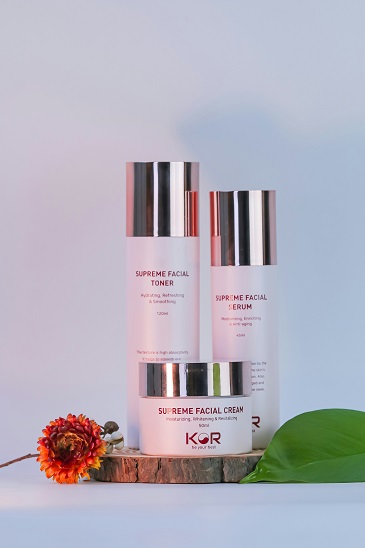
Identifying your skin type identification is fundamental in building an effective skincare routine, especially when considering budget constraints. The four primary skin types—oily, dry, combination, and sensitive—exhibit distinct characteristics, which impact the types of products that may be most beneficial. Oily skin is characterized by excess sebum production, leading to a shiny appearance and enlarged pores. Individuals with oily skin often experience acne or breakouts, making it essential to opt for oil-free moisturizers and non-comedogenic products. To identify if you have oily skin, observe whether your face becomes shiny a few hours after washing it.
In contrast, dry skin tends to feel tight, rough, or flaky. This skin type often requires additional moisture and nourishment. If your skin appears dull, it is likely dry, and treatments should include thicker creams and hydrating serums. Individuals with dry skin should focus on ingredients like hyaluronic acid and ceramides to promote hydration.
Combination skin is a blend of both oily and dry areas, typically featuring an oily T-zone (forehead, nose, and chin) and dry or normal cheeks. Understanding this skin type helps in selecting products that balance oiliness in the T-zone while moisturising the dryer areas effectively.
Finally, sensitive skin is prone to reactions, exhibiting redness, itching, or burning when exposed to specific products or environmental factors. Identifying sensitive skin involves monitoring reactions after product application. Gentle, fragrance-free products are advisable in such cases.
It is crucial to determine your skin type before purchasing skincare products. By understanding your unique characteristics, you can select the most suitable items for your skincare routine while adhering to a budget. This focused approach will help you achieve healthier skin without unnecessary expenditure.
The Importance of a Skincare Routine
A consistent skincare routine is fundamental for maintaining healthy skin. Just like any other aspect of personal health, skin requires regular care to function optimally. Establishing a daily regimen can lead to numerous benefits, including the prevention of breakouts, improvement of skin texture, and the maintenance of moisture balance. Each of these elements plays a critical role in achieving and sustaining overall skin health.
Firstly, a well-crafted skincare routine helps prevent breakouts by addressing the root causes of acne. Regular cleansing removes dirt, excess oil, and dead skin cells, thereby reducing the likelihood of clogged pores. Additionally, using products formulated to target acne can further assist in keeping blemishes at bay. By proactively managing skin issues, individuals can enjoy clearer skin and boost their confidence.
Another significant benefit of a consistent skincare routine is the improvement of skin texture. Over time, proper exfoliation, cleansing, and moisturizing can contribute to a smoother surface. Regular use of products designed for specific skin types ensures that individuals can cater to their unique needs, leading to visible enhancement of skin quality. A refined texture not only looks healthier but also allows for better absorption of products.
Moreover, maintaining moisture balance is essential in promoting skin vitality. Hydrated skin is less prone to irritation and premature aging. Incorporating moisturizers that suit one’s skin type ensures that the skin retains necessary hydration while protecting against environmental factors. This balance is vital not only for aesthetics but also for protecting the skin’s barrier function.
Ultimately, a skincare routine should be viewed not as a luxury but as an essential component of personal health. Investing time and resources into skincare fosters a positive relationship with oneself and reflects an understanding of holistic well-being.
Essential Steps in a Skincare Routine
Establishing an effective skincare routine is crucial for maintaining healthy skin. The foundation of any basic skincare regimen comprises four essential steps: cleansing, toning, moisturizing, and sun protection. Each of these steps serves a specific purpose and contributes to the overall health and appearance of the skin.
Cleansing is the first and most critical step in a skincare routine. Its primary function is to remove dirt, oil, and impurities that accumulate on the skin throughout the day. Depending on individual skin types, a gentle foaming cleanser or cream-based formula can be used. It is recommended to cleanse twice daily—once in the morning and once before bedtime—to ensure that the skin remains fresh and free from breakout-causing contaminants.
Following cleansing, toning plays a significant role in skin preparation for subsequent products. Toners help to balance the skin’s pH levels, which can be disrupted during cleansing. Additionally, they can provide hydrating and soothing benefits, further removing residual impurities and enhancing the skin’s texture. A toner with natural ingredients, such as witch hazel or rose water, can be beneficial, particularly for sensitive skin types.
The next step, moisturizing, is vital for maintaining skin hydration. Regardless of skin type, using a suitable moisturizer helps to lock in moisture and create a protective barrier against environmental factors. Lightweight, non-comedogenic moisturizers are ideal for oily skin, while thicker creams can benefit those with dry skin. It is important to apply the moisturizer on damp skin to maximize absorption.
Lastly, sun protection is essential to prevent skin damage from harmful UV rays. Incorporating a broad-spectrum sunscreen with at least SPF 30 is advisable, even on cloudy days, as UV exposure can lead to premature aging and skin cancers. This final step solidifies the routine, ensuring that the skin remains protected while achieving overall health and vitality.
Budget-Friendly Cleansing Options
Finding an effective cleanser that fits within a budget is essential for a simple skincare routine. The market offers a variety of affordable options suitable for different skin types, ensuring that everyone can maintain healthy skin without excessive spending.
For individuals with dry skin, a nourishing cream-based cleanser can be advantageous. Such products typically contain moisturizing ingredients like glycerin or hyaluronic acid, helping to retain skin moisture. Brands like Cetaphil and CeraVe provide accessible options that are not only gentle but also effective in removing impurities without stripping the skin’s natural oils.
If your skin tends to be oily or acne-prone, gel cleansers work well to eliminate excess sebum. Affordable brands like Neutrogena and La Roche-Posay offer formulations that include salicylic acid to help prevent breakouts. These cleansers effectively clean the skin while maintaining a balanced pH level, preventing the overproduction of oil.
For those who prefer DIY solutions, making a cleanser at home can be both economical and satisfying. A simple mixture of honey and lemon can serve as an effective cleanser. Honey acts as a natural moisturizer with antibacterial properties, while lemon provides a burst of vitamin C and acts as an astringent. To make this, combine two tablespoons of honey with a teaspoon of lemon juice, apply to the face, and rinse off after 10 minutes.
Lastly, avoid products containing harsh ingredients like sulfates, which can lead to irritation or compromised skin barrier function. Instead, opt for gentle formulas that cleanse effectively while upholding the skin’s health. By selecting appropriate cleansers tailored to specific skin types, anyone can maintain a refreshing skincare routine without overspending.
Moisturization on a Budget
Moisturization is an essential step in any skincare routine, as it helps maintain skin hydration, elasticity, and overall health. Finding a moisturizer that suits your skin type while remaining budget-friendly can feel overwhelming. However, focusing on key factors can make this process more manageable and effective.
Understanding your skin type is crucial when selecting a moisturizer. Whether your skin is oily, dry, combination, or sensitive, there are affordable moisturizers available that cater specifically to your needs. For instance, if you have oily skin, look for lightweight, oil-free formulas that contain ingredients like hyaluronic acid or glycerin, which provide hydration without clogging pores. Alternatively, those with dry skin should seek out richer creams that include occlusives and emollients, such as shea butter or ceramides, to lock in moisture.
When searching for cost-effective moisturizers, it is beneficial to explore drugstore brands, as many offer high-quality products at a fraction of the price of luxury brands. Some reputable brands known for their wallet-friendly moisturizers include CeraVe, Neutrogena, and The Ordinary. These brands typically offer a variety of options suitable for different skin types, ensuring you can find a formula that works for you. Additionally, checking reviews and seeking recommendations online can help identify budget-friendly moisturizers that do not compromise on quality.
Another tip for maintaining a budget-friendly skincare routine is to look for multi-functional products. Some moisturizers include added benefits, such as SPF or anti-aging properties, which can reduce the need for multiple separate products. This not only saves money but also simplifies your skincare routine.
Sun Protection Without Overspending
Sun protection is a fundamental aspect of skincare, crucial for preventing skin damage and reducing the risk of skin cancer. While many high-end products tout their benefits, effective sun protection does not have to come at a steep price. Understanding the importance of SPF, the range of budget-friendly options available, and additional sun safety tips can greatly enhance your skin’s health without breaking the bank.
When selecting a sunscreen, it is essential to look for a broad-spectrum product with an SPF of at least 30. Broad-spectrum indicates that it protects against both UVA and UVB rays, preventing premature aging and sunburn, respectively. Many well-known drugstore brands offer affordable formulations that maintain high efficacy levels. Ingredients such as zinc oxide and titanium dioxide are particularly noteworthy; they provide physical sun protection and are often found in lower-cost sunscreens.
Another budget-friendly approach to sun protection is to prioritize products that serve dual purposes. For example, a moisturizer or makeup with SPF can simplify your daily routine, ensuring that you receive sun protection without the need for multiple applications of different products. It is also advisable to apply sunscreen generously and reapply it every two hours or immediately after swimming or sweating to maintain effectiveness.
Additionally, seek shade whenever possible and wear protective clothing, including wide-brimmed hats and UV-blocking sunglasses. These measures can significantly reduce your exposure to harmful rays without requiring extra financial investment. Remember that staying sun-safe is not solely about the product you use; it also entails being aware of your daily activities and making conscious choices to protect your skin.
In conclusion, safeguarding your skin from sun damage does not have to be expensive. By choosing the right budget-friendly sunscreens and implementing supplementary sun safety measures, you can effectively shield your skin while adhering to a budget-conscious skincare routine.
DIY Skincare Recipes
The pursuit of a glowing complexion does not necessarily require expensive products; one can craft effective skincare solutions at home using common household ingredients. These DIY skincare recipes are not only budget-friendly but also harness the nourishing power of natural elements, making them beneficial for your skin.
For a simple and effective facial mask, consider combining two teaspoons of honey with one teaspoon of lemon juice. Honey acts as a natural moisturizer and antibacterial agent, while lemon juice brightens the skin and helps to reduce dark spots. Apply this mixture to your face, leaving it on for about 15 minutes before rinsing with lukewarm water for a refreshing glow.
Next, a homemade scrub with sugar and olive oil can effectively remove dead skin cells, leaving your skin feeling smooth and rejuvenated. Mix two tablespoons of sugar with one tablespoon of olive oil. The sugar exfoliates, while the olive oil hydrates. Gently massage the mixture onto your skin in circular motions, then rinse thoroughly to unveil soft, polished skin.
For an extra hydration boost, try creating a soothing aloe vera gel. Extract the gel from an aloe vera leaf and apply it directly to your skin. This treatment is particularly beneficial for sunburned or irritated skin, as aloe vera is known for its calming and healing properties.
These DIY skincare recipes can be easily incorporated into any skincare routine, proving that health and beauty do not have to be expensive. By utilizing items you may already have at home, you can enjoy the advantages of effective skincare without the hefty price tag, transforming your regimen into a nourishing ritual that is both accessible and enjoyable.
Tips for Finding Quality Products on a Budget
Creating an effective skincare routine does not necessitate a large financial investment. Instead, with the right strategies, one can find quality skincare products without breaking the bank. A critical tip is to consider shopping at drugstores, where many affordable and effective skincare products are available. These stores often carry reputable brands that are both budget-friendly and formulated with effective ingredients.
When navigating the aisles of a drugstore, learning to read product labels is instrumental. Pay attention to the ingredient list, looking for key components that address your specific skin concerns. Ingredients such as hyaluronic acid for hydration, salicylic acid for acne, and antioxidants like vitamin C for brightening can be found in many budget-friendly options. A helpful approach is to become familiar with certain terms and what they signify regarding product quality; understanding the difference between non-comedogenic and hypoallergenic can guide your selection further.
Another effective method for sourcing quality skincare on a budget is to seek out sales and discounts. Many retailers offer promotions or loyalty programs that can considerably decrease costs. Websites and apps dedicated to beauty discounts can be excellent resources for discovering sales on reputable brands. Additionally, try to follow brands on social media, as they often announce special offers there before other avenues.
While making purchases, it is valuable to pay attention to brand reputation. Research brands that offer transparency about their sourcing and formulation processes. User reviews and feedback can also provide insight into product effectiveness. Ultimately, quality skincare does not always equate to high prices. With informed choices, it is possible to build an efficient skincare routine without compromising quality.
Maintaining Your Routine and Adjustments
To effectively build a simple skincare routine on a budget, consistency is paramount. Regular adherence to your regimen not only maximizes the benefits of the products used but also fosters healthy skin over time. Daily application of basic skincare essentials such as cleanser, moisturizer, and sunscreen creates a solid foundation for maintaining skin health. By committing to this routine, you are more likely to notice gradual improvements in your skin’s texture and appearance.
However, it is essential to recognize that our skin is dynamic and can change due to various factors, including seasonal changes, hormonal shifts, and environmental influences. For instance, during colder months, the skin may require a richer moisturizer to prevent dryness, while warmer seasons may demand lighter formulations to maintain hydration without heaviness. Therefore, periodic adjustments to your skincare routine are necessary to cater to these changing needs.
Furthermore, tracking your skincare journey can provide insights into what works best for your skin. Keeping a skincare journal is a simple yet effective way to note product usage, skin reactions, and overall improvements. Documenting changes in your skin condition allows for better understanding and helps identify trends over time. You may find that certain products yield better results or that particular ingredients suit your skin type more effectively.
Lastly, patience is critical as changes in skin appearance may not be immediate. It can take weeks or even months to see significant results, especially when implementing new products or making adjustments to your routine. Remaining consistent and patient will ultimately reward you with healthier, more radiant skin.