

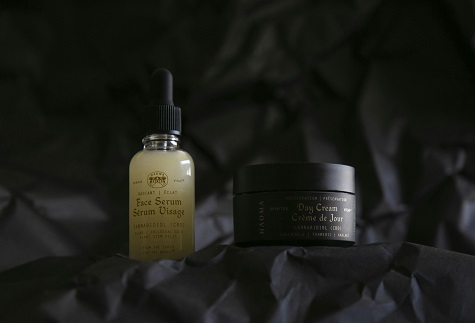
Ceramides are a class of lipid molecules characterized by their unique chemical structure, which primarily consists of a sphingosine backbone linked to a fatty acid. This structural feature allows ceramides to play a crucial role in maintaining skin health. Within biological systems, ceramides are naturally occurring and most abundantly found in the stratum corneum, the outermost layer of the skin. More specifically, they represent about 50% of the lipid composition in this layer, which is vital for preserving the skin’s integrity and function. The origin of ceramides can be traced back to the skin’s own production. They are synthesized in the skin cells called keratinocytes and then transported to the outer layer, where they help to form a protective barrier. This barrier is essential for preventing transepidermal water loss (TEWL), as well as protecting against environmental aggressors such as pollutants and pathogens. The presence of ceramides reinforces the skin’s hydration levels and prevents dryness by retaining moisture.
Ceramides act as natural moisturizers due to their ability to bind with water molecules, forming a protective film on the skin. This barrier function is not only important for hydration but also plays a significant role in overall skin health by keeping the skin smooth, elastic, and resilient. Importantly, the levels of ceramides in the skin can diminish due to aging, environmental factors, and skin conditions, leading to a compromised barrier and increased susceptibility to irritation and dryness.
Understanding ceramides is therefore essential in the pursuit of effective skincare solutions aimed at restoring and maintaining skin barrier function. Their incorporation in various cosmetic and dermatological products has been hailed for promoting healthier and more resilient skin.
The Role of Ceramides in Skin Health
Ceramides are lipid molecules found naturally in the skin, playing a crucial role in maintaining overall skin health. As a significant component of the skin’s moisture barrier, ceramides contribute to retaining hydration, ensuring the skin remains soft and supple. The moisture barrier’s primary function is to prevent water loss while shielding the skin from environmental aggressors such as pollutants, UV rays, and harsh weather conditions. When ceramide levels are adequate, they help fortify this barrier, minimizing the risk of dryness and irritation.
In regards to hydration, ceramides can enhance the skin’s ability to absorb moisture from the environment, which is essential for maintaining elasticity. This elasticity is vital for skin resilience, reducing the appearance of fine lines and wrinkles. As we age, ceramide production decreases, which can lead to compromised skin barrier function and increased susceptibility to dryness and irritation. Thus, replenishing ceramide levels through topical applications can significantly improve skin texture and moisture retention.
Furthermore, ceramides possess anti-inflammatory properties that contribute to the skin’s defense system. By helping to soothe and repair the skin, they diminish potential reactions from environmental pollutants and allergens. This is particularly beneficial for individuals with sensitive or compromised skin conditions, such as eczema and psoriasis, as ceramides can support the healing process and reduce sensitivity.
In conclusion, ceramides play a pivotal role in skin health through their contributions to hydration, elasticity, and barrier protection. The integration of ceramides into skincare routines can lead to noticeable improvements in skin condition, resulting in a healthier and more resilient appearance.
Ceramides and Skin Conditions
Ceramides, which are lipid molecules found in the skin’s outer layer, play a crucial role in maintaining skin barrier function and overall hydration. Their significance becomes particularly evident in the context of various skin conditions, including eczema, psoriasis, and dry skin. Numerous dermatological studies have highlighted the therapeutic benefits of ceramides in managing these conditions effectively.
Eczema, a chronic inflammatory skin condition, is characterized by dry, itchy, and inflamed skin. Research indicates that individuals with eczema often have lower levels of ceramides in their skin. This deficiency compromises the skin barrier function, leading to increased water loss and susceptibility to irritants. Topical formulations containing ceramides have been shown to improve skin hydration and restore the barrier function. A study published in the Journal of Dermatological Treatment found that patients using ceramide-infused moisturizers experienced significant improvements in skin hydration and reduced eczema symptoms.
Similarly, psoriasis, which involves rapid skin cell turnover and inflammation, has been linked to alterations in skin lipid composition, including a decrease in ceramide levels. By incorporating ceramides into treatment regimens, dermatologists can help reinforce the skin barrier, thereby alleviating discomfort and minimizing flare-ups. A clinical trial revealed that a ceramide-containing cream not only improved skin hydration but also decreased the severity of psoriasis plaques, underscoring the potential of ceramides in managing such challenging skin conditions.
Lastly, individuals suffering from dry skin can benefit immensely from ceramide rich products. Dry skin often results from an impaired barrier, leading to moisture loss. Ceramide based moisturizers can restore this barrier, enhance skin elasticity, and retain hydration. A study highlighted in the Journal of Clinical and Aesthetic Dermatology found significant improvements in skin texture and moisture retention among participants using a ceramide lotion.
In essence, the integration of ceramides into skincare routines provides an evidence-based approach to managing various skin conditions, promoting healthier skin overall.
How to Incorporate Ceramides into Your Skincare Routine
Incorporating ceramides into your skincare routine can significantly enhance your skin’s moisture barrier, offering visible improvements in texture and hydration. To effectively add these essential lipids into your daily regimen, it is crucial to choose the right products and apply them correctly.
The first step is to look for skincare products specifically formulated with ceramides. Moisturizers, serums, and cleansers are among the most common types of products containing ceramides. When selecting a moisturizer, opt for one labeled ‘ceramide-rich’ or containing specific ceramide numbers such as Ceramide 1, 2, and 3, which are recognized for their effectiveness in improving skin hydration. Similarly, serums with a high concentration of ceramides can provide intensive hydration and strengthen the skin barrier.
Another type of product to consider is a ceramide-based cleansing lotion or cream. These cleansers tend to be gentler and maintain the skin’s moisture while effectively removing impurities. This is particularly beneficial for individuals with dry or sensitive skin types.
When applying ceramide-containing products, it is essential to follow a proper skincare routine. Start with a gentle cleanser, then apply any toners or essences, followed by your ceramide moisturizer or serum. This ensures that ceramides can penetrate effectively, reinforcing your skin’s barrier. It is advisable to layer on ceramides after applying any treatment products, as this allows the ceramides to seal in moisture and nutrients.
Additionally, frequency matters. For optimal results, incorporate ceramides into your skin care routine consistently, using your chosen products both in the morning and evening. By adhering to a regular application schedule, you can maximize the benefits of ceramides, achieving healthier, more resilient skin over time.
Top Ceramide-Infused Products
In the realm of skincare, ceramides have garnered significant attention due to their impressive ability to strengthen the skin barrier and enhance hydration. Several products stand out in the market for their exceptional formulation that integrates ceramides and promotes healthier skin.
One notable product is the CeraVe Moisturizing Cream. Widely recommended by dermatologists, this cream contains a unique blend of essential ceramides (1, 3, and 6-II) and hyaluronic acid. It effectively locks in moisture while restoring the protective skin barrier, making it particularly beneficial for dry skin. User reviews often highlight its rich texture and long-lasting hydration, confirming its reputation as a staple in many skincare routines.
Another commendable product is the Dr. Jart+ Ceramidin Cream. This cream delivers intense hydration through a potent ceramide complex and provides a soothing effect, making it perfect for sensitive skin types. Users have praised its lightweight finish, asserting that it leaves the skin feeling nourished without any greasiness. Expert opinions often point to its innovative formula that promotes elasticity and skin resilience.
For those seeking a serum, the SkinCeuticals Triple Lipid Restore 2:4:2 is a top choice. This product combines ceramides, natural cholesterol, and fatty acids, addressing multiple signs of aging while reinforcing the skin’s barrier. Customer feedback emphasizes its effectiveness in improving skin texture over time, aligning well with professional recommendations.
Finally, the First Aid Beauty Ultra Repair Cream is another popular ceramide-infused option, particularly for those with eczema-prone skin. It offers deep hydration and works to soothe irritation. Reviews frequently mention its ability to provide instant relief and lasting moisture, being ideal for everyday use.
The Science Behind Ceramides
Ceramides are a type of lipid (fat) molecule that play a critical role in maintaining a healthy skin barrier. They are naturally produced in the skin and are a key component of the stratum corneum, the outermost layer of the skin. This lipid bilayer structure not only safeguards the skin against moisture loss but also shields it from environmental aggressors, bacteria, and other harmful substances.
The synthesis of ceramides occurs within the skin cells, where they are formed through a process involving sphingolipids and fatty acids. During this process, enzymes facilitate the conversion of precursor molecules into various ceramide types, which are then integrated into the skin barrier. However, as individuals age, the body’s ability to produce ceramides diminishes significantly. Studies have shown that this reduction is associated with an increase in skin dryness, a decline in elasticity, and an overall compromised skin barrier. Consequently, age-related skin concerns, such as fine lines and wrinkles, may be exacerbated by lower ceramide levels.
Recent advancements in ceramide technology have led to multiple innovative formulations in skincare products. Researchers have identified different types of ceramides, such as ceramide NP, ceramide AP, and ceramide EOP, each exhibiting specific properties that contribute to skin health. These ceramides can now be derived from external sources, such as plant-based and biotechnological processes, allowing for their inclusion in various topical applications. Additionally, delivering ceramides through multisensory actions and enhanced delivery systems is burgeoning, ensuring that these vital lipids penetrate more effectively into the skin barrier.
Overall, ceramides play an integral role in skin health, particularly in preserving hydration and elasticity. Understanding the scientific basis behind their function can help consumers make informed choices about skincare products enriched with ceramides, effectively addressing their skin concerns.
Myths and Misconceptions About Ceramides
Ceramides are often heralded as a crucial component in effective skincare products; however, several myths surround their use and efficacy that require clarification. One prevalent misconception is that ceramides are only beneficial for individuals with dry skin. In reality, while they are particularly effective in restoring moisture and barrier function, ceramides offer significant benefits for all skin types. They help to maintain a healthy skin barrier, which is essential for everyone, including those with oily or combination skin types.
Another common myth is that using ceramide-based products will make the skin oily or greasy. Contrarily, ceramides are lipids that play a vital role in skin hydration without clogging pores or adding excess oil. Rather, they enhance the skin’s natural moisture retention capabilities, which can actually help to balance oil production in the long run.
Additionally, some people believe that ceramides are not necessary if one uses other moisturizing ingredients such as hyaluronic acid or glycerin. While these ingredients hydrate the skin, ceramides provide structural support to the skin’s barrier, thus preventing moisture loss more effectively. This enhances overall skin hydration and health. By neglecting to include ceramides in a skincare routine, users may inadvertently compromise skin barrier function.
Furthermore, there is a misconception that ceramides in skincare products are not effective unless they are present in high concentrations. However, scientific studies suggest that even lower concentrations of ceramides can be beneficial, as the overall formulation of a product matters just as much as the individual ingredient’s percentage. The synergy between ceramides and other ingredients can greatly enhance the effectiveness of the formula.
In summary, addressing these misconceptions can lead to a more informed understanding of ceramides. Recognizing their versatile functions and benefits is essential for anyone seeking healthier skin.
Ceramides vs. Other Skin Moisturizers
Ceramides are essential lipids that play a crucial role in maintaining the skin’s barrier function and retaining moisture. Unlike other moisturizing ingredients such as hyaluronic acid, glycerin, and fatty acids, ceramides offer unique benefits that set them apart in skincare formulations.
Hyaluronic acid is celebrated for its remarkable ability to hold water, providing an instant plumping effect. However, while it draws moisture into the skin, it does not reinforce the skin barrier. In contrast, ceramides work to strengthen the skin’s natural barrier, enhancing its resilience against environmental aggressors and preventing moisture loss. This makes ceramides an excellent choice for individuals with dry or compromised skin.
Glycerin, a well-known humectant, attracts water to the skin, helping to maintain hydration. While it is effective in hydrating the upper layers of the skin, it may not provide the same level of protection against transepidermal water loss as ceramides do. Combine glycerin with ceramides, and the result is a synergistic effect that not only hydrates but also fortifies the skin barrier.
Fatty acids, which include linoleic acid and oleic acid, help to enhance skin smoothness and prevent dryness. Yet, these components primarily focus on providing emollient properties, lacking the specific barrier-repairing capabilities of cera-mides. The presence of ceramides in a formulation can assist fatty acids to function more efficiently, as ceramides ensure that the skin retains the moisture provided by these fats.
Ultimately, incorporating ceramides into your skincare regimen can address multiple skin concerns. They not only provide hydration but also help to maintain the integrity of the skin barrier, setting them apart from other moisturizing agents like hyaluronic acid, glycerin, and fatty acids with their multifaceted benefits for healthier skin.
Conclusion: The Importance of Ceramides for Healthy Skin
In the realm of skincare, ceramides have emerged as indispensable components critically important for maintaining healthy skin. These lipid molecules play a fundamental role in forming the skin’s protective barrier, thereby preventing moisture loss and shielding against environmental aggressors. Their natural occurrence within the upper layers of the skin underscores their vital function in preserving skin integrity and promoting hydration. As our understanding of skin health evolves, it has become increasingly clear that incorporating cera-mides into daily skincare routines can yield significant benefits.
Throughout this blog, we have discussed how cera-mides contribute to skin hydration, improve barrier function, and enhance overall skin health. Notably, they assist in reducing the appearance of dry and irritated skin, making them a valuable asset for individuals dealing with conditions such as eczema or psoriasis. Additionally, their compatibility with various skin types, including sensitive skin, positions cera-mides as a versatile ingredient in modern skincare formulations.
With the increasing number of products available on the market, it is essential for consumers to look for formulations that include cera-mides, either in the form of serums, moisturizers, or cleansers. By selecting products enriched with these vital lipids, individuals can support their skin’s barrier function, ensuring moisture retention and protection against pollutants. As consumers become more intentional about their skincare choices, the inclusion of ceramides can significantly contribute to achieving optimal skin health.
Ultimately, recognizing the importance of cera-mides in skincare can empower individuals to make informed decisions promoting healthier, more resilient skin. With consistent use, cera-mides can pave the way toward achieving a nourished and well-hydrated complexion, solidifying their place as a cornerstone of effective skincare regimens.