

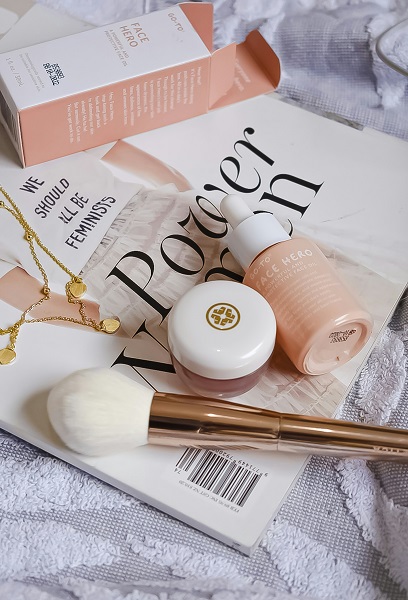
The beauty industry has witnessed a remarkable transformation in recent years, with certain products achieving viral status almost overnight. These viral beauty products often captivate consumers through innovative marketing strategies, unique formulations, and the influence of social media. With platforms like Instagram and TikTok playing pivotal roles, trends are quickly disseminated across the globe, enabling products to reach vast audiences and garner widespread attention.
One of the key factors contributing to the virality of beauty products is influencer marketing. Influencers wield significant power in shaping consumer preferences and can make or break a product with their endorsements. When a well-known beauty influencer shares their positive experience with a product, it creates a ripple effect that prompts followers to seek out and purchase the item. This phenomenon is particularly evident in the beauty sector, where visual appeal and immediate results are paramount.
Aside from influencer engagement, consumer trends also play a crucial role in driving the popularity of certain beauty products. In recent years, there has been a noticeable shift towards clean and sustainable beauty, with consumers increasingly favoring products that are eco-friendly and cruelty-free. Brands that align with these values and exhibit transparency about their ingredients are likely to experience a surge in consumer interest.
The combination of strategic marketing, relatable content, and a focus on sustainability has led to the success of numerous beauty products. These items often become staples in consumers’ routines, praised not only for their efficacy but also for their ability to resonate with current societal values. As the beauty industry continues to evolve, the allure of viral products shows no signs of fading, suggesting that understanding these dynamics is essential for both consumers and brands alike.
Key Influencers and Platforms Behind the Buzz
In the realm of beauty products, the impact of social media influencers cannot be overstated. These individuals, who encompass beauty gurus, makeup artists, and skincare enthusiasts, harness platforms such as Instagram, TikTok, and YouTube to showcase their talents and introduce new products to their dedicated followers. Their endorsement can significantly elevate a product’s visibility, leading to viral success.
Instagram has long been a favored platform for beauty influencers, where visually appealing content reigns supreme. Influencers like Huda Kattan of Huda Beauty and James Charles have amassed millions of followers by effectively utilizing their platforms to share tutorials, reviews, and product recommendations. Huda Kattan’s ability to engage her audience through expertly curated posts has proven to be a driving force for her brand, which has consequently led to the virality of numerous products within the beauty industry.
Similarly, TikTok has emerged as a revolutionary platform, emphasizing shorter, entertaining video content. The “TikTok Made Me Buy It” phenomenon exemplifies how products can achieve rapid popularity through viral challenges or unique demonstrations. Influencers such as Addison Rae and Bella Poarch have successfully promoted a variety of beauty products, appealing to younger demographics and driving sales. For instance, products like the e.l.f. Cosmetics Hydrating Camo Concealer gained immense popularity after being featured in numerous TikTok videos, showcasing the power of influencer marketing.
YouTube also continues to be a foundational platform for beauty influencers, where in-depth reviews and tutorials resonate with audiences. Influencers such as NikkieTutorials and Jeffree Star have established themselves as authoritative voices in the beauty community. Their comprehensive product reviews not only provide valuable insights but frequently lead to significant sales spikes for brands. These examples illustrate the profound impact of influencers across different platforms, highlighting their critical role in the viral nature of beauty products.
Top Viral Beauty Products of the Year
In recent years, the beauty industry has seen a surge in products that capture the attention of consumers and digital audiences alike. Among these, several standout items have gone viral, becoming a staple in many beauty routines.
One such product is the CosRx Advanced Snail 92 All in One Cream. This moisturizer boasts snail mucin as its primary ingredient, renowned for its hydrating and healing properties. Its popularity can be attributed to its effectiveness in providing moisture without leaving a greasy residue, as well as the positive feedback it has received on social media platforms.
Next, the e.l.f. Cosmetics Poreless Putty Primer gained significant traction thanks to influencer endorsements and affordability. This primer creates a smooth canvas for makeup application, addressing common concerns such as pores and uneven texture, making it a must-have for both novice and professional makeup artists.
The Rare Beauty Soft Pinch Liquid Blush also deserves mention. Launched by Selena Gomez, this product gained viral status due to its impressive pigment and blendability, allowing users to achieve a natural flush with minimal effort. Consumer reviews highlight its long-lasting formula and the brand’s commitment to promoting mental health awareness, which resonates with many buyers.
Furthermore, the Drunk Elephant T.L.C. Sukari Babyfacial has achieved cult status due to its ability to resurface skin while providing a radiant glow. Its formulation is rich in AHA and BHA, making it a favorite among users seeking a professional-like facial treatment at home.
Finally, the Fenty Beauty Pro Filt’r Soft Matte Longwear Foundation became a sensation for its extensive shade range designed to suit all skin tones. The foundation’s reputation for providing a matte finish, while maintaining a natural look, contributed to its wide acclaim and solidified its position in beauty aficionados’ collections.
The Science Behind the Hype
Beauty products that achieve viral status often possess unique attributes that distinguish them from their competitors. At the core of these products typically lies a blend of innovative formulations and carefully selected ingredients that cater to specific skin concerns. Ingredients such as hyaluronic acid, retinol, and peptides have become popular for their scientifically-backed benefits. These components are known for their ability to hydrate, rejuvenate, and enhance skin elasticity, making them appealing choices for consumers.
Additionally, the concentration of active ingredients plays a crucial role in the efficacy of these viral products. High-quality formulations ensure that the active ingredients are present in effective amounts, leading to tangible results that promote positive reviews and increased consumer satisfaction. For instance, products with high potency vitamin C can significantly brighten skin and reduce the appearance of dark spots, which often translates into enthusiastic word-of-mouth marketing.
Moreover, innovative technologies in product delivery systems can further enhance the effectiveness of beauty products. Encapsulation technology, for example, protects sensitive ingredients until they reach the skin, thereby maximizing their benefits. This level of sophistication not only garners attention among beauty enthusiasts but also builds trust in the product’s capabilities, encouraging a protective shield against skepticism.
Viral beauty products often emerge from a seamless combination of effective formulations, quality ingredients, and advanced technologies. This triad of factors fosters authenticity and credibility, ensuring that the products not only meet consumer needs but also enhance the likelihood of organic promotion via social media platforms. Ultimately, the science behind the hype largely contributes to a product’s ability to resonate with a broad audience, allowing it to thrive in a competitive marketplace.
The Role of Consumer Reviews and Testimonials
In the beauty industry, the influence of consumer-generated content cannot be overstated. User reviews and testimonials serve as a powerful form of social proof, significantly impacting the popularity and sales of various beauty products. With the rise of digital platforms, potential buyers often seek out the opinions of others before making purchasing decisions. Therefore, the importance of authentic consumer feedback is more pronounced than ever.
Social media plays a critical role in disseminating user experiences. Platforms such as Instagram, TikTok, and YouTube provide a stage for beauty enthusiasts to share their thoughts and results with a wider audience. For instance, products like the e.l.f. Cosmetics Poreless Putty Primer and Fenty Beauty’s Pro Filt’r Soft Matte Longwear Foundation have gained immense popularity, in part due to countless positive reviews and personal stories shared by consumers. These testimonials often highlight a product’s effectiveness, ease of use, and overall satisfaction, which are crucial factors for individuals seeking beauty solutions.
Moreover, beauty bloggers and vloggers enhance the visibility of these products by creating detailed content that showcases real-life applications and results. They often perform side-by-side comparisons or emphasize particular benefits that may resonate with their audience. As a result, when a product receives a plethora of glowing reviews, its status can transform rapidly, leading to a viral phenomenon.
For example, the CeraVe Hydrating Cleanser became a cult favorite thanks to the endorsement of dermatologists and everyday users alike, coupled with extensive discussions on its formulation and benefits. This collective user-generated content not only educates potential buyers but also encourages a sense of community among consumers who share similar experiences.
In conclusion, the intertwining of consumer reviews and testimonials with beauty products significantly shapes their reception in the market. Positive feedback can propel a product to viral status, as individuals eagerly share their own experiences across various platforms, fostering a sense of trust and reliability within the beauty community.
The beauty industry has undergone a significant transformation in recent years, particularly with the advent of social media, which has played a crucial role in the rapid promotion of viral beauty products. While the popularity of these products can lead to remarkable sales and brand recognition, it is essential to consider the challenges and controversies that often accompany them.
One of the primary concerns surrounding viral products is the potential for misleading marketing claims. Companies may exaggerate the effectiveness of their products, suggesting miraculous results that do not align with scientific evidence. For instance, the rise of certain skincare items that promised to eliminate acne or rejuvenate skin overnight sparked backlash when consumers found the products fell short of their bold claims. This disillusionment can lead to mistrust among consumers and raise questions about ethical marketing practices in the beauty industry.
Moreover, ingredient safety is another contentious issue. Many viral beauty products contain active compounds that can lead to adverse reactions in some individuals. The infamous case of a popular skincare brand that faced scrutiny due to allergic reactions from a trending face mask serves as a poignant example. The company responded by increasing transparency about ingredient sourcing and offering refunds to affected customers, yet the incident highlighted the need for more stringent regulations regarding product safety.
Additionally, viral beauty products often fuel unrealistic beauty standards. Social media platforms can create a narrow definition of beauty, leading consumers to feel inadequate when they do not achieve the results depicted online. Brands that harness viral sensations must navigate the delicate balance between promoting ideal beauty standards while fostering an inclusive and realistic perception of beauty.
In conclusion, while viral beauty products can capture the public’s imagination and lead to significant trends in the industry, they are not without their challenges. Misleading marketing, ingredient safety concerns, and the impact on beauty standards necessitate ongoing dialogue and accountability within the beauty sector.
DIY Alternatives to Viral Beauty Products
In a time when beauty trends can spread like wildfire, many viral products capture the imagination and wallets of consumers. However, those seeking a more budget-friendly or personalized touch often turn to do-it-yourself (DIY) alternatives. Creating beauty products at home not only enhances your skincare or makeup routine but also allows you to use natural ingredients that align with your personal values.
One popular viral beauty product is the hydrating face mask. A simple DIY alternative can be crafted using honey and avocado. Begin by mashing half of an avocado until smooth, then mix in one tablespoon of honey. Apply the mixture to your cleansed face and let it sit for about 15 to 20 minutes before rinsing off with warm water. This mask not only moisturizes but also nourishes the skin, thanks to the vitamins and fatty acids present in avocado.
Another trend involves exfoliating scrubs, which have gained popularity for their ability to leave skin feeling smooth. A homemade sugar scrub can easily replicate this effect. Combine equal parts of sugar and coconut oil, creating a paste-like consistency. You can even add a few drops of essential oils for added fragrance and benefits. Gently massage the scrub onto damp skin in circular motions and rinse well to reveal soft, renewed skin.
For those interested in hair care, a viral shampoo alternative is a mixture of apple cider vinegar and water. This mixture acts as a natural clarifier, effectively removing product buildup without the harsh chemicals found in many shampoos. Ensure the ratio is one part vinegar to three parts water, and apply it onto wet hair after washing. Rinse thoroughly for shiny, healthier locks.
By opting for these DIY alternatives, not only can individuals save money, but they can also feel secure about the ingredients they are using on their skin and hair. Homemade beauty products allow for customization, ensuring that each creation matches individual needs and preferences.
Future Trends in Viral Beauty Products
The beauty industry is continuously evolving, significantly influenced by consumer preferences and societal shifts. As we look towards the future, several emerging trends are likely to shape the next wave of viral beauty products. One of the most critical trends is the push for sustainability. Consumers are increasingly demanding eco-friendly packaging solutions and natural ingredients. This shift towards sustainable beauty products will not only cater to environmentally conscious consumers but also drive innovation within brands seeking to establish themselves as leaders in this sector.
Another significant trend is the rise of clean beauty. The ingredients used in beauty products are under more scrutiny than ever. As customers become more informed about what they are putting on their skin, the demand for products free of harmful chemicals will grow. Brands that prioritize transparency and offer clean formulations will be well-positioned to capture consumer interest and achieve viral status.
Technological advancements will also play a crucial role in shaping future beauty trends. The integration of artificial intelligence in product development and personalized skincare regimens could lead to groundbreaking viral products. With the ability to analyze individual skin types and concerns, brands can create tailored solutions that resonate deeply with consumers. This level of personalization may enhance consumer loyalty, as individuals are likely to share their positive experiences with customized products across social media platforms.
Additionally, social media’s influence continues to be pivotal. Platforms like TikTok and Instagram serve as launchpads for beauty products, often propelling them into viral status overnight. Strategies that emphasize influencer collaborations, user-generated content, and engaging storytelling are essential for brands aiming to achieve widespread recognition. Therefore, the fusion of sustainability, clean beauty principles, and technological innovation will likely define the future frontier of viral beauty products.
Conclusion: The Lasting Impact of Viral Beauty Trends
In recent years, the beauty industry has undergone a tremendous transformation driven by viral beauty products. The phenomenon of products achieving viral status not only highlights the power of social media, but it also has a significant impact on consumer behavior and the broader beauty landscape. Viral beauty products, from innovative makeup to groundbreaking skincare, have become focal points for discussion, influencing how consumers make purchasing decisions.
These trends often emerge from platforms such as Instagram, TikTok, and YouTube, where influencers and everyday users showcase their beauty routines. The visuals, tutorials, and testimonials shared within these communities enable consumers to connect with brands in unprecedented ways. This connection fosters a culture of immediacy; consumers are quick to adopt and replicate new beauty practices demonstrated by their peers. Consequently, brands that successfully go viral often experience a surge in sales and a strengthening of consumer loyalty.
Moreover, the significance of viral beauty products extends beyond just immediate sales figures. They shape consumer expectations, pushing beauty brands to innovate continuously and remain relevant within a competitive market. As consumers are exposed to new trends, their preferences evolve, leading to shifts in purchasing habits. Brands that fail to adapt may struggle in maintaining their market position. In contrast, those that embrace viral trends can elevate their brand image and resonate more deeply with their target audience.
Ultimately, the realm of viral beauty products emphasizes the interconnectedness of social media and consumer culture. As beauty trends continue to emerge, they will likely remain a pivotal force in shaping both consumer behavior and the future developments within the beauty industry.