

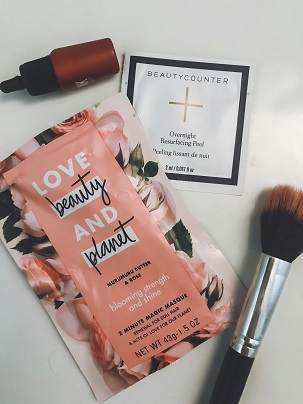
The concept of an overnight skincare routine focuses on harnessing the body’s natural restorative processes that occur during sleep. This routine is not just about applying products before bed; it is a strategic approach to enhancing skin health and appearance significantly by the next morning. By using the correct formulations specifically designed for nighttime use, individuals can awaken to rejuvenated, supple skin.
Implementing an effective overnight skincare regime begins with understanding the unique needs of your skin. The nighttime offers an opportune period for repair, making it essential to apply products that deliver active ingredients capable of tackling specific skin concerns—whether it is hydration, discoloration, or anti-aging. Choosing the right products is therefore crucial. Look for serums, creams, and treatments enriched with ingredients such as hyaluronic acid, retinol, or peptides, which are known for their transformative effects.
Application techniques also play a vital role in reaping the full benefits of overnight skincare. Gentle massaging methods enhance absorption while promoting circulation, which further helps in revitalizing the complexion. Consider layering products strategically; for instance, starting with a lightweight serum followed by a richer cream seals in moisture, amplifying the efficacy of each product.
Consistency remains a cornerstone in skincare routines. Adhering to an overnight routine can lead to cumulative improvements over time. Regular application will allow the skin to adapt and respond better, resulting in more noticeable transformations. By committing to this practice, individuals are taking an important step toward achieving their desired skin goals. Thus, investing time each night into a tailored skincare routine can lead to luminous, healthier skin come morning.
Understanding Your Skin Type
Recognizing and understanding your skin type is a fundamental aspect of establishing an effective skincare routine. The four primary skin types are oily, dry, combination, and sensitive, each with distinct characteristics that influence product choice and application techniques.
Oily skin is characterized by excess sebum production, leading to a shiny appearance and a tendency to develop acne and enlarged pores. Individuals with oily skin can benefit from lightweight, oil-free moisturizers and gel-based cleansers, which help to control shine without stripping moisture.
Conversely, dry skin often exhibits tightness, flakiness, and rough patches due to a lack of moisture. For those with dry skin, the use of thick creams and emollients is recommended to provide hydration and create a protective barrier against environmental factors.
Combination skin is a blend of both oily and dry areas, typically manifesting as an oily T-zone (forehead, nose, chin) and dry or normal cheeks. Adjusting the skincare approach to cater to both aspects, such as using a matte-finish product on the T-zone while opting for richer creams on dryer areas, is essential for those with this skin type.
Sensitive skin reacts easily to products or environmental factors, resulting in redness, irritation, or heightened allergic reactions. To care for sensitive skin, it is advisable to select fragrance-free, hypoallergenic products and to conduct patch tests before full application.
To accurately determine your skin type, consider conducting a simple test. After cleansing your face, observe how your skin feels after an hour: if it appears oily, you likely have oily skin; if it feels tight and uncomfortable, it’s probably dry; if it shows signs of both, you have combination skin; while persistent irritation indicates sensitivity. Identifying your skin type allows for tailoring your skincare routine, ultimately leading to improved skin health and radiance.
Key Ingredients for Overnight Skin Renewal
In the world of skincare, certain ingredients stand out for their effectiveness in facilitating overnight skin renewal. These ingredients work in synergy to rejuvenate the skin while you rest, ensuring you wake up with a refreshed complexion.
One of the most acclaimed ingredients is hyaluronic acid. Known for its exceptional hydrating properties, hyaluronic acid can hold up to 1,000 times its weight in water. When applied during the nighttime, it penetrates deep into the skin, drawing moisture from the environment into your skin’s layers. This intense hydration not only plumps the skin but also diminishes the appearance of fine lines and wrinkles, providing a smooth texture by morning.
Retinol, a derivative of vitamin A, is another critical component in overnight skincare routines. This powerful ingredient promotes cell turnover, helping to slough away dead skin cells and revealing a brighter, more even-toned complexion beneath. It works by stimulating collagen production, which reduces the visibility of age spots and fine lines. While it can cause initial sensitivity, its long-term benefits for skin renewal and anti-aging are well-documented.
Peptides, consisting of short chains of amino acids, are vital for strengthening the skin barrier and enhancing its elasticity. During the night, peptides signal skin cells to produce more collagen and elastin, crucial components that help keep the skin youthful. Incorporating peptide-rich products into your routine may lead to visibly firmer and smoother skin over time.
Lastly, antioxidants such as vitamin C and green tea extract play a crucial role in combating oxidative stress caused by environmental factors. Applying antioxidant-rich serums can help neutralize free radicals, thus minimizing skin damage. By including these ingredients in your overnight routine, you’re investing in a comprehensive approach to skin health that maximizes benefits while you sleep.
Steps for an Effective Overnight Routine
Achieving radiant skin while you sleep begins with a well-structured overnight skincare routine. Following an organized sequence of steps allows the skin to absorb the products effectively, maximizing their benefits. Here are crucial steps to establish your skin rejuvenation regimen:
Step 1: Cleanse
Start your routine by thoroughly cleansing your face to remove makeup, dirt, and impurities accumulated throughout the day. Using a gentle cleanser that suits your skin type helps prepare your skin for subsequent products. Make sure to rinse with lukewarm water and pat your face dry with a clean towel.
Step 2: Apply a Toner
After cleansing, use a toner to help restore your skin’s pH balance. Toners also serve to tighten pores and provide an added layer of hydration. Look for alcohol-free options that include soothing or hydrating ingredients, allowing the skin to feel refreshed.
Step 3: Apply Serums
This step involves introducing targeted treatments tailored to your skin concerns. Whether your focus is on hydration, anti-aging, or brightening, choosing the appropriate serum is vital. Apply a few drops onto your fingertips and gently press it into your skin until fully absorbed.
Step 4: Moisturize
A quality moisturizer acts as a barrier that locks in moisture and nutrients. Depending on your skin type, choose a heavier cream or a lighter gel-based product. This will ensure that your skin remains hydrated overnight, facilitating regeneration and repair.
Step 5: Special Treatments
If you are looking for an extra boost, consider incorporating special treatments like overnight masks or oils. These products are designed to deliver concentrated benefits while you sleep. Apply them as the final step in your routine, allowing your skin to reap the rewards overnight.
Following these structured steps consistently will help you transform your skin by providing essential nourishment and hydration, maximizing your skin’s natural renewal processes during the night.
The Role of Sleep in Skin Health
Sleep is crucial not only for overall health but also for maintaining healthy skin. During sleep, the body engages in vital processes that promote skin repair and regeneration. This occurs largely due to the increased blood flow to the skin, which helps in nutrient delivery and waste removal. The skin undergoes a repair process during the deeper stages of sleep, specifically during REM (rapid eye movement) sleep, when cell turnover and tissue growth occur at enhanced rates.
Moreover, adequate sleep supports the production of collagen, a protein that gives skin its structure and elasticity. Insufficient sleep, on the other hand, can lead to the degradation of collagen and an increase in the appearance of fine lines and wrinkles. Research shows that lack of quality sleep can also exacerbate skin conditions such as eczema and psoriasis, highlighting the importance of restorative sleep for skin health.
Maintaining a regular sleep schedule contributes significantly to skin regeneration. It allows the body to establish a rhythmic cycle that aligns with its natural biological clock, promoting optimal functioning and repair mechanisms. Experts recommend aiming for seven to nine hours of sleep per night to ensure the skin receives adequate time for recovery. Irregular sleep patterns can disrupt these processes, leading to a dull complexion, increased signs of aging, and an overall imbalance in skin hydration.
Incorporating good sleep hygiene practices can further enhance skin health. This includes creating a calm environment conducive to sleeping, such as keeping the bedroom dark and cool, as well as limiting screen time before bedtime to enhance sleep quality. Therefore, prioritizing sleep is an essential component of any effective skincare routine, as it markedly influences skin health by facilitating crucial recovery processes during the night.
One of the cornerstone principles of an effective overnight skincare routine is the importance of hydration. Proper hydration not only nourishes the skin but also enhances its resilience against environmental stresses and promotes overall skin health. When the skin is well-hydrated, it appears plumper, smoother, and more radiant, allowing for a more youthful and vibrant complexion.
To optimize hydration before bedtime, it is essential to incorporate both internal and external methods. Starting with dietary adjustments, one can significantly improve their hydration levels. Consuming water-rich foods such as cucumbers, watermelon, oranges, and berries can effectively provide the body with necessary fluids. Additionally, herbal teas can be a beneficial warm beverage choice prior to sleep, providing hydration without the diuretic effects of caffeinated drinks.
Furthermore, being mindful of daily water intake is crucial. The general guideline of drinking at least eight glasses of water a day can serve as a baseline, although individual hydration needs may vary based on factors such as activity level and climate. Setting reminders to drink water throughout the day can help ensure that you meet your hydration goals.
In the realm of topical application, selecting hydrating skincare products is equally vital. Opt for serums and moisturizers containing ingredients like hyaluronic acid, glycerin, and aloe vera, which excel at attracting and retaining moisture in the skin. Applying such products just before bed allows them to penetrate deeply throughout the night, maximizing their effectiveness. Using a nourishing overnight mask or sleeping pack as a final step in your routine can also provide an additional boost of hydration.
Overall, maintaining adequate hydration levels through both dietary intake and the use of hydrating skincare products can profoundly influence the health and appearance of your skin overnight, setting the stage for a rejuvenated look each morning.
Lifestyle Changes to Enhance Skincare Results
An effective overnight skincare routine goes beyond just applying products; it is essential to adopt lifestyle habits that can significantly enhance the results of your regimen. One key aspect to consider is stress management. Chronic stress can lead to various skin issues, including breakouts and premature aging. Incorporating relaxation techniques such as meditation, yoga, or deep-breathing exercises into your daily life can help in managing stress levels and improving skin health.
Another crucial factor is maintaining a balanced diet. The skin requires a variety of nutrients to thrive, and a diet rich in vitamins, minerals, and antioxidants can make a substantial difference. Foods such as fruits, vegetables, whole grains, and healthy fats contribute to skin hydration and repair. Additionally, including foods high in omega-3 fatty acids, like salmon, can help reduce inflammation and support skin barrier function.
It is also advisable to minimize alcohol and caffeine intake, particularly before bedtime. Both substances can dehydrate the body and the skin, leading to a dull complexion. Alcohol consumption can disrupt sleep patterns, which in turn affects skin recovery during the night. Aiming for at least eight hours of quality sleep is essential for skin rejuvenation. Establishing a calming nighttime routine, such as reading or taking a warm bath, can significantly improve sleep quality.
Furthermore, staying hydrated is imperative. Drinking adequate water throughout the day supports overall skin moisture. All these lifestyle changes, when consistently practiced, create a synergy with your overnight skincare routine that can yield remarkable results, ultimately leading to a healthier, more radiant complexion.
Common Mistakes to Avoid in Overnight Skincare
Maintaining an effective overnight skincare routine is essential for achieving healthy and glowing skin. However, several common mistakes can hinder your skin’s potential for rejuvenation while you sleep. Identifying and correcting these errors can vastly improve the results of your routine.
One prevalent mistake is over-exfoliating. While exfoliation can remove dead skin cells and promote cell turnover, doing it too frequently can lead to skin irritation and barrier damage. It is crucial to limit exfoliation to two to three times per week and to choose products that suit your skin type. Consider utilizing gentle chemical exfoliants rather than harsh physical scrubs that can be abrasive. This balance will ensure your skin retains its natural moisture while benefiting from the exfoliation.
Another frequent error is neglecting to remove makeup before bedtime. Sleeping with makeup on can clog pores and contribute to breakouts and dullness. Always incorporate a double cleansing method into your routine, starting with an oil-based cleanser to dissolve makeup, followed by a gentle foaming cleanser to eliminate residual impurities. This thorough approach will help maintain a clean canvas for overnight treatments.
Furthermore, using too many active ingredients simultaneously can overwhelm the skin, leading to sensitivity and diminishing returns. Ingredients like retinoids, acids, and vitamin C are effective but can cause irritation if not introduced correctly. Instead, alternate between products and allow your skin time to adjust. This strategy helps maximize the benefits of each ingredient without leading to skin distress.
By recognizing these common mistakes and taking corrective measures, you can enhance your overnight skincare routine and promote healthier skin, ready to face the challenges of the day ahead.
Conclusion: Your Journey to Radiant Skin
Adopting an overnight skincare routine can significantly enhance your skin’s appearance and health. The beauty of this regimen lies in its ability to work while you rest, utilizing the natural reparative processes of your skin. Through the use of quality products and a consistent routine, you can witness profound benefits, including improved hydration, enhanced texture, and a reduction in visible signs of aging. Each step in this skincare routine contributes to creating a protective barrier, fostering an optimal environment for rejuvenation and repair.
As you embark on this journey toward radiant skin, remember that the transformation may not happen overnight. Patience and consistency are crucial elements in achieving the skin of your dreams. It is vital to remain open to experimenting with different products and techniques outlined in the routine. Each individual’s skin is unique and may respond differently to various ingredients and approaches. Therefore, it may take time to identify the perfect combination that works for you.
Additionally, staying attuned to your skin’s changing needs over time will assist in fine-tuning your routine for more effective results. Embrace the process of discovery as part of your self-care ritual, and don’t shy away from adjusting your products based on seasonal changes or shifts in your skin’s condition. Keeping a diligent skincare journal can also help you note what resonates best with your skin.
In conclusion, while the journey may be gradual, the rewards are ultimately worth the wait. By committing to an overnight skincare routine, you empower yourself to reveal brighter, healthier skin, one peaceful night at a time. There is a brighter complexion waiting just around the corner—stay the course, and watch your skin thrive.