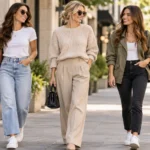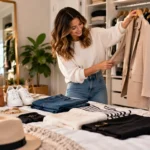

To effectively mix and match clothes like a stylist, it is crucial to have a solid understanding of your wardrobe basics. Wardrobe Essentials basics encompass key pieces that are quintessential for creating versatile outfits. These items typically include classic tops, bottoms, and essential outerwear that can serve as the foundation for any stylish ensemble.
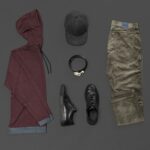
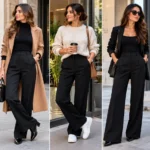
Identifying staple items is the first step in creating a versatile wardrobe. Classic tops may range from basic tees and button-up shirts to timeless blouses that can be dressed up or down. Similarly, bottoms such as tailored trousers, denim jeans, and versatile skirts can mesh seamlessly with various tops to create different looks. Outerwear, including tailored blazers and classic trench coats, can elevate an outfit while providing practicality.
Versatility in clothing is a key concept to grasp when aiming for a cohesive wardrobe. Each piece should ideally be chosen for its adaptability in various scenarios, whether for casual outings, workplaces, or formal events. When selecting garments, consider how each item can pair with others already in your closet. For example, a plain white shirt can transition from a casual day out with jeans to a professional setting when layered under a blazer.
A thorough understanding of your Wardrobe Essentials basics not only assists in making informed decisions when purchasing new clothing but also aids in the mixing and matching process. When you know the staple items you own, you can explore endless possibilities, making the most out of your existing wardrobe. This knowledge facilitates smarter choices that align with your personal style while eliminating unnecessary purchases, ultimately fostering a more intentional approach to fashion.
Color Coordination Techniques
Color coordination is a fundamental skill in the realm of fashion, essential for crafting outfits that are both cohesive and visually appealing. At the heart of effective color mixing lies the understanding of color theory, which includes the use of complementary colors, monochromatic schemes, and neutral tones.
Complementary colors are those that sit opposite each other on the color wheel. For instance, blue and orange, or purple and yellow, can create a striking contrast that draws attention while maintaining harmony. When designing your outfit, consider using one color as the dominant shade and the other as an accent. This approach not only adds visual interest but also ensures that the overall ensemble does not appear overwhelming.
Alternatively, a monochromatic color scheme utilizes variations in lightness and saturation of a single hue. For example, combining various shades of blue—from navy to sky blue—conveys a polished and sophisticated look. This technique is particularly effective for creating streamlined outfits that exude elegance, allowing for subtle diversity in textures and fabrics without introducing clashing colors.
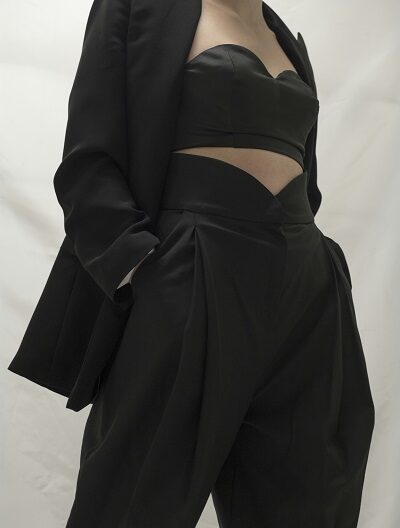
Neutrals, such as black, white, gray, and beige, serve as an excellent foundation for any color palette. They can be paired with brighter colors or used to tone down vivid shades, providing balance to your outfit. When accessorizing or layering, neutrals can enhance the impact of other colors and emphasize your personal style.
Practical tips for utilizing color coordination include considering the season and occasion when selecting hues. Spring and summer typically evoke lighter, more vibrant colors, while autumn and winter lend themselves to richer and deeper shades. It is also beneficial to choose colors that resonate with your individual style, ensuring you feel comfortable and confident in your outfit choices.
Playing with Patterns and Textures
Mixing and matching clothing items with various patterns and textures can enhance one’s overall style, providing a unique flair to everyday outfits. A foundational aspect of this practice is understanding how to skillfully combine different prints without clashing. For instance, pairing a striped shirt with floral pants can create an appealing look, provided that the colors harmonize. One effective method is to select patterns that share a common color palette, ensuring a cohesive appearance while allowing visual interest.
A commonly used guideline is the “one bold pattern” rule, which suggests that while it is acceptable to incorporate multiple patterns, only one should take center stage in an ensemble. This prevents overwhelming the viewer with conflicting visuals. For instance, if opting for a bold plaid blazer, the remaining pieces can consist of subtle tones or simple textures to create balance.
Another vital element in the art of mixing and matching is the inclusion of textures. The interplay of different materials can add depth to an outfit, even when using neutral color schemes. For example, combining a denim jacket with a silk blouse and leather skirt can create a multidimensional look. The softness of silk juxtaposed with the ruggedness of denim and the sleekness of leather not only provides contrast but also engages the senses.
When experimenting with textures, it’s important to consider the weight of each fabric. Heavier materials such as wool or thicker cotton can effectively anchor the lighter fabrics, ensuring the outfit does not feel chaotic. Similarly, layering different textures can yield an ensemble that is visually captivating and seasonally appropriate. In essence, the art of mixing patterns and textures lies in choosing harmonious elements while maintaining a balance between boldness and subtlety.
Accessorizing for Style Enhancement
Accessories play a crucial role in completing an outfit and can transform even the simplest looks into something remarkable. Understanding how to select the right accessories—such as jewelry, bags, and shoes—is essential for anyone looking to elevate their style. The key lies in balancing bold statement pieces with more understated items to create a harmonious appearance.
When choosing jewelry, consider the overall aesthetic of your outfit. For example, a classic little black dress can be paired with statement earrings or a chunky necklace for a dramatic effect. Conversely, if you’re wearing a patterned or embellished outfit, opt for less flashy jewelry to maintain equilibrium. Additionally, layering delicate necklaces has become a popular trend, allowing for personal expression while keeping the look sophisticated.
Bags are another Wardrobe Essentials accessory that can enhance your style. An eye-catching handbag can elevate a basic outfit, serving as a focal point. When selecting a bag, ensure that it complements the color palette of your ensemble. For instance, a structured handbag in a neutral tone can provide a chic contrast to softer hues. On the other hand, a vibrant bag can act as a playful accent to a monochromatic outfit.
Shoes can also greatly impact the overall vibe of an outfit. Pairing heels with a casual outfit can add an element of sophistication, while boots may introduce a laid-back yet stylish feel. It’s essential to consider the occasion when choosing shoes, as some settings call for more refined footwear than others.
In essence, accessories serve as vital tools in the art of mixing and matching. By thoughtfully selecting jewelry, bags, and shoes, one can enhance their style significantly. Emphasizing the importance of balance and adaptability in accessorizing will assist in creating looks that are not only fashionable but also appropriate for various occasions.