

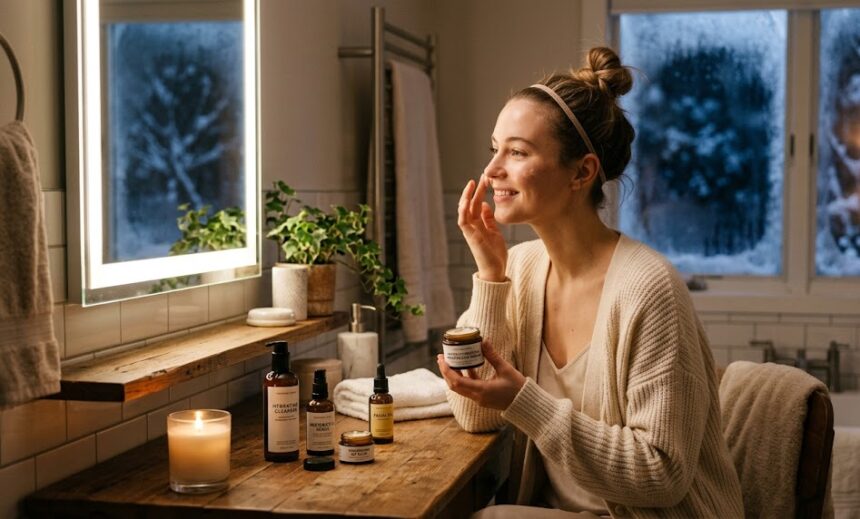
Winter presents unique challenges for skin health, primarily due to environmental factors such as cold temperatures, low humidity, and indoor heating. During the colder months, the natural moisture levels in the air often decline, causing the winter skin care to lose hydration more rapidly. As a result, individuals frequently experience common skin issues including dryness, flakiness, and irritation.
The cold weather can exacerbate these problems by constricting blood vessels and reducing circulation near the skin’s surface. This can lead to a diminished ability to retain moisture, leaving the skin feeling tight and uncomfortable. Consequently, people may notice that their skin becomes rough or even cracked, particularly in areas such as the hands, feet, and lips, which are more prone to dryness.
Moreover, indoor heating systems, while essential for comfort during winter, contribute to a drop in humidity levels indoors. This combination of external cold and internal heating creates a perfect storm for skin dehydration. Additionally, the use of harsh soaps and hot water during bathing can strip the skin of its natural oils, further compromising its barrier function.
Understanding these winter skin challenges underscores the necessity of adapting skincare routines to combat adverse conditions. Incorporating products that focus on hydration and barrier repair can significantly improve winter skin care resilience during the winter months. Emphasizing moisturizers containing humectants, emollients, and occlusives can effectively lock in moisture, ensuring a more supple and hydrated complexion throughout the season. Addressing these needs is crucial for maintaining not only the appearance but also the overall health of the skin during this harsh season.
Essential Steps for Your Winter Skincare Routine
Winter can take a significant toll on your skin, leading to dryness and a lack of hydration. Therefore, establishing a comprehensive winter skincare routine is crucial for maintaining soft, hydrated skin. The first step in this regimen is cleansing. During winter months, it is advisable to switch to creamy cleansers instead of foaming ones, as they are gentler and help retain moisture while effectively removing dirt and impurities.
Following cleansing, exfoliation plays a key role. Although it is essential to exfoliate to remove dead skin cells, one must be cautious in winter. Opting for a gentle exfoliator, perhaps one that contains fine particles or enzymes, can refresh the skin without stripping it of its natural oils. Limiting this step to once a week can help maintain skin’s integrity and prevent excessive dryness.
Moisturizing is the cornerstone of any winter skincare routine. It is vital to select a rich moisturizer that will provide a protective barrier against harsh environmental elements. Products containing hyaluronic acid, glycerin, or ceramides are particularly beneficial as they help lock in moisture. For those looking to amplify hydration, incorporating a hydrating serum or facial oil into the routine can be a game-changer. These products deliver additional nourishment, ensuring that the skin remains plump and hydrated.
Layering products effectively is essential to maximize hydration. Begin with the lighter products first, such as serums or essences, followed by a thicker moisturizer. These layers work in synergy, allowing each product to penetrate deeply and provide hydration. Finally, do not forget to apply sunscreen, even during winter months. A broad-spectrum SPF is essential to protect the skin from UV rays, which can still penetrate through clouds and cause long-term damage.
Key Ingredients to Look For in Winter Skincare Products
As temperatures drop during winter, maintaining a well-hydrated skin barrier becomes essential. To achieve soft and nourished skin in these colder months, it is pivotal to enrich your skincare routine with products containing specific key ingredients. These components can vastly improve your skin’s hydration levels and overall texture.
Humectants, such as glycerin and hyaluronic acid, draw moisture from the environment and effectively bind it to the skin. Glycerin is renowned for its ability to attract moisture, making it a staple when formulating winter skincare products. Likewise, hyaluronic acid can hold up to 1,000 times its weight in water, which aids in keeping the skin plump and hydrated during dry conditions.
Another vital class of ingredients to consider are emollients, which help smooth and soften the winter skin care. Natural emollients like shea butter and ceramides play a crucial role in maintaining a healthy skin barrier. Shea butter is rich in fatty acids and offers deep moisturization and nourishment. Ceramides, on the other hand, help restore the skin’s protective barrier, preventing moisture loss and protecting against environmental aggressors.
Additionally, occlusives such as petroleum jelly and various oils provide a protective layer on the skin’s surface. These ingredients lock in moisture and protect the skin from harsh, cold air that can lead to dryness and irritation. While petroleum jelly acts as an effective occlusive agent, oils such as jojoba or argan oil can complement hydration by also supplying essential nutrients.
Selecting winter skincare products with these critical ingredients will significantly aid in retaining moisture, ensuring that your skin remains soft and hydrated despite the challenges posed by colder weather conditions.
Maintaining Hydration Beyond Skincare Products
While topical skincare products are essential for maintaining skin hydration during winter, achieving optimal moisture levels involves a more holistic approach. One of the most fundamental aspects of skin hydration is proper fluid intake. Drinking sufficient water throughout the day helps ensure that your skin remains plump and hydrated. Aim for at least eight 8-ounce glasses of water daily, adjusting this amount based on your activity level and individual needs. Additionally, monitoring your water intake can be beneficial, especially in the winter months when it is easy to overlook hydration due to cooler temperatures.
Another effective way to enhance moisture levels in your environment is through the use of humidifiers. Winter air tends to be dry, both indoors and outdoors, which can exacerbate skin dryness. By utilizing a humidifier in your home, especially while you sleep, you can introduce additional moisture into the air, creating a more winter skin care-friendly environment. This added humidity helps to prevent your skin from losing moisture and keeps it feeling soft and supple.
Moreover, incorporating skin-friendly foods into your diet can greatly contribute to your overall skin hydration. Foods rich in vitamins, such as vegetables and fruits, alongside healthy fats found in items like avocados, nuts, and fish, provide essential nutrients that support skin health. Fatty acids, particularly omega-3s, play a significant role in maintaining skin barrier function, thereby enhancing hydration from within.
Incorporating these lifestyle adjustments can significantly improve your skin’s hydration levels during the winter months. From drinking enough water to introducing moisture through humidifiers and adjusting your diet, every small change contributes to a more effective winter skincare routine.