

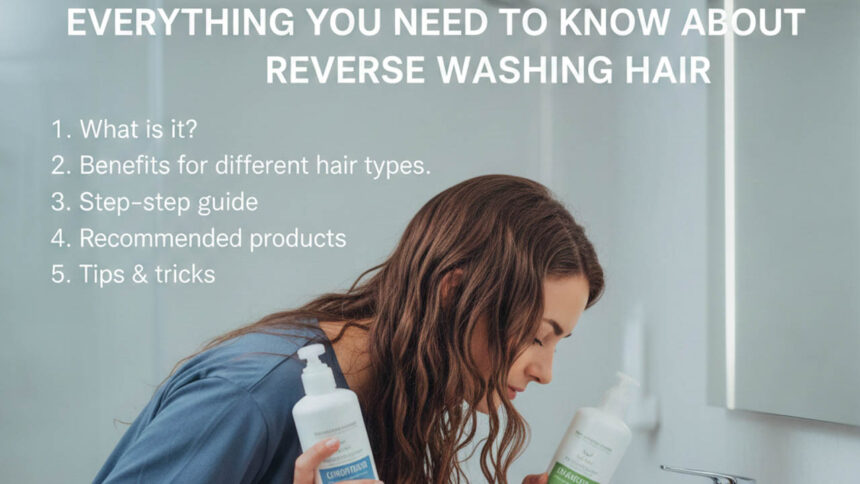
Are you tired of lackluster hair days? If your locks seem to be perpetually dull, it might be time to shake up your routine. Enter the innovative technique of reverse washing hair. This approach flips the traditional shampoo-conditioner order on its head, promising a fresh take on achieving vibrant and healthy tresses. Whether you’re battling excess oil or searching for that extra bounce, reverse washing could hold the key to unlocking your hair’s full potential. Dive in as we explore everything you need to know about this trend that’s been making waves in the world of hair care!
What is Reverse Washing Hair?
Reverse washing hair is a technique that flips the traditional regimen of cleansing and conditioning. Instead of applying shampoo first, you start with conditioner.
This method allows your strands to absorb moisture before being cleansed, which can lead to softer and more manageable hair. The idea is simple: the conditioner coats your hair, providing nourishment right away.
After conditioning, you follow up with a gentle wash using shampoo. This helps remove any buildup from products while maintaining hydration levels in your hair.
People often find that reverse washing reduces frizz and adds shine without weighing their locks down. It’s especially beneficial for those with fine or oily hair types who struggle to achieve volume and texture when following the conventional routine.
Trying this method might just be what your hair needs for an exciting transformation!
Benefits of Reverse Washing
Reverse washing offers several benefits that can transform your hair care routine. By conditioning before shampooing, you create a protective layer on your strands. This technique helps prevent excessive dryness and damage.
Another advantage is enhanced volume. When you apply conditioner first, it can weigh down fine or limp hair less than traditional methods. Your locks may appear fuller and bouncier.
Additionally, reverse washing aids in better cleansing. Shampoos remove dirt and product buildup effectively when used after conditioning. You may find that your scalp feels fresher without over-stripping essential oils.
This method also works wonders for those with curly or textured hair types. It allows for increased moisture retention while maintaining curl definition.
Experimenting with reverse washing could lead to healthier-looking hair, making it a worthy addition to any haircare regimen.
Step-by-Step Guide to Reverse Washing Hair
Start by wetting your hair thoroughly with lukewarm water. This helps to open up the cuticles and prepare your strands for cleansing.
Next, apply a lightweight conditioner from mid-length to the ends of your hair. Avoid the scalp area to prevent greasiness. Let it sit for a few minutes while you enjoy a mini spa moment.
Rinse out the conditioner completely. This step leaves your hair feeling soft without weighing it down.
Now it’s time for shampooing. Use a gentle formula that suits your hair type and lather it into your scalp with circular motions, working through any buildup or dirt.
After rinsing out all traces of shampoo, feel free to follow up with another light application of conditioner if needed. This locks in moisture and enhances shine without leaving residue behind on roots.
Products to Use for Reverse Washing
When it comes to reverse washing, choosing the right products is essential. Start with a lightweight conditioner that won’t weigh your hair down. Look for formulas designed for fine or oily hair types, as these tend to offer hydration without excess heaviness.
For shampoo, opt for a gentle cleansing formula. Sulfate-free options are often best since they cleanse without stripping natural oils. A clarifying shampoo can be beneficial if you use styling products frequently.
Don’t forget about leave-in conditioners or serums post-wash. These can help keep your locks hydrated and manageable throughout the day.
Essential oils like argan or jojoba can also work wonders when added to your routine. They provide extra moisture and shine while keeping frizz at bay.
Always remember: tailoring your product choices to your unique hair type will yield the best results in this innovative washing technique!
Common Misconceptions About Reverse Washing
One common misconception about reverse washing is that it’s only for people with oily hair. While those with greasier roots may benefit, anyone can try this technique to enhance their hair’s overall health.
Another myth suggests that reverse washing will leave your hair feeling greasy or heavy. In reality, using conditioner first allows for better cleansing of buildup without weighing down the strands.
Some believe that this method requires specific products. The truth is you can use your regular shampoo and conditioner; just switch the order in which you apply them.
Many assume reverse washing isn’t suitable for curly or textured hair types. On the contrary, many individuals with curls find that it helps define their texture while adding moisture at the same time.
This approach has gained traction as a trendy new routine, but questioning its validity leads to deeper insights into effective hair care practices.
How Often Should You Reverse Wash Your Hair?
The frequency of reverse washing your hair largely depends on your hair type and texture. For those with fine or oily hair, doing this technique two to three times a week can help maintain volume without weighing it down.
If you have thick or dry hair, once a week may be sufficient. This allows moisture to penetrate without overwhelming the strands.
Listen to your scalp as well; if it feels greasy sooner than expected, consider increasing the frequency. Conversely, if you notice dryness or breakage, scale back on how often you reverse wash.
Experimentation is key. Monitor how your hair responds over time, adjusting accordingly for optimal results. Remember that every head of hair is unique; what works wonders for one person might not suit another at all!
Conclusion
Reverse washing hair offers a refreshing twist to your regular hair care routine. By changing the order of how you wash and condition, you can enhance your hair’s health and manageability. This technique benefits various hair types, especially those prone to oiliness or buildup.
To get started with reverse washing, remember to choose products thoughtfully. The right shampoo and conditioner make all the difference in achieving lustrous locks. Don’t be swayed by common misconceptions; understanding this method will empower you to adapt it according to your needs.
As for frequency, listen to your hair—it often knows best. With a bit of practice, you’ll find what works for you while enjoying the advantages of clean yet nourished strands.
So why not give reverse washing a try? It might just become your new favorite way of caring for your hair!