
Makeup has always been a fascinating mix of art and expression. Each year brings fresh trends that captivate beauty enthusiasts around the globe. From bold lip colors to intricate eye designs, these transformations reflect not just individual creativity but also broader societal changes. But why do makeup trends change so frequently? What drives this constant evolution in the world of beauty? Let’s dive into the dynamic factors shaping how we paint our faces and express ourselves through cosmetics.
The influence of fashion and culture on makeup trends
Fashion and culture are intertwined, shaping our aesthetic preferences. Each year, designers unveil collections that reflect societal moods, sparking shifts in makeup trends. Cultural movements also play a crucial role. From the bold colors of the 1980s to the minimalist looks of today, makeup adapts to what resonates with people at that moment. This ebb and flow illustrates how external influences can redefine beauty norms. Iconic figures in music or film often set standards for makeup styles. A new celebrity look can ignite a trend overnight, proving just how powerful cultural icons are in this realm. Furthermore, global awareness has led to more diverse representations of beauty within fashion shows and campaigns. As cultures converge through platforms like social media, we see an exciting fusion of styles—an ever-evolving tapestry reflecting both tradition and innovation.
The impact of social media on makeup trends
Social media has revolutionized the way makeup trends emerge and spread. Platforms like Instagram, TikTok, and YouTube serve as vibrant galleries for beauty enthusiasts to showcase their artistry. Users can instantly share tutorials, reviews, and transformations with a global audience. This quick exchange of ideas allows trends to go viral overnight. What was once confined to runways or magazines now reaches millions at lightning speed. Influencers play a pivotal role in this phenomenon. Their loyal followers often mimic looks they admire, turning styles into fleeting fads or long-lasting staples. One tutorial can spark an entire trend cycle within days. Moreover, diverse voices are finally being heard through these platforms. Makeup is no longer just about conventional beauty standards; social media celebrates individuality and creativity across cultures and identities. As users explore new techniques and products together online, the landscape of makeup continues to evolve in exciting ways.
How beauty brands play a role in setting trends
Beauty brands are powerful trendsetters in the makeup industry. They influence consumers by launching innovative products that capture attention and imagination. Each season, brands unveil collections that reflect current societal moods or artistic movements. Collaborations with influencers often amplify this effect. Brands partner with beauty gurus to create buzz around new releases. These partnerships can launch a product into instant stardom. Moreover, marketing campaigns play a crucial role. Striking visuals and compelling narratives draw consumers to embrace fresh styles. The storytelling behind each collection fosters emotional connections, making trends more relatable. Additionally, limited-edition launches create urgency among shoppers. When consumers feel they might miss out on something exclusive, they’re more likely to adopt new trends quickly. As these dynamics unfold, beauty brands continually shape what’s considered fashionable in makeup today—and tomorrow.
The evolving definition of beauty and its effect on makeup trends
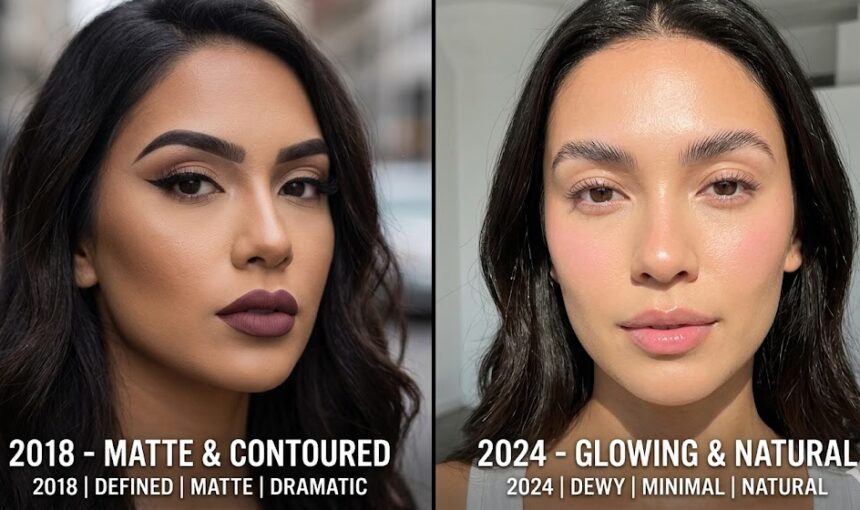
The definition of beauty is evolving rapidly. No longer confined to traditional standards, it embraces diversity in all forms. This shift has a profound effect on makeup trends. Today, inclusivity reigns supreme. Brands are expanding their shade ranges and formulations to cater to various skin tones and types. Makeup isn’t just about enhancing features; it’s about self-expression. Natural looks gained popularity as people seek authenticity over perfection. The “no-makeup” makeup trend highlights individual beauty rather than masking flaws. Moreover, the rise of gender fluidity in beauty influences product lines too. More brands now offer unisex products that challenge conventional norms. As society broadens its understanding of what beauty means, makeup trends reflect this change by celebrating uniqueness over uniformity. Each year brings fresh perspectives and innovative approaches that redefine how we view ourselves through cosmetics.
Sustainability and ethical considerations in makeup trends
Sustainability has become a hot topic in the beauty industry. As consumers grow more aware of their environmental footprint, Makeup Trends Change are evolving to reflect these concerns. Brands are now prioritizing eco-friendly packaging and sourcing ingredients responsibly. This shift not only appeals to environmentally-conscious customers but also sets new standards within the industry. Moreover, ethical considerations have gained traction. Many companies focus on cruelty-free practices, ensuring that no animals suffer in the production process. Transparency is key; consumers want to know where their products come from and how they’re made. The rise of clean beauty is reshaping popular styles too. Minimalist looks featuring natural tones highlight skin rather than mask it with layers of product. This trend promotes authenticity and self-acceptance while supporting sustainable practices. As awareness increases, future makeup trends will likely intertwine style with conscious choices, leading us toward a more responsible beauty landscape.
Predictions for future makeup trends
As we look ahead, the future of makeup trends change promises to be exciting and innovative. One prediction is a surge in multifunctional products. Consumers are seeking simplicity, so expect to see more cosmetics that serve multiple purposes. The rise of augmented reality (AR) technology will also influence how we shop for makeup. Virtual try-ons will become commonplace, allowing users to experiment with colors without ever stepping into a store. Additionally, inclusivity will continue to shape the landscape. Brands are likely to expand their shade ranges and formulations catering to all skin types and tones. Biodegradable packaging might gain traction as eco-conscious consumers demand sustainable options. This shift reflects a growing awareness about environmental impact within the beauty industry. Minimalist looks could dominate as people lean towards natural beauty over heavy glamor. Expect an emphasis on glowing skin and fresh-faced aesthetics in upcoming collections.
Conclusion:
Makeup trends change for a multitude of reasons, reflecting the dynamic nature of both beauty and society. As we observe how fashion, culture, and social media intertwine, it becomes clear that these elements continuously reshape our perceptions of makeup. The rise of digital platforms has accelerated the speed at which trends emerge and evolve. Beauty brands have also played a significant role in this transformation by launching innovative products that set new standards. Their influence is palpable across various demographics. This constant innovation keeps consumers engaged while allowing them to explore new ways to express their individuality. As definitions of beauty continue to expand, so too do the makeup trends associated with them. Today’s focus on sustainability and ethical considerations is reshaping what is deemed desirable in cosmetics—encouraging brands to adapt or risk being left behind. Looking ahead, future makeup trends are likely to embrace even more diversity and inclusivity. With advancements in technology and growing awareness around environmental issues, we can expect an exciting evolution within this realm. The fluidity of makeup trends reflects broader societal changes. As attitudes shift toward authenticity and self-expression, one thing remains certain: Makeup will keep evolving alongside us.