

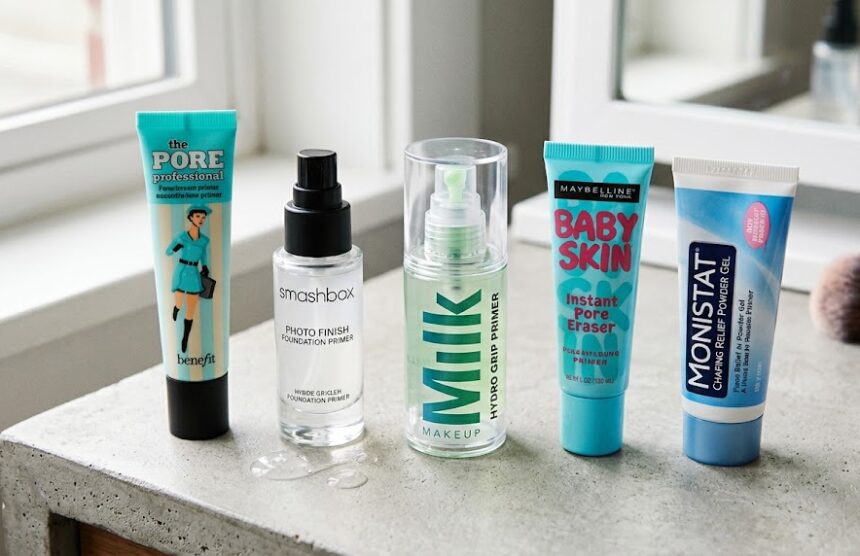
Imagine stepping out of your house with flawless makeup that lasts from dawn till dusk. Sounds dreamy, right? The secret to achieving this makeup magic lies in one essential product: face primers. These often-overlooked heroes of the beauty world can transform your everyday routine and ensure your foundation stays fresh and vibrant throughout the day. Whether you’re heading to a long workday or a night out with friends, understanding how face primers work can change the game for you. Let’s dive into why these products are crucial for improving makeup longevity and how they can elevate your beauty routine!
What is a face primer?
A face primer is a cosmetic product designed to create an optimal base for makeup application. It acts as a barrier between your skin and the products you apply on top, ensuring smoother results. Typically available in various formulations, primers can cater to different skin types and concerns. From hydrating formulas for dry skin to mattifying options for oily complexions, there’s a primer out there for everyone. When applied before foundation or tinted moisturizer, face primers help fill in fine lines and pores. This leads to an even surface that enhances the overall look of your makeup. Besides serving as a canvas, many primers contain beneficial ingredients that nourish the skin. They can boost hydration levels or control excess oil production while providing additional sun protection. In essence, face primers are not just an extra step; they’re essential tools that set the stage for long-lasting beauty.
The Importance of Prepping the Skin
Prepping the skin is a crucial step in any makeup routine. It sets the stage for flawless application and enhances overall results. When you cleanse, exfoliate, and moisturize your face, you’re creating a smooth canvas. This allows makeup products to glide on effortlessly. Additionally, well-prepped skin helps promote better adherence of cosmetics. Without proper preparation, foundation can cling to dry patches or settle into fine lines. Hydration plays a key role too. Moisturized skin looks plump and radiant. A good moisturizer can also balance oil production throughout the day. Remember that every skin type has different needs. Tailoring your prep routine ensures maximum effectiveness for your unique complexion. Investing time in this initial process pays off later when it comes to longevity and appearance of your makeup look.
Benefits of Using a Face Primer
Face primers are game-changers in the makeup world. They create a smooth canvas, allowing foundation to glide on effortlessly. One major benefit is their ability to enhance makeup longevity. With a primer, your look stays fresh from morning meetings to late-night outings. It fights against oils and sweat that can break down products. Many face primers also provide hydration or oil control. This means that dry patches or excess shine are less likely to ruin your flawless finish. Additionally, some formulations contain light-diffusing particles that blur imperfections and minimize the appearance of pores. Your skin looks more even and radiant right away. Using a face primer can transform not only how your makeup applies but also how it wears throughout the day. It’s an essential step for anyone looking to boost their beauty routine while achieving professional-level results at home.
Types of Face Primers and their Functions
Face primers come in various formulations, each designed to address specific skin concerns. Silicone-based primers create a smooth canvas, filling fine lines and pores for an airbrushed effect. They offer a velvety texture that makes foundation glide on. Water-based primers are perfect for those with oily or combination skin. They help control shine while providing hydration without clogging pores. This balance is essential for maintaining a fresh look throughout the day. For dry skin types, hydrating primers infused with ingredients like hyaluronic acid deliver moisture and radiance. These formulas combat dryness and ensure your makeup doesn’t flake or settle into creases. Matte finish primers work wonders for oily skin by minimizing shine and extending wear time. On the other hand, illuminating primers add a subtle glow, giving dull complexions a vibrant lift. Choosing the right type enhances not just longevity but also overall appearance—all without feeling heavy or cakey on the skin.
How to Choose the Right Face Primer for Your Skin Type
Choosing the right face primer is essential for enhancing your makeup routine. Start by identifying your skin type whether it’s oily, dry, combination, or sensitive. For oily skin, look for a mattifying primer that controls shine and minimizes pores. These often contain ingredients like salicylic acid to help keep excess oil at bay. If you have dry skin, opt for hydrating primers infused with moisturizing agents such as hyaluronic acid or glycerin. They will provide a smooth base while keeping your complexion dewy. Combination skin benefits from versatile primers that balance hydration and oil control. Look for lightweight formulas that don’t clog pores but still offer moisture where needed. Sensitive skin types should choose fragrance-free options designed specifically to soothe irritation. Check labels carefully to avoid potential allergens or harsh chemicals. Always test a small amount on your wrist before applying it to your face; this helps prevent adverse reactions and ensures compatibility with your skincare regimen.
Tips for Applying Face Primer Correctly
Applying face primer correctly can make all the difference in your makeup routine. Start with a clean, moisturized face. Allow your moisturizer to absorb fully before reaching for that primer. Use a pea-sized amount of product. Less is often more when it comes to primers. Warm it between your fingers for even distribution and then gently pat it onto your skin rather than rubbing it in. Focus on key areas where makeup tends to fade or settle, like the T-zone or around the eyes. This targeted application helps create a smooth canvas without feeling heavy. Give the primer a moment to set before applying foundation. This ensures better adhesion and enhances longevity throughout the day. If you’re using a silicone-based primer, consider using tools like brushes or sponges for seamless blending. Don’t forget about touch-ups! A light dusting of powder can help maintain that fresh look as you go about your day.
Longevity Test: Comparing Makeup with and without a Primer
To truly understand the impact of face primers, a simple longevity test can illustrate their effectiveness. Start by applying makeup on one half of your face with primer and leave the other half bare. Use your usual foundation, concealer, and powder for an accurate comparison. As you go about your day, take notes. Observe how each side holds up against sweat and oil production. Notice if there’s any fading or settling into fine lines. After several hours, evaluate both sides in natural light to see which maintains its fresh appearance longer. Most likely, you’ll find that the primed side looks more polished and vibrant compared to its unprimed counterpart. This experiment not only showcases the benefits of using face primers but also highlights how they can transform your daily makeup routine significantly.
Other Ways to Make Your Makeup Last Longer
Aside from using face primers, there are several effective strategies to enhance your makeup longevity. Start by prepping your skin with a good moisturizer tailored to your skin type. Hydrated skin serves as a better canvas for makeup. Setting sprays can be game changers. A quick spritz after applying your makeup helps lock everything in place, creating a protective barrier against smudging and fading throughout the day. Consider using long-wear or waterproof formulas for key products like foundation and eyeliner. These tend to stand up better against heat and humidity. Blotting papers are another handy tool in your kit. They absorb excess oil without disturbing your makeup, keeping you looking fresh all day long. Touch-up kits can save the day. Pack essentials like powder and lipstick for quick refreshes when needed, ensuring you’re always photo-ready!
Common Misconceptions about Face Primers
Many people believe that face primers are unnecessary and simply an extra step in their makeup routine. This misconception overlooks the crucial role they play in enhancing makeup wear. Another common myth is that all primers feel heavy or greasy. In reality, there’s a wide variety of formulations available, from lightweight gels to hydrating creams. You can find one that suits your skin type perfectly. Some assume that using a primer is only for special occasions. However, daily use can make a significant difference in how long your makeup lasts throughout the day. Many think that primers work solely as a barrier between skin and makeup. While that’s true to some extent, they also provide benefits like smoothing texture and minimizing pores for an overall polished look.
Conclusion
Face primers play a crucial role in enhancing the longevity and appearance of your makeup. By creating a smooth canvas, they help to minimize imperfections and allow foundation and other products to adhere better throughout the day. Understanding your skin type is essential when selecting a primer, as there are options tailored for oily, dry, or combination skin. Learning how to apply primer correctly can also elevate your makeup game, ensuring that it stays put longer while looking fresh. While face primers offer significant benefits, it’s important not to overlook other methods for extending makeup wear. Techniques such as setting sprays and powders can complement the use of primers beautifully. Dispelling common myths about face primers will also empower you with knowledge on their true capabilities. With all this information at hand, you’re now equipped to make informed choices that enhance both your skincare routine and makeup application. Embracing face primers may just transform how you approach beauty routines—making them more effective while keeping you looking impeccable from morning until night.