

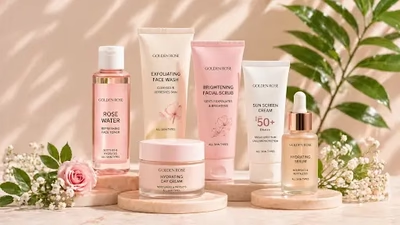
The Paradigm Shift: From Quick Fixes to Skin Barrier Health
For decades, the Pakistani beauty market operated under a single, flawed premise: instant fairness at any cost. Local shelves were dominated by heavy whitening creams, aggressive bleaching agents, and harsh chemical concoctions. While these products promised quick transformations, they left a generation of consumers dealing with thinning skin, chronic redness, severe hyperpigmentation, and compromised moisture barriers. The focus was entirely on surface-level cosmetic changes rather than genuine dermatological health.
Over the past few years, a major shift has taken place across local beauty circles. Today’s consumers are far more educated about skin health, ingredient safety, and long-term care. Instead of masking imperfections or forcing drastic skin lighteners, people are prioritizing hydration, soothe-first formulations, and barrier preservation.
This cultural shift created the perfect environment for Korean skincare to thrive. Known globally for its gentle, skin-first philosophy, K-beauty introduced Pakistani users to an entirely different approach: strengthening the natural skin barrier to achieve healthy, radiant skin over time. What began as a niche trend among beauty enthusiasts on social media has quickly transformed into an everyday routine necessity across the country.
Why K-Beauty Fits Pakistani Climate
One of the biggest challenges for skincare users in Pakistan is the local climate. Summers are long, scorching, and intensely humid, while winters bring dry, dusty air. Urban environments in cities like Lahore, Karachi, and Islamabad also present high pollution levels, leading to clogged pores, excess sebum production, and frequent breakouts.
Traditional Western creams and rich occlusives were often formulated for colder, dryer European climates. When applied in intense humidity, these thick formulations trap sweat and oil, leading to persistent congestion and fungal acne. Korean beauty products, on the other hand, excel at lightweight layerability.
The key lies in the unique textures and formulation strategies developed by Korean cosmetic labs:
- Breathable Textural Design: Instead of relying solely on heavy petrolatum or thick mineral oils, Korean formulas utilize lightweight water-gel textures, breathable essences, and micro-emulsions that absorb instantly without leaving a sticky film.
- Soothing Botanical Extracts: Ingredients like Centella Asiatica (Cica), Green Tea, and Mugwort are central to K-beauty. They actively calm skin inflammation and reduce heat-induced redness brought on by harsh sun exposure.
- Barrier-Strengthening Actives: Rather than relying exclusively on high-percentage exfoliants that strip the skin, Korean products pair gentle active ingredients like Niacinamide with repairing agents like Panthenol, Ceramides, and Hyaluronic Acid.
This smart balance allows Pakistani users to hydrate and repair their skin effectively without feeling weighed down during hot and humid weather.
Navigating Fake vs. Authentic K-Beauty
As demand for Korean cosmetics surged across Pakistan, a new challenge emerged for everyday consumers: finding genuine products. The market quickly became flooded with unverified sellers, unauthorized imports, and worst of all, low-quality counterfeit replicas.
Because K-beauty relies heavily on active botanicals, precise ingredient ratios, and clean formulations, using a fake product can lead to severe allergic reactions, breakouts, and long-term barrier disruption. For a long time, buyers had to rely on friends traveling abroad or pay exorbitant shipping fees to import products directly from overseas retailers.
Fortunately, the local retail landscape has matured significantly. Pakistani beauty platforms now work to streamline supply chains, giving local shoppers direct access to imported cosmetics. When looking to build a reliable routine, finding verified sellers who supply genuine Korean skin care products in Pakistan is essential. Having trusted local stockists like ColorShow ensures that buyers receive fresh, authentic formulations stored under proper conditions rather than risking their skin health on dubious counterfeit items.
Tackling Barrier Damage & Post-Acne Marks
Post-inflammatory hyperpigmentation (PIH) and post-acne erythema (redness) are among the most common skin issues reported by South Asian skin types. Because South Asian skin has higher melanin activity, even a minor breakout or brief period of irritation can leave behind dark spots or persistent red marks that last for months.
When users attempt to treat these marks with aggressive peeling acids or physical scrubs, they often make the problem worse by tearing the skin barrier and triggering even more melanin production. Korean skincare solves this problem by taking an anti-inflammatory approach to spot correction.
When dealing with reactive, acne-prone, or barrier-compromised skin, heavy moisturizers often cause more harm than good. Lightweight, multi-action formulations step in to calm the skin while actively repair damage. A standout example in this category is the Dr Althea 345 Relief Cream. Formulated specifically to target post-acne marks, redness, and irritation, this cream uses a balanced mix of Niacinamide, Panthenol, and botanical extracts. Its gel-ointment texture delivers deep nourishment without clogging pores, making it an ideal post-breakout treatment for anyone dealing with damaged skin barriers in warm weather.
By addressing the root cause of irritation rather than just treating symptoms, these soothing formulations allow post-acne marks to fade naturally while preventing future flare-ups.
Simple 4-Step K-Beauty Routine
A common misconception about Korean skincare is that it requires a complicated, time-consuming 10-step process every morning and night. While multi-step routines exist, most skincare experts agree that a streamlined, consistent 4-step routine yields the best results for Pakistani climate conditions.
Here is a practical, climate-friendly routine that delivers maximum results with minimal friction:
- Gentle Low-pH Cleanser: Start with a mild gel or foam cleanser that removes daily grime, pollution, and excess sebum without leaving your skin feeling tight or stripped.
- Hydrating Essence or Toner: Apply a lightweight, liquid layer packed with soothing botanicals like Centella or Hyaluronic Acid to prep the skin and balance moisture levels.
- Targeted Barrier Cream: Use a soothing, non-comedogenic gel-cream moisturizer to calm redness, repair damaged skin barriers, and lock in hydration.
- Broad-Spectrum Sunscreen: Finish every morning routine with a lightweight, broad-spectrum SPF. Modern Korean sunscreens are famous for leaving zero white cast and absorbing seamlessly, eliminating the greasy feeling typical of old-school sunblocks.
This simple routine takes less than five minutes, fits easily into busy daily schedules, and protects the skin against environmental stress.
The Future of Pakistani Skincare
The widespread popularity of Korean skincare across Pakistan is far more than a passing internet trend. It represents a fundamental upgrade in how consumers view, treat, and value their skin. By moving away from quick-fix bleaching products and embracing gentle, barrier-focused care, Pakistani beauty enthusiasts are achieving healthier, more resilient skin than ever before.
As the local beauty space continues to evolve, prioritizing ingredient transparency, climate-appropriate textures, and authentic sourcing will remain essential. Investing in gentle, well-formulated skincare isn’t just about chasing a temporary glow; it is a long-term commitment to maintaining healthy, protected skin for years to come.