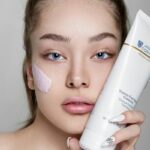

The clean beauty products industry is perpetually evolving, and recent trends reflect a dynamic shift toward values prioritizing sustainability, inclusivity, and personalization. One such trend that has rapidly garnered attention is the rise of clean beauty products. This movement emphasizes the use of ingredients that are non-toxic and environmentally friendly, appealing to a growing demographic of conscious consumers who are increasingly scrutinizing what goes into their cosmetics and skincare products.
Clean beauty emerged as a response to both consumer demand for safer products and increasing awareness of the potential harm caused by synthetic chemicals. Alongside this, social media platforms have played a crucial role in amplifying voices advocating for transparency in ingredient sourcing. Influencers and beauty advocates have emphasized the need to eliminate harmful chemicals, encouraging brands to reformulate existing products to align with these consumer preferences. This cultural narrative has resonated widely, sparking growth in the clean beauty sector.
The reception within the beauty community has been overwhelmingly positive, with beauty enthusiasts eager to embrace products that support health and environmental integrity. Major beauty brands have responded by launching lines that feature clean formulations and eco-conscious packaging, recognizing the importance of staying relevant in a market that increasingly values ethical practices. Furthermore, independent brands focused solely on clean beauty have emerged, gaining traction for their commitment to purity and sustainability. As a result, many experts in the field are optimistic about the longevity of this trend, perceiving it as a pivotal moment in redefining beauty standards.
The Science Behind the Trend
In the ever-evolving world of beauty, trends often emerge that are rooted in scientific principles and research. One recent trend encompasses naturally derived ingredients that boast a plethora of skin-enhancing benefits. Brands are increasingly incorporating these ingredients, claiming they offer superior efficacy compared to traditional synthetic components. This shift has been partly driven by a growing consumer demand for clean and sustainable beauty products. Ingredient sourcing transparency is paramount, as consumers seek to understand the benefits of what they apply to their skin.
Notably, ingredients such as hyaluronic acid, retinoids, and peptides have seen a surge in popularity due to their clinical backing. Hyaluronic acid, for instance, is a naturally occurring polysaccharide that helps retain moisture in the skin, promoting hydration and elasticity. Scientific literature supports its efficacy, noting that it can significantly reduce the appearance of fine lines and improve overall skin texture. Retinoids, on the other hand, are renowned for their ability to enhance cell turnover, leading to smoother, clearer skin over time.
Moreover, the trend has also introduced the use of advanced technologies in skincare formulations. New delivery systems, such as microencapsulation, help in stabilizing and enhancing the penetration of these beneficial ingredients. This method allows for a more targeted delivery, ensuring that active ingredients reach deeper layers of the skin effectively. Some conflicting studies, however, raise questions about the stability and efficacy of certain formulations, suggesting the need for further research to address these concerns comprehensively.
As brands race to innovate, it is essential to recognize that scientific backing is crucial for credibility. The intersection of beauty and science can either validate a trend or, conversely, expose its shortcomings, underscoring the importance of informed consumer choices in the marketplace.
Diverse Expert Opinions
As beauty trends evolve, an array of insights from various beauty professionals sheds light on their impact. Dermatologists, makeup artists, influencers, and skincare specialists offer valuable perspectives, highlighting not only the appeal of current trends but also cautioning against potential pitfalls.
Dr. Emily Smith, a renowned dermatologist, emphasizes the importance of skin health amidst the allure of the latest beauty trends. “While experimenting with new products like bold colors and innovative skincare routines can be exciting,” she notes, “it is essential to prioritize the condition of your skin. Some products, especially those with high acidity or potent active ingredients, can lead to skin irritation or long-term damage if not used with care.” In her view, moderation and awareness are key to safely navigating beauty fads.
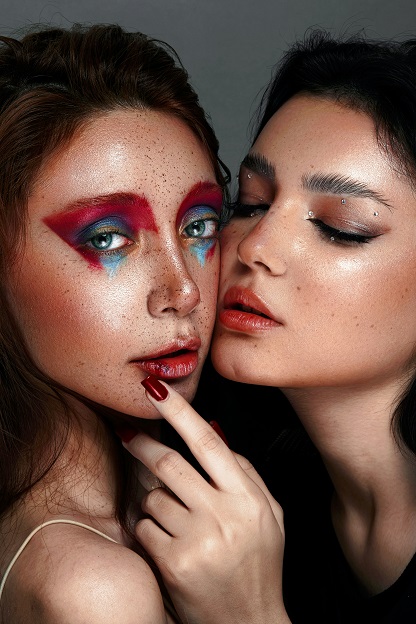
Conversely, makeup artist Javier Lopez embraces the exuberance that comes with new trends. He believes trends such as glitter-infused serums and vibrant eye shadows can empower individuals to express themselves creatively. “Makeup is an art form that allows people to showcase their individuality,” Lopez states, advocating for experimentation. Yet he adds a caveat, advising that one should remain conscious of their skin type and sensitivities, underscoring the significance of healthy application practices.
Influencer Sarah Chang offers a unique perspective, focusing on the cultural implications of trends. “Social media has transformed how trends proliferate, making them more accessible and inclusive. However, it’s crucial to critique the cultural inspirations behind certain trends,” she argues, pointing out that some trends may inadvertently appropriate styles from different cultural backgrounds without acknowledgment. This highlights the necessity for a more mindful approach within the beauty community as trends emerge.
Ultimately, the diverse range of expert opinions illustrates that while beauty trends are often thrilling and innovative, they should be approached with an informed mindset. Understanding the balance between creativity and skin health is paramount as individuals strive to adopt new practices in personal grooming and appearance.
Consumer Reactions and Experiences
The landscape of beauty trends is constantly evolving, prompting varied reactions from consumers around the globe. As new products and techniques emerge, users have engaged in discussions across various platforms, sharing their experiences and sentiments regarding the latest offerings in the beauty industry. Through a combination of testimonials, surveys, and sentiment analysis from social media, we can better understand how regular users perceive and interact with these trends.
Recent surveys indicate that a significant percentage of beauty consumers express excitement about innovative trends, such as clean beauty products and inclusive makeup lines. Many users have found empowerment in the growing diversity of beauty definitions, which encompasses a broader spectrum of skin tones and types. Reviews often highlight a sense of belonging and affirmation, as consumers feel represented in the marketing and product offerings.
Conversely, there are also mixed reactions. Some users have reported skepticism about the efficacy and authenticity of certain trends, particularly those that seem overly marketed without substantial backing from scientific research. Controversies surrounding product ingredients, animal testing, and sustainability practices have emerged, with consumers voicing concerns about the ethical implications of their beauty choices. The rise of social media influencers has both contributed to enthusiasm and skepticism, as users navigate the authenticity of endorsements versus genuine experience.
Social media platforms serve as a vital outlet for individuals to share their beauty journeys, amplifying their voices regarding product satisfaction or dissatisfaction. Hashtags related to trending products or techniques often capture the collective opinions of users, allowing for quicker dissemination of information and a platform for community support. Overall, consumers are becoming increasingly vocal about their experiences and expectations, shaping future trends based on collective feedback and shared narratives.
Potential Risks and Controversies
The beauty industry is constantly evolving, with new trends emerging that capture the attention of consumers and experts alike. However, alongside these trends, there are potential risks and controversies that warrant careful consideration. One notable risk associated with certain beauty treatments is the possibility of adverse skin reactions. Ingredients that promise instant results can sometimes lead to irritations or allergies, leading to a greater need for awareness among consumers. Moreover, misinformation regarding beauty practices can exacerbate the situation.
Experts have flagged the growing trend of DIY beauty treatments, which, while appealing for their cost-effectiveness, can pose significant risks. Many consumers may not have a full understanding of the ingredients they are using, leading to potential misapplication or harmful instances. This has raised concerns regarding the dissemination of unreliable information in the beauty industry, fueled by social media platforms where influencers often promote unverified claims.
Aside from skin-related issues, some beauty treatments carry the risk of more serious health implications. For instance, the use of unregulated substances or practices can lead to long-term health concerns, often overlooked by consumers eager to achieve specific aesthetic goals. Furthermore, controversies surrounding animal testing practices, synthetic versus organic products, and the environmental impact of certain beauty formulations have sparked heated debates within the community. These discussions have illuminated the divide among beauty professionals regarding best practices and ethical standards.
Ultimately, as beauty trends continue to evolve, the ongoing dialogue about health risks and ethical considerations must remain at the forefront. Experts emphasize the importance of informed decision-making and encourage consumers to stay educated about the products and treatments they choose. By fostering a culture of awareness, potential risks can be mitigated, and the integrity of the beauty industry can be upheld.
Historical Perspective: Trends Come and Go
The beauty industry is characterized by its cyclical nature, where trends frequently evolve and often resurface after years of dormancy. This historical perspective reveals how societal influences, technological advancements, and cultural shifts contribute to the ever-changing landscape of beauty. From the avant-garde looks of the 1920s flappers to the natural and minimalist aesthetics of the late 20th century, fashion and beauty trends reflect broader cultural movements. For instance, the resurgence of bold makeup and statement hairstyles can be seen as a response to periods of uncertainty, showcasing how beauty fads can serve as a reflection of consumer sentiment.
The beauty industry adapts to new trends remarkably, often capitalizing on the latest societal obsessions. Influences from social media, celebrity culture, and even activism play significant roles in shaping beauty standards. Historically, we have observed how the introduction of new products, such as the rise of the ‘lip kit’ phenomenon, transformed consumer behavior, leading to increased demand for beauty items that offer innovative solutions to modern beauty concerns. This adaptability signifies more than mere trend-following; it reflects an acute understanding of consumer desires and motivations.
Examining past beauty trends also enriches our understanding of the current landscape. For example, the current obsession with clean beauty aligns closely with earlier movements towards natural beauty products from the 1970s. This demonstrates a re-evaluation of values, prompting consumers to opt for products that promise both quality and sustainability. Analyzing these historical patterns shows not only how societies embrace new aesthetics but also reveals underlying behavioral trends in consumer choices. Ultimately, the evolution of beauty trends offers a captivating lens through which we can examine shifting ideals and the beauty industry’s response to them.
Expert Recommendations and Alternatives
As the beauty industry evolves, the latest trends often prompt discussions regarding their efficacy and safety. Experts in the field provide valuable insights that can guide consumers in making informed decisions about adopting these trends. Health and safety considerations, particularly in beauty practices, have become increasingly significant.
Many beauty professionals express caution towards certain trends, especially those that lack rigorous scientific backing. For instance, while some innovative treatments may promise remarkable results, experts may recommend thorough research and consultation with certified professionals before proceeding. Furthermore, dermatologists often highlight the importance of personalized skincare routines over blindly following trends that may not suit individual skin types.
Alternatives to trending beauty practices also warrant attention. Experts suggest that consumers consider products with a proven track record of efficacy and safety rather than newer trends that might pose risks. Natural and organic products, for instance, offer a safer approach and have gained traction among discerning consumers. These alternatives often contain fewer harmful chemicals and synthetic additives, aligning better with safe beauty practices.
Additionally, experts recommend focusing on establishing a consistent beauty regimen that prioritizes overall skin health. This includes using sunscreen daily, staying hydrated, and incorporating products rich in antioxidants and vitamins that support skin rejuvenation. Overall, the emphasis on safe beauty practices is a growing priority among consumers, urged by experts to steer clear from trends that may compromise their skin’s integrity.
As trends come and go, it is essential for consumers to remain vigilant and discerning. By prioritizing expert recommendations and exploring alternative options, individuals can navigate the beauty landscape wisely without sacrificing their skin’s health.
The Future of the Trend
As consumers become increasingly aware of environmental issues and the impact of their choices, the beauty industry is undergoing a significant transformation. Experts predict that sustainability will play a crucial role in shaping the future beauty trends. With a growing preference for eco-friendly products, brands are compelled to reassess their ingredient sourcing and manufacturing processes. The future will likely see a rise in the popularity of brands that prioritize ethical practices, including the use of organic ingredients, recyclable packaging, and cruelty-free testing methods.
The efficacy of ingredients will also influence consumer behavior, as individuals become more discerning about the products they choose. Beauty experts suggest that trends emphasizing natural and scientifically-backed ingredients are likely to gain traction. Consumers are eager to understand how specific components contribute to overall skin health and wellness. Brands that can effectively communicate the benefits and sustainability of their ingredients will likely resonate with an ever-increasing segment of the market.
Moreover, the potential for these trends to become mainstream hinges on the willingness of beauty lovers to adapt to new products and practices. The trend towards sustainable and clean beauty products is not merely a passing fad; it reflects a broader shift in consumer priorities. As younger generations, who are particularly invested in environmental stewardship, continue to enter the marketplace, brands that capitalize on these preferences will stand the test of time.
In conclusion, the future of beauty trends is poised to revolve around sustainability, informed ingredient choices, and a deeper connection between consumers and brands. As the landscape evolves, it will be essential to track how these factors influence mainstream adoption and long-term success in the beauty industry.
Conclusion: Finding Common Ground
In the realm of beauty trends, the debate among experts continues to flourish, with varying perspectives shaping the narrative. Throughout our discussion, we have highlighted the contrasting opinions that beauty professionals hold regarding the latest trends. From makeup application techniques to skincare ingredients, the beauty industry is rife with innovation and differing ideologies.
Experts have expressed their views on the necessity of embracing both natural looks for everyday wear and bold, artistic expressions for special occasions. It has become evident that what appeals to one segment of the beauty community may not resonate with another. For instance, the rise of clean beauty products has sparked conversation, with some experts advocating for minimalism while others argue for the benefits of advanced formulations.
This divergence emphasizes the importance of informed decision-making for consumers navigating the vast array of beauty options available. They are often left to decipher which trends align with their personal values, preferences, and skin types. By considering insights from a variety of professionals, individuals can assess the potential implications of adopting particular trends in their beauty routines.
Ultimately, finding common ground in the beauty dialogue is essential. While it is clear that differing opinions about beauty trends will continue to coexist, embracing a well-rounded view allows consumers to make educated choices. By understanding the nuances in expert perspectives, individuals can navigate their beauty journeys more effectively, ensuring that their selections not only suit their needs but also reflect their personal identities.