

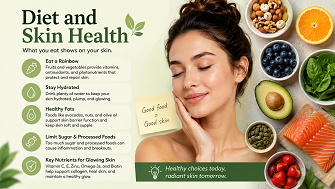
The relationship between Diet and Skin Health of our skin and hair is both profound and complex. Many individuals may not realize that what we consume plays a crucial role in the maintenance and appearance of our skin and hair. Nutritional deficiencies or imbalances can manifest in our bodies, leading to common issues such as dull skin, brittle hair, and premature aging.
A diet rich in essential vitamins, minerals, and healthy fats can significantly enhance the physiological condition of these tissues. For instance, antioxidants found in fruits and vegetables help combat oxidative stress, a factor linked to aging and damage to skin cells. Moreover, vitamins A, C, and E are known for their supportive roles in skin repair and maintenance. These nutrients contribute to increased elasticity, hydration, and a vibrant complexion.
Likewise, the health of our hair is influenced heavily by our nutritional intake. Proteins and healthy fats like omega-3 fatty acids foster strong hair follicles, while biotin and other B vitamins are essential for preventing hair loss and promoting growth. Incorporating diverse and nutrient-dense foods into our diets can, therefore, make a tangible difference in the health of our hair, rendering it shinier and more resilient.
In this blog, we will delve deeper into specific foods that contribute to better skin and hair health. We will explore various categories of nutrients, such as proteins, vitamins, and healthy fats, explaining how each supports our body’s largest organ, the skin, as well as our crowning glory, the hair. Through this exploration, readers will gain insights into how dietary choices can boost both appearance and overall well-being.
Essential Nutrients for Radiant Skin and Hair
Maintaining healthy skin and hair requires a balanced intake of essential nutrients, each playing a unique role in promoting hydration, elasticity, and repair. Among these, vitamins, minerals, and fatty acids stand out as critical components in improving overall skin and hair health.
Vitamins such as A, C, D, and E are particularly important. Vitamin A supports skin cell production, contributing to a smoother skin texture and preventing dry, flaky skin. Moreover, vitamin C acts as a powerful antioxidant that helps to combat free radical damage, essential for preventing premature aging. It also aids in collagen synthesis, which is crucial for maintaining skin elasticity, thus ensuring a youthful appearance. Similarly, vitamin E plays a crucial role in protecting skin cells from oxidative stress, further enhancing skin health.
Minerals like zinc and selenium are integral to skin health as well. Zinc assists in healing wounds and minimizing inflammation, while selenium protects the skin from UV damage and helps maintain its elasticity. These essential minerals ensure that skin maintains its structural integrity, hence promoting a radiant complexion.
Fatty acids, particularly omega-3 and omega-6, contribute significantly to skin and hair hydration. Omega-3 fatty acids help to retain moisture in the skin, which benefits its barrier function and can alleviate conditions such as psoriasis and eczema. On the other hand, omega-6 fatty acids are involved in the maintenance of the hair’s structure, preserving its shine and smoothness.
Incorporating a diet rich in these vitamins, minerals, and fatty acids is crucial for anyone looking to enhance their skin and hair health. Foods such as fatty fish, nuts, seeds, and a variety of fruits and vegetables can help ensure adequate intake of these nutrients, leading to vibrant skin and luscious hair.
Top Foods for Healthy Skin: Fruits and Vegetables
To achieve radiant skin, it is essential to incorporate a variety of fruits and vegetables into your diet. These foods provide vital nutrients and antioxidants that promote skin vitality and prevent premature aging.
Firstly, berries such as strawberries, blueberries, and raspberries are excellent choices. They are rich in vitamin C, which is key for collagen production and helps maintain skin elasticity. Additionally, their high antioxidant content aids in fighting free radicals, leading to healthier and more vibrant skin.
Oranges and other citrus fruits are also beneficial, thanks to their abundance of vitamin C and hydration properties. Eating these fruits helps keep the skin plump and reduces the appearance of fine lines. Furthermore, papaya contains enzymes and vitamins A and C that enable the skin to regenerate, providing a natural glow.
Leafy greens, such as spinach and kale, are rich in vitamins A, C, and K, which play a crucial role in maintaining a healthy complexion. The high levels of antioxidants in these vegetables can help combat oxidative stress, contributing to a more youthful appearance.
Moreover, carrots deserve mention as they are abundant in beta-carotene, which the body converts to vitamin A. This nutrient significantly protects the skin from sun damage and aids in cellular repair, making carrots a great option for skin health.
Incorporating these fruits and vegetables into your meals can be simple. Consider adding berries to your breakfast cereals or smoothies, tossing leafy greens into salads, and including carrots and oranges as snacks throughout the day. By prioritizing these nutrient-dense foods, you can significantly enhance your skin’s health and appearance.
Protein Sources for Strong Hair
Proteins are crucial for maintaining strong and healthy hair, as they are the building blocks of hair follicles. A diet rich in protein supports hair strength, enhances growth, and reduces hair loss. Both animal-based and plant-based protein sources can significantly contribute to the overall health of your hair.
Animal-based proteins, such as those found in meat, fish, and dairy products, are considered complete proteins. They contain all essential amino acids necessary for hair production. For instance, chicken and turkey are excellent sources of high-quality protein and also contain important nutrients such as iron and zinc, which are vital for hair firmness and resilience. Fish, particularly fatty types like salmon and mackerel, are rich in omega-3 fatty acids, contributing to scalp hydration and promoting a healthy shine.
Dairy products such as Greek yogurt and cottage cheese not only provide protein but also contain probiotics, which may promote scalp health and potential hair growth. Eggs, another staple protein source, are particularly beneficial due to their high biotin content, an essential nutrient for hair strength.
On the other hand, plant-based protein sources are gaining popularity and provide numerous health benefits as well. Legumes such as lentils and chickpeas are rich in protein and also contain vital mineral content that can fortify hair health. Quinoa is another excellent option, providing complete proteins along with essential vitamins and minerals beneficial for hair growth. Nuts and seeds, such as almonds and chia seeds, not only add healthy fats and proteins but also supply antioxidants that fight oxidative damage, supporting scalp health.
Incorporating a variety of protein sources into your diet, whether animal or plant-based, can significantly enhance your hair health journey. A balanced approach ensures that you receive essential nutrients required for strong, vibrant hair that withstands daily challenges.
Healthy Fats: The Secret to Glowing Skin
Healthy fats play a crucial role in maintaining the overall health of the skin, providing essential nutrients that promote hydration and a smooth, radiant appearance. Among the various types of fats, omega-3 and omega-6 fatty acids are particularly significant for their positive effects on skin barrier function and moisture retention. These polyunsaturated fats support the skin’s outer layer, preventing moisture loss and shielding against environmental aggressors.
Omega-3 fatty acids, found in foods such as fatty fish (like salmon and mackerel), walnuts, and flaxseeds, are known for their anti-inflammatory properties. By reducing inflammation, they can help soothe irritated skin and diminish the appearance of acne and other skin conditions. Additionally, omega-3s contribute to maintaining the skin’s lipid barrier, ensuring that hydration is preserved and thereby promoting a plump and youthful complexion.
On the other hand, omega-6 fatty acids, abundant in sources like sunflower oil, corn oil, and pumpkin seeds, are equally important. They assist in skin health by reinforcing the skin’s barrier and enhancing moisture retention. However, it is essential to balance omega-6 intake with omega-3 consumption to achieve optimal skin health, as an excess of omega-6 can lead to inflammation and skin issues.
Including a variety of healthy fats in your diet is vital for nourishing the skin from the inside out. This integration can be achieved through simple dietary choices, such as adding a handful of nuts to your meals or opting for fatty fish a couple of times a week. Conclusively, embracing healthy fats not only supports skin hydration but also contributes to a vibrant and youthful appearance, showcasing the importance of nutrition in skincare.
Hydration: The Key to plump Skin and Lustrous Hair
Maintaining proper hydration is crucial for achieving radiant skin and glossy hair. Water plays an essential role in numerous bodily functions, including cellular health and nutrient transport, which directly impacts the condition of your skin and hair. When the body is adequately hydrated, it can maintain its elasticity, leading to plumper skin and more vibrant hair. On the contrary, dehydration can result in dryness, dullness, and premature aging, making hydration a fundamental aspect of both skincare and haircare.
Incorporating hydration-rich foods into your diet further amplifies your skin and hair health. Foods with high water content such as cucumbers, tomatoes, watermelon, and oranges can contribute significantly to your daily fluid intake. They not only keep your body hydrated but also provide essential vitamins and antioxidants that support skin and hair vitality. Including such foods in your meals can enhance moisture levels, leading to healthier skin and shinier hair.
To ensure you remain adequately hydrated, it is advisable to set a daily water intake goal. Drinking at least eight 8-ounce glasses of water a day, often referred to as the ‘8×8 rule,’ is a widely recommended guideline. However, individual needs can vary based on factors such as physical activity and climate. Moreover, be aware of other hydration sources like herbal teas and broths, which also contribute to total fluid intake.
Listening to your body is paramount; thirst signals should not be ignored. Establishing a routine that incorporates water breaks throughout the day can help in maintaining consistency.
In conclusion, prioritizing hydration by drinking enough water and consuming hydrating foods is essential for promoting healthy skin and hair. By adopting these practices, you can enjoy the benefits of naturally plump skin and lustrous locks, enhancing your overall appearance and well-being.
Superfoods to Incorporate for Skin and Hair Benefits
Superfoods are nutrient-dense foods that provide significant health benefits due to their high levels of vitamins, minerals, and antioxidants. When it comes to enhancing skin and hair health, certain superfoods stand out due to their exceptional ability to nourish and rejuvenate. Incorporating these nutritious options into your diet can lead to not only improved appearance but also overall well-being.
One such superfood is avocado, renowned for its healthy fats and high vitamin E content. This fruit promotes skin elasticity and hydration, making it an excellent choice for maintaining a youthful glow. You can easily incorporate avocado into your meals by adding it to salads, smoothies, or simply spreading it on whole grain toast.
Blueberries are another powerhouse in the realm of superfoods. Packed with antioxidants, they combat free radicals that can accelerate skin aging. Their high vitamin C content also supports collagen production, vital for skin firmness. Blueberries can be enjoyed fresh, blended in a smoothie, or sprinkled over yogurt for a delicious and healthy breakfast option.
Spinach, often underrated, is rich in iron and vitamins A and C, which are essential for maintaining healthy hair and skin. These nutrients help nourish the scalp while promoting healthy hair growth. Consider using spinach in salads, smoothies, or as a cooked side dish to maximize its benefits.
Finally, chia seeds deserve a mention due to their high omega-3 fatty acid content. Omega-3s have been shown to help reduce inflammation and moisturize the skin. These tiny seeds can be added to smoothies, oatmeal, or even used to create a chia pudding for a delightful treat.
Incorporating these superfoods into your daily meals can significantly enhance skin and hair health, providing the essential nutrients they need to thrive. A diverse and colorful diet featuring such superfoods will not only fulfill nutritional needs but also promote a radiant appearance.
Lifestyle Factors that Complement Healthy Eating
While a diet rich in nutritious foods plays a vital role in fostering vibrant skin and hair, it is essential to recognize that lifestyle factors also significantly contribute to overall wellness. Quality sleep, effective stress management, and minimizing harmful substances are crucial to enhancing the benefits derived from healthy eating.
Firstly, the importance of adequate sleep cannot be overstated. During sleep, the body undergoes repair processes, including the rejuvenation of skin cells and the regulation of hormones. Lack of sufficient rest can lead to various skin issues such as dullness, dark circles, and increased susceptibility to irritants. To mitigate these effects, aiming for 7 to 9 hours of quality sleep each night is recommended, allowing the body to restore its natural glow and vitality.
Furthermore, managing stress is paramount for maintaining healthy skin and hair. Chronic stress can trigger a cascade of hormonal changes that may lead to skin conditions like acne or eczema and contribute to hair thinning. Engaging in stress-relieving activities such as meditation, yoga, or regular physical exercise can promote relaxation and mitigate the adverse effects of stress on the body. Additionally, fostering a balanced lifestyle by allocating time for hobbies and social connections can enhance emotional well-being, which is beneficial for the skin and hair.
Lastly, avoiding harmful substances such as tobacco and excessive alcohol consumption is critical in a comprehensive approach to skin and hair health. Tobacco use accelerates the aging process of the skin, while alcohol can dehydrate the body and cause inflammation. Therefore, adopting a lifestyle that emphasizes moderation and the avoidance of toxins will complement a nutritious diet, reinforcing the overall health and vitality of one’s skin and hair.
Conclusion
Building a diet for optimal skin and hair health requires an understanding of the nutrients that contribute to their overall well-being. Throughout this blog post, we have highlighted several key foods that are particularly beneficial for enhancing skin and hair quality. Fresh fruits, leafy greens, nuts, seeds, and fatty fish serve as prime examples of nutrient-rich options that can nourish your body from within.
Vitamins such as A, C, D, and E are crucial for maintaining skin elasticity and repair, while healthy fats sourced from avocados and fish can promote moisture retention and shine for hair. Antioxidants found in berries and greens combat free radicals that can age skin prematurely, thereby preserving its youthful glow. Additionally, minerals like zinc and iron are integral in promoting the health of hair follicles and preventing hair loss.
Moreover, hydration should not be overlooked. Adequate water intake is essential for maintaining skin hydration and elasticity. Incorporating herbal teas and water-rich fruits can further aid in this aspect. Reducing processed foods, sugars, and unhealthy fats will also contribute positively to skin and hair health, as these can lead to inflammation and other skin conditions.
As we have established, beauty truly starts from within. By making informed dietary choices that prioritize whole, nutrient-dense foods, individuals can foster significant improvements in their skin and hair appearance. Therefore, it becomes imperative to adopt these dietary practices consistently to reap the long-term benefits of healthy skin and luscious hair.