

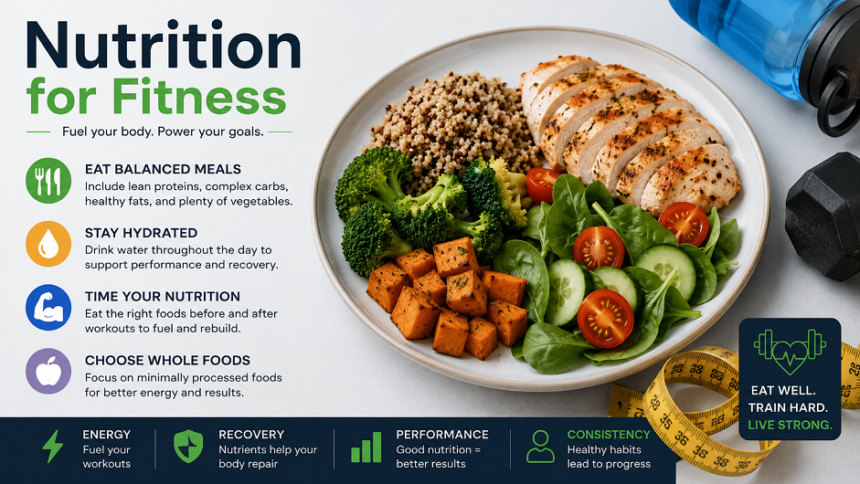
Nutrition for fitness plays a pivotal role in maintaining an active lifestyle and maximizing physical performance. When engaging in regular exercise or fitness activities, the body requires adequate fuel to function optimally, recover from workouts, and support various bodily processes. A balanced diet encompassing a variety of nutrients is essential for anyone seeking to enhance their fitness levels.
Certain foods are particularly beneficial for those who are active. Carbohydrates, for instance, are the body’s primary source of energy, making them crucial for sustaining workouts and enhancing endurance. Consuming whole grains, fruits, and vegetables not only provides essential vitamins and minerals but also ensures a steady supply of energy throughout the day. Additionally, protein is vital for muscle repair and growth, and can be sourced from lean meats, dairy, legumes, and nuts.
Moreover, fats are not to be overlooked in a well-rounded diet. Healthy fats, such as those found in avocados, olive oil, and fish, support cellular function and aid in the absorption of fat-soluble vitamins. Staying hydrated with water is equally important, as it regulates body temperature, lubricates joints, and supports overall health.
A holistic approach to fitness recognizes that staying active is not solely about physical exercise; it’s also significantly influenced by dietary choices. The right foods can enhance physical performance, supporting not just endurance but also strength and recovery. Therefore, understanding the components of nutrition helps individuals appreciate the impact of what they eat on their fitness journey. Through informed dietary choices, one can achieve a balanced lifestyle that encourages sustained activity and promotes overall well-being.
Whole Grains: Energy-Boosting Staples
Incorporating whole grains into your diet is crucial for anyone looking to maintain an active lifestyle and overall fitness. Whole grains are packed with complex carbohydrates, which are the body’s primary source of energy. Unlike refined grains, whole grains retain the bran and germ, providing a wealth of nutrients that support endurance and vitality.
Brown rice, quinoa, and whole grain breads are excellent examples of whole grain foods that can fuel your day. Brown rice, for instance, is not only wholesome but also rich in fiber, which aids in digestion and contributes to a feeling of fullness. Quinoa stands out as a complete protein source, making it a favorite among vegetarians and athletes alike. Its unique nutritional profile includes essential amino acids, vitamins, and minerals that promote muscle recovery and energy levels.
Whole grain bread is another versatile option that can be included in various meals. A slice of whole grain bread offers higher fiber content compared to white bread, facilitating better blood sugar control and sustained energy release throughout the day. This steady energy is particularly beneficial for those engaged in physical activities or sports, as it prevents sudden spikes and crashes in energy levels.
Moreover, the fiber found in whole grains helps to regulate digestion and contributes to heart health by maintaining healthy cholesterol levels. As a result, choosing whole grains over refined counterparts not only boosts immediate energy levels but also supports long-term wellness.
Incorporating a variety of whole grains into your diet can enhance energy, improve nutrition, and support an active lifestyle. By prioritizing these energy-boosting staples, you are taking a significant step towards staying fit and active.
Fruits and Vegetables: Nature’s Nutrient Powerhouses
Fruits and vegetables are essential components of a balanced diet, serving as rich sources of vitamins, minerals, and antioxidants. These nutrients are vital for active individuals, as they play critical roles in enhancing recovery, boosting immunity, and improving overall well-being. The colorful array of produce available offers an abundance of health benefits, making it imperative to incorporate a variety of these natural foods into daily meals.
Antioxidants found in fruits and vegetables are particularly beneficial for those engaged in physical activities. They help counteract oxidative stress, which can result from intense exercise. For instance, berries such as blueberries and strawberries are packed with antioxidants that aid muscle recovery and reduce inflammation. Similarly, leafy greens like spinach and kale provide a multitude of nutrients that support optimal performance and endurance.
Additionally, fruits and vegetables are excellent sources of vitamins and minerals that contribute to immune system function. Citrus fruits, such as oranges and grapefruits, are high in vitamin C, which is crucial for strengthening immune responses. By regularly consuming these vitamin-rich foods, active individuals can enhance their resilience against illnesses.
When considering the best options, bananas stand out as a favorite among athletes due to their high potassium content, which helps to prevent muscle cramps and maintain electrolyte balance. Likewise, sweet potatoes, rich in complex carbohydrates, provide sustained energy, making them ideal for pre-workout meals.
Incorporating a variety of fruits and vegetables into your diet not only enhances the nutritional profile of your meals but also contributes to long-term health. Their fiber content facilitates digestion and promotes satiety, which can play a role in weight management for those striving to maintain fitness. Therefore, embracing the diverse world of fruits and vegetables is crucial for anyone looking to stay active and fit.
Lean Proteins: Building Blocks for Muscle Repair
Incorporating lean proteins into an active diet is essential for maintaining overall health and vitality. Proteins play a pivotal role in muscle repair and growth, particularly after physical activity. This macronutrient helps to rebuild muscle fibers that may become damaged during workouts, promoting quicker recovery and enhancing athletic performance. The significance of lean proteins cannot be overstated, as they provide the amino acids necessary for the synthesis of new proteins in the body.
Research indicates that consumption of lean proteins post-exercise can lead to improved muscle recovery and adaptation, allowing individuals to train harder and more effectively over time. This is particularly relevant for those engaged in regular physical activities such as weightlifting, running, or competitive sports. Including sources of lean protein in your meals can significantly contribute to your fitness goals.
Some excellent sources of lean protein include chicken and turkey, which are both low in fat and high in protein content. Fish, such as salmon and tuna, not only provide lean protein but also come packed with essential omega-3 fatty acids that support heart health. Moreover, legumes like beans, lentils, and chickpeas offer plant-based protein options, catering to vegetarians and vegans, while also supplying additional fiber for digestive health.
For those looking to diversify their protein intake, other plant-based choices such as quinoa, tofu, and tempeh are becoming increasingly popular. These options not only provide quality protein but also contribute to a balanced diet when paired with a variety of fruits, vegetables, and whole grains.
In conclusion, making lean proteins a cornerstone of your diet not only supports muscle repair and recovery but also aids in achieving and maintaining an active and fit lifestyle. By prioritizing these nutrient-rich foods, individuals can enhance their physical performance and overall well-being.
Healthy Fats: Essential for Energy and Hormonal Balance
In the pursuit of maintaining an active and fit lifestyle, the role of healthy fats cannot be overstated. Fats are essential macronutrients that provide a concentrated source of energy, serving as the body’s main energy reserve. They also play a crucial role in the absorption of fat-soluble vitamins, such as A, D, E, and K, which are vital for various bodily functions.
It is important to distinguish between healthy and unhealthy fats. Unhealthy fats, such as trans fats and many saturated fats found in fried foods and industrially processed products, can increase the risk of chronic diseases, including obesity and heart disease. In contrast, healthy fats, which include monounsaturated and polyunsaturated fats, contribute positively to overall health. These beneficial fats can be found in various food sources, such as avocados, nuts, seeds, and olive oil, all of which can support energy levels and assist in hormone production.
Healthy fats play a significant role in hormonal balance, particularly in the production of hormones that regulate metabolism and mood. For individuals engaging in regular physical activity, fats provide not only energy but also aid in muscle recovery and growth by facilitating the delivery of essential nutrients. Including moderate amounts of healthy fats in the diet supports sustained energy levels during workouts and daily activities.
It is crucial to incorporate these healthy fats thoughtfully into one’s meals. Moderation is key, as an excessive intake of any type of fat can lead to unwanted weight gain, impacting overall health and fitness goals. Therefore, a balanced approach to dietary fats, emphasizing sources rich in omega-3 and omega-6 fatty acids, should be prioritized for those who lead an active lifestyle. By doing so, individuals can ensure they maintain optimal energy levels and hormonal balance as they strive for fitness and wellness.
Hydration: The Key to Optimal Performance
Maintaining proper hydration levels is crucial for anyone engaged in an active lifestyle. Water plays a pivotal role in various bodily functions, including temperature regulation, joint lubrication, and nutrient transportation. For individuals participating in physical activities, staying well-hydrated can significantly enhance performance and expedite recovery. Studies have demonstrated that even mild dehydration can lead to reduced endurance, increased fatigue, and impaired mental function, affecting one’s overall exercise experience.
The body loses water through sweat, breath, and urine, making it essential to replenish fluids regularly. The amount of water needed can vary depending on factors such as the intensity of the workout, environmental conditions, and personal sweat rates. Common guidelines recommend drinking at least eight 8-ounce glasses of water daily, but athletes may require more to meet their hydration needs.
Incorporating electrolyte-rich beverages can also be beneficial, especially after strenuous workouts. Electrolytes, such as sodium, potassium, and magnesium, help maintain fluid balance in the body, promote nerve function, and support muscle contraction. Sports drinks and electrolyte tablets can be effective in restoring these essential minerals lost through perspiration. However, it’s also important to note that overconsumption of these drinks can lead to an imbalance, so moderation is key.
In addition to beverages, certain foods are naturally high in water content and can aid in hydration. Fruits and vegetables like cucumbers, watermelons, oranges, and strawberries contribute to daily fluid intake while providing essential vitamins and minerals. By focusing on a balanced diet that includes these hydrating foods, individuals can improve their hydration status, which in turn supports their performance in physical activities.
Superfoods: The Extra Boost for Active Lifestyles
Superfoods have gained considerable attention in recent years due to their exceptional nutritional profiles and health benefits. These foods are typically rich in vitamins, minerals, antioxidants, and healthy fats, making them an excellent addition for individuals aiming to maintain an active and fit lifestyle. Incorporating superfoods into your diet can enhance overall vitality and provide the necessary fuel for engaging in various physical activities.
One of the prominent superfoods is chia seeds. These tiny seeds are a powerhouse of omega-3 fatty acids, fiber, and protein. Their high fiber content aids in digestion and promotes satiety, which can be particularly beneficial for those managing weight. Furthermore, chia seeds can absorb liquid and expand in the stomach, providing a sustained energy release that is ideal for prolonged physical activity.
Spirulina, a blue-green algae, is another superfood worth mentioning. It is considered a complete protein as it contains all essential amino acids and is packed with vitamins B1, B2, B3, copper, and iron. Spirulina has been shown to enhance endurance, reduce muscle fatigue, and even improve recovery times following intense workouts, making it an excellent choice for fitness enthusiasts and athletes alike.
Blueberries are often lauded for their impressive antioxidant properties, primarily due to the high levels of anthocyanins, which give them their vibrant color. These antioxidants help combat oxidative stress generated from exercise, supporting recovery and reducing muscle damage. Additionally, blueberries offer a natural source of energy, making them a delicious and nutritious option for a pre-or post-workout snack.
Incorporating these superfoods into your daily routine can be straightforward and enjoyable, whether by adding them to smoothies, salads, or snack bars. With their wide-ranging health benefits, superfoods can serve as an exceptional boost for those dedicated to maintaining an active and fit lifestyle.
Meal Planning: Putting It All Together
Meal planning is an essential strategy for individuals seeking to maintain an active and fit lifestyle. By preparing meals in advance, one can ensure a consistent intake of key nutrients that contribute to energy levels and support recovery after physical activity. This proactive approach not only saves time during the week but also minimizes the temptation to opt for convenience foods that are often processed and lacking in nutritional value.
To begin effective meal planning, it is crucial to take into account the necessary food groups that support an active lifestyle. A balanced meal should ideally consist of lean proteins, whole grains, healthy fats, and a variety of fruits and vegetables. Incorporating foods rich in complex carbohydrates, such as quinoa and brown rice, provides sustained energy for workouts and daily activities. Meanwhile, proteins from sources like chicken, fish, beans, and legumes serve to repair and build muscle tissue, particularly after exercise.
When creating a weekly meal plan, consider setting aside time each week to prepare meals that can be easily stored and reheated. Batch cooking is an effective technique where large quantities of healthy meals are cooked and portioned out for the week ahead. This not only guarantees access to nutritious options but also helps in portion control, preventing excessive calorie intake. Additionally, include snacks that are healthy and portable, such as nuts, yogurt, or fruit, to keep energy levels stable throughout the day.
To ensure that meals support personal energy needs, it is essential to listen to one’s body and adjust the meal plan accordingly. Overall, the goal of meal planning is to create a structured yet flexible approach to eating that promotes health, energy, and a well-rounded diet, directly contributing to an active and fulfilling lifestyle.
Conclusion: Making Healthy Food Choices for an Active Life
In today’s fast-paced world, making healthy food choices is integral to maintaining an active and fit lifestyle. Throughout this blog post, we have explored various healthy foods that can enhance your energy levels and support your fitness goals. Consuming a balanced diet rich in fruits, vegetables, whole grains, lean proteins, and healthy fats is essential for sustaining vitality and overall health.
Prioritizing nutritious foods not only fuels your body but also significantly influences your mental well-being. Foods high in antioxidants, vitamins, and minerals help combat fatigue and promote cognitive function, thus enabling you to perform consistently in your daily activities or workouts. It is vital to recognize that the relationship between nutrition and activity levels is reciprocal; the better you eat, the more energized and motivated you will be to engage in physical activities.
Moreover, being mindful of portion sizes and the quality of the foods you consume can lead to better health outcomes in the long run. It is essential to steer away from processed foods and excessive sugars, as they can hinder your performance and energy levels. Instead, opt for wholesome alternatives that nourish your body and promote sustained energy.
Embracing a balanced diet is not merely a short-term endeavor but rather a long-term lifestyle adjustment. As you navigate your dietary choices, remember that the ultimate goal is to enhance your well-being and support your active pursuits. By making informed food choices and incorporating a variety of nutrient-dense foods into your meals, you set the foundation for a healthier, more vibrant life. Start today by planning your meals and snacks with care, and enjoy the benefits of a nourished, active lifestyle.