
Step back in time and immerse yourself in the elegance of dress 1800 style clothing. This era, rich with social change and artistic expression, showcased fashion that was not only beautiful but also reflected the values and aspirations of its time. Picture flowing gowns, intricate details, and a sense of grandeur that made every outfit a statement. Whether you’re drawn to its romantic silhouettes or the artistry behind each piece, understanding this historical style can inspire your modern wardrobe. Let’s explore the captivating world of dress 1800 style clothing together!
Historical Context and Influences
The 1800s were a time of remarkable change. The Industrial Revolution transformed societies, impacting every aspect of life, including fashion. As cities grew and populations shifted, the way people dressed began to reflect their new realities. Romanticism played a significant role in influencing dress 1800 style clothing. This movement celebrated nature and individual expression, leading to softer silhouettes and more elaborate designs that showcased femininity. Meanwhile, social movements such as women’s suffrage began gaining momentum. Clothing started to symbolize broader societal changes, with styles shifting from restrictive corsets to looser fits that allowed for greater mobility. Additionally, advancements in textile production made luxurious fabrics like silk widely accessible. The fusion of art, culture, and technology led to innovative designs that defined an era while allowing personal identity to flourish through fashion choices.
Key Features of Dress 1800 Style Clothing
Dress 1800 style clothing is characterized by its elegant silhouettes and intricate details. One of the most notable features is the empire waist, which sits just under the bust. This design creates a flowing skirt that enhances movement and grace.
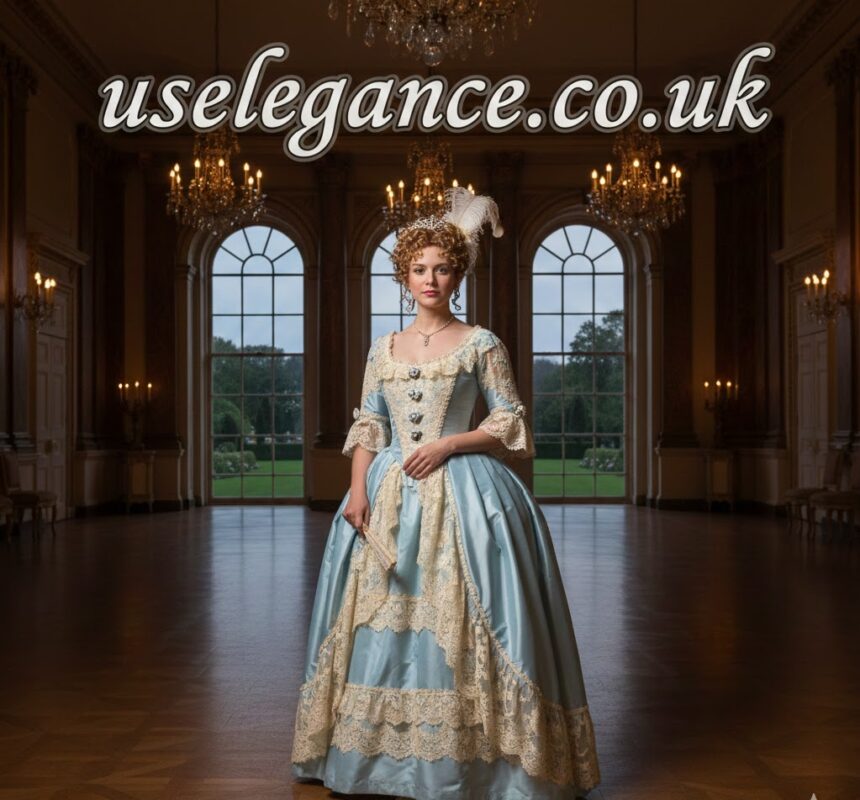
Fabrics used during this period were often lightweight. Muslin was particularly popular for day dresses, while silk adorned evening gowns. These materials contributed to a soft drape that highlighted the wearer’s figure without constriction. Sleeves varied widely; from puffed short sleeves to long fitted ones, they added flair to each ensemble. Decorative elements like ruffles, lace trims, and embroidery also flourished during this era. Patterns played their part too—floral prints were favored for daytime looks while rich colors graced formal attire. Each detail embodied both sophistication and artistic expression in dress 1800 style fashion choices.
Popular Styles and Trends
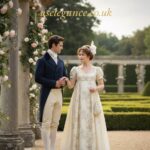
The early 1800s showcased a fascinating array of styles. The Empire silhouette dominated women’s fashion, characterized by high waistlines just under the bust and flowing skirts that created an ethereal look. Men’s clothing also evolved during this period. Tailcoats became increasingly popular, often paired with fitted trousers or breeches. Cravats replaced neckcloths, adding elegance to any gentleman’s ensemble. Fabrics played a crucial role in these trends. Lightweight muslins adorned women’s dresses during summer, while heavier wool fabrics were favored for winter wear. Accessories served to elevate outfits further. Wide-brimmed hats adorned both genders; ladies opted for bonnets decorated with ribbons and flowers.
Jewelry was understated yet refined — delicate pearl earrings or simple gold brooches complemented rather than overwhelmed the attire. Each element reflected not only personal style but also social status within society at that time.
Materials and Accessories Used in Dress 1800 Style Clothing
Dress 1800 style clothing was characterized by a rich variety of materials. Silk, cotton, and wool were the most commonly used fabrics. Each material brought its own unique texture and drape to the garments.
Silk was often favored for evening wear, creating an elegant shimmer that caught the light beautifully. Cotton became popular for day dresses due to its breathability and comfort. Accessories played a key role in completing these outfits. Bonnets adorned with ribbons or lace added charm to women’s looks while offering protection from the sun. Jewelry also made waves during this era. Delicate gold necklaces and intricately designed brooches complemented dresses perfectly. Footwear varied from sturdy leather boots for men to dainty slippers for women, emphasizing both practicality and style. These elements combined contributed to a distinctive elegance that defined dress 1800 style clothing.
Modern Interpretations and Revival of Dress 1800 Style Clothing
Modern fashion often draws inspiration from the past, and Dress 1800 style is no exception. Designers today are reimagining these classic silhouettes to suit contemporary tastes. You’ll find elements like high waistlines and flowing skirts making a comeback in various collections. The elegance of this era resonates with those seeking sophistication in their attire. Fashion enthusiasts embrace vintage markets and online boutiques for authentic pieces or well-crafted reproductions. This trend not only celebrates history but promotes sustainability through second-hand shopping. Social media platforms showcase influencers who skillfully mix Dress 1800 style with modern staples, creating unique outfits that pay homage to the past while remaining fresh and relevant. Costume designers also play a pivotal role, using historical garments in film and theater to captivate audiences. These visual narratives breathe new life into traditional clothing, inspiring everyday applications for fans of the genre.
How to Incorporate Dress 1800 Style into Your Wardrobe Today
Incorporating dress 1800 style into your wardrobe can be both fun and creative. Start by selecting key elements like high-waisted skirts or fitted bodices that reflect the era’s elegance. Opt for a modern twist on these classics. Pair a Regency-inspired gown with contemporary accessories, like ankle boots or statement jewelry. This blend brings history to life without sacrificing comfort. Don’t forget about layering. A simple white blouse under a corset-style top adds depth while keeping things fresh. You can also play with fabrics; lightweight cottons and silks echo the period but feel current. Mixing vintage pieces with today’s fashion is another way to embrace this style. Thrift stores often hold gems from various eras, including delicate lace shawls or embroidered waistcoats. Experiment with color palettes inspired by the time—soft pastels and rich jewel tones were popular in the 1800s. It’s all about making it uniquely yours!
Conclusion
The allure of dress 1800 style clothing continues to captivate enthusiasts and newcomers alike. Its rich history, intricate details, and diverse influences offer a glimpse into a world where fashion was an art form. From the elegant silhouettes of Regency gowns to the structured elegance of Victorian dresses, each piece tells a story. Today’s fashion landscape has opened doors for modern interpretations that blend vintage charm with contemporary flair. Whether you’re looking to incorporate elements into everyday wear or planning for a special occasion, embracing this historic style can elevate your wardrobe in unique ways. As you explore dress 1800 style clothing, consider how it resonates with your personal aesthetic. The beauty lies not just in its structure but also in its ability to inspire creativity and individuality. There’s something timeless about these styles that invites us all to appreciate the artistry behind every stitch and seam.