

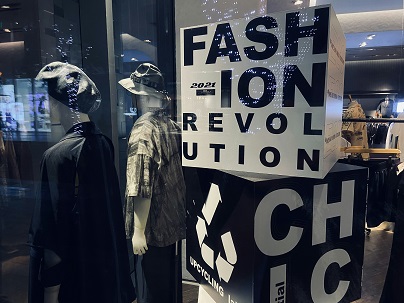
Sustainable fashion refers to an approach to clothing design and production that prioritizes environmental and social responsibility. In recent years, this concept has gained significant traction as society becomes increasingly aware of the detrimental impacts of the traditional fashion industry. The rapid production cycles, known as fast fashion, often lead to significant waste, pollution, and exploitation of labor forces. Sustainable fashion seeks to address these pressing issues by advocating for a more ethical and eco-friendly system.
The environmental impact of conventional fashion practices is alarming. For instance, the production of textiles accounts for a substantial percentage of global pollution, including water contamination from dyes and the extensive use of non-renewable resources. In addition, the vast amounts of waste generated when clothing is discarded contribute to overflowing landfills. Sustainable fashion aims to mitigate these effects through the promotion of eco-friendly materials, responsible manufacturing processes, and innovations that reduce waste.
On the social spectrum, the fashion industry often exploits workers in developing countries, providing low wages and inadequate working conditions. Sustainable fashion emphasizes fair trade practices and ensures that workers are treated ethically and compensated appropriately for their labor. By focusing on social equity, the movement advocates for transparency throughout the production chain, urging brands to take accountability for their impact on people and the planet.
In allowing consumers to make informed choices, sustainable fashion contributes not only to a healthier environment but also to improved social conditions. As individuals become more conscious of their purchasing decisions, the demand for sustainable clothing continues to rise, fostering a shift toward more responsible consumption in the fashion industry.
Choosing Eco-Friendly Fabrics
Embracing sustainable fashion begins with the selection of eco-friendly fabrics, which significantly contribute to reducing the environmental impact of clothing. Organic cotton is a popular choice, made without synthetic pesticides or fertilizers, thus minimizing soil and water contamination. This fabric not only supports a healthier ecosystem but also is soft and breathable, making it ideal for everyday wear.
Another commendable alternative is hemp. Renowned for its durability, hemp requires little water and grows swiftly without the need for chemical inputs. This makes it a sustainable option, as its production has a minimal ecological footprint. Additionally, hemp fabric becomes softer with each wash, enhancing its appeal further.
Tencel, derived from eucalyptus trees, is gaining traction for its sustainable production process. The closed-loop system used in its creation recycles water and solvents, thus conserving resources. Tencel’s naturally breathable and moisture-wicking properties contribute to comfort while being biodegradable, which positively impacts the environment after disposal.
Recycled materials, such as polyester made from post-consumer plastic bottles, are transforming the textile industry. Utilizing existing resources helps divert waste from landfills and reduces the need for virgin materials. Fabrics made from recycled materials can be as high-quality as traditional options, providing durability without compromising sustainability.
When shopping for garments made from these eco-friendly fabrics, it is essential to examine garment labels thoroughly. Look for certifications like GOTS (Global Organic Textile Standard) for organic materials and an indication of fabric origin, which will help ensure that your purchase aligns with sustainable practices. Making informed choices about materials not only supports the fashion industry’s shift towards sustainability but also promotes a healthier planet.
Thrifting and Upcycling: Second-Hand Fashion
Thrifting and upcycling have become increasingly popular as sustainable practices in the fashion industry, especially for those seeking affordable and environmentally friendly clothing options. The act of purchasing second-hand garments not only reduces waste but also supports a circular economy, where clothing is reused rather than discarded. One of the primary benefits of embracing thrifted fashion is the significant reduction in the carbon footprint associated with clothing production and consumption. By opting for second-hand items, individuals contribute to less demand for new manufacturing and the natural resources this requires.
Finding quality thrift shops can be an enjoyable and rewarding experience. Many cities feature a variety of thrift stores, ranging from large charity chains to small independent shops, each with its own unique offerings. To discover the best locations, individuals can start by searching online for local thrift shops, checking reviews, or even joining social media groups dedicated to thrifting enthusiasts. Additionally, estate sales, garage sales, and online marketplaces can provide a wealth of second-hand options.
Upcycling is another excellent way to create sustainable fashion, allowing you to breathe new life into older garments. This process can involve simple alterations, such as adding embellishments, dyeing, or cutting and sewing pieces into an entirely new item. Beginners can experiment with techniques like tailoring oversized clothing to achieve a better fit or converting a worn-out dress into a stylish top. The key is to embrace creativity and innovation while customizing thrift finds to match your personal style.
In summary, thrifting and upcycling not only foster a more sustainable fashion lifestyle but also provide a unique opportunity for self-expression. By incorporating second-hand items into your wardrobe and exploring upcycling, you can enjoy fashionable choices that are both stylish and environmentally responsible.
Mindful Consumption and Wardrobe Management
Building a sustainable wardrobe starts with the principle of mindful consumption, which emphasizes quality over quantity. The concept of a capsule wardrobe—a curated collection of essential clothing items—is particularly beneficial for those looking to simplify their wardrobe while reducing their environmental impact. By selecting versatile, timeless pieces that can be mixed and matched, individuals can decrease the frequency of new purchases and ensure the longevity of their attire. This approach not only minimizes waste but also allows for a more organized and functional closet.
When it comes to purchasing decisions, being informed is key. Researching brands that prioritize ethical practices, such as using sustainable materials and providing fair labor conditions, can greatly influence consumer behavior. Additionally, considering second-hand options or supporting local artisans can further reduce the carbon footprint associated with fashion production. Engaging with these conscious choices can lead to a more fulfilling relationship with one’s wardrobe.
Another critical aspect of sustainable fashion is the care of clothing items to extend their lifespan. Proper washing, drying, and storing techniques can significantly enhance the durability of garments. For instance, washing clothes in cold water, air-drying them, and avoiding excessive ironing can help preserve their quality. Moreover, learning simple repair skills, such as sewing buttons or mending holes, can keep garments in circulation longer, reducing the need for replacements.
Garment swapping is also a valuable practice that promotes sustainability. By organizing clothing exchange events with friends or community groups, individuals can refresh their wardrobe without incurring environmental costs associated with new purchases. This not only fosters a sense of community but also highlights the joy of sharing resources. Ultimately, embracing mindful consumption and effective wardrobe management empowers consumers to contribute positively to the fashion industry’s sustainability efforts.